
The term “digital twin” has been overloaded to the point of near-meaninglessness in marketing materials. In some contexts it means a 3D CAD model. In others it means a real-time sensor dashboard. In the simulation engineering context, which is where the concept originated and where it delivers the most measurable value, a digital twin is a physics-based simulation model that represents the behaviour of a physical asset, process, or system and is calibrated against real-world data.
For Indian manufacturing organisations in Pune, Chennai, Bengaluru, Hyderabad, and Delhi NCR, the practical question is not whether digital twins are conceptually interesting but whether they deliver ROI that justifies the investment in simulation capability, sensor infrastructure, and integration engineering.
What Simulation-Driven Digital Twins Actually Do
A digital twin built on physics-based simulation provides capabilities that data-only dashboards cannot:
Predictive analysis. A structural FEA model of a turbine blade, calibrated against measured operating loads and temperatures, predicts remaining fatigue life under projected operating conditions. This is fundamentally different from a statistical model trained on failure data, the physics-based model can predict behaviour under conditions that have never been observed, including off-design operation and overload events.
Virtual prototyping and optimisation. Before building a physical prototype, the digital twin evaluates thousands of design alternatives. Adams vehicle dynamics models, MSC Nastran structural models, and Actran acoustic models together form a comprehensive digital twin of a vehicle that enables virtual development, reducing physical prototype iterations and accelerating development timelines.
Process optimisation. Simufact Additive creates a digital twin of the metal additive manufacturing process, predicting distortion, residual stress, and build failure for each part geometry and process parameter set. The digital twin enables virtual process qualification without consuming expensive machine time and material.
Manufacturing quality prediction. Digimat creates a digital twin of the injection moulding and structural loading chain, predicting how manufacturing process parameters (melt temperature, injection speed, holding pressure) influence the structural performance of the final part through their effect on fibre orientation.
The Indian Manufacturing Context
India’s manufacturing sector is at an interesting inflection point. Several converging trends are making simulation-driven digital twins practical and valuable:
Make in India and PLI incentives are driving investment in advanced manufacturing, semiconductor fabrication, EV battery assembly, aerospace component production, and defence electronics. These capital-intensive manufacturing processes have high cost-of-failure, making simulation-driven process optimisation economically compelling.
Global supply chain qualification. Indian manufacturers competing for global OEM business must demonstrate simulation capability as part of supplier qualification. The ability to present simulation-backed process validation, predicted distortion compensation for AM parts, forming simulation for stamped components, plating simulation for PCBs, is increasingly a procurement requirement, not a differentiator.
Engineering talent availability. India produces a large number of mechanical and manufacturing engineering graduates annually. The availability of engineers who can operate simulation tools, given proper training, makes digital twin adoption feasible at a scale that is challenging in markets with tight engineering talent supply.
Where Cadence Fits
The Cadence simulation portfolio provides the solver foundation for digital twins across multiple engineering domains:
- MSC Nastran: structural digital twin (stress, fatigue, vibration, buckling)
- Adams: system dynamics digital twin (vehicle dynamics, mechanism kinematics, multibody systems)
- Actran: acoustic digital twin (cabin noise, radiation, transmission loss)
- Marc: process digital twin (forming, welding, rubber component manufacturing)
- Simufact Additive: AM process digital twin (distortion, residual stress, build qualification)
- Digimat: material digital twin (composite properties from microstructure and process)
- VTD/VTD X: driving environment digital twin (ADAS/AD scenario simulation)
The MSC One token pool enables organisations to access all of these solvers through a single licensing model, building multi-domain digital twins without per-solver procurement.
Getting Started
Digital twin adoption does not require a transformation programme. It starts with identifying the engineering problem where simulation-driven prediction delivers the highest value, typically the problem with the highest cost of physical iteration or the highest risk of field failure.
For Indian teams beginning this journey, GSAS provides the Cadence simulation portfolio with INR invoicing, training workshops, and application engineering support. Our team in Bengaluru, Hyderabad, Chennai, Pune, Mumbai, Delhi NCR, and Visakhapatnam helps organisations identify the right entry point, deploy the appropriate solvers, and build internal simulation competency.
Also appears in:
Interested in Cadence tools?
Talk to our application engineers for personalized tool recommendations.
More from Cadence
View all →
MSC Software Is Now Part of Cadence: What the Hexagon Acquisition Means for Indian Simulation Teams
28 May · 6 min

Adams Multibody Dynamics: The Standard for Vehicle Dynamics Simulation in India
5 Apr · 6 min
MSC Nastran: Six Decades of Structural FEA and Why It Still Matters in India
4 Apr · 6 min
Actran Acoustic Simulation: Solving the EV NVH Challenge in India
3 Apr · 6 min
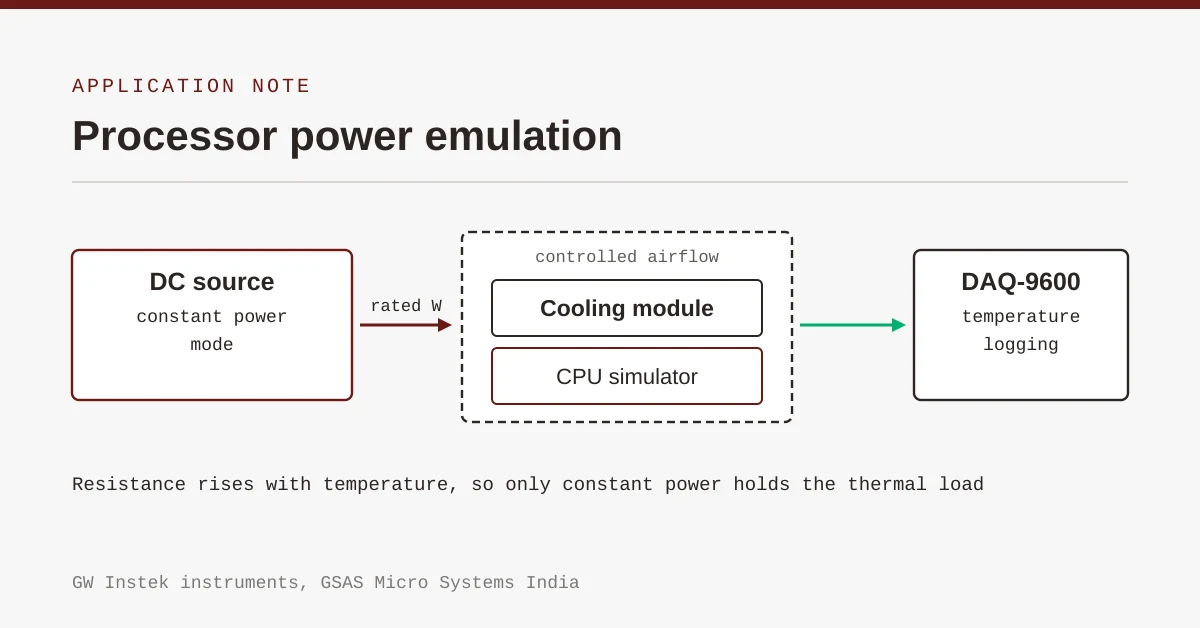
Emulating Processor Power for Thermal Testing: Why Constant Power
7 Oct · 7 min
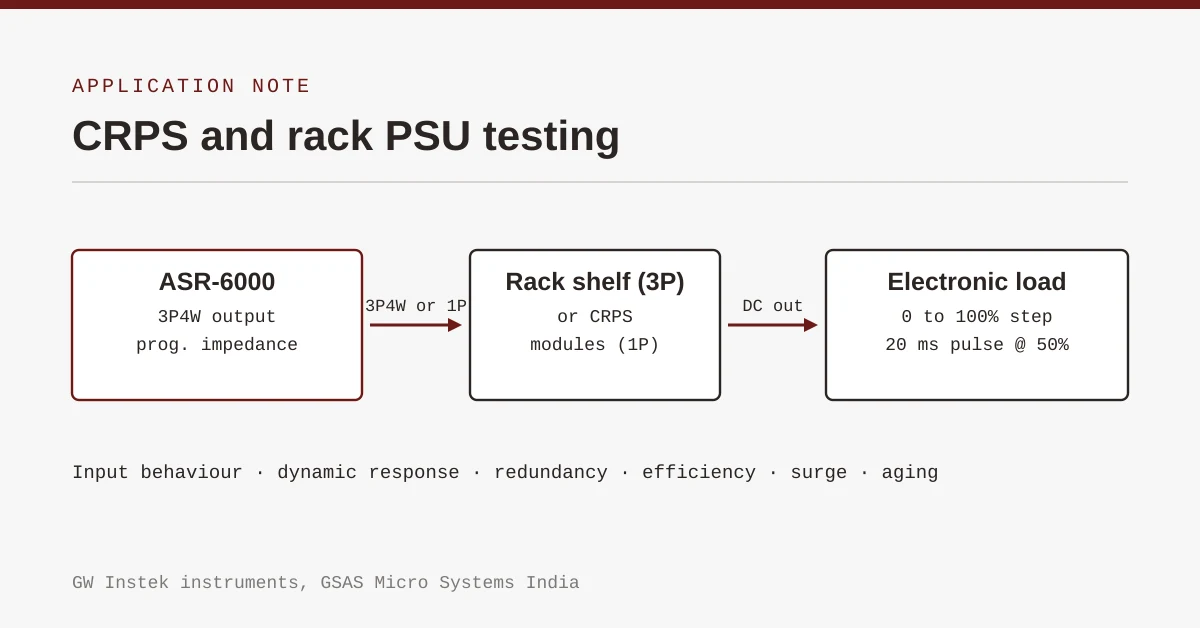
CRPS and Rack Power Supply Testing: The Six Tests That Matter
7 Oct · 7 min