
Automotive & Mobility
Accelerate Software-Defined Vehicle Development.
End-to-end toolchains for ADAS, powertrain, body electronics, and connected vehicle platforms, with functional safety and cybersecurity built in.
The automotive industry is undergoing a fundamental transformation driven by electrification, connectivity, and autonomous driving. Software now defines vehicle capability, with modern cars running over 100 million lines of code across dozens of Electronic Control Units. GSAS provides the complete embedded development toolchain that automotive engineering teams need to build, test, and certify software-defined vehicle platforms.
Our curated portfolio addresses every stage of the automotive V-model, from requirements and architecture through unit testing, integration, and production deployment. Klocwork and Perforce QAC deliver MISRA and AUTOSAR compliance analysis for ISO 26262, while TESSY by Razorcat provides automated unit testing with MC/DC coverage measurement qualified for ASIL D. J-Link PRO and PicoScope enable deep hardware-software integration debugging across CAN, LIN, and FlexRay networks, and our automotive Ethernet capture and validation capability extends the same bench discipline to 100BASE-T1, SOME/IP, and DoIP. On the electrical side, ISO 16750-2 supply voltage testing covers the starting profile, voltage drops, reset behaviour and load dump a control unit must survive on a 12 V or 24 V bus.
With UNECE R155/R156 and the EU Cyber Resilience Act reshaping the regulatory landscape, cybersecurity is no longer optional. GSAS partners with Perforce (Klocwork, Perforce QAC) to deliver static analysis, vulnerability management, and AUTOSAR-compliant development environments that meet both safety and security mandates from day one.
Need help selecting tools for your project?
Our application engineers specialize in Automotive & Mobility toolchain selection, from architecture through production.
What We Bring
GSAS Capabilities for Automotive & Mobility
Beyond tools, engineering services, compliance consulting, and hands-on support tailored to Automotive & Mobility teams.
Embedded Software Engineering
AUTOSAR Classic & Adaptive, firmware, RTOS integration, BSP development for automotive MCUs.
Safety & Compliance Engineering
ISO 26262 ASIL A-D, HARA, FMEA/FTA, tool qualification, safety case development.
Testing & Verification
Unit testing, MC/DC coverage, static analysis, HIL/SIL test bench design.
Training & Enablement
ISO 26262 for Software Engineers, MISRA C compliance and Keil MDK Essentials workshops for automotive teams.
Automotive Ethernet
100BASE-T1 and 1000BASE-T1 capture and validation, SOME/IP and DoIP analysis, gPTP time sync.
Recommended Tools
Products for Automotive & Mobility
Curated from our portfolio of authorized global partnerships, the tools that Automotive & Mobility engineering teams use most.
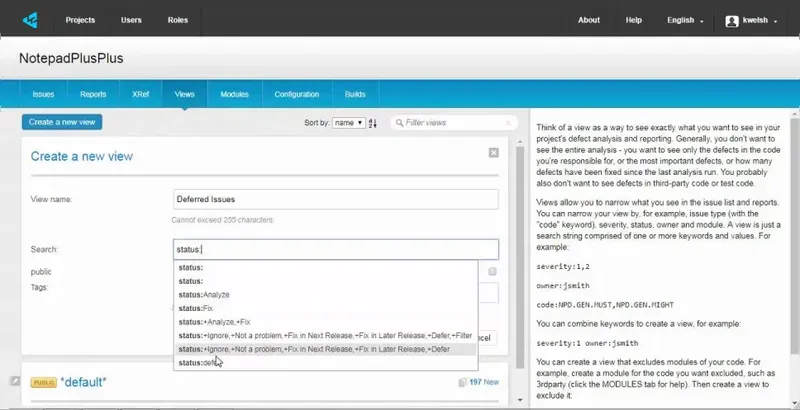
Klocwork
Klocwork by Perforce is a scalable SAST tool for C, C++, C#, Rust, Java, JavaScript, Python, and Kotlin, built for DevSecOps with incremental analysis, MISRA, CERT, and CWE enforcement, and TUV SUD certified ISO 26262 and IEC 61508 tool qualification. Deployed and supported across India by GSAS.
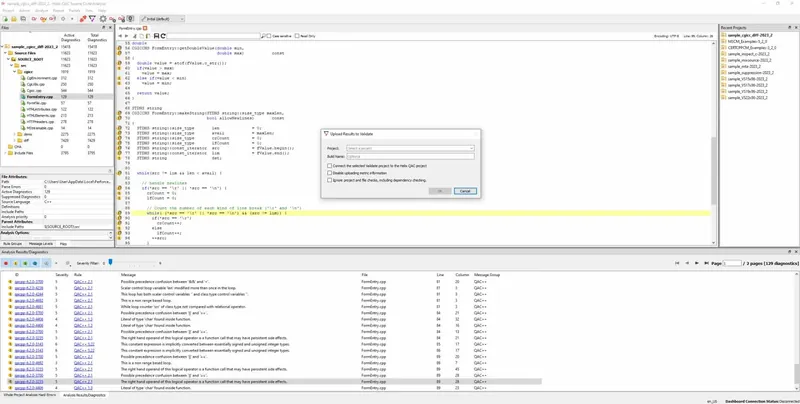
Perforce QAC
MISRA compliance analysis tool for C and C++ with qualification kits for automotive and safety-critical certification. India pricing and local support from GSAS.
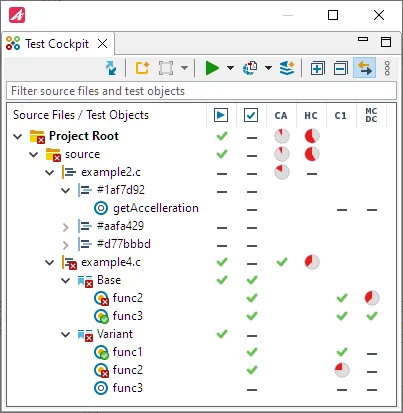
TESSY
Automated dynamic unit, module, and integration testing for embedded C/C++ with MC/DC coverage. Qualified by Razorcat for safety-related software development per IEC 61508, IEC 62304, ISO 26262 and EN 50128. Buy in India from GSAS.
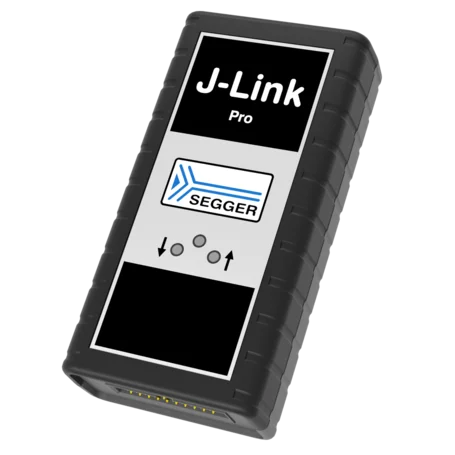
J-Link PRO
Professional JTAG/SWD debug probe with USB and Ethernet connectivity, supporting Arm Cortex-M/A/R and RISC-V architectures. India pricing and local support from GSAS.
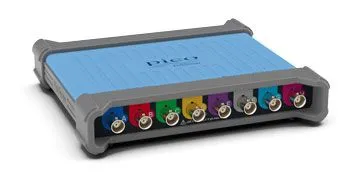
PicoScope 4824A
Pico Technology PicoScope 4824A, 8-channel, 12-bit USB 3.0 PC oscilloscope with 20 MHz bandwidth, 80 MS/s sampling and 256 MS deep capture memory, plus a built-in 80 MS/s 14-bit AWG and serial decoding for CAN, LIN, FlexRay, I2C, I2S, SPI and UART. Available in India from GSAS Micro Systems with probe selection, applications support and GST-compliant quotations.
Compliance
Standards & Toolchain Mapping
Standards listed for Automotive & Mobility, and the GSAS tools this site places against each. A chip shows a published qualification scope where one exists, and the bare standard name where none does.
| Tool | Applicable Standards |
|---|---|
| Klocwork (Perforce) | ISO 26262 up to ASIL DMISRA C:2023UNECE R155/R156EU Cyber Resilience Act |
| Perforce QAC | ISO 26262 up to ASIL DMISRA C:2023AUTOSAR C++14 |
| Arm Compiler for Embedded FuSa | ISO 26262 ASIL D (qualified releases) |
| embOS-Safe (SEGGER) | ISO 26262 ASIL D |
| emCrypt (SEGGER) | UNECE R155/R156EU Cyber Resilience Act |
| TESSY (Razorcat) | ISO 26262 |
Blog
Latest Thinking: Automotive & Mobility
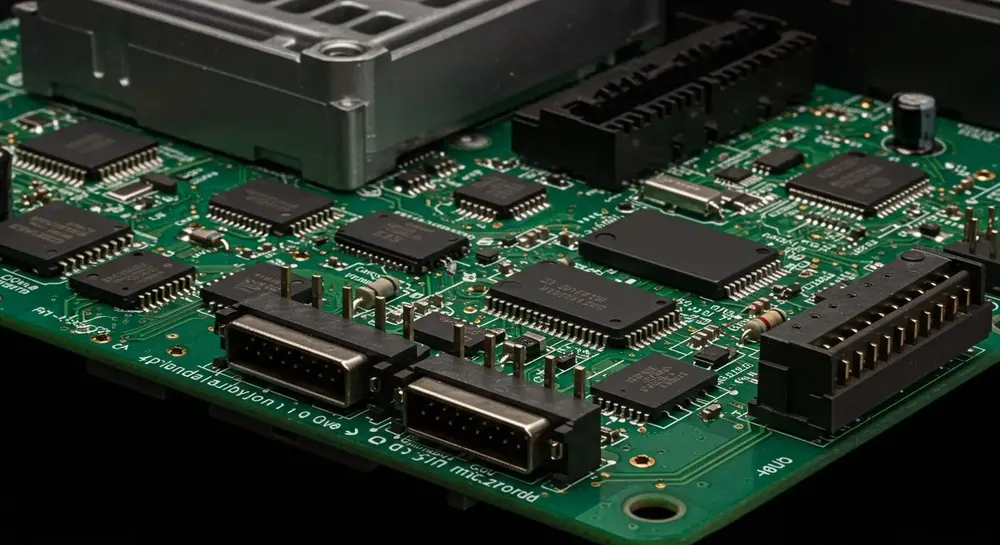
J-Link Is Now Validated by ST for StellarStudio
STMicroelectronics has fully validated SEGGER J-Link for StellarStudio, the IDE for its Stellar automotive MCU family, and put the probe into continuous validation at Le Mans. What that changes for the toolchain review on a Stellar programme, from GSAS, an authorized engineering partner for SEGGER in India.
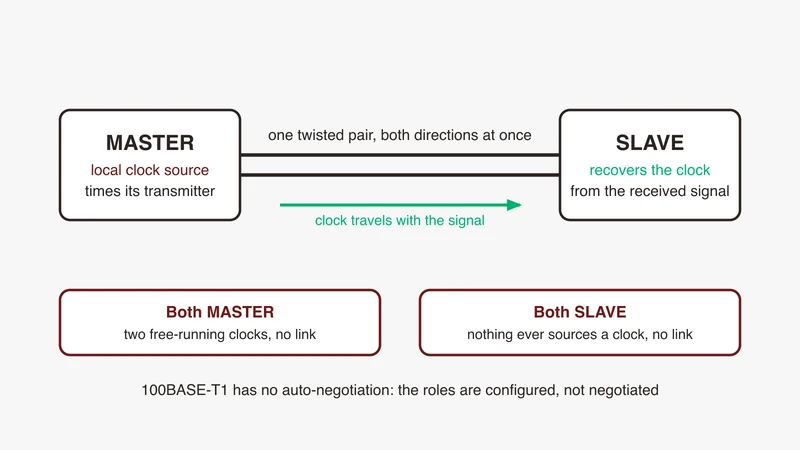
100BASE-T1 Link Won't Come Up: A Vendor-Neutral Checklist
A 100BASE-T1 link that will not come up is almost never a mystery, but the answers on the web are written per silicon vendor and do not transfer. This is the ordered bring-up checklist that holds regardless of which PHY, switch or SoC you have: physical layer first, then the PHY over MDIO, then the master and slave pairing, then the causes of a link that comes up and drops. The standards and tooling claims trace to IEEE 802.3 task force records, the Linux ethtool and kernel documentation or published test material. Written by the GSAS Micro Systems engineering team in India.
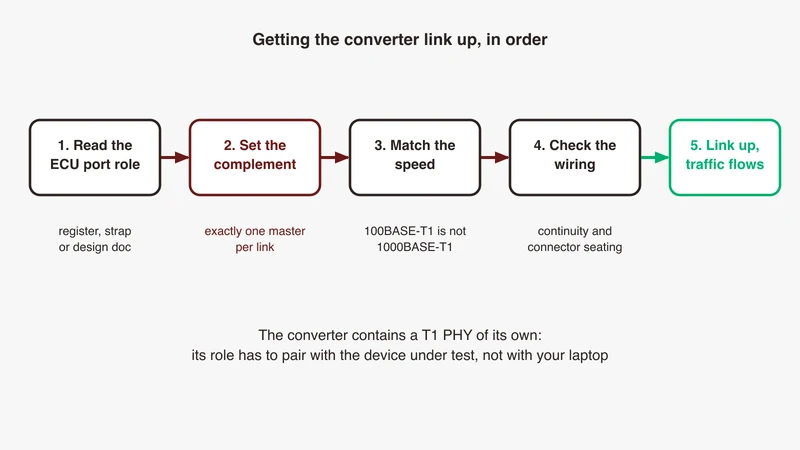
100BASE-T1 Media Converters: How to Choose One
Search for a 100BASE-T1 media converter and you get SKU pages that document their own DIP switches, plus a pile of copper-to-fibre converters that have nothing to do with single-pair automotive Ethernet. This is the selection guide neither publishes: what the box does at the PHY layer, when a converter is the wrong box, and the nine criteria that decide fitness, each written as a question to put to the supplier rather than a specification we invented. Standards claims trace to IEEE 802.3 task force records and the public OPEN Alliance specifications. Written by the GSAS Micro Systems engineering team in India.
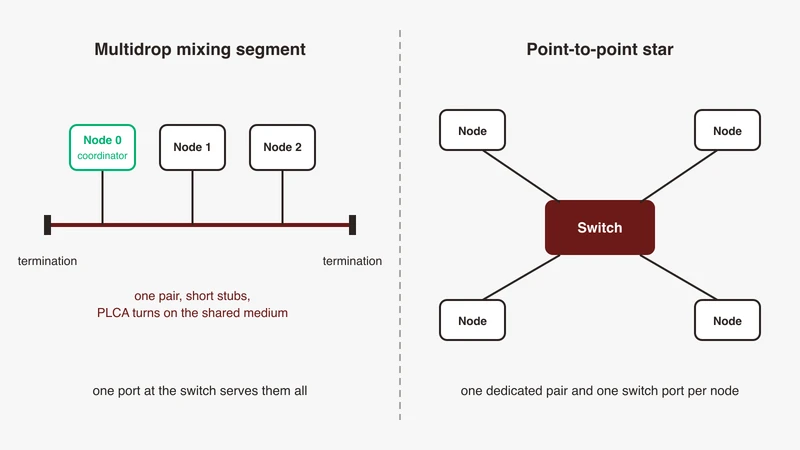
10BASE-T1S and PLCA: Multidrop Ethernet Explained
10BASE-T1S is the one member of the T1 single-pair Ethernet family that keeps a shared medium, and PLCA is the reconciliation sublayer that stops the nodes on it from colliding. This article covers what IEEE 802.3cg standardises, how the beacon and transmit opportunities schedule a cycle, the node count and segment length figures the OPEN Alliance interoperability test suite works to, and the failure modes that put a segment quietly back into contention while every link still looks up. Written by the GSAS Micro Systems engineering team in India for teams bringing up multidrop segments on the bench.
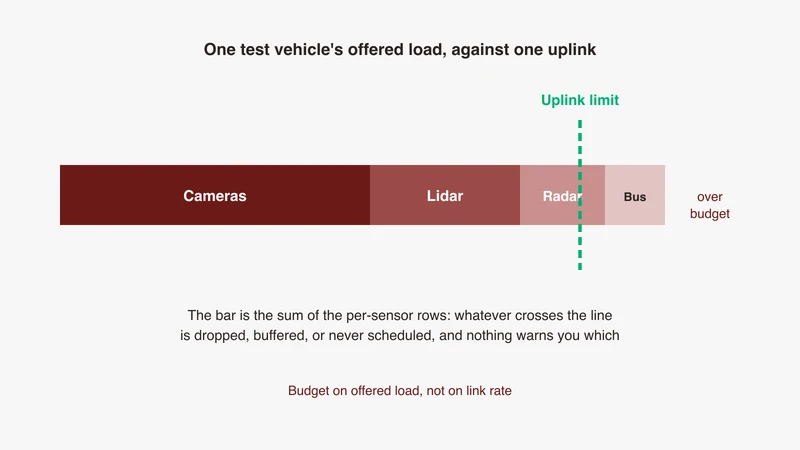
ADAS Sensor Data Logging: Bandwidth Budgets That Add Up
Every page that tells you an ADAS test vehicle produces terabytes a day states the headline and skips the arithmetic, so you cannot redo it for your own sensor set. This article publishes the arithmetic instead: one formula, every table row derived on the page, a worked eight-hour drive that chains those rows into a sustained write rate, a media count and an offload window, and the five places bandwidth budgets go wrong. Written by the GSAS Micro Systems engineering team in India.
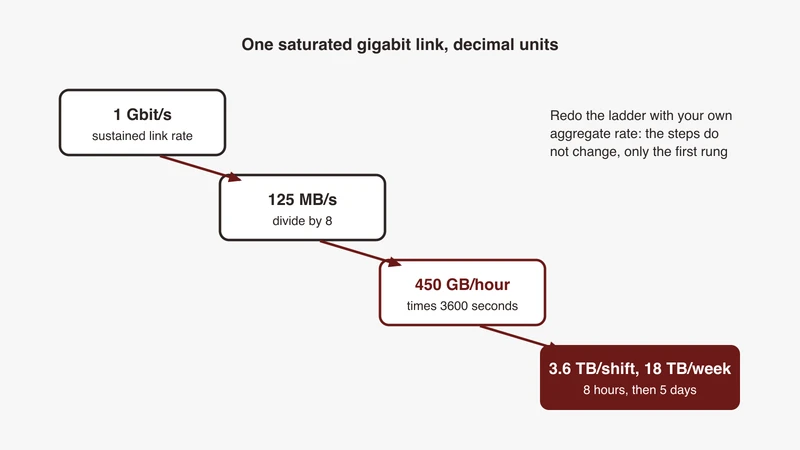
Automotive Data Loggers: Capture Without Loss
Search for an automotive data logger and the results split into cheap OBD dongles at one end and enterprise ADAS recorders at the other, with nothing in between explaining the engineering that decides whether you lose frames. This is the loss budget end to end: mirror oversubscription upstream of the logger, encapsulation overhead on the capture path, sustained write rate against burst rate, rotation stalls, and storage arithmetic worked in full so you can redo it with your own numbers instead of trusting ours. Written by the GSAS Micro Systems engineering team in India.
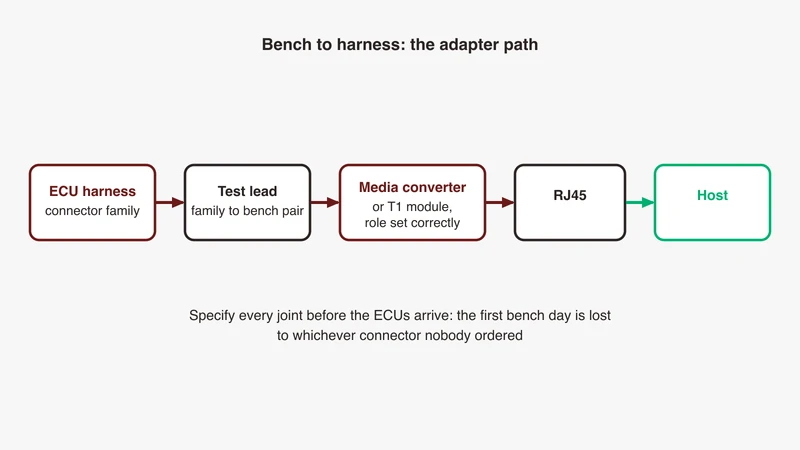
Automotive Ethernet Connectors: H-MTD, MATEnet, MQS
An ECU arrives on the bench with a connector nobody has a mate for, and the day is gone. Search the family names and you get connector product pages that describe their own part and stop there. This article puts the families side by side in one table using only what their public pages state, then makes the point those pages leave out: the IEEE link segment definition, not the connector, is what sets reach and loss limits, and shielding is a channel decision rather than a preference. Written by the GSAS Micro Systems engineering team in India.
Automotive Ethernet Conformance: TC8 and Testing Above It
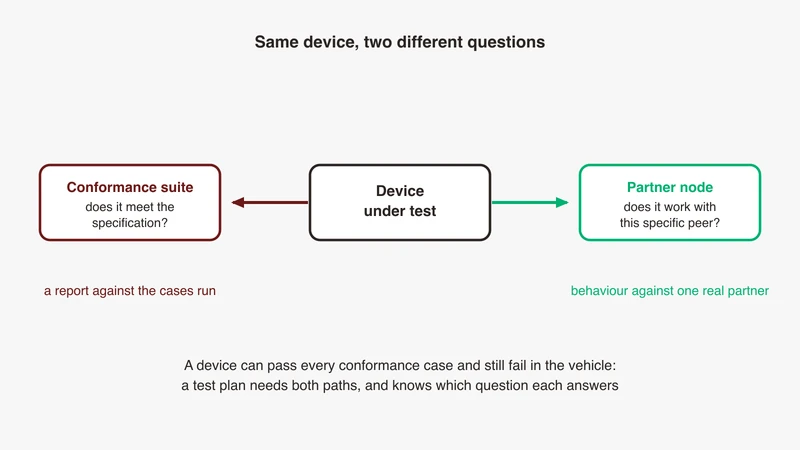
Summarising TC8 as a layer 1 to layer 4 suite is wrong in both directions. The public OPEN Alliance ECU test documents run from transmitter distortion up to a SOME/IP chapter with its own standardised test stub, and they contain exactly one time synchronisation test case. This is what those documents enumerate, chapter by chapter, what genuinely lives above their boundary, why a passing ECU can still fail against a partner node, and how much pre-compliance work a Tier-1 in India can honestly do in-house before a test house visit. Written by the GSAS Micro Systems engineering team in India.
How to Choose an Automotive Ethernet Switch for the Lab
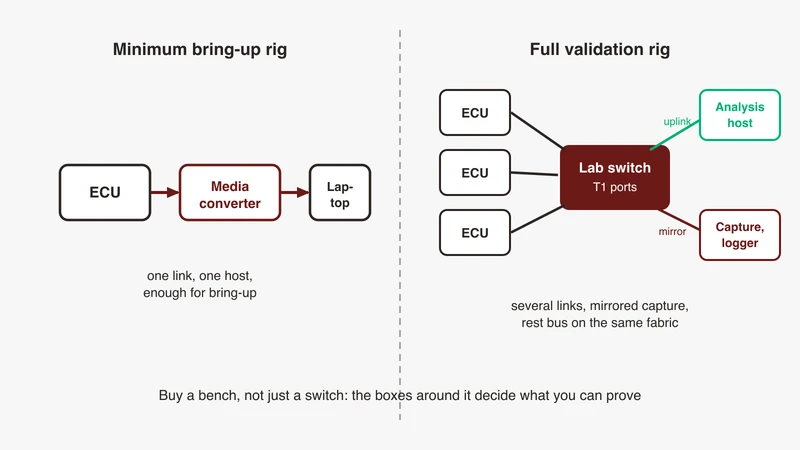
Search for an automotive Ethernet switch and you get silicon selection tables written for the engineer choosing a die for a zonal controller. The person searching from a validation lab wants a boxed switch that reproduces a vehicle network on a bench, and finds nothing addressed to them. This is that guide: how to separate the two products, how to count the ports you actually need, and an eight-row scoring matrix written as questions to put to a supplier rather than specifications we invented. Standards and documentation claims trace to IEEE 802.1 and 802.3, ASAM, AUTOSAR, the IETF and public Linux and Wireshark documentation. Written by the GSAS Micro Systems engineering team in India.
The T1 Family Explained: 10BASE-T1S to Multi-Gig 802.3ch
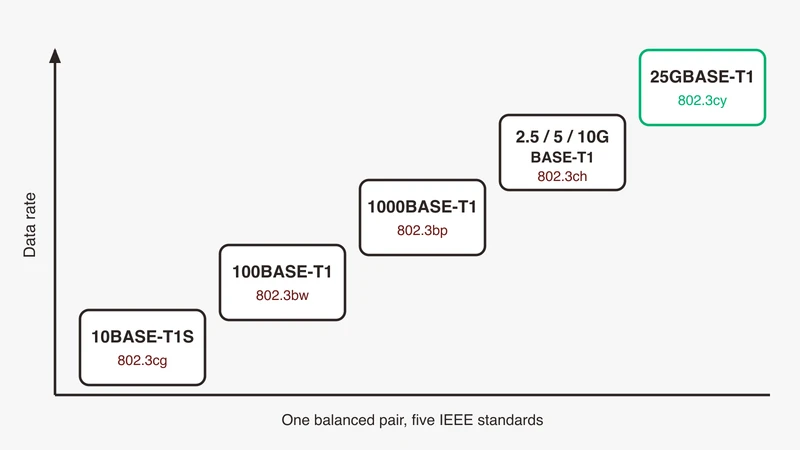
The T1 family is the set of single-pair Ethernet physical layers used in vehicles, and every member is documented separately inside a different datasheet. This guide puts all of them in one table with rate, symbol rate, line code, specified reach and cabling traced to public IEEE task force documents, then answers the two questions that keep coming back: why 100BASE-T1 has no auto-negotiation, and why one end has to be master. Written by the GSAS Micro Systems engineering team in India.
CAN vs Automotive Ethernet: When to Use Each
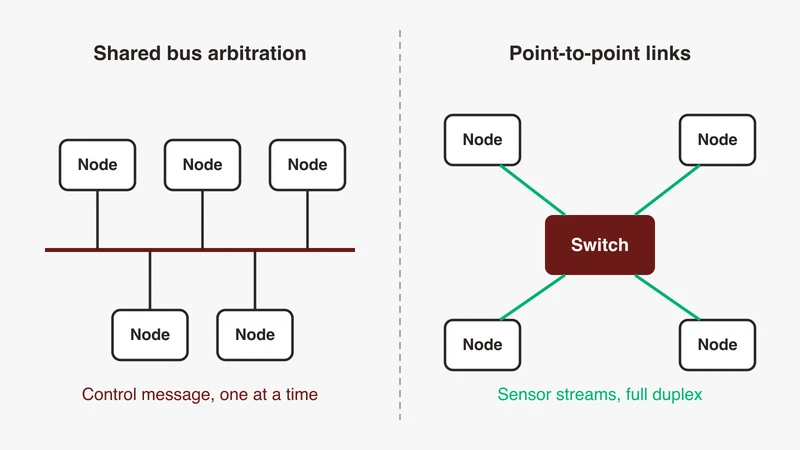
CAN and automotive Ethernet answer different questions, so the useful comparison is a decision table rather than a winner. This guide from GSAS Micro Systems sets CAN and CAN FD figures from CAN in Automation next to the IEEE 802.3bw objectives for 100BASE-T1, covers arbitration against switch queues, cost and harness consequences, failure modes on both sides, and what changes on an India bench team's setup when a project adds Ethernet next to the CAN it already runs.
Buying Automotive Ethernet Test Gear in India
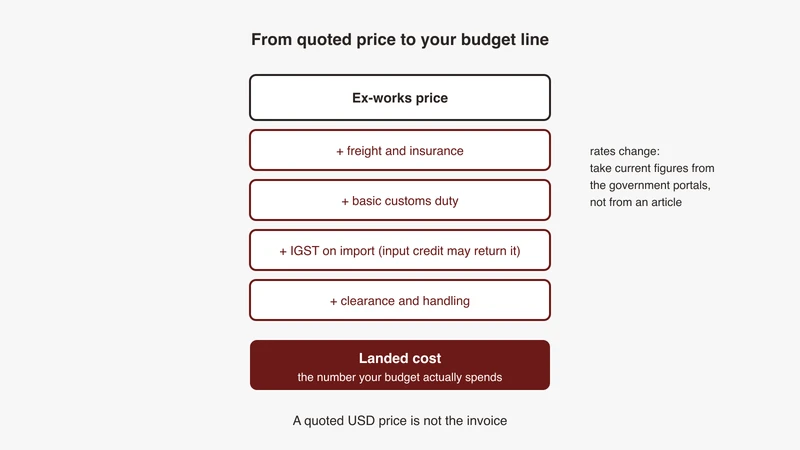
Search for a 100BASE-T1 tap or a T1 to RJ45 media converter from India and the results are fibre media converters and LAN cable testers, none of which are T1, and no forum thread that has been through the purchase. This is the missing page: the capability table for a first bench with a defer-or-borrow column, an honest account of what is stocked here versus imported to order, the parts that make up a landed cost as a structure rather than a number, and the compliance portals your teams will actually use. No prices, no duty rates and no lead-time bands, because all three change and none of them belong in an article. Written by the GSAS Micro Systems engineering team in India.
Ready to Build Your Automotive & Mobility Toolchain?
Our application engineers have deep domain experience in Automotive & Mobility. From tool selection to compliance consulting to production deployment, one ecosystem.