
First silicon
BSP and board bring-up
From silicon evaluation to production-ready board support.
- Clock tree, memory controller and peripheral initialisation
- Driver integration for custom boards
- Arm Cortex-M, Cortex-A, Cortex-R and RISC-V targets
Capabilities · Embedded Software
Board bring-up, RTOS and Linux integration, AUTOSAR Classic and Adaptive, edge AI, bootloaders and compiler migration on Arm Cortex-M, Cortex-A, Cortex-R and RISC-V, written in India by engineers who also design the boards it runs on.
Organised by what a programme needs done. Each card lights the layer of the firmware stack it works on, from the silicon up to the application.
From silicon evaluation to production-ready board support.
Thread architecture and deterministic scheduling on RTX5, embOS, FreeRTOS, Zephyr and ThreadX.
U-Boot, kernel and device tree for your board, built with Yocto or Buildroot.
BSW configuration and RTE generation for deeply embedded ECUs and high-performance compute nodes.
Trained models running on resource-constrained MCUs and MPUs.
Field updates that can fail safely and roll back.
Moving firmware from IAR or GCC to the Arm Compiler and Keil MDK, with equivalence shown.
Silicon we work with
Arm Cortex · RISC-V · multi-core
Every engagement runs the same four stages on the tool chain GSAS supplies, so the evidence your reviewers ask for is produced along the way. Hover a stage to find it on the line.
01
A board that boots and talks
02
One build, every layer in place
03
Evidence, not assertions
04
Firmware your team can own
Related: RTOS development · Security engineering · Hardware and PCB · Functional safety
GSAS engineers use the same Arm, SEGGER, Perforce, Razorcat and Solid Sands tools they supply, and design the boards the firmware runs on.
 Authorized Arm development tools engineering partner For India, the UAE and Sri Lanka: Keil MDK, Arm Development Studio, ULINK and DSTREAM, with application engineering and workshops.
 Authorized SEGGER engineering partner in India Listed on SEGGER’s website: J-Link, J-Trace, Flasher, Embedded Studio, SystemView, embOS and the em* middleware.
Tool chain, available from GSAS in India
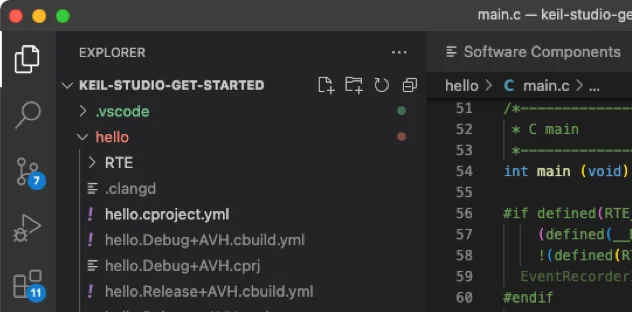 Arm Keil MDK Cortex-M IDE with CMSIS and RTOS-aware debug
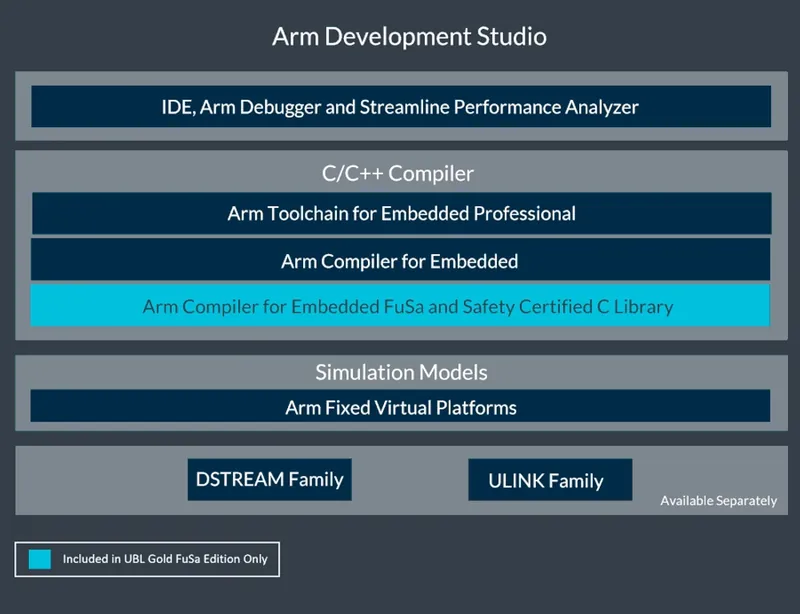 Arm Arm Development Studio Cortex-A/R and multi-core debug
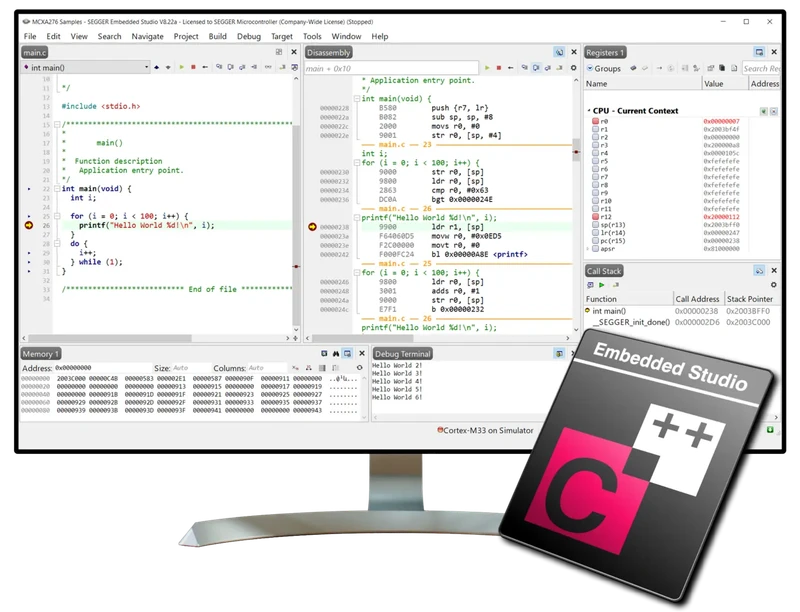 SEGGER Embedded Studio Cross-platform IDE with SEGGER tools
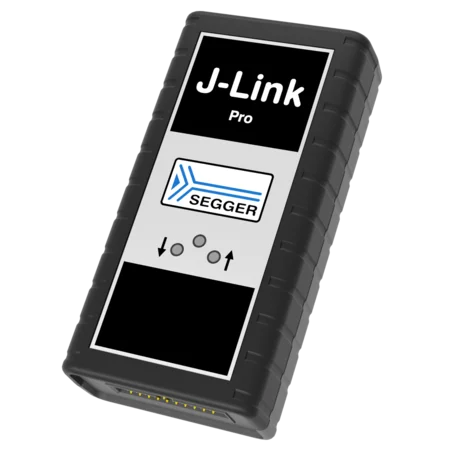 SEGGER J-Link PRO Debug probe for Arm and RISC-V
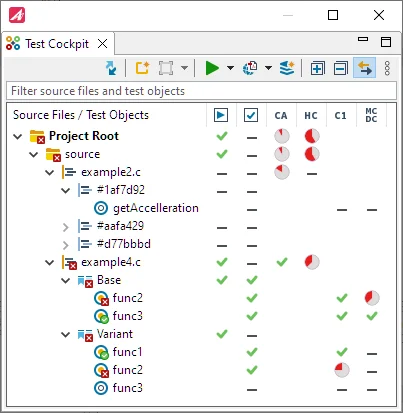 Razorcat TESSY Unit and integration testing for C/C++
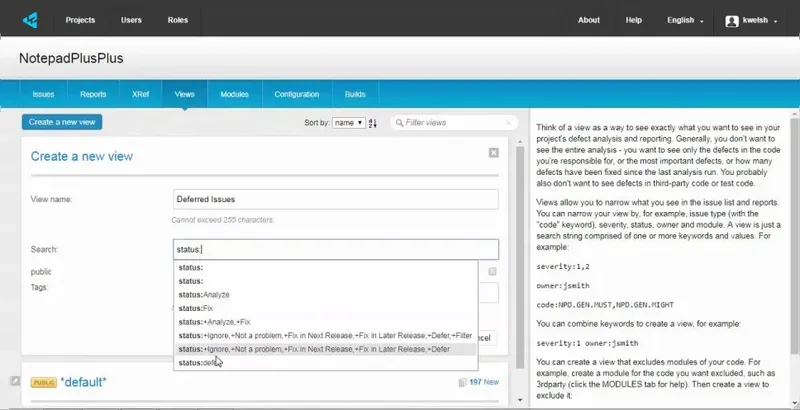 Perforce Klocwork Static analysis with MISRA and CERT
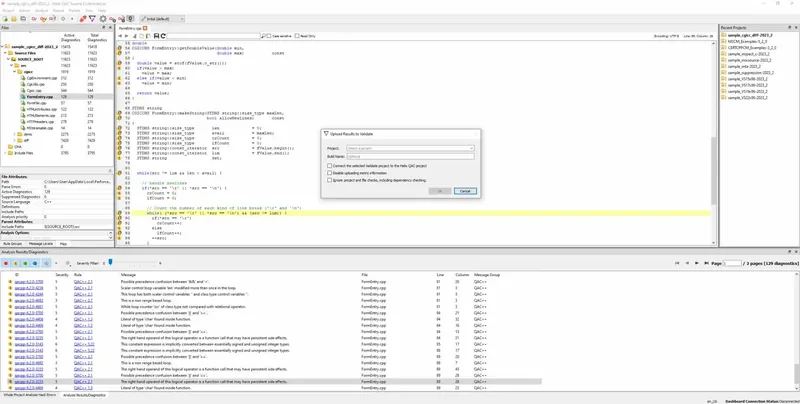 Perforce Perforce QAC MISRA C/C++ checking for the migration re-check
 Solid Sands SuperTest Compiler validation for a migration or qualification
Hand GSAS the firmware, buy the tool chain your own team needs, or have your engineers trained on it. Many teams do all three.
01
Scoped to your board and deadline
Tell us the silicon, the operating system and the milestone. GSAS engineers bring up the board, integrate the stack and hand back verified firmware your team can build and own.
02
Arm, SEGGER, Perforce, Razorcat, Solid Sands
The compilers, probes, unit-test and static-analysis tools on this page are available from GSAS in India, with INR quotes, GST invoices and application engineers who use them on real projects.
03
Workshops on your hardware
Hands-on sessions for your engineers on the tool chain, RTOS and debug workflow, run on your own boards so the lessons carry straight into the product.
Tell us the processor, the operating system and the milestone. GSAS replies from Bengaluru with scope and a proposal: bring-up, integration, verification and the tool chain to keep it going.
BSP and board bring-up, RTOS integration, embedded Linux BSPs and drivers, AUTOSAR Classic and Adaptive configuration, edge AI model deployment, bootloaders and OTA updates, and compiler migration from IAR or GCC to the Arm Compiler and Keil MDK.
The Arm Cortex-M, Cortex-A and Cortex-R families, RISC-V (RV32 and RV64), multi-core AMP and SMP designs and legacy ARM9 platforms, on silicon from NXP, STMicroelectronics, Renesas, Infineon, TI, Microchip and Nordic.
Yes. GSAS translates keywords, pragmas and intrinsics, converts IAR .icf and GCC .ld linker files to Arm scatter-loading, migrates the C library, integrates the new build into CI and shows functional equivalence with a MISRA re-check.
RTX5, SEGGER embOS, FreeRTOS, Zephyr and ThreadX for real-time work, and embedded Linux built with Yocto or Buildroot for Cortex-A targets.
Yes. GSAS is the authorized Arm development tools engineering partner for India, the UAE and Sri Lanka. It is also an authorized SEGGER engineering partner in India, and it supplies Perforce, Razorcat and Solid Sands tools, with INR quotes and GST invoices.
In India. Engineering is led from Bengaluru, and GSAS has 11 offices in nine Indian cities, including Hyderabad, Chennai, Pune, Mumbai and Delhi NCR. GSAS is ISO 9001:2015 certified by TÜV Rheinland.
Blog
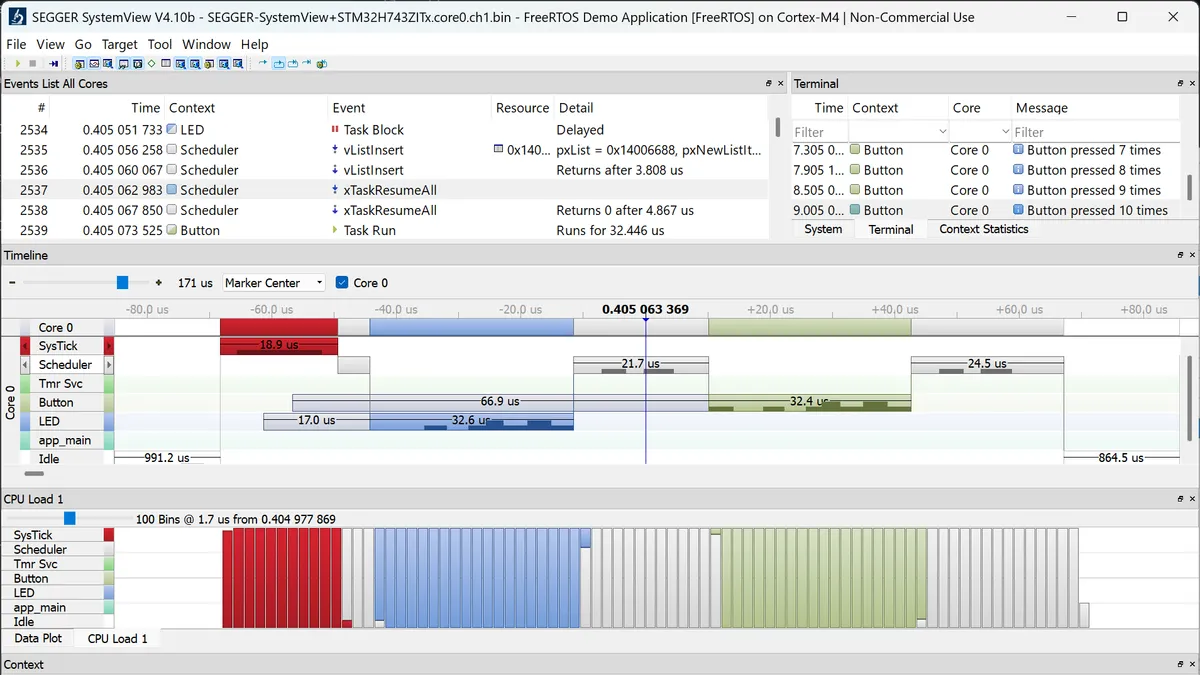
SEGGER tools now plug into the CMSIS workflow in Keil Studio for VS Code: the Arm CMSIS Debugger connects to J-Link, SEGGER RTT and SystemView are available as CMSIS software packs, and pyOCD reads RTT on multi-core targets, including to files for hardware-in-the-loop tests. GSAS is demonstrating the workflow at embedded world India 2026, Stand D4, BIEC Bengaluru, 17 to 19 November.
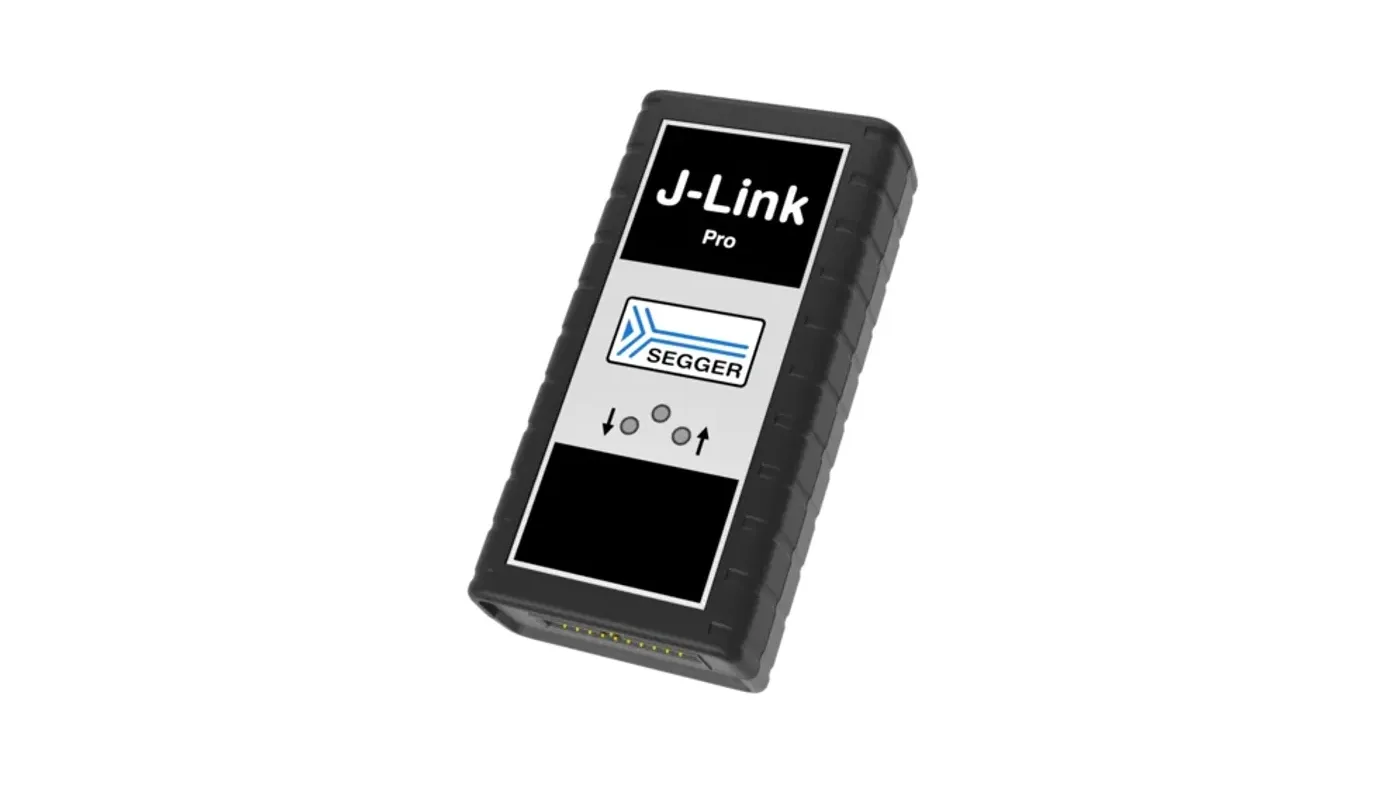
A probe that is right for a Cortex-M body controller is the wrong tool for a multicore TriCore powertrain ECU. This guide walks Indian automotive Tier-1 teams through choosing a debug and trace setup by architecture: Cortex-M, Cortex-R and Cortex-A, TriCore, RH850 and RISC-V, and by the question each programme actually needs trace to answer.
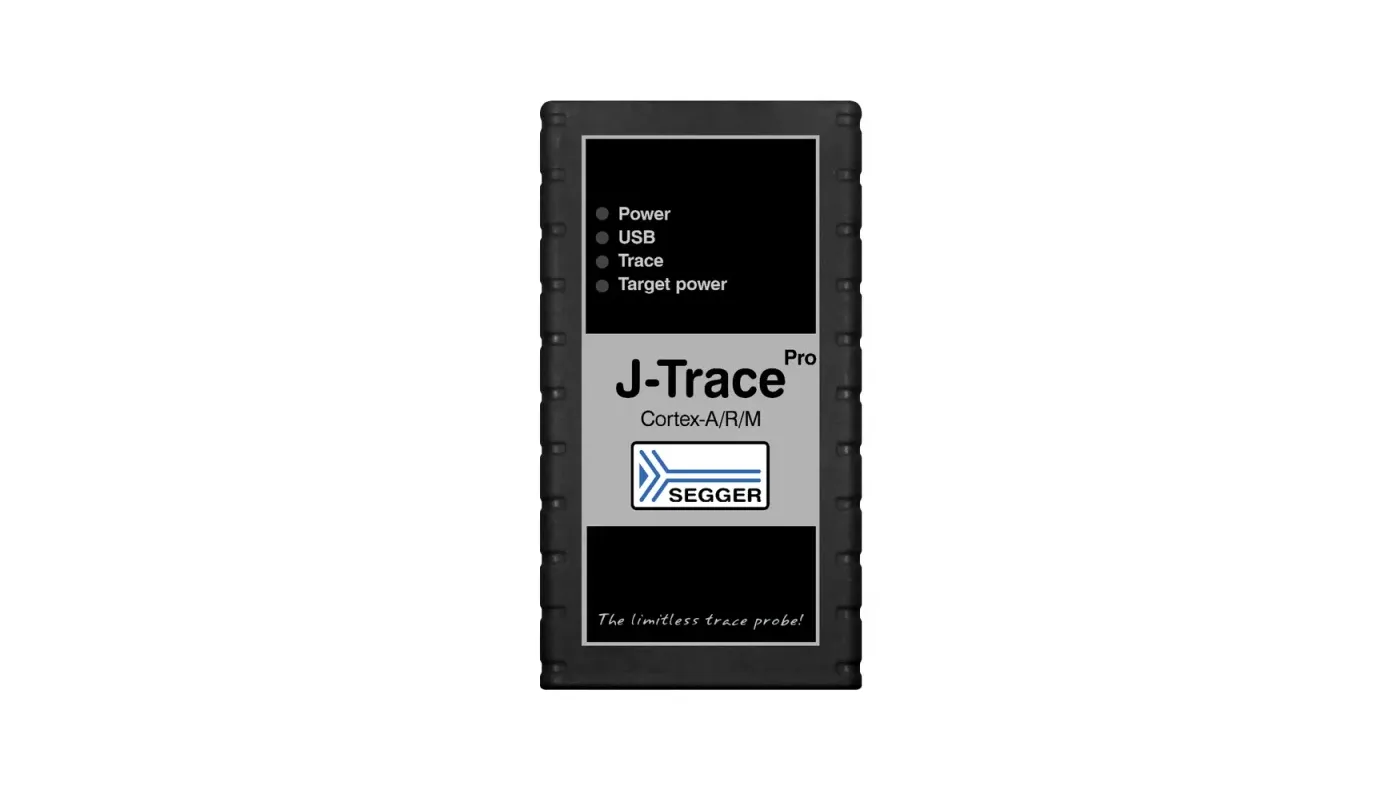
Halting one core of a multicore safety microcontroller while the others keep running changes the system you are trying to debug. This guide explains lockstep, cross-triggering and synchronous halt on Infineon AURIX, Renesas RH850 and Arm Cortex-R52, from public silicon-vendor documentation, for automotive teams in India.
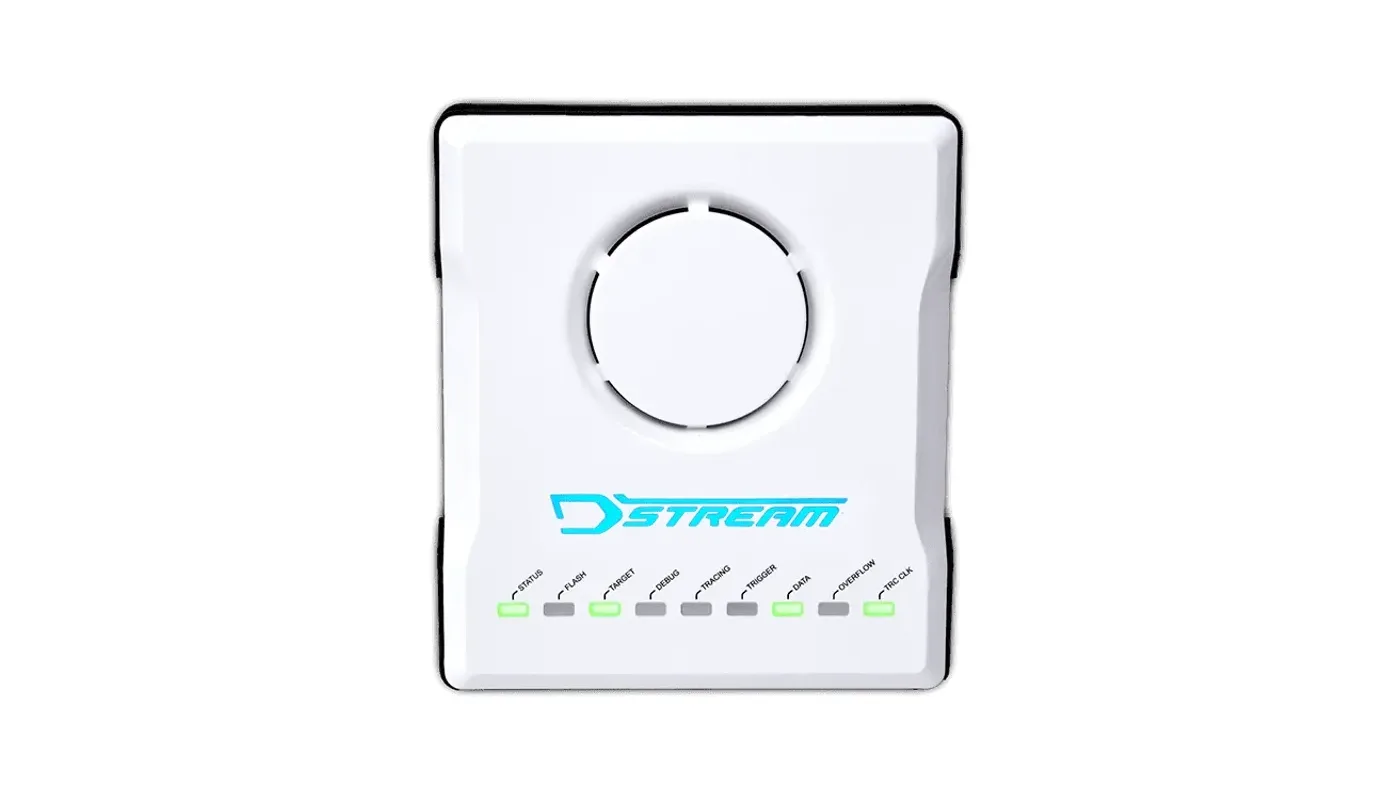
A safety ECU cannot be paused to see what it is doing, and production silicon often ships with debug locked and no trace connector. This guide ranks the debug techniques available on production parts by how much they disturb the target, explains debug authentication and emulation devices, and shows Indian ECU teams how to plan observability before the hardware freezes.
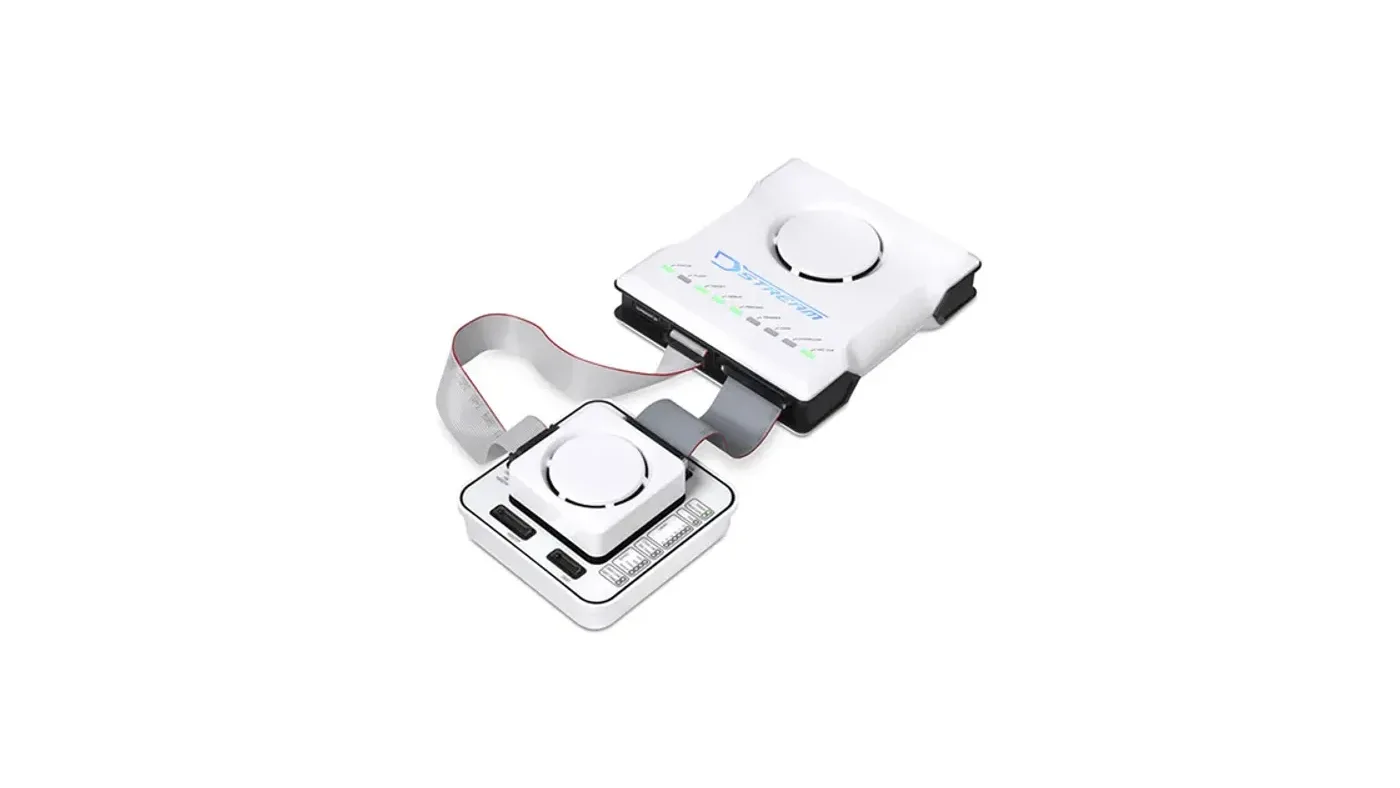
Instruction trace is only useful if it can leave the chip. This explainer compares the three routes embedded teams in India actually have: a parallel trace port fed by the ETM, a high-speed serial trace port, and on-chip trace buffers, with a decision table for picking one before the board design freezes.
Hardware trace can measure structural coverage on the target without adding instrumentation to the build. This guide explains what trace-based coverage measures, how object code coverage relates to the source-level metrics ISO 26262 and DO-178C discuss, where it fits next to instrumented unit test coverage, and what a reviewer will ask about it. Written for Indian automotive and aerospace verification teams.