
Test & Measurement
Test, Measurement & Production Automation
From bench to factory floor, automated test stations, flash programming, power profiling, protocol analysis, and oscilloscope integration for India's production lines.
What We Measure
Test and Measurement Services in India
Six measurement disciplines backed by the instruments we supply. Every tool listed here is deployed in our own engineering lab and on customer production lines.
Automated Test Stations
GSAS designs and deploys production test stations that automate repetitive measurement, programming, and validation tasks on the factory floor. We integrate instruments via SCPI, VISA, and vendor APIs, build custom test sequencers, and deliver turnkey stations with operator interfaces, pass/fail logging, and traceability. From incoming inspection to final test, every station is designed for throughput and reliability.
- Custom test sequencer development
- SCPI/VISA instrument control and automation
- Operator UI with pass/fail and barcode logging
- Data logging, SPC, and traceability integration
- Fixture design consultation and DFT review
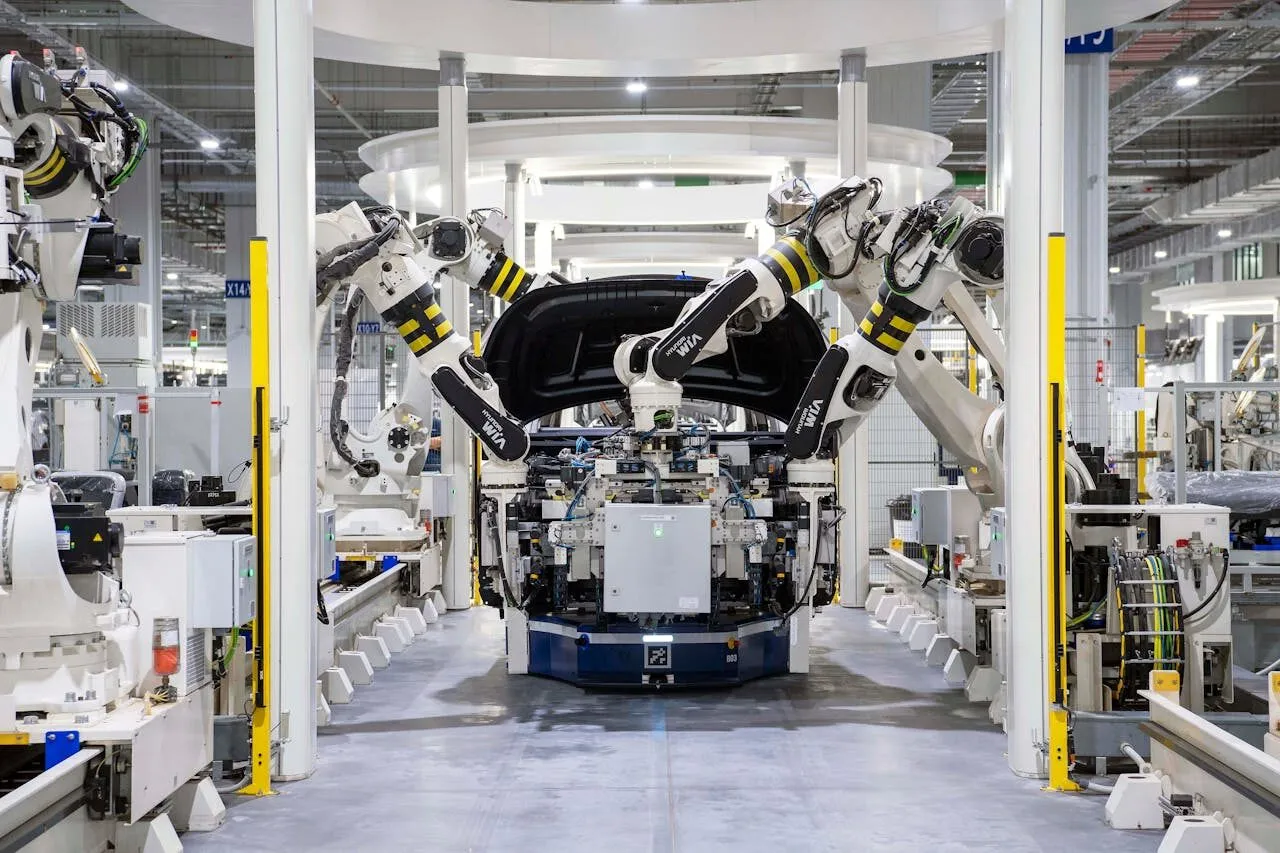
Flash Programming: SEGGER Flasher, ProMik, Xeltek
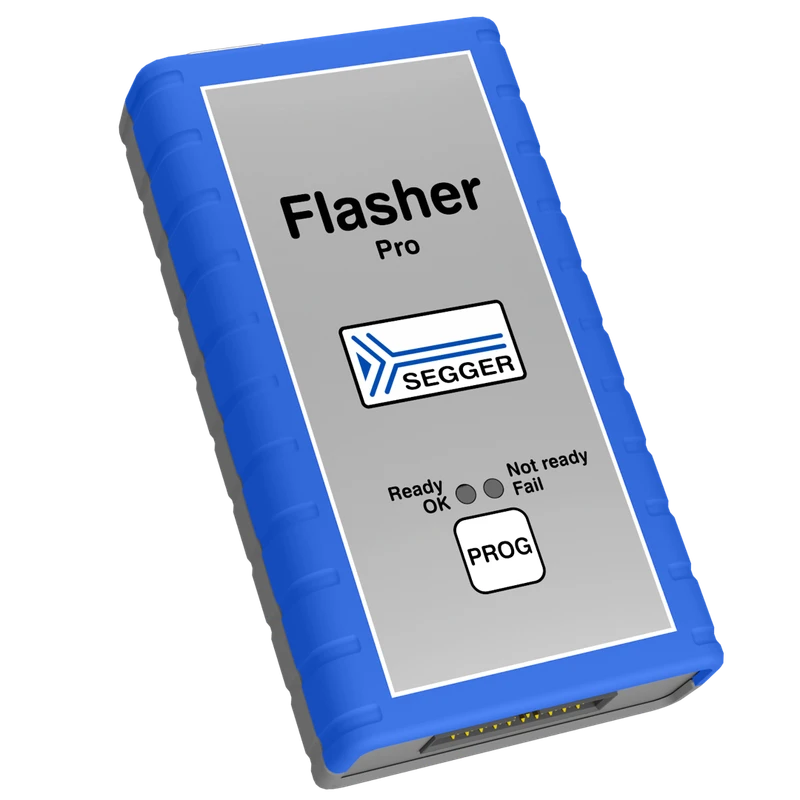
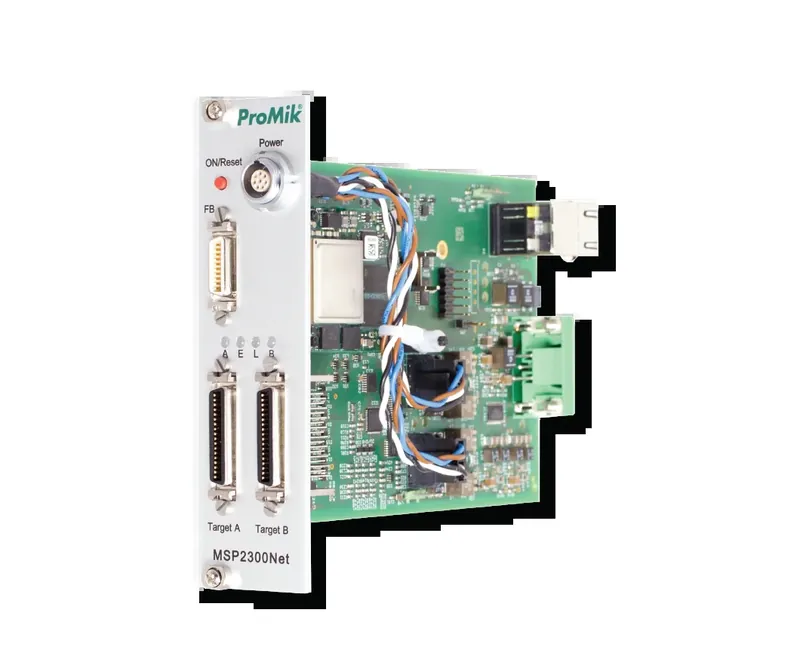
Production flash programming at scale requires speed, reliability, and traceability. GSAS deploys SEGGER Flasher (in-system J-Flash), ProMik MSP2300Net (multi-site gang programming), and Xeltek SuperPro (universal socket programmers) for high-volume manufacturing. We handle flash algorithm development, programming sequence optimisation, and integration with MES systems.
- SEGGER Flasher standalone and in-line programming
- ProMik MSP2300Net multi-site gang programming
- Xeltek SuperPro universal socket programming
- Custom flash algorithm development
- MES integration and serial number injection
Power Profiling and Energy Analysis
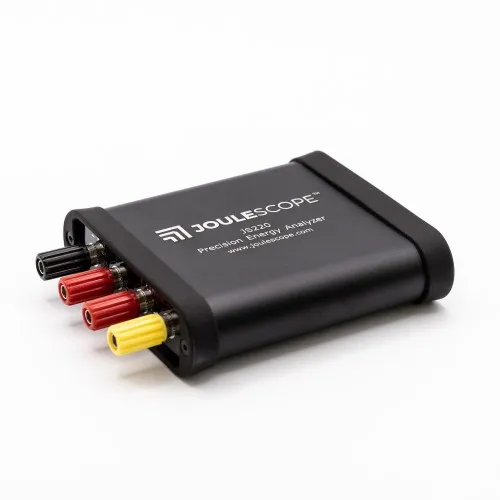
Battery life and energy efficiency are critical design constraints for IoT, wearable, and edge devices. GSAS uses the Joulescope JS220 for DC energy measurement with nanosecond resolution, and PicoScope oscilloscopes for correlating power events with firmware execution. We profile sleep/wake transitions, quantify peripheral current consumption, and optimise firmware for minimum energy per operation.
- Joulescope JS220 DC energy measurement and profiling
- Sleep/wake current profiling with nanosecond resolution
- Firmware energy optimisation and power mode tuning
- Battery life estimation and validation testing
- Power delivery network (PDN) analysis
Power Electronics Testing: Regenerative DC, Battery Simulation and Loads
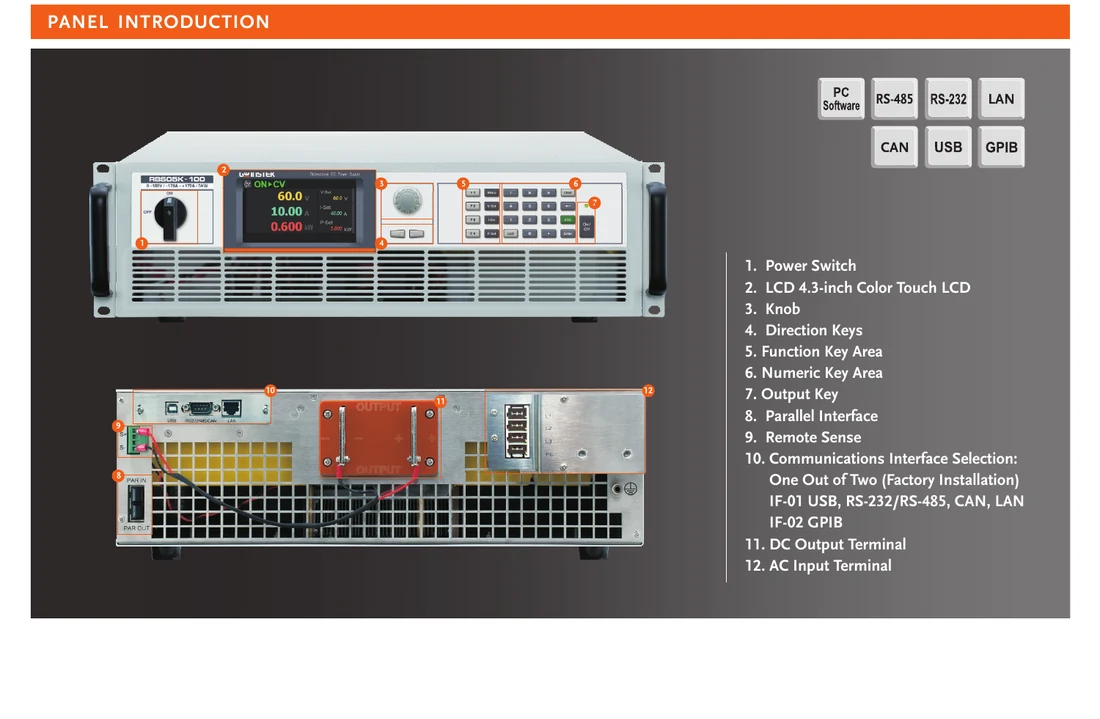
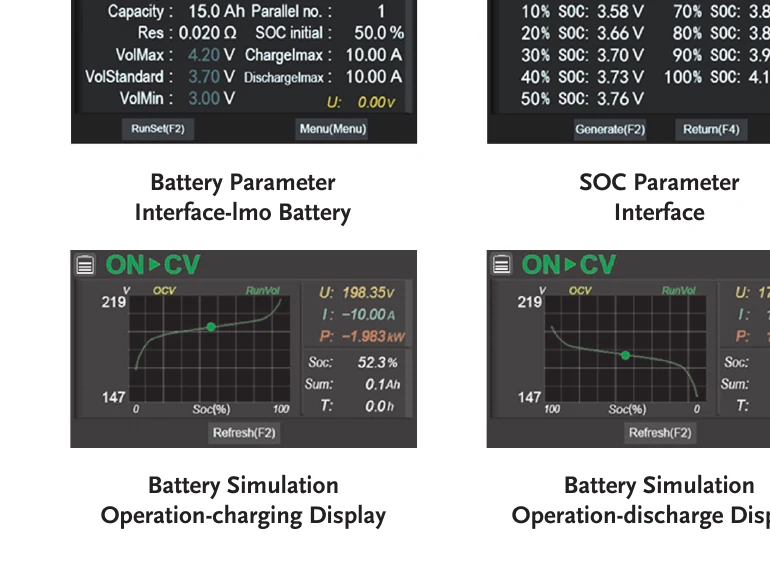
For EV, energy-storage, PV-inverter and motor-drive programmes, GSAS builds benches around regenerative bidirectional DC sources that source and sink from one chassis and return absorbed energy to the facility supply instead of dissipating it as heat. The envelopes we support run 5 kW to 30 kW per 3U chassis across voltage classes from 100 V to 2250 V, to plus-minus 510 A per unit and 300 kW in master-slave parallel, alongside dissipative AC/DC electronic loads to 540 kW three-phase where burst modes or rectifier loading are the right tool. An engagement covers matching the voltage and current envelope to the device under test, confirming per-model functions such as battery emulation across eight chemistries and solar array simulation, configuring parallel systems, and integrating the bench into SCPI automation, with installation and calibration handled locally.
- Regenerative bidirectional DC sourcing: 5 kW to 30 kW per 3U, 100 V to 2250 V classes
- Battery emulation (8 chemistries) for BMS validation without a physical pack
- Solar array simulation for PV inverter MPPT work (EN50530, Sandia profiles)
- Motor-drive DC bus benches that absorb regenerative braking energy
- Master-slave parallel configuration to 300 kW with local installation and calibration
RBS Series regenerative bidirectional DC source specifications and pricing · How to choose a regenerative bidirectional DC power supply
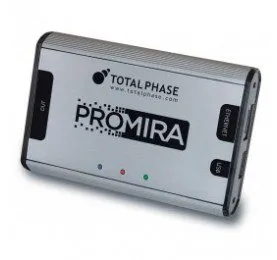
Protocol Analysis: Total Phase Beagle and Promira
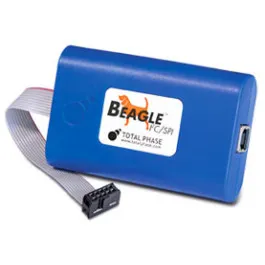
Debugging communication protocols requires visibility into what is actually on the wire. GSAS deploys Total Phase Beagle protocol analyzers for non-intrusive I2C, SPI, and USB monitoring, and the Promira Serial Platform for active protocol exercising and testing. We capture, decode, and diagnose protocol-level issues that oscilloscopes cannot resolve.
- Beagle I2C/SPI protocol analysis and capture
- Beagle USB 480/5000 for USB 2.0 and 3.0 analysis
- Promira platform for active I2C/SPI host/client testing
- Protocol conformance testing and timing validation
- Custom protocol decode and analysis scripting
Oscilloscope Integration: GW Instek and Pico Technology
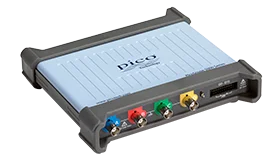
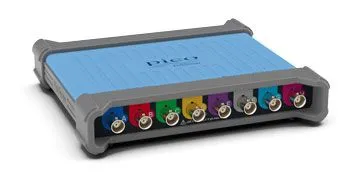
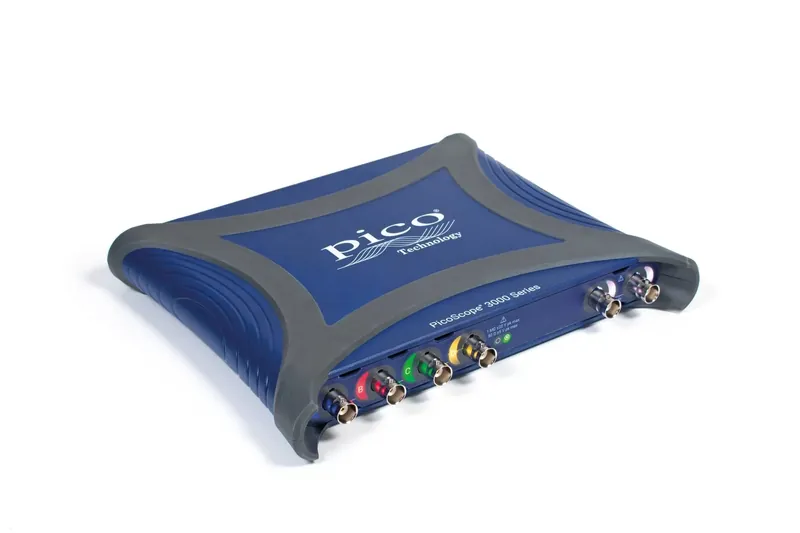
Oscilloscopes remain the backbone of embedded hardware validation. GSAS integrates GW Instek benchtop oscilloscopes and Pico Technology USB-based PicoScopes into automated test workflows. We configure remote control via SCPI, build automated measurement scripts, and deploy oscilloscope-based test stations that capture waveforms, measure timing, and verify signal integrity without manual intervention.
- GW Instek DSO and MSO series deployment and SCPI control
- PicoScope USB oscilloscopes for portable and automated use
- Automated waveform capture and parametric measurement
- Signal integrity validation (rise/fall, overshoot, jitter)
- Integration with test sequencers and data logging
Production Test Workflows
A test station is only as good as the workflow around it. GSAS designs end-to-end production test workflows covering incoming component inspection, in-circuit test (ICT) integration, functional test, programming, calibration, and final acceptance. We document test procedures, train operators, and establish yield tracking and failure analysis processes.
- End-to-end production test workflow design
- Test procedure documentation and operator training
- Yield tracking, SPC, and failure analysis processes
- First Article Inspection (FAI) support
- Test coverage analysis and gap remediation
Need help with test and measurement?
Our engineers specialize in automated test stations, flash programming, power profiling, and production measurement integration.
Toolchain
Instruments We Deploy and Support
We do not just sell instruments, we integrate them into production workflows. Every tool here is available with application engineering support from GSAS in India.







Blog
Test and Measurement Insights
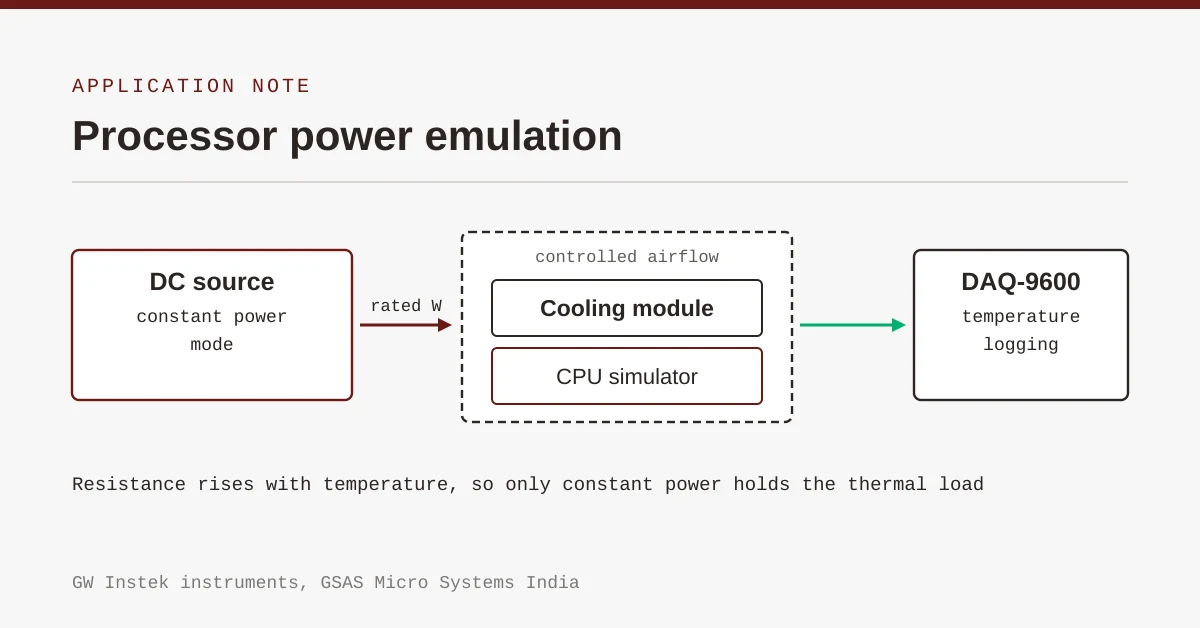
Emulating Processor Power for Thermal Testing: Why Constant Power
A heat sink or a cold plate is qualified against a watt figure, not a volt figure. This application note explains why a thermal load is driven in constant-power mode, how the bench is built for air and for liquid cooling, and what to confirm before you buy.
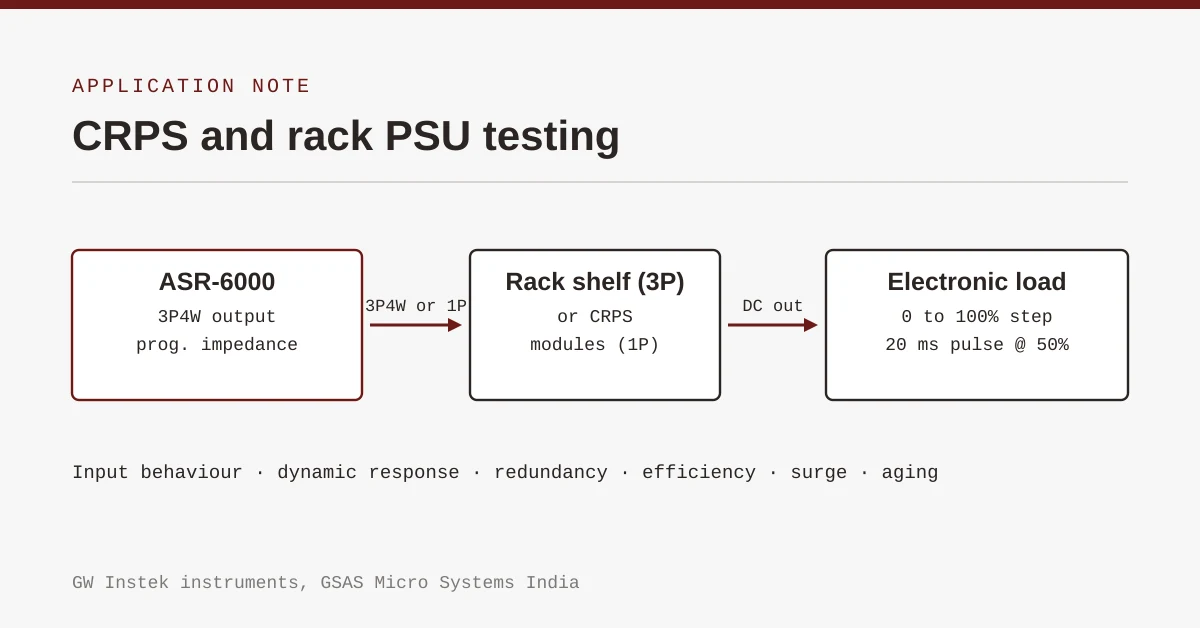
CRPS and Rack Power Supply Testing: The Six Tests That Matter
A CRPS module has to hold up under an unbalanced grid, a 0 to 100 percent load step, a surge on the line and a redundancy handover. This application note sets out the six tests, and the one source capability that makes a long feeder reproducible on the bench.
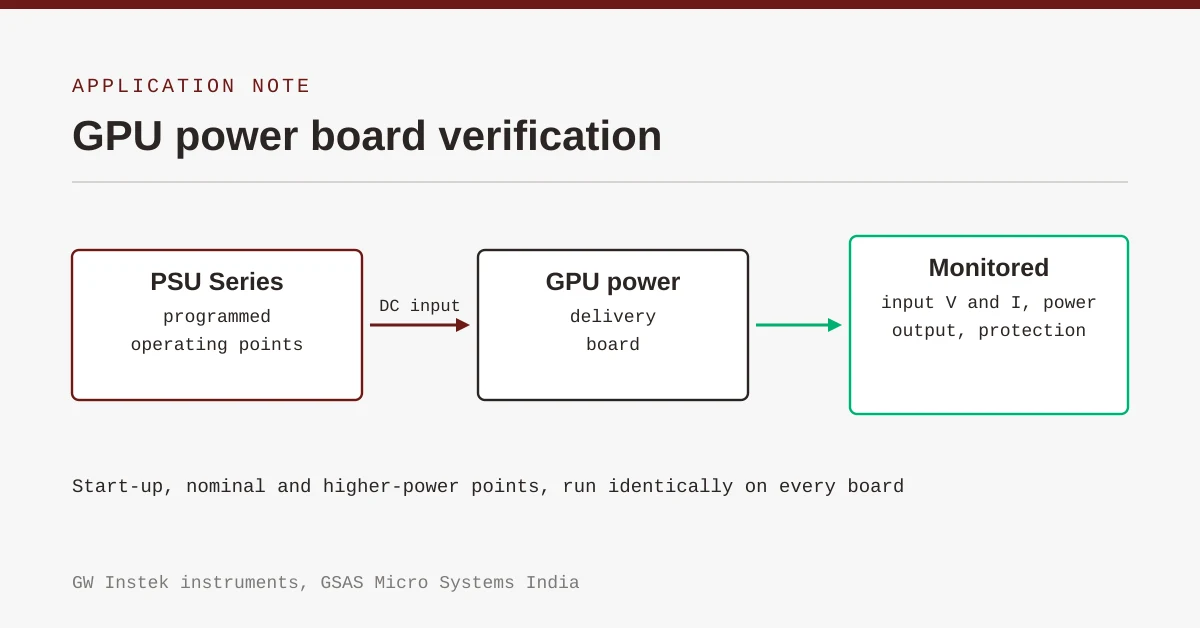
GPU Power Board Testing: DC Input Verification Before Integration
A GPU power delivery board is cheap to reject on a bench and expensive to find in an assembled server. This application note covers the programmable DC input test that screens the board, and the same test applied to incoming server systems.
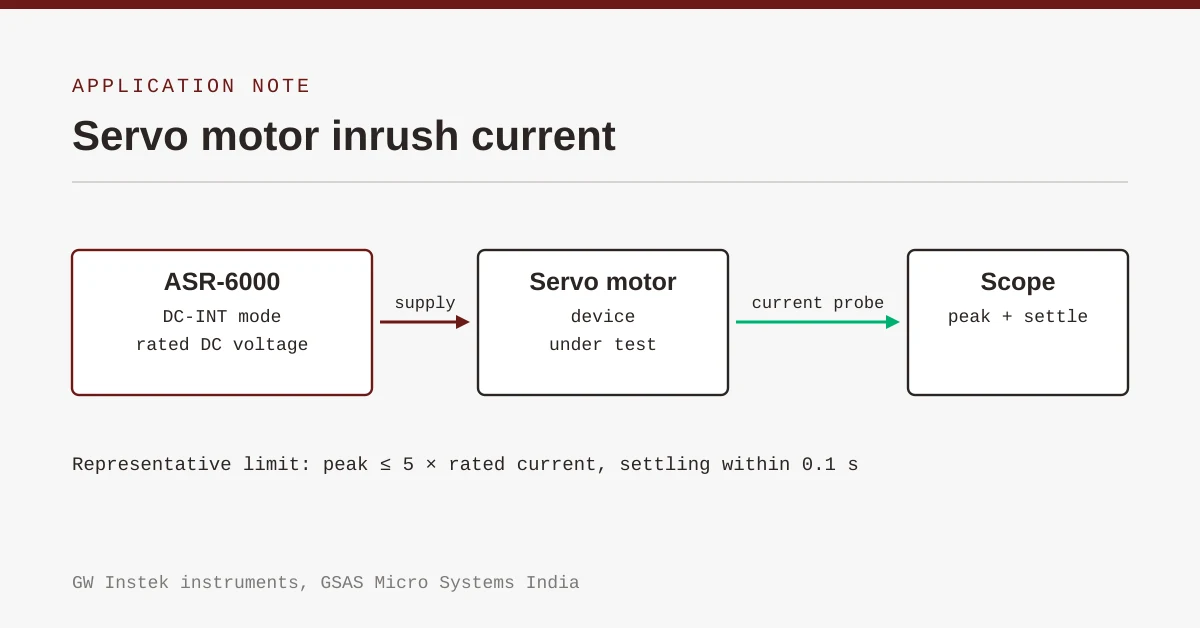
Servo Motor Inrush Current Testing: Method, Limits and Bench
A servo motor draws a large current spike at power-on. This application note sets out how that inrush is measured against a stated acceptance limit, what the DC source has to do, and where the measurement usually goes wrong.
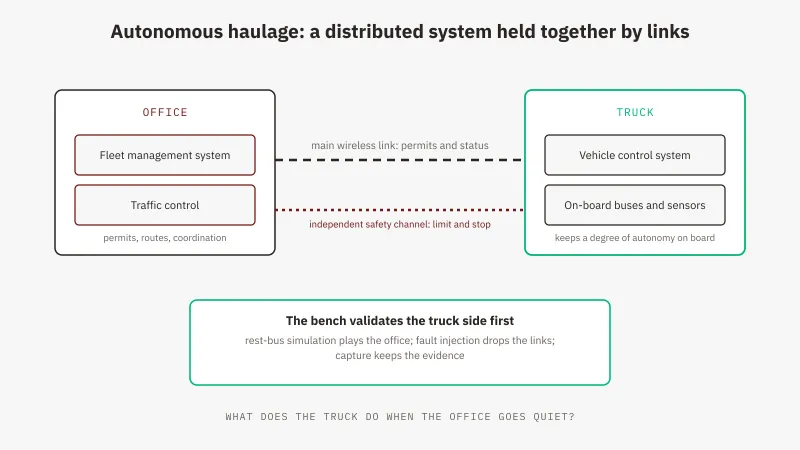
Autonomous Haulage Is a Network Problem Too
Autonomy coverage fixates on perception. The engineers who deployed an autonomous haulage system describe something else: office software, truck software, and a wireless link whose performance decides how much centralisation the design can afford.
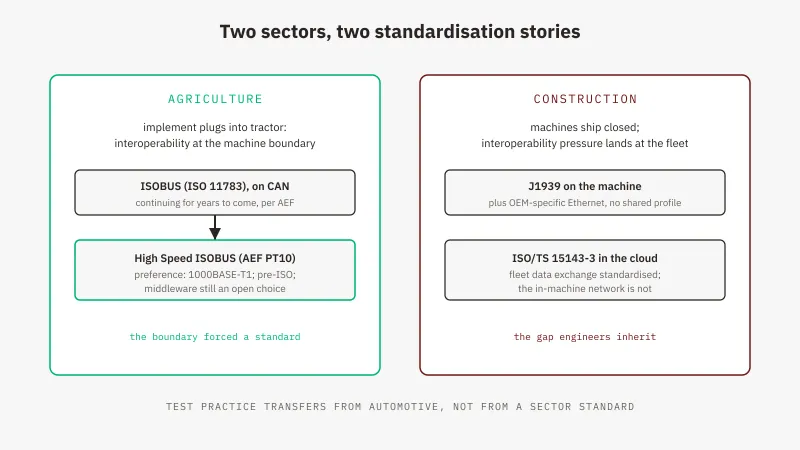
High Speed ISOBUS Prefers 1000BASE-T1. Now What?
Agriculture is converging on an Ethernet future, with one preferred physical layer, because an implement from one maker has to plug into a tractor from another. Construction never had that forcing function, and the standard it does not have is a working condition.
Need a Production Test Solution?
Whether you need an automated test station, a flash programming line, power profiling, or protocol analysis, our engineers design, build, and deploy measurement solutions across India.