Industries · Drones & Unmanned Systems

Flight controllers, payloads and power, engineered and verified in India.

Flight controller firmware, on-board vision and edge AI, verification evidence for DO-178C and STANAG 4671 paths, and ESC, motor drive and power validation for unmanned systems. Engineering led from Bengaluru.

  1. 02 What we engineer
  2. 05 Tools and standards
  3. 07 How to start
01

Flight Software and Its Evidence.

Flight controller firmware, payload and edge AI engineering, and the verification evidence DO-178C, STANAG 4671 and the Drone Rules type certification path ask for.

Drone software sits where real-time control, communication and autonomy meet. The flight controller has to hold deterministic timing for its stabilisation loops while the payload fuses sensors, processes images and streams data. Communication stacks for beyond-visual-line-of-sight (BVLOS) operations need fail-safe behaviour when the link drops, and ground control software has to handle telemetry without losing or misreading it. GSAS engineers that software and the hardware tests around it, and produces the verification evidence as the code is written.

Certification paths

In India, the Drone Rules, 2021 set out a type certification process, with DGCA as the regulator. Defence programmes for larger fixed-wing UAVs may work to STANAG 4671 airworthiness requirements, and export programmes to DO-178C. Each path asks for evidence about how the software was built and verified. GSAS produces that evidence: coding-standard enforcement, unit tests with coverage, bench test records and tool documentation. The certificate and the approval stay with the manufacturer and the authority.

The toolchain behind the work

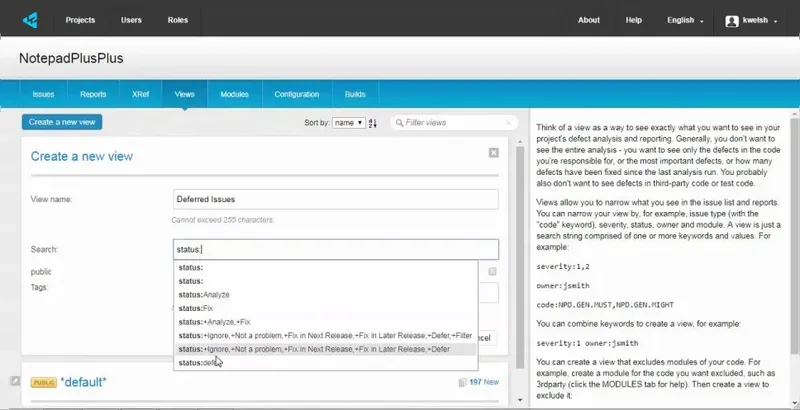
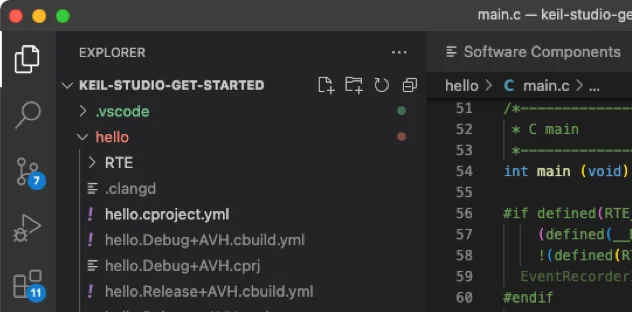
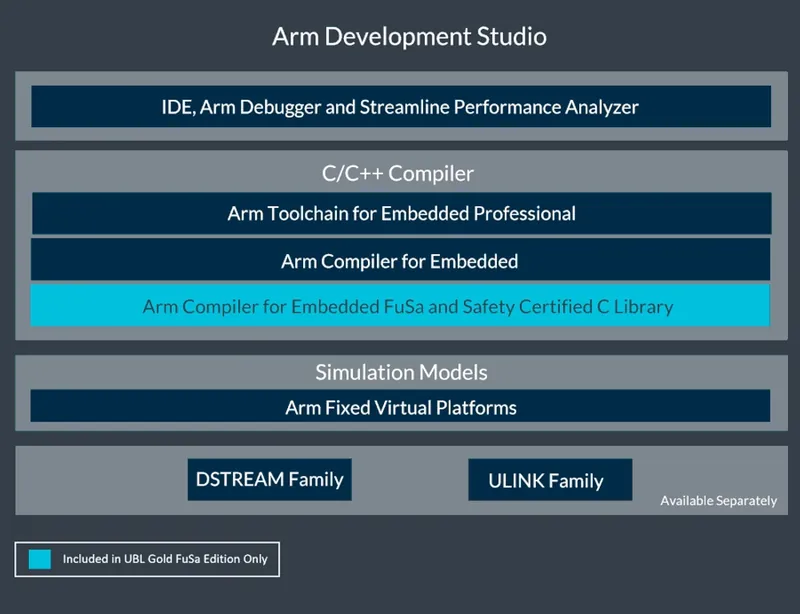
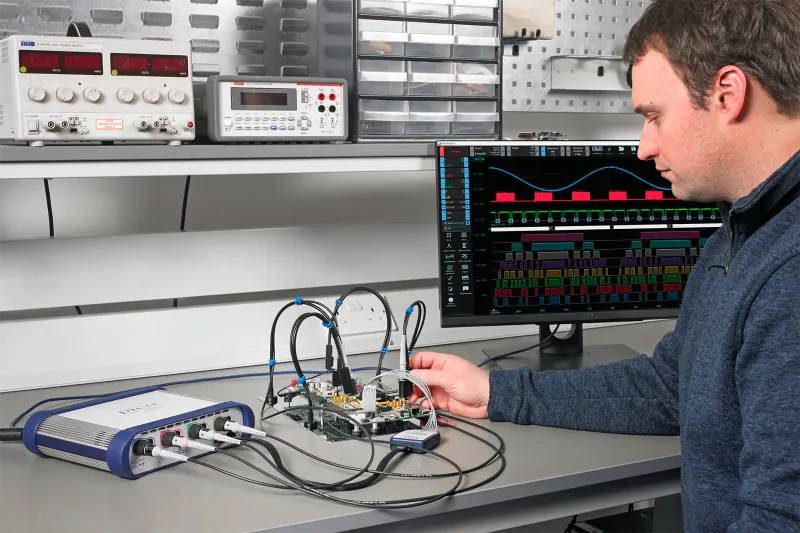
Klocwork runs MISRA and security checkers on every change, so findings reach the developer who made them. Arm tools cover the processors: Keil MDK for Cortex-M flight controllers, Arm Development Studio for Cortex-A application processors and Cortex-R real-time processors, and ULINKplus for power measurement while flight algorithms are tuned for endurance. PicoScope oscilloscopes handle ESC characterisation, motor drive validation and bus debugging in the field, and GW Instek power supplies drive controlled bench tests of power distribution boards and battery management units.

On-board vision and edge AI payloads

UAV payloads increasingly run inference on the aircraft: obstacle detection on Cortex-M55 with Ethos-U, multi-camera perception on AMD Kria SOMs for inspection drones, and target tracking on NVIDIA Jetson Orin Nano for defence ISR. The Edge AI and vision capability covers sensor bring-up, model optimisation against the power and thermal envelope, inference deployment, and the update path that keeps a fielded model current.

02

Six drone and UAV services, mapped onto the aircraft.

Each card lights the part of the unmanned system that service touches, from the stabilisation loop on the flight controller to the bench that tests the motor drive.

Drones & Unmanned Systems: the system GSAS engineers for, with each GSAS service numbered where it applies, as on the service cards Unmannedaircraft Flight controller Stabilisation, RTOS, BSP Payload and vision Sensor fusion, edge AI Datalink and updates Secure boot, signed OTA ESC and power Motor drive, PDB, BMS Certification evidence DO-178C, STANAG 4671 Test bench HIL, SIL and CI 1. Flight controller: Stabilisation, RTOS, BSP 1 2. Payload and vision: Sensor fusion, edge AI 2 3. Datalink and updates: Secure boot, signed OTA 3 4. ESC and power: Motor drive, PDB, BMS 4 5. Certification evidence: DO-178C, STANAG 4671 5 6. Test bench: HIL, SIL and CI 6
  • 1. Flight controller: Stabilisation, RTOS, BSP
  • 2. Payload and vision: Sensor fusion, edge AI
  • 3. Datalink and updates: Secure boot, signed OTA
  • 4. ESC and power: Motor drive, PDB, BMS
  • 5. Certification evidence: DO-178C, STANAG 4671
  • 6. Test bench: HIL, SIL and CI
Hover, tap or focus a number or a card to see where each service sits on the aircraft.
  1. Flight controller firmware

    Board support, real-time scheduling and drivers for the processors that keep the aircraft stable.

    • BSP and board bring-up on Cortex-M and Cortex-A
    • RTOS integration with deterministic scheduling for control loops
    • Bootloaders and field updates with rollback

    Embedded software engineering

  2. Secure boot and signed updates

    Firmware that only runs if it is genuine, and updates that can fail safely.

    • Secure boot chains on the flight and payload processors
    • Image signing, anti-rollback and A/B failover
    • TLS and DTLS configuration for connected links

    Security engineering

  3. On-board vision and edge AI

    Detection and tracking on the aircraft, inside its power and thermal budget.

    • Camera bring-up and multi-camera synchronisation
    • Inference on Kria SOM, Jetson or Cortex-M55 with Ethos-U
    • Model optimisation for the power and thermal envelope

    Edge AI and vision

  4. Verification evidence

    The evidence a DO-178C or STANAG 4671 path asks for, produced alongside the flight code.

    • MISRA C:2023 enforcement with deviation records
    • Requirements-based unit tests with MC/DC coverage
    • Tool classification and qualification documentation

    Functional safety engineering

  5. ESC, motor drive and power validation

    What the power stage actually does, measured on the bench and in the field.

    • ESC and motor drive characterisation on oscilloscopes
    • Bench tests of power distribution boards and battery management
    • Energy profiling of flight and payload modes

    Test and measurement

  6. Test benches and regression

    Flight software tested the same way on every build, before it is tested in the air.

    • HIL and SIL test design with fault injection
    • On-target coverage through hardware trace
    • Regression pipelines with quality gates in CI

    Testing and validation

03

From prototype to production, with evidence at every step.

Each stage leaves something a certification engineer, a customer’s reviewer or the next team can check. Type certification and airworthiness approval stay with the manufacturer and the authorities.

  1. 01

    Plan

    Target path
    DO-178C, STANAG 4671 or Drone Rules type certification
    Coding rules
    MISRA C:2023 baseline and deviation process
    Tools
    Use cases and classification for each tool

    Rules and tools agreed before the first commit

  2. 02

    Build

    Software
    Flight controller BSP, RTOS and drivers
    Payload
    Camera pipeline and on-board inference
    Analysis
    Static analysis gating every change in CI

    Findings reach the developer who made the change

  3. 03

    Prove

    Unit test
    Requirements-based, with coverage
    Bench
    HIL, fault injection and regression
    Power
    ESC, motor drive and PDB measured

    Evidence packaged for your certification file

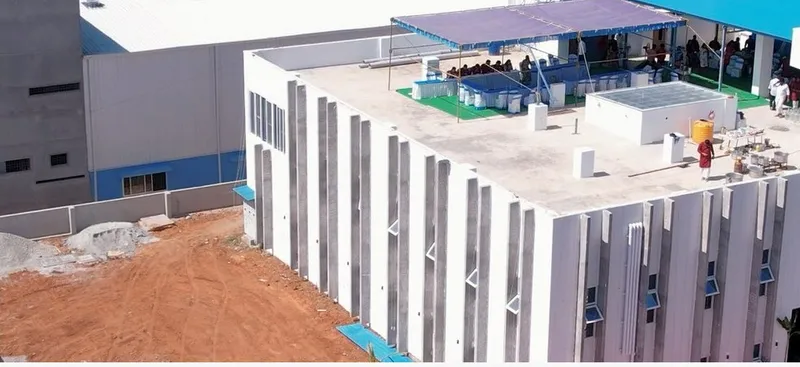
The GSAS build and test facility at Doddaballapur, Bengaluru Rural, Karnataka, opened in 2026
Doddaballapur · Build and test Half-acre site, opened 2026. About the facility
Half-acre build and test site, Bengaluru Rural, opened 2026
Doddaballapur
Specialists, engineering led from Bengaluru
40+
In 9 Indian cities
11 offices
Certified by TÜV Rheinland
ISO 9001:2015
05

The tools Drones & Unmanned Systems teams use, and GSAS engineers use too.

GSAS is a value added distributor/reseller for these products. We have a dedicated FAE team ready to help you with custom built solutions matching your needs.

All products →

06

Standards listed for Drones & Unmanned Systems, and the tools placed against each.

A chip shows a published qualification scope where one exists, and the bare standard name where none does.

AEROSPACE DO-178C
STANDARD STANAG 4671 No tool mapped
CODING STANDARDS MISRA C:2023

STANAG 4671 is listed in this page's standards set, but no tool in the table below carries a published qualification against it, and GSAS does not claim one. Whether this applies to a given programme depends on its scope, jurisdiction and certification basis.

Tool Applicable Standards
Klocwork (Perforce)
DO-178C via DO-330 tool qualificationMISRA C:2023
Perforce QAC
DO-178C via DO-330 packMISRA C:2023
TESSY (Razorcat)
DO-178C via DO-330 by the applicant
07

Three ways to start, depending on where your aircraft is.

A first platform, a defence programme or a payload for someone else’s airframe.

  1. 01

    Drone start-ups

    First platform to production

    Flight controller firmware, signed updates and power validation for a first platform, with the coding rules and test evidence in place before the type certification file is assembled.

    • Flight controller firmware
    • Signed updates
    • Evidence from day one
  2. 02

    Defence UAV programmes

    ISR and surveillance platforms

    On-board detection and tracking, secure boot on the flight and payload processors, and the verification evidence a DO-178C or STANAG 4671 path asks for.

    • Edge AI payloads
    • Secure boot
    • DO-178C and STANAG 4671 evidence
  3. 03

    Payload and component makers

    Cameras, ESCs and flight controllers

    Camera bring-up and inference for payloads, and ESC, motor drive and battery management validation on the bench for the components that go into other makers’ aircraft.

    • Camera and inference
    • ESC and motor drive
    • Bench validation
08

Building a flight controller or a drone payload?

Tell us the aircraft, the payload and the certification path you are working towards. GSAS replies from Bengaluru with scope and a proposal: firmware, edge AI, verification evidence and power validation.

sales@gsasindia.com +91 80 6590 1783

Drones & Unmanned Systems engineering with GSAS in India

What drone and UAV engineering services does GSAS provide in India?

GSAS provides flight controller firmware, secure boot and signed updates, on-board vision and edge AI, verification evidence for DO-178C and STANAG 4671 paths, ESC, motor drive and power validation, and HIL and SIL test benches. Engineering is led from Bengaluru.

Can GSAS help with drone type certification in India?

India’s Drone Rules, 2021 set out a type certification process for drones, with DGCA as the regulator. The applicant is the manufacturer or importer of the drone, not an engineering supplier. GSAS produces engineering evidence a certification file can draw on: coding-standard enforcement, unit tests with coverage, bench test records and tool documentation.

Does GSAS support DO-178C or STANAG 4671 work for UAVs?

GSAS produces verification evidence for both paths: MISRA C:2023 enforcement with deviation records, requirements-based unit tests with MC/DC coverage, and tool classification and qualification documentation. The software level, the plans and the airworthiness approval stay with the applicant and the authority.

Can GSAS put edge AI on a drone payload?

Yes. GSAS brings up cameras, synchronises multiple sensors, and deploys inference on AMD Kria SOMs, NVIDIA Jetson modules or Cortex-M55 with Ethos-U, with the model optimised for the aircraft’s power and thermal envelope.

Can GSAS validate ESCs, motor drives and power boards?

Yes. GSAS characterises ESCs and motor drives on oscilloscopes, bench-tests power distribution boards and battery management units under controlled supplies, and profiles energy across flight and payload modes.

Does GSAS also supply the drone development tools?

Yes. GSAS is a value added distributor/reseller for the compiler, debug, static analysis and bench instruments on this page, and its engineers use the same tools on customer projects.