
Medical Electronics
Compliant Medical Device Development.
Navigate IEC 62304 software lifecycle requirements with pre-qualified tools, systematic risk management support, and audit-ready documentation.
Medical device software development demands a disciplined approach to safety, quality, and regulatory compliance. IEC 62304 defines the software lifecycle processes required for medical device software, while IEC 60601 and ISO 14971 impose electrical safety and risk management requirements. GSAS provides the development and testing tools that help medical device teams meet these standards efficiently, without sacrificing development velocity.
Our toolchain supports all three IEC 62304 software safety classifications, from Class A (no injury) through Class C (death or serious injury). Klocwork enables systematic static analysis with MISRA and security checkers, generating the verification evidence that auditors and notified bodies expect. TESSY by Razorcat delivers automated unit testing with code coverage measurement, supporting the software unit verification required by IEC 62304 for Class B and Class C devices. Arm Keil MDK provides a safety-certified compiler and IDE environment for the Arm Cortex-M microcontrollers that power the majority of modern medical devices.
For Indian medical device startups and established manufacturers alike, GSAS offers more than tools. Our engineering services team helps navigate the compliance landscape, set up development infrastructure with built-in traceability, and prepare for regulatory submissions to CDSCO, FDA, and European notified bodies.
Need help selecting tools for your project?
Our application engineers specialize in Medical Electronics toolchain selection, from architecture through production.
What We Bring
GSAS Capabilities for Medical Electronics
Beyond tools, engineering services, compliance consulting, and hands-on support tailored to Medical Electronics teams.
Embedded Software Engineering
IEC 62304 compliant firmware, Class C medical device software, low-power design.
Safety & Compliance Engineering
IEC 62304, ISO 14971 risk management, IEC 60601, FDA 21 CFR Part 11 compliance.
Testing & Verification
Unit testing with traceability, code coverage, static analysis for safety classes A/B/C.
Test & Measurement Integration
Battery life characterization, power profiling, EMC pre-compliance measurements.
Recommended Tools
Products for Medical Electronics
Curated from our portfolio of authorized global partnerships, the tools that Medical Electronics engineering teams use most.
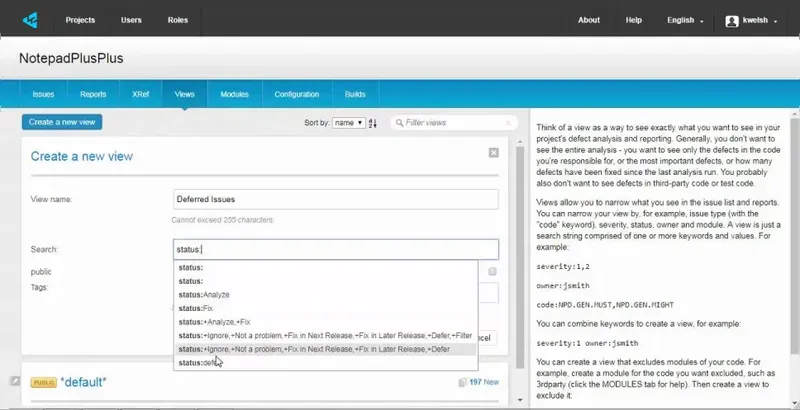
Klocwork
Klocwork by Perforce is a scalable SAST tool for C, C++, C#, Rust, Java, JavaScript, Python, and Kotlin, built for DevSecOps with incremental analysis, MISRA, CERT, and CWE enforcement, and TUV SUD certified ISO 26262 and IEC 61508 tool qualification. Deployed and supported across India by GSAS.
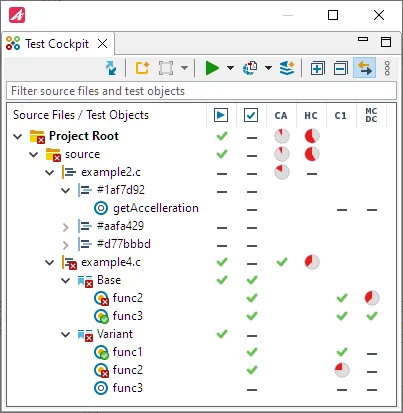
TESSY
Automated dynamic unit, module, and integration testing for embedded C/C++ with MC/DC coverage. Qualified by Razorcat for safety-related software development per IEC 61508, IEC 62304, ISO 26262 and EN 50128. Buy in India from GSAS.
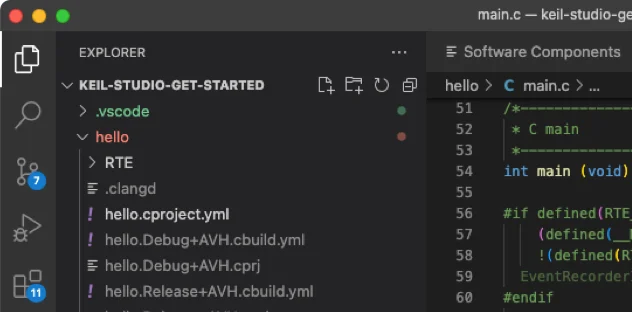
Keil MDK
A productivity, debugging, and reliability platform for professional Cortex-M development, MDK v6 brings dual IDE workflows, safety-certified compilers, Arm Fixed Virtual Platforms, and subscription licensing. Buy in India from GSAS.
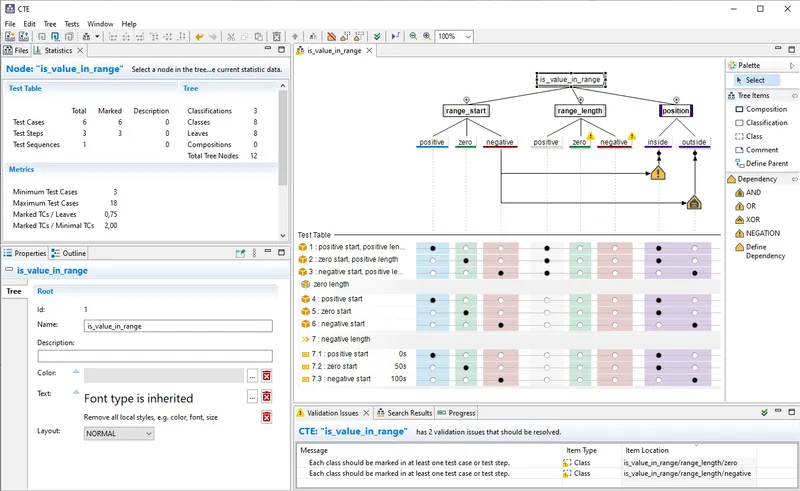
CTE: Classification Tree Editor
Graphical test case design tool using the Classification Tree Method, creates systematic, low-redundancy test specifications for TESSY and other test execution tools. Buy in India from GSAS.
Compliance
Standards & Toolchain Mapping
Standards listed for Medical Electronics, and the GSAS tools this site places against each. A chip shows a published qualification scope where one exists, and the bare standard name where none does.
IEC 60601, ISO 14971, FDA 21 CFR Part 11 are listed in this page's standards set, but no tool in the table below carries a published qualification against them, and GSAS does not claim one. Which of these applies to a given programme depends on its scope, jurisdiction and certification basis.
| Tool | Applicable Standards |
|---|---|
| Klocwork (Perforce) | IEC 62304 up to Class C |
| Perforce QAC | IEC 62304 up to Class C |
| Arm Compiler for Embedded FuSa | IEC 62304 Class C (qualified releases) |
| embOS-Safe (SEGGER) | IEC 62304 Class C |
| TESSY (Razorcat) | IEC 62304 |
Blog
Latest Thinking: Medical Electronics
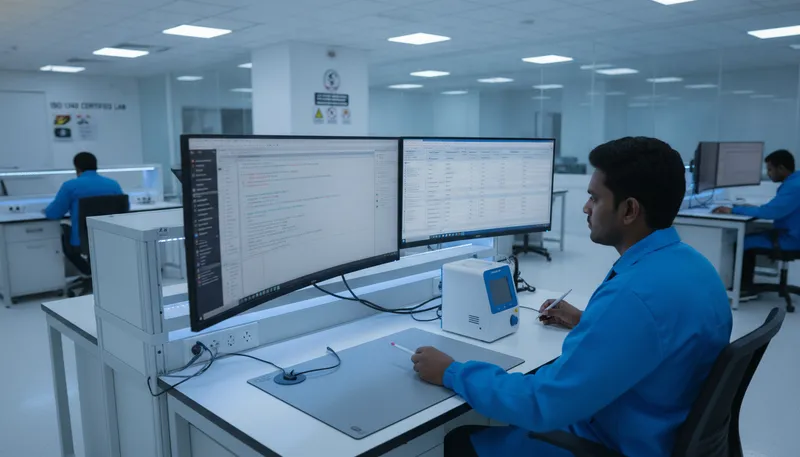
Static Analysis for Medical Device Software: IEC 62304 and FDA Compliance in India
IEC 62304 governs the software lifecycle for every medical device sold with embedded or standalone software, and static analysis is how most manufacturers satisfy its coding-standard and verification requirements. Here is what the standard actually requires, how FDA compliance evidence works, and which certified tools Indian medical device teams can use, from GSAS Micro Systems, an authorized engineering partner in India.
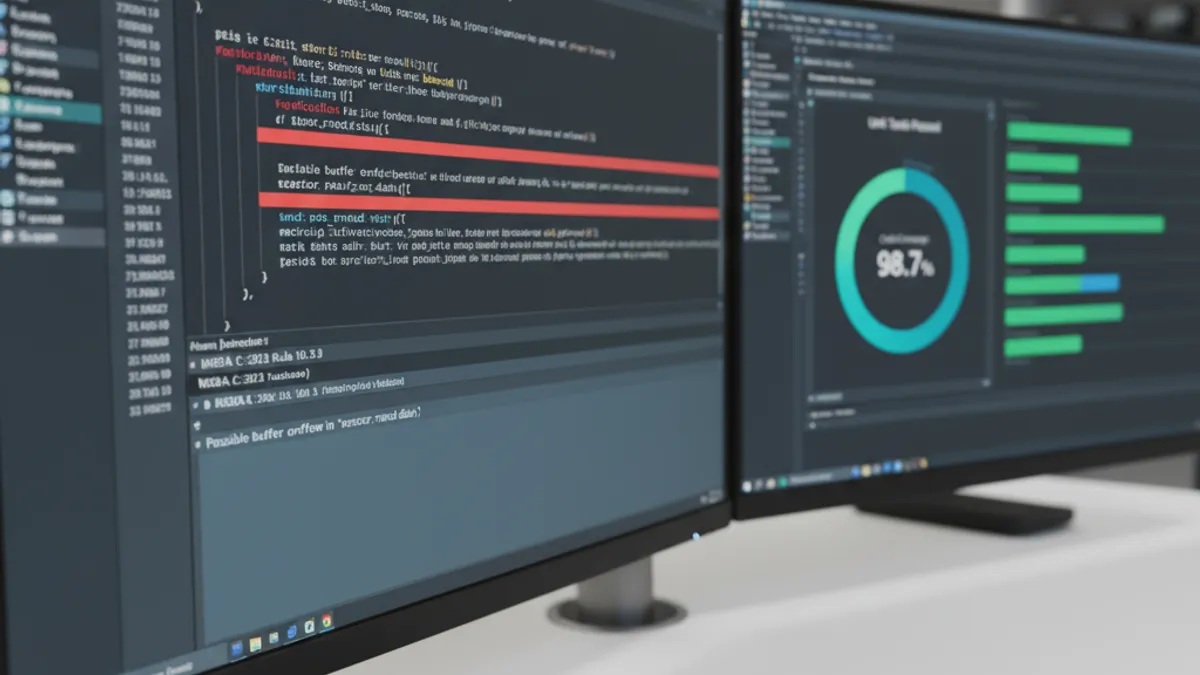
Shift-Left for Safety-Critical Code: Perforce QAC Static Analysis + Razorcat TESSY Dynamic Testing for MISRA, IEC 62304 and FDA Compliance in India
Run Perforce QAC static analysis first to enforce MISRA and clean the code, then Razorcat TESSY for dynamic unit testing and MC/DC coverage. Together they form a complete shift-left toolchain for IEC 62304 medical-device and FDA-regulated software, both from one authorized engineering partner in India, GSAS Micro Systems.
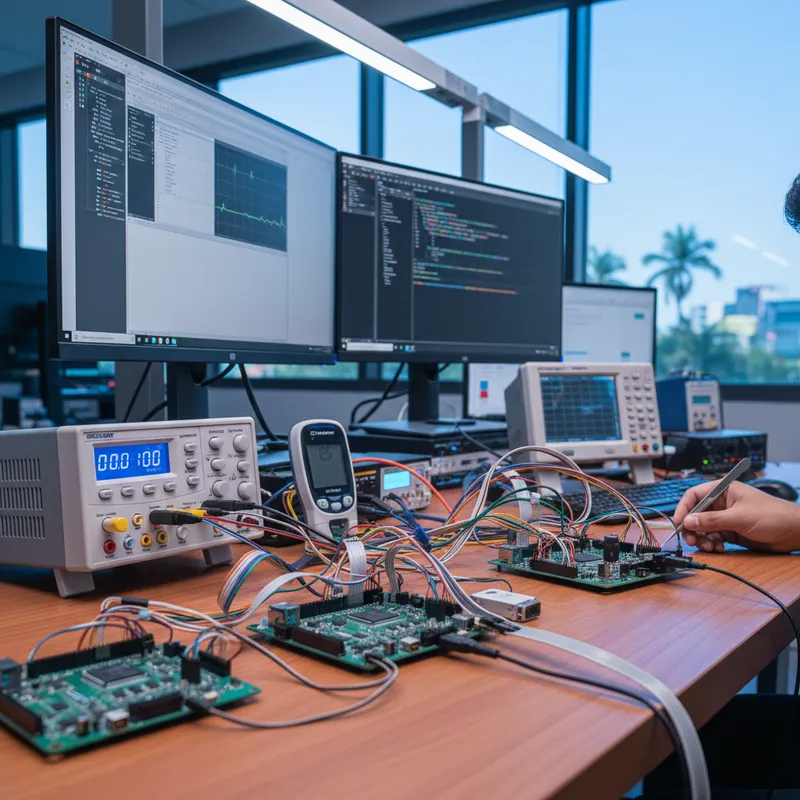
SEGGER emUSB-Host for Indian Medical and Industrial Products on STM32H7 and i.MX RT
Indian medical-device and industrial-controller teams turning a Cortex-M product into a USB host for mass-storage, barcode scanners, printers, and vendor-specific peripherals pick SEGGER emUSB-Host for class-driver coverage, commercial support, and IEC 62304 traceability.
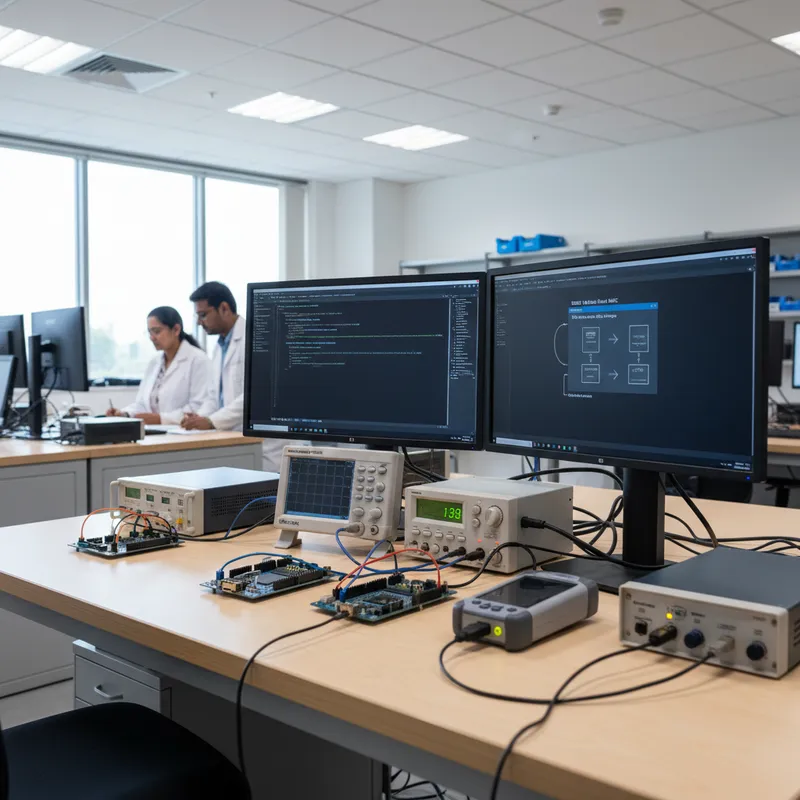
SEGGER emUSB-Host MSC: USB Mass Storage File Transfer for Indian Medical and Industrial Devices
How SEGGER emUSB-Host with the MSC class, combined with emFile, delivers production-grade USB stick file transfer for Indian medical devices, industrial HMIs and test equipment.
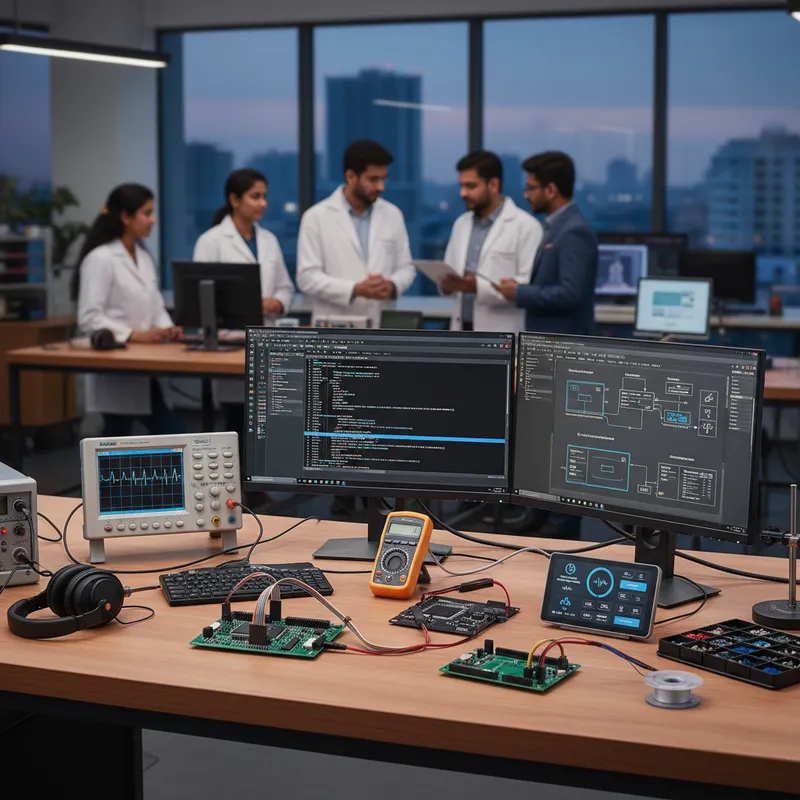
Building Custom emWin Widgets for Indian Medical Devices and HMI: STM32H7 and i.MX RT1170 in Production
How Indian medical-device and industrial HMI teams build custom SEGGER emWin widgets for patient monitors and control panels on STM32H7 and NXP i.MX RT1170, with day/night skinning, gesture handling and commercial licensing via GSAS.
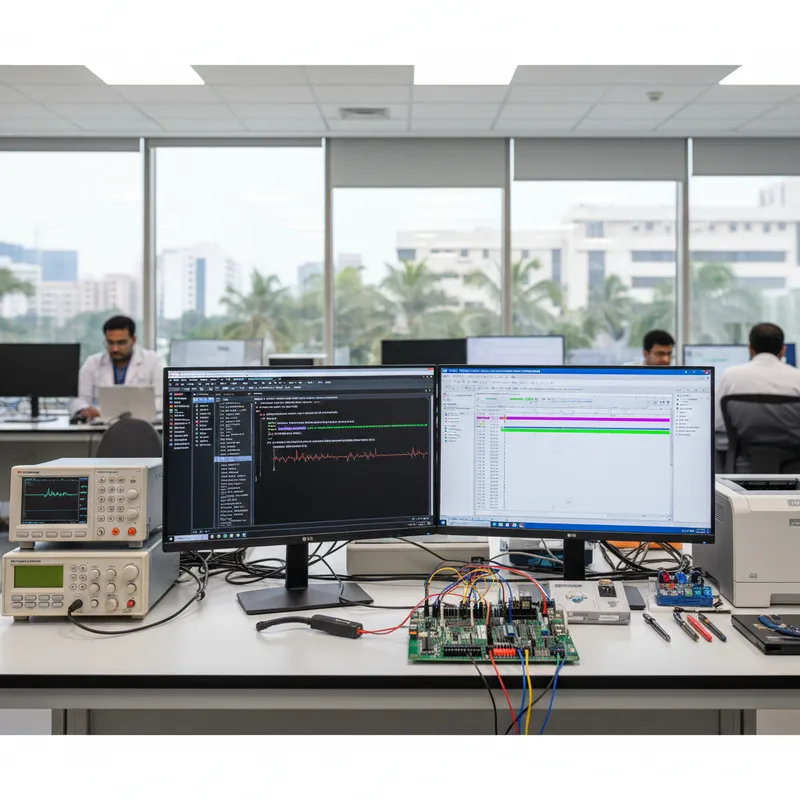
SystemView for IEC 62304 Medical Device Evidence: SEGGER SystemView in India
How Indian medical device teams use SEGGER SystemView to turn qualitative RTOS reassurance into quantitative, auditable evidence for IEC 62304 Class B and Class C design history files.
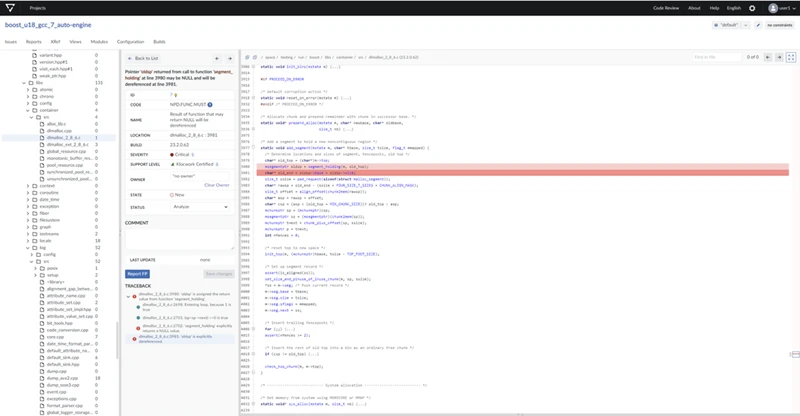
AI-Assisted Code Remediation for Safety-Critical C and C++
Perforce has extended AI-assisted code remediation across both Perforce QAC and Klocwork, delivered through a Static Analysis MCP server that Perforce describes as IDE-agnostic and Code-Assist tool-agnostic, with support for private, air-gapped environments. The fix is proposed by AI. The finding it is fixing still comes from the qualified analysis engine, and a developer approves every change.
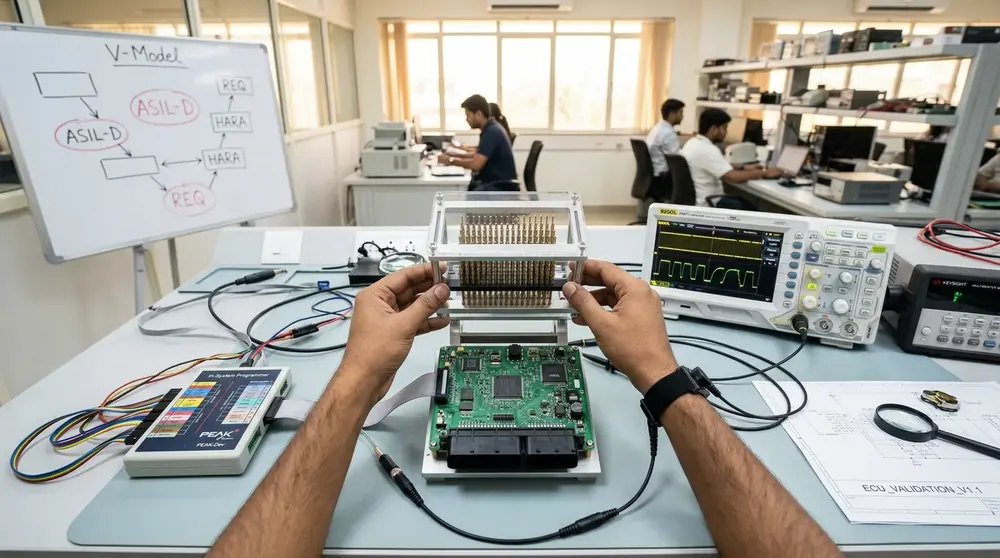
Functional Safety for Indian Automotive and EMS: Meeting ISO 26262 and IEC 61508
A practical guide to functional safety standards for Indian automotive, two-wheeler, and EMS teams, covering ISO 26262, IEC 61508, IEC 62304, and the GSAS safety toolchain from Perforce, Arm, Segger, and Razorcat.
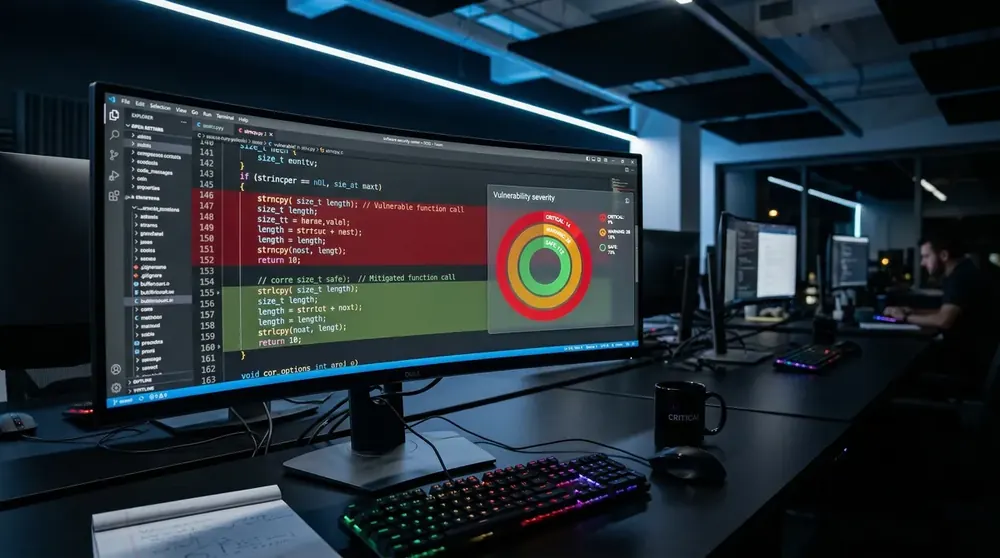
Static Application Security Testing: Why 50% of Vulnerabilities Start in Source Code
Half of all security defects originate at the source code level. SAST tools like Klocwork identify vulnerabilities during development, before they reach production. Here's what Indian engineering teams need to know.

Writing Secure C Code: Best Practices for Indian Embedded Engineers
Exploitable coding errors, not sophisticated attacks, are behind a large share of security incidents in embedded systems. Here is how Indian engineering teams can adopt secure C coding practices using proven frameworks and tools.

What Is CWE? Understanding Common Weakness Enumeration for Secure Embedded Software
CWE stands for Common Weakness Enumeration, the community-developed catalogue of software and hardware weakness types that names the coding patterns behind recurring vulnerabilities in embedded C and C++.
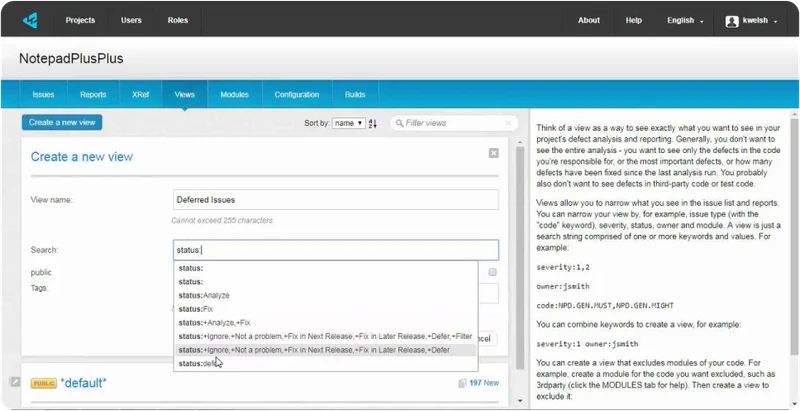
What Is Linting and Why It Matters for Embedded C/C++ Teams in India
Linting is automated analysis of source code that detects likely errors, unsafe constructs and coding-standard violations without executing the program, and for safety-critical embedded C and C++ it is only the first of three analysis layers.
Ready to Build Your Medical Electronics Toolchain?
Our application engineers have deep domain experience in Medical Electronics. From tool selection to compliance consulting to production deployment, one ecosystem.