Electric scooters, motorcycles and light commercial EVs are built under cost and space limits that four-wheel platforms do not face. A compact BMS has to get the most range out of a small pack and keep it thermally safe in Indian conditions. Motor controllers for hub motors and mid-drives run on cost-sensitive Arm Cortex-M microcontrollers. Swappable packs add another conversation on the bus, between the pack, the charger or swap station, and the vehicle. And the vehicle has to meet AIS-156, India’s construction and battery-safety standard for L-category electric vehicles, while the charging side works to the IS 17017 series of Indian EV charging standards, alongside ISO 26262 for the functional safety work.
How GSAS approaches it
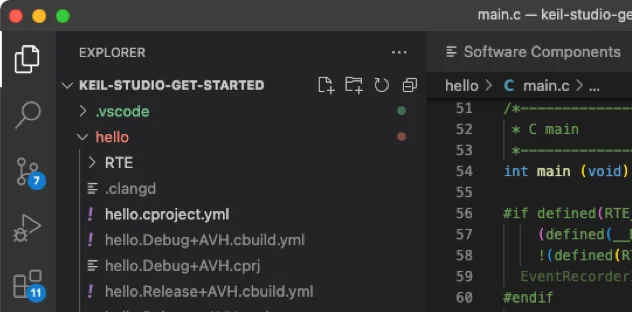
GSAS writes BMS and motor controller firmware with Keil MDK for the Cortex-M parts these controllers run on, and uses ULINKplus for power profiling while the control code is developed. The Joulescope JS320 measures current across nine decades in one session, from sleep-mode nanoamps to 10 A peaks, which is what standby drain and battery-life estimates depend on.
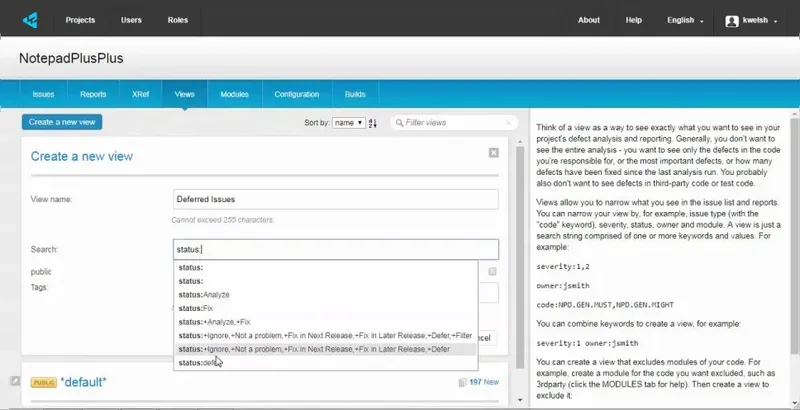
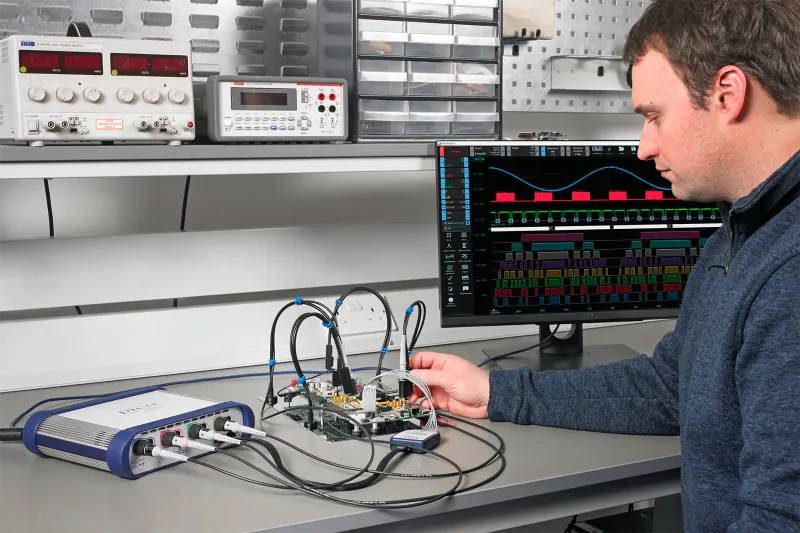
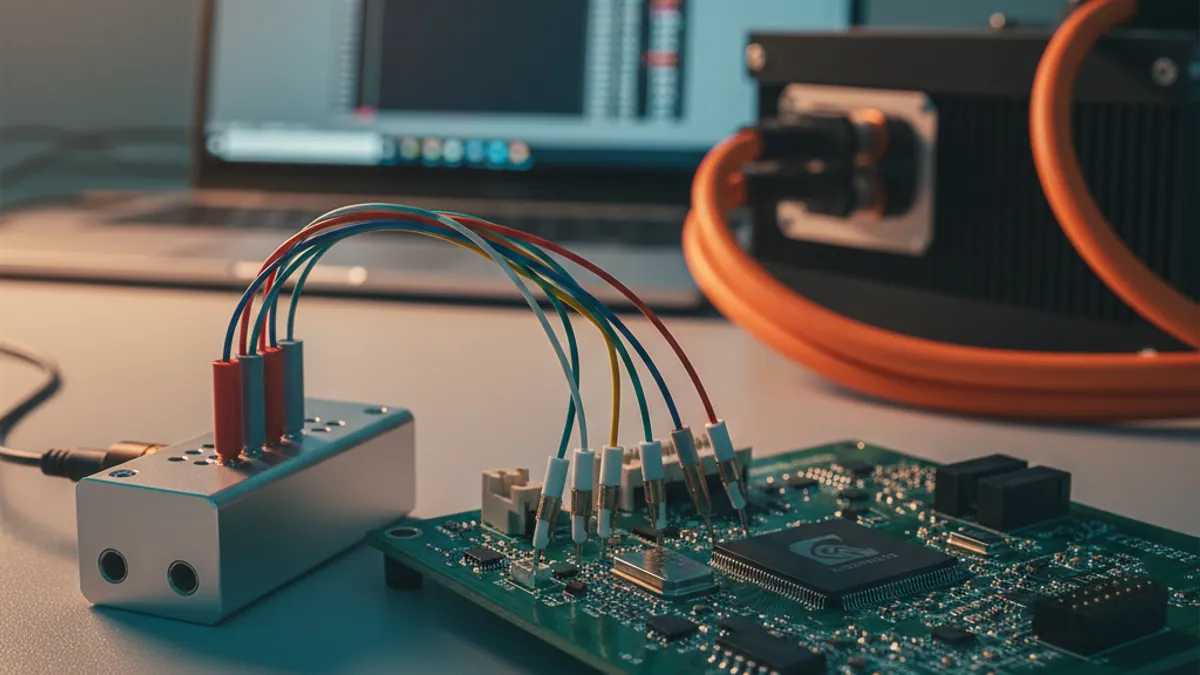
PicoScope oscilloscopes capture PWM drive signals, CAN and LIN traffic between the BMS and the vehicle ECU, and charging waveforms. GW Instek programmable power supplies drive the BMS across the pack’s voltage range on the bench, so the BMS can be validated on the bench before vehicle integration. Klocwork enforces MISRA rules in static analysis, producing verification evidence for ISO 26262 Part 6 on BMS and motor control software.
Testing and type approval stay with the manufacturer and its testing agency. GSAS produces the functional safety evidence behind them, with tool integration and training. For four-wheel platforms, charging infrastructure and regenerative power benches, see EV & Energy Systems.