
Resources
Technical Insights & Industry Resources
Compliance updates, product deep-dives, event recordings, and engineering best practices from the GSAS technical team.
Download
GSAS Product Portfolio
20 pages covering the design, test, validation and programming tools GSAS supports in India. PDF, 13 MB. September 2026 edition.
Explore
Resource Categories
Application Notes
In-depth technical guides covering debugging techniques, RTOS optimization, safety-critical development patterns, and tool-specific workflows.
Notify Me When Available →Webinar Recordings
Watch our monthly product deep-dives, quarterly expert Q&A sessions, and industry-focused use case presentations.
Notify Me When Available →Datasheets & Manuals
Product specifications, user manuals, quick-start guides, and comparison charts for all products in our portfolio.
Notify Me When Available →Case Studies
Real-world success stories from engineering teams across automotive, aerospace, medical, and industrial sectors.
Notify Me When Available →Standards Guides
Compliance checklists, tool qualification guides, and workflow templates for ISO 26262, IEC 61508, DO-178C, and MISRA.
Notify Me When Available →Training Materials
Course outlines, lab exercises, and self-paced learning resources for our certified training programs.
Notify Me When Available →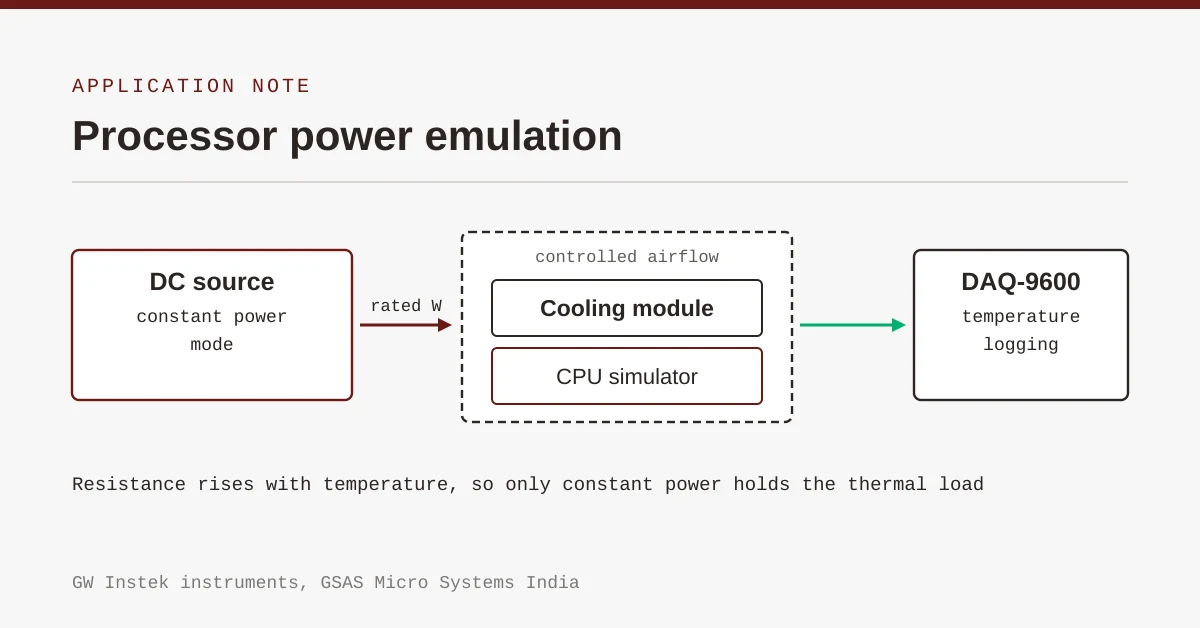
Emulating Processor Power for Thermal Testing: Why Constant Power
A heat sink or a cold plate is qualified against a watt figure, not a volt figure. This application note explains why a thermal load is driven in constant-power mode, how the bench is built for air and for liquid cooling, and what to confirm before you buy.
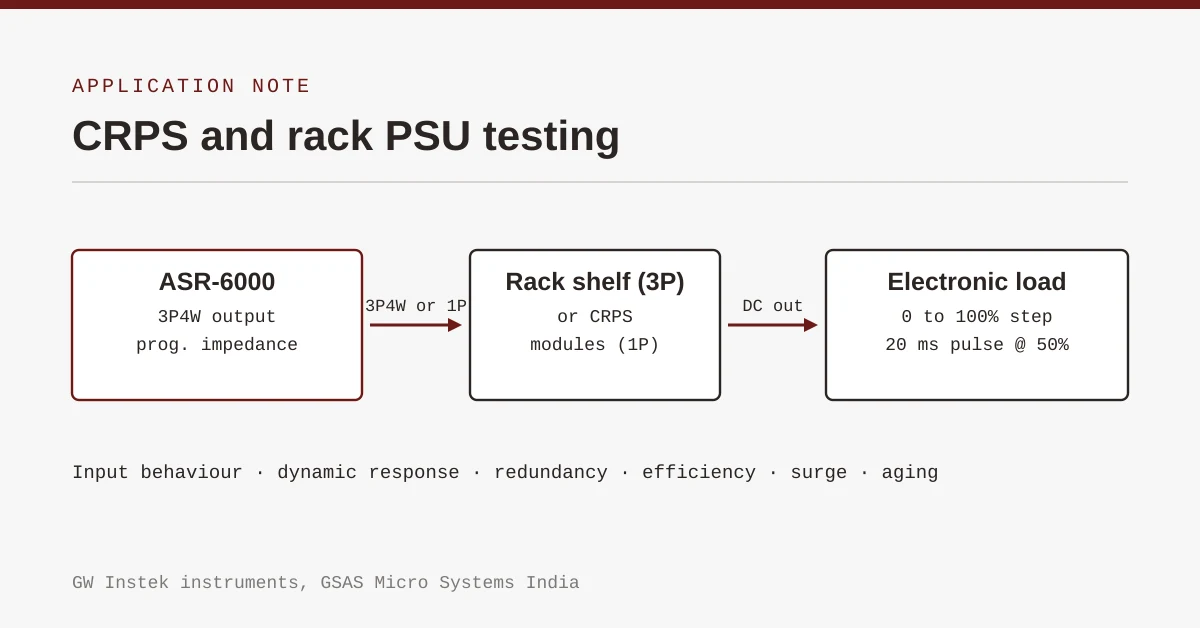
CRPS and Rack Power Supply Testing: The Six Tests That Matter
A CRPS module has to hold up under an unbalanced grid, a 0 to 100 percent load step, a surge on the line and a redundancy handover. This application note sets out the six tests, and the one source capability that makes a long feeder reproducible on the bench.
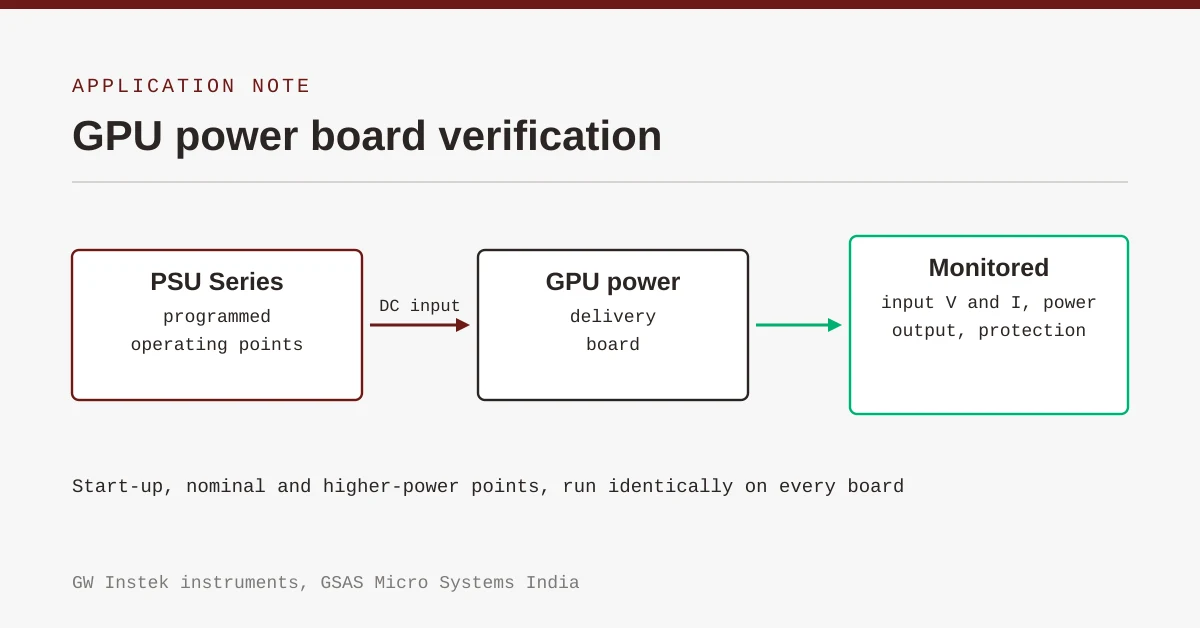
GPU Power Board Testing: DC Input Verification Before Integration
A GPU power delivery board is cheap to reject on a bench and expensive to find in an assembled server. This application note covers the programmable DC input test that screens the board, and the same test applied to incoming server systems.
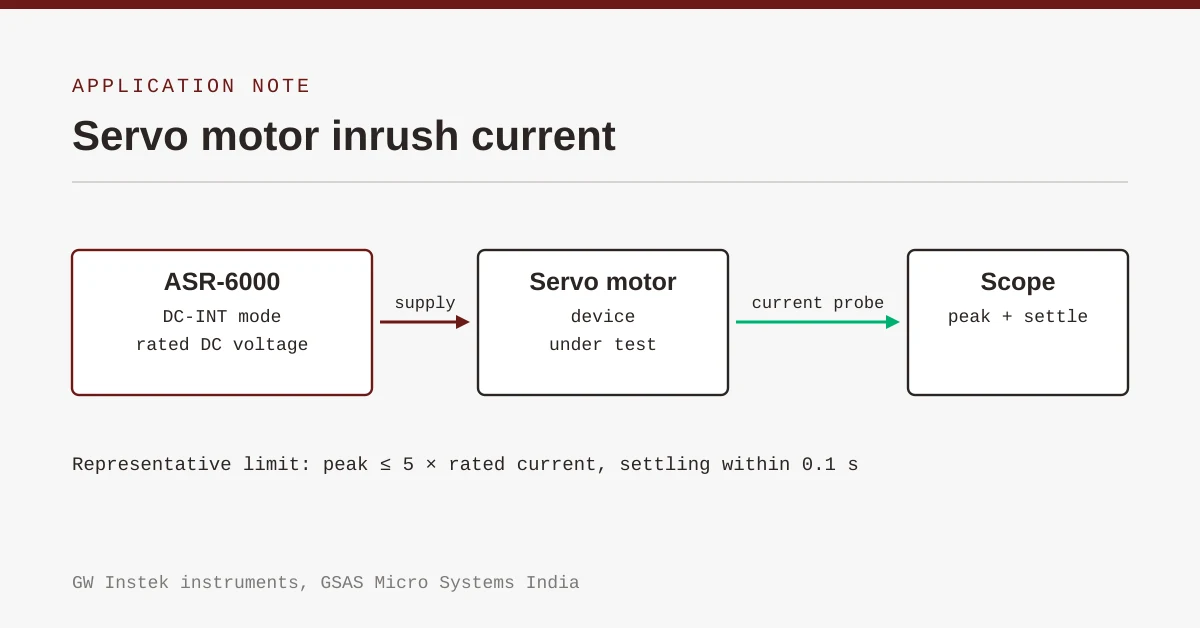
Servo Motor Inrush Current Testing: Method, Limits and Bench
A servo motor draws a large current spike at power-on. This application note sets out how that inrush is measured against a stated acceptance limit, what the DC source has to do, and where the measurement usually goes wrong.
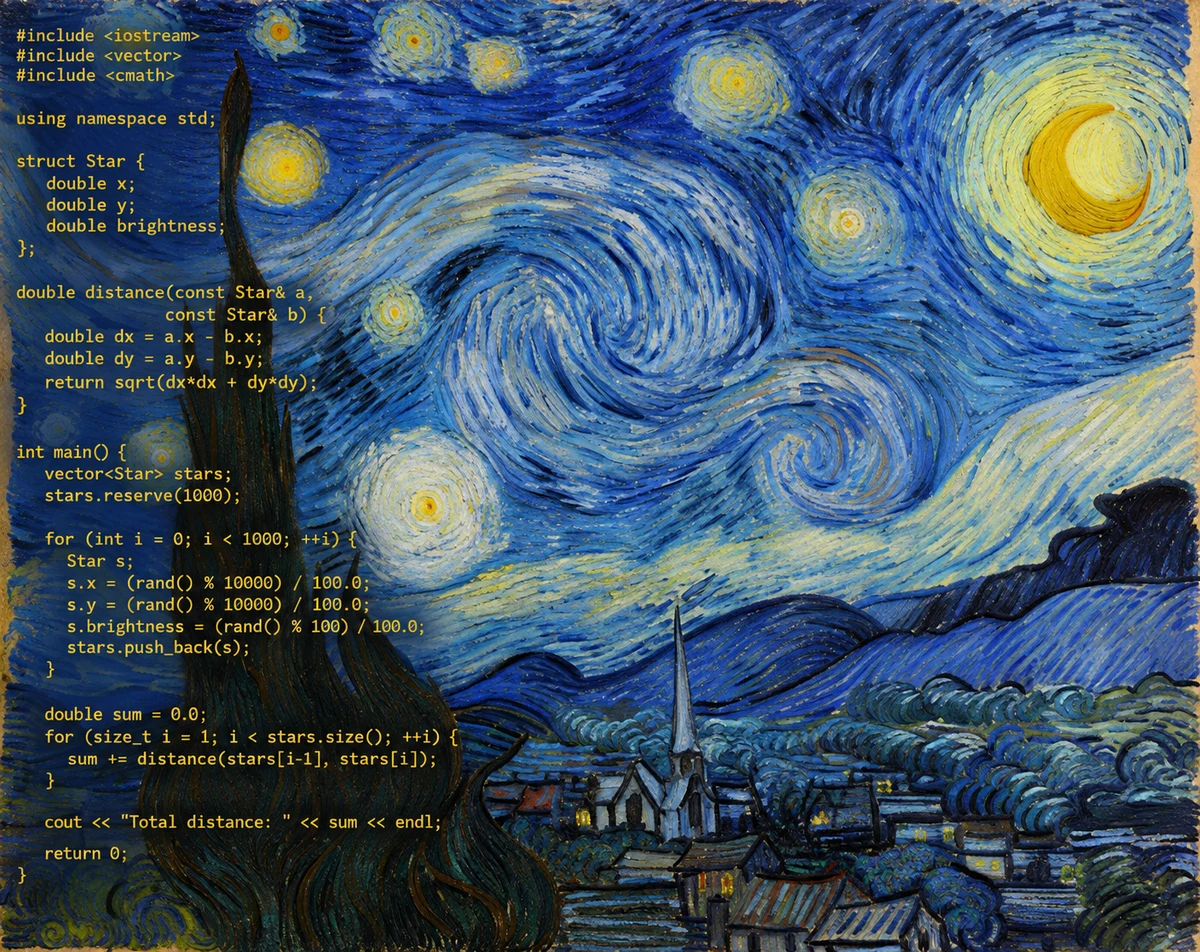
SuperTest Van Gogh 6.0: C23, C++23 and the C++20 Modules Gap
Solid Sands has released SuperTest Van Gogh 6.0 with more than 1,900 new tests, including 480 for C23 and 440 for C++23. The number worth your attention is a different one: GCC, Clang and MSVC each currently fail about 20% of its 173 C++20 modules tests.
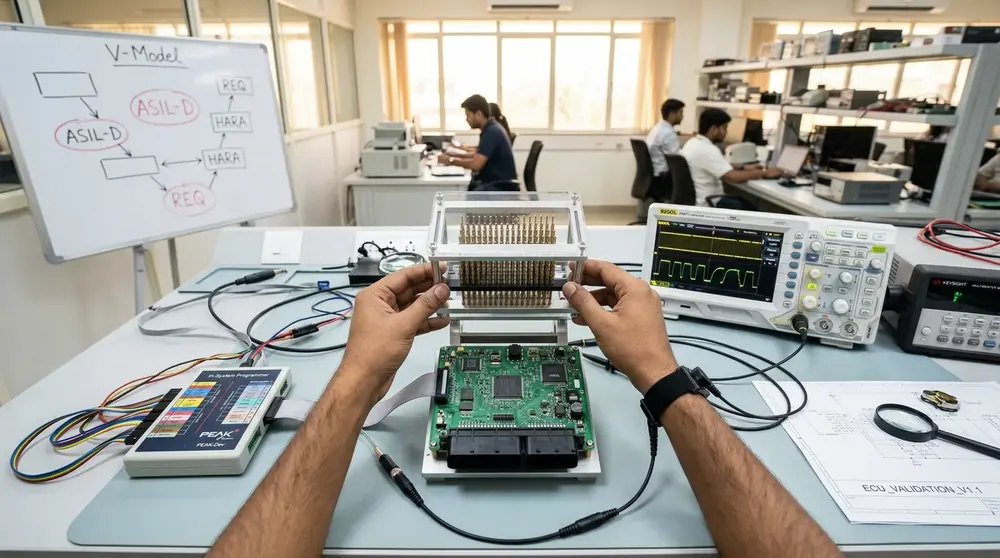
AI Inside the Engineering Process: What Is Worth Automating, and What Still Needs an Engineer
Arm, SEGGER, Perforce and Siemens EDA have each put AI inside a step of the engineering process rather than on top of it: debug, remediation, design entry, inference on the part. GSAS sets out the position behind our coverage of each: which steps are now worth automating, and which keep a human because the cost of being wrong is a recall.
Blog
Upcoming Webinars
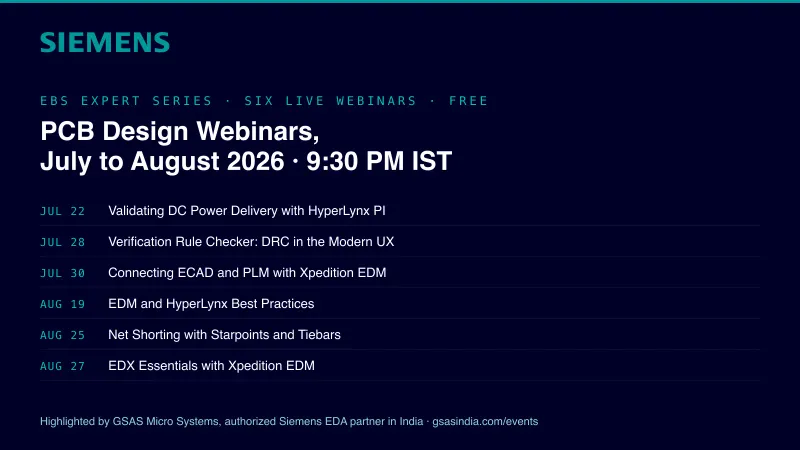
Siemens EDA EBS Expert Series: 6 Free PCB Design Webinars (Jul-Aug 2026)
Siemens EDA is running six free EBS Expert Series webinars from 22 July to 27 August 2026, covering HyperLynx PI DC Drop analysis, Xpedition DRC, Xpedition EDM and PLM integration, EDX, and Starpoints/Tiebars net shorting. GSAS, an authorized Siemens EDA engineering partner in India, is highlighting all six for Indian PCB design teams.
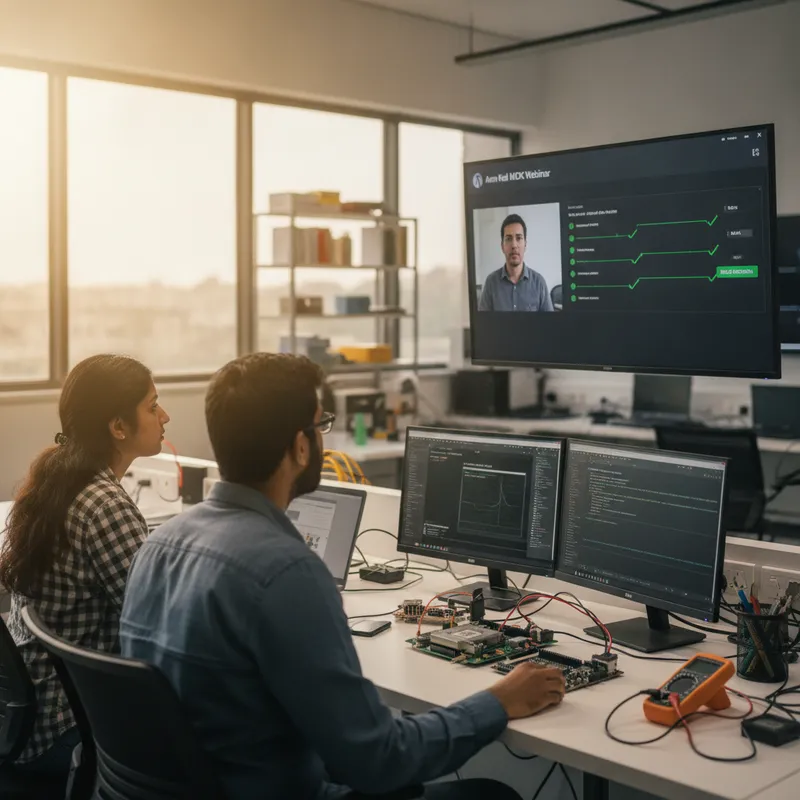
Two Arm Keil MDK Webinars This Summer: DevOps and Edge AI for Indian Cortex-M Teams
Arm is running two free live Keil MDK webinars this summer: DevOps with Keil MDK on 23 June and edge AI with ModelNova Fusion Studio on 21 July. What Cortex-M teams in Bengaluru, Hyderabad, Pune, Chennai, Mumbai, and Delhi NCR should know, shared by GSAS, Arm's authorized partner in India for Arm Development Tools.
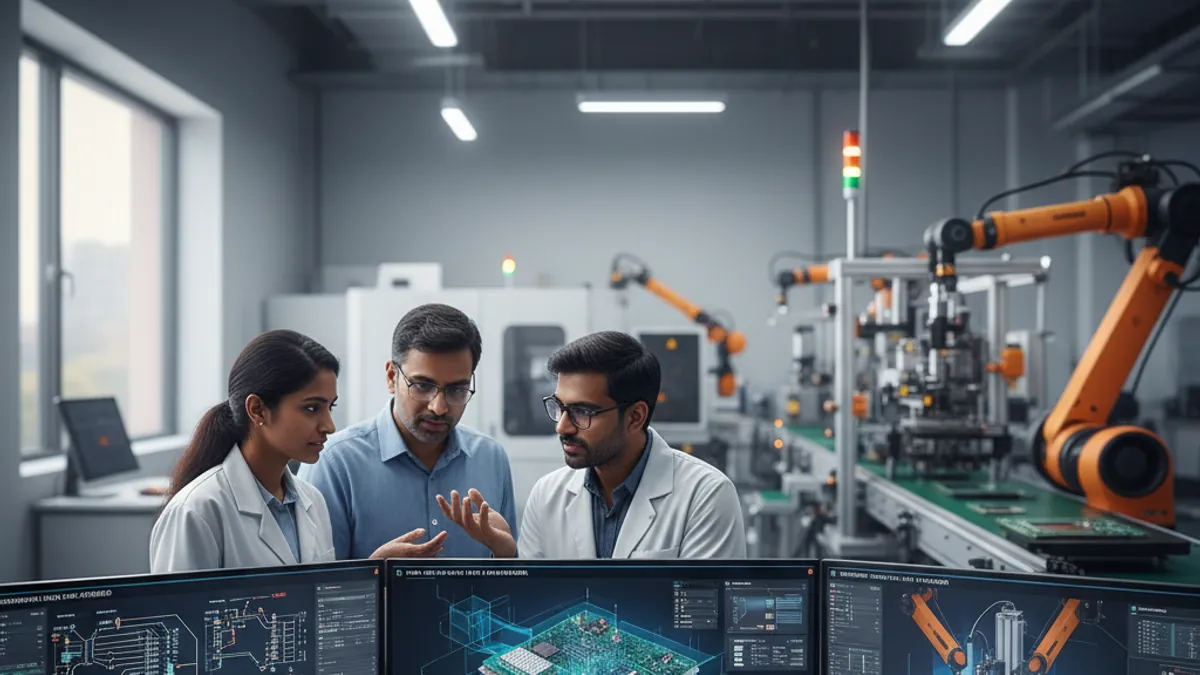
From Discovery to Production: The Modern PCB Design Journey in Siemens Xpedition: for Indian Teams
Siemens' Xpedition walkthrough 'From discovery to production' traces a single connected PCB journey, AI-assisted circuit discovery, cloud-connected tuning and simulation, AI-assisted command prediction, real-time supply-chain analysis, online design reviews, and manufacturability analysis with price estimation. Here is what that flow means for PCB design teams in Bengaluru, Pune, Chennai, Hyderabad, Mumbai and Delhi NCR, and how GSAS can share it when you ask.
Stay Informed
Monthly compliance updates, product insights, and industry trends delivered to your inbox.