Vision pipeline and MLOps
From the sensor to a model you can update in the field.
- Camera bring-up, ISP tuning, MIPI CSI-2
- Multi-camera sync and preprocessing
- On-device data capture, drift detection, OTA model updates
Capabilities · Edge AI & Vision
Camera pipelines, model optimisation and deployment on AMD adaptive SoCs, NVIDIA Jetson and Arm Cortex-M with Ethos NPUs, for industrial vision, automotive, drones and smart-city products built in India.
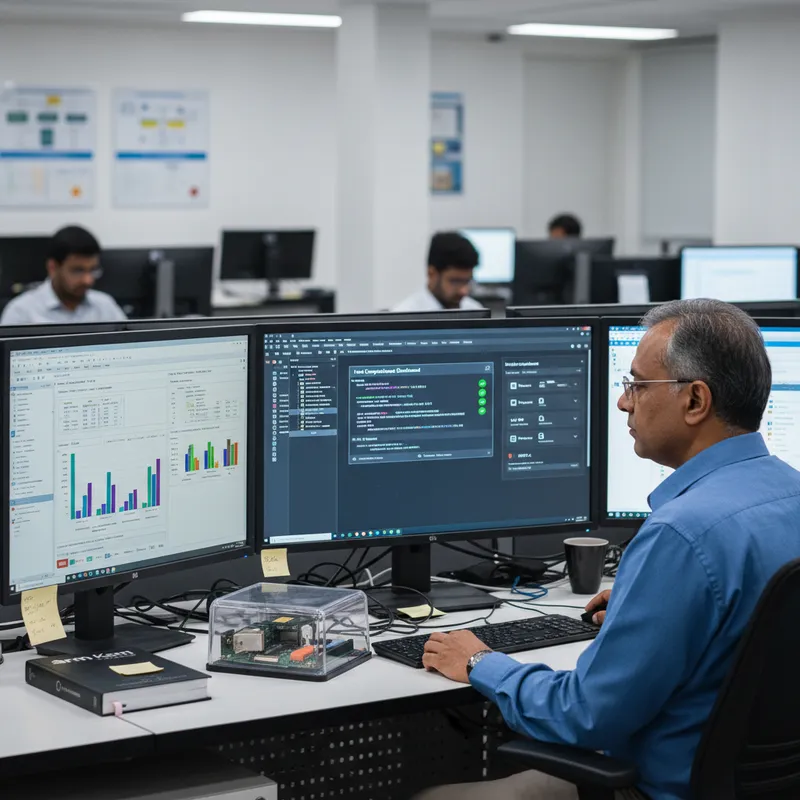
Each card lights its stage of the pipeline, from the sensor through the silicon to the model update that comes back from the field.
From the sensor to a model you can update in the field.
A trained model, made to fit the silicon you actually picked.
Silicon-first, not vendor-first
Deterministic inference on AMD adaptive SoCs.
GPU inference on a module, carried through to a product.
Always-on inference on a microcontroller budget.
ML in the loop, for teams working to ISO 26262 or IEC 61508.
A model trained in the cloud rarely fits the device as it is. Optimisation shrinks it to the target; the target is chosen for latency, power and cost.
Edge model optimisation
Quantise, prune, distil and fuse, then measure accuracy again on the real target.
A
Through the customer’s own AMD entitlement
B
Through the customer’s own NVIDIA entitlement
C
Arm tool chain supplied by GSAS
The bench GSAS supplies
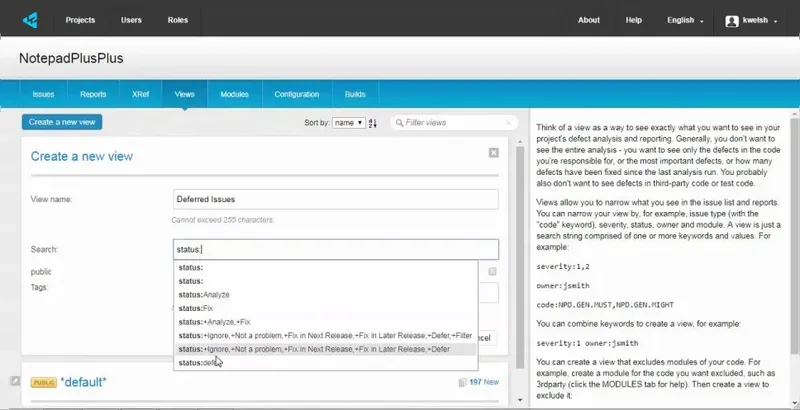
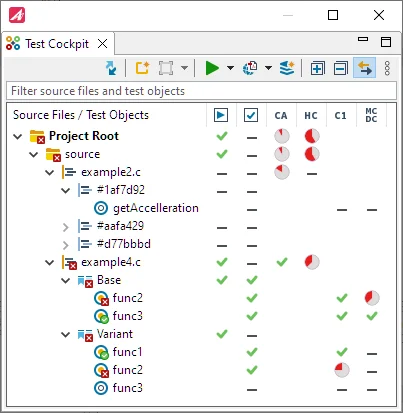
The commercial pieces of an edge-AI bench, supplied in India. AMD and NVIDIA tools come through the customer’s own entitlement.
Before the silicon is chosen, when the model will not fit, and on the road from a demo to a product.
01
Before the board is designed
Bring the model and the constraints: frame rate, power, cost, safety. GSAS helps evaluate the candidate platforms against them and recommends a target before you commit hardware.
02
Trained, not yet shippable
A model that runs in the cloud but misses its budget on the device. Quantisation, pruning, distillation and operator fusion bring it inside memory and compute, checked against the accuracy you need.
03
From demo to product
The work around the model that a product needs: camera pipeline, carrier board, safety architecture for ML in the loop, signed OTA updates and drift detection in the field.
Send the brief: the sensor, the model, the target and the constraints. GSAS comes back with the engineering conversation, not a brochure.
Vision pipelines (camera bring-up, ISP tuning, MIPI CSI-2, multi-camera sync), edge model optimisation (quantisation, pruning, distillation), FPGA-accelerated inference with Vitis AI, NVIDIA Jetson bring-up and TensorRT work, TinyML on Arm Cortex-M with Ethos-U, safety architecture for ML in the loop, and MLOps for models in the field.
AMD Zynq UltraScale+, Versal AI Edge and Kria SOMs; NVIDIA Jetson Orin and Xavier modules; and Arm Cortex-M55 with Ethos-U microNPUs and Cortex-A with Ethos-N. The platform is picked by the silicon target the product needs, not by vendor.
Roughly: an AMD adaptive SoC when latency must be deterministic or the pipeline has custom operators, a Jetson module when models are large or many camera streams run at once, and a Cortex-M with Ethos-U when the device is power-constrained or battery-powered. GSAS helps make that comparison against your constraints before you commit.
Yes. Quantisation to INT8, pruning, distillation and operator fusion take a model trained in the cloud and fit it to the target’s memory, compute and runtime, checked against the accuracy your application needs.
GSAS supplies Arm Keil MDK, Digilent FPGA boards, Perforce Klocwork and Razorcat TESSY in India. AMD and NVIDIA tools come through the customer’s own entitlement.
GSAS works with teams following ISO 26262 or IEC 61508 on deterministic inference, redundant-channel architecture, and MISRA C checked glue code with static analysis and unit testing.
Blog
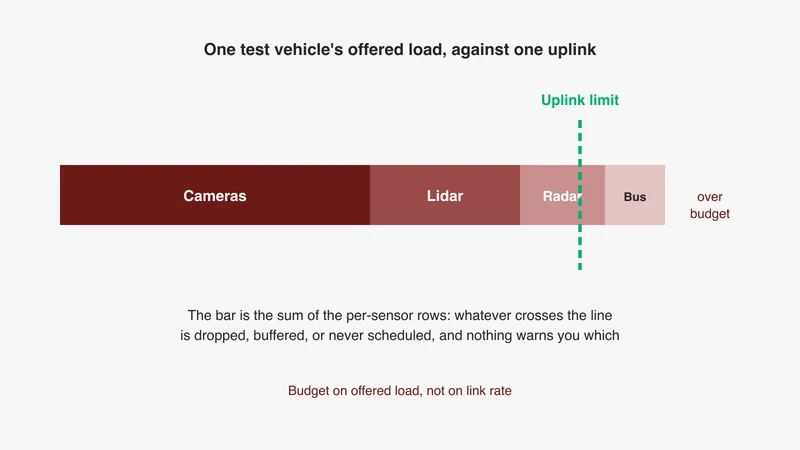
Every page that tells you an ADAS test vehicle produces terabytes a day states the headline and skips the arithmetic, so you cannot redo it for your own sensor set. This article publishes the arithmetic instead: one formula, every table row derived on the page, a worked eight-hour drive that chains those rows into a sustained write rate, a media count and an offload window, and the five places bandwidth budgets go wrong. Written by the GSAS Micro Systems engineering team in India.
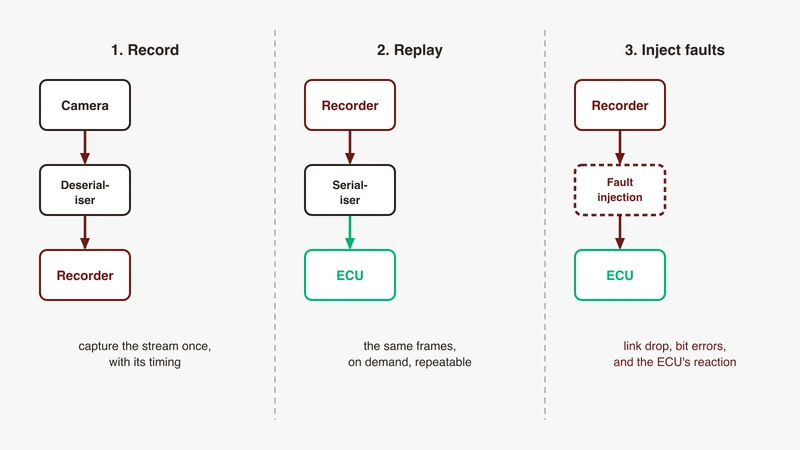
Four families carry automotive camera video, and only two of them have public documentation written for buyers. GMSL and FPD-Link are silicon-vendor interface families documented for board designers; ASA-ML and MIPI A-PHY are open specifications with published rate and reach figures and almost no practical buyer-facing writing. This page puts all four side by side with every rate class traced to the page it came from, then covers the part nobody writes: how you record, replay and inject a camera stream on a bench, and why none of it shows up in Wireshark. Written by the GSAS Micro Systems engineering team in India.
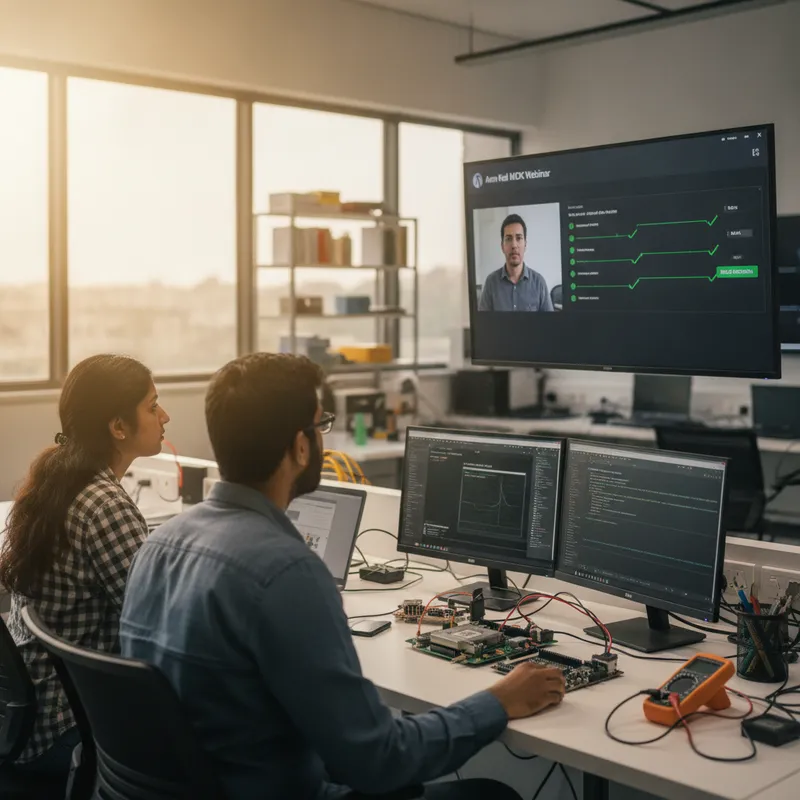
Arm is running two free live Keil MDK webinars this summer: DevOps with Keil MDK on 23 June and edge AI with ModelNova Fusion Studio on 21 July. What Cortex-M teams in Bengaluru, Hyderabad, Pune, Chennai, Mumbai, and Delhi NCR should know, shared by GSAS, Arm's authorized partner in India for Arm Development Tools.