Industries · Aerospace & Defense

Avionics, mission and space electronics, engineered and verified in India.

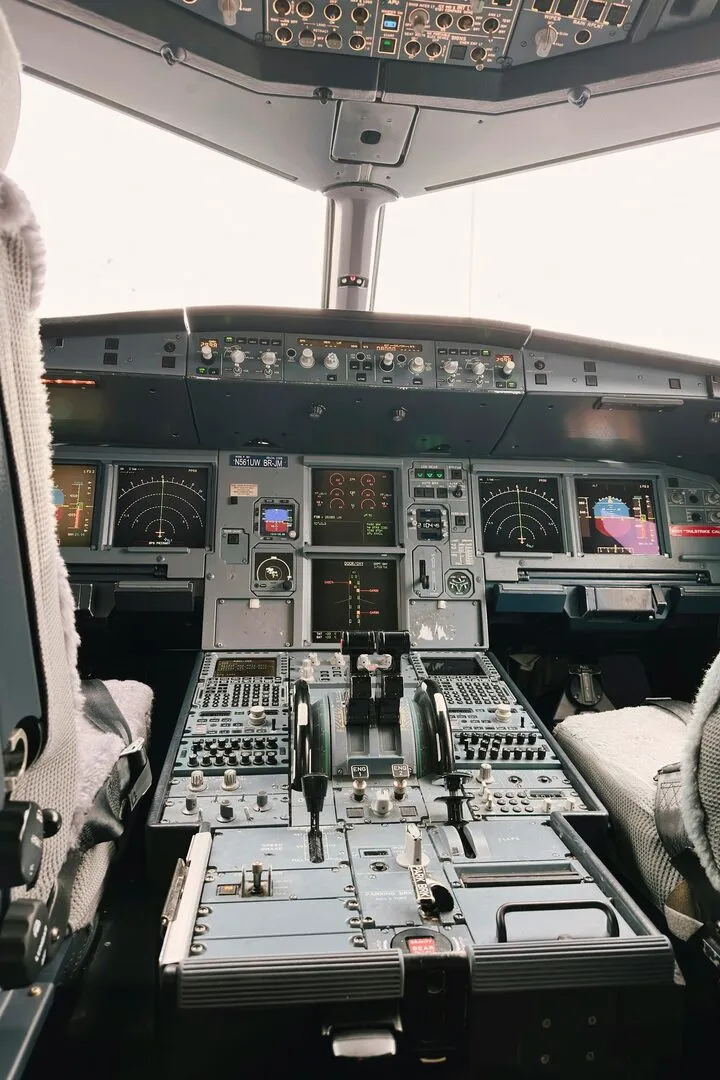
Mission software, DO-178C verification evidence, FPGA and board design, edge AI payloads and satellite test systems for aerospace, defence and space programmes. Engineering led from Bengaluru.

  1. 02 What we engineer
  2. 05 Tools and standards
  3. 07 How to start
01

Mission Software and the Evidence Behind It.

Engineering and verification evidence for avionics, defence and space electronics: structural coverage, requirements traceability and the tool qualification inputs a DO-178C programme needs.

Avionics, mission computers and defence electronics are built to a certification plan, and the software is only as credible as the evidence behind it. DO-178C ties the verification effort to the software level: structural coverage down to MC/DC at Level A, independence for certain objectives, and an argument that every tool in the chain is fit for its job. A fault found late delays the programme. GSAS engineers the software, the boards and the tests, and produces that verification evidence as the code is written. The software level, the plans and the approval stay with the applicant and the certification authority.

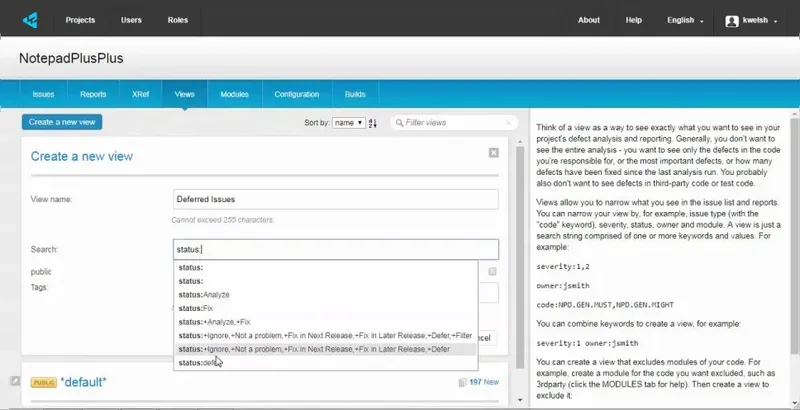
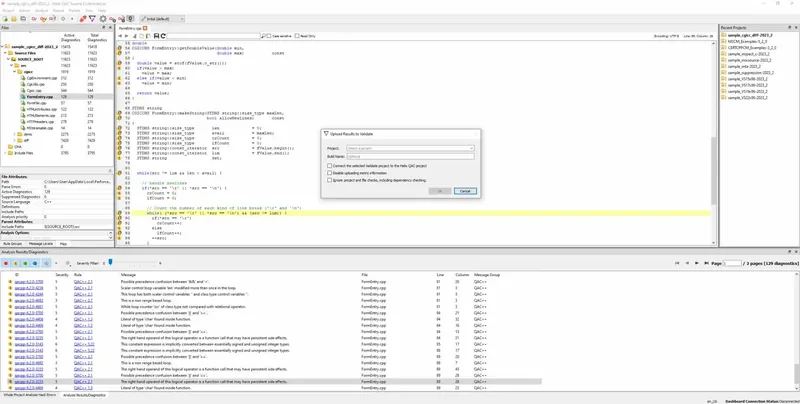
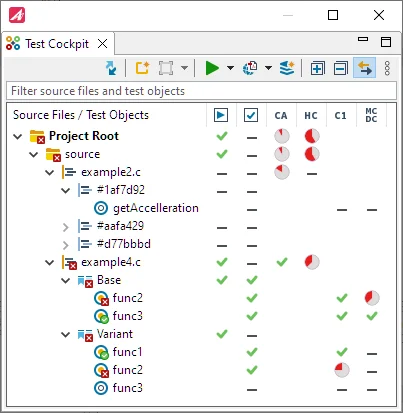
The tooling behind the work is mapped to the activity it supports. Klocwork and Perforce QAC check conformance to a coding standard, TESSY by Razorcat runs requirements-based unit tests and measures MC/DC coverage, Arm Compiler for Embedded FuSa carries TÜV SÜD certification per Arm, and Perforce Helix ALM keeps requirements, tests and changes traceable. Those certificates name industrial, automotive, railway and medical standards rather than DO-178C, so for an airborne programme they feed your own DO-330 tool qualification. The DO-178C page sets out where each tool fits.

Edge AI and vision for defence platforms

Some defence platforms run inference on board: ISR camera payloads on NVIDIA Jetson, multi-sensor perception on AMD adaptive SoCs, and TinyML threat classification on Cortex-M55 with Ethos-U inside battery-powered field sensors. The Edge AI and vision capability covers this stack within the constraints defence work brings: deterministic inference timing and static analysis of the glue code.

Space and satellite programmes

There is no hardware fix in orbit, and the qualification evidence is part of the deliverable. Through its founding team, GSAS has supported ISRO since the 1990s, including hardware and test systems for Chandrayaan-3 and Aditya-L1. The space and satellite capabilities page sets out what GSAS has delivered and the satellite subsystems it can support.

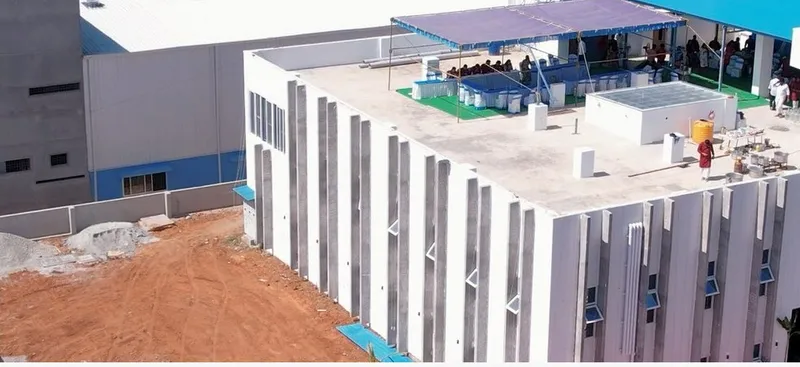
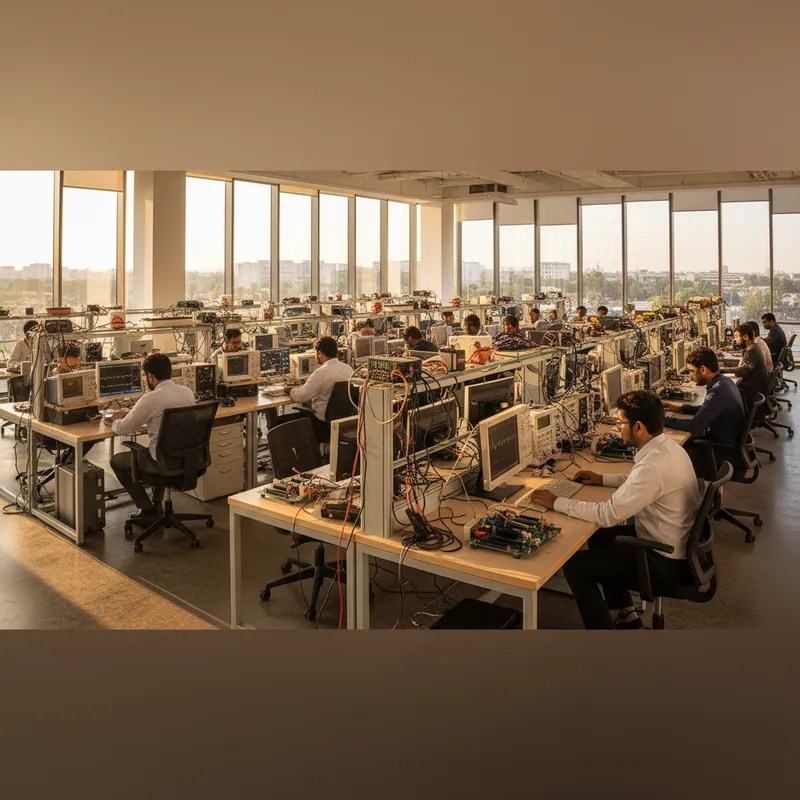
The GSAS facility at Doddaballapur, opened in September 2026, carries test automation and integration work for the automotive, aerospace and satellite sectors. At Bengaluru Space Expo 2026, what space engineering teams raised was embedded systems work, FPGA engineering and the test and validation effort that has to be finished before anything is committed.

Teams across Bengaluru, Hyderabad, Chennai, Pune, Mumbai and Delhi NCR reach the same application engineers, and a programme conversation starts with a question to an engineer.

02

Six aerospace and defence services, mapped onto the system.

Each card lights the part of an avionics or mission system that service touches, from the software on the mission computer to the bench that proves it.

Aerospace & Defense: the system GSAS engineers for, with each GSAS service numbered where it applies, as on the service cards Avionics andmission systems Mission computer Bare-metal, RTOS, BSP Certification evidence DO-178C verification FPGA and boards RTL, multilayer PCB Edge AI payload Detection at the edge Space electronics Sensors, EGSE, simulators Test bench On-target test and trace 1. Mission computer: Bare-metal, RTOS, BSP 1 2. Certification evidence: DO-178C verification 2 3. FPGA and boards: RTL, multilayer PCB 3 4. Edge AI payload: Detection at the edge 4 5. Space electronics: Sensors, EGSE, simulators 5 6. Test bench: On-target test and trace 6
  • 1. Mission computer: Bare-metal, RTOS, BSP
  • 2. Certification evidence: DO-178C verification
  • 3. FPGA and boards: RTL, multilayer PCB
  • 4. Edge AI payload: Detection at the edge
  • 5. Space electronics: Sensors, EGSE, simulators
  • 6. Test bench: On-target test and trace
Hover, tap or focus a number or a card to see where each service sits in the system.
  1. Avionics and mission software

    Board support, real-time kernels and drivers for the processors in avionics and mission computers.

    • BSP and board bring-up on Cortex-M, Cortex-R and Cortex-A
    • RTOS integration with deterministic scheduling
    • Device drivers and bare-metal code for custom boards

    Embedded software engineering

  2. DO-178C verification evidence

    The verification evidence a DO-178C plan calls for, produced as the code is written.

    • Coding-standard enforcement with deviation records
    • Requirements-based unit tests with MC/DC coverage
    • Tool documentation for your DO-330 qualification activity

    Functional safety engineering

  3. FPGA and board design

    Digital design and multilayer boards, built to the customer’s drawings and specification.

    • RTL design with UVM verification
    • Processor and FPGA boards for onboard computing
    • Schematic and multilayer PCB layout

    FPGA design

  4. Edge AI for defence platforms

    Detection and situational awareness running on the platform, not in a data centre.

    • Camera pipelines for ISR payloads
    • Inference on AMD adaptive SoCs and NVIDIA Jetson
    • TinyML on Cortex-M55 with Ethos-U for field sensors

    Edge AI and vision

  5. Space and satellite electronics

    Satellite sensors and the ground test systems that prove a subsystem before it flies.

    • Sun, Earth and star sensors
    • EGSE, checkout systems and test benches
    • Star-sensor simulators for bench test

    Space and satellite electronics

  6. Test benches and on-target verification

    Tests that run the same way on every build, on the bench and on the real core.

    • HIL and SIL test design with fault injection
    • On-target coverage through hardware trace
    • Regression pipelines with quality gates in CI

    Testing and validation

03

From the plan to verified hardware, with evidence at every step.

Each stage leaves something the applicant, the certification authority or the next team can check. The software level and the certification argument stay with your programme.

  1. 01

    Plan

    Software level
    Taken from your system safety assessment
    Coding rules
    MISRA C baseline and deviation process
    Tools
    Use cases set out for your DO-330 activity

    Rules and tools agreed before the first commit

  2. 02

    Build

    Software
    BSP, RTOS and drivers on the target
    Hardware
    FPGA RTL and multilayer boards
    Analysis
    Static analysis gating every change in CI

    Findings reach the developer who made the change

  3. 03

    Verify

    Unit test
    Requirements-based, with MC/DC coverage
    On target
    Tests and trace on the real core
    Hardware
    Board test; vibration and TVAC via partners

    Evidence packaged for your certification plan

The GSAS build and test facility at Doddaballapur, Bengaluru Rural, Karnataka, opened in 2026
Doddaballapur · Build and test Half-acre site, opened 2026. About the facility
Half-acre build and test site, Bengaluru Rural, opened 2026
Doddaballapur
Specialists, engineering led from Bengaluru
40+
In 9 Indian cities
11 offices
Certified by TÜV Rheinland
ISO 9001:2015
06

Standards listed for Aerospace & Defense, and the tools placed against each.

A chip shows a published qualification scope where one exists, and the bare standard name where none does.

AEROSPACE DO-178C
AEROSPACE DO-254 No tool mapped
DEFENSE MIL-STD-498 No tool mapped
CODING STANDARDS MISRA C

DO-254, MIL-STD-498 are listed in this page's standards set, but no tool in the table below carries a published qualification against them, and GSAS does not claim one. Which of these applies to a given programme depends on its scope, jurisdiction and certification basis.

Tool Applicable Standards
Klocwork (Perforce)
DO-178C via DO-330 tool qualificationMISRA C
Perforce QAC
DO-178C via DO-330 packMISRA C
TESSY (Razorcat)
DO-178C via DO-330 by the applicant
07

Three ways to start, depending on what you are building.

An avionics unit, a defence electronics platform or a spacecraft subsystem.

  1. 01

    Avionics and aerospace suppliers

    Units built to an airborne specification

    Mission software on Cortex-M, R and A targets, with the DO-178C verification evidence produced alongside it: coding-standard enforcement, unit tests with MC/DC coverage and on-target trace.

    • Mission software
    • DO-178C verification evidence
    • On-target coverage
  2. 02

    Defence electronics teams

    Custom boards and payloads

    Custom boards, FPGA processing and edge AI for detection and situational awareness, designed to your specification and tested on the bench before it goes to the field.

    • Custom boards and FPGA
    • Edge AI payloads
    • Test benches
  3. 03

    Space and NewSpace programmes

    Satellite subsystems and ground test

    Satellite sensors, EGSE and checkout systems, simulators and boards built to your drawings, with build and board-level verification in Bengaluru Rural and environmental qualification through qualified partners.

    • AOCS sensors
    • EGSE and checkout
    • Boards to specification
08

Building avionics, a defence platform or a spacecraft subsystem?

Tell us the system, the standard it is built to and where it sits in the programme. GSAS replies from Bengaluru with scope and a proposal: software, verification evidence, hardware and test.

sales@gsasindia.com +91 80 6590 1783

Aerospace & Defense engineering with GSAS in India

What aerospace and defence engineering services does GSAS provide in India?

GSAS provides avionics and mission software, DO-178C verification evidence, FPGA and multilayer board design, edge AI for defence platforms, satellite sensors and ground test systems, and HIL, SIL and on-target test benches. Engineering is led from Bengaluru, with build and test at Doddaballapur, Bengaluru Rural.

Can GSAS help us produce DO-178C verification evidence?

Yes. GSAS enforces a coding standard with deviation records, writes requirements-based unit tests with MC/DC coverage, measures coverage on the target through hardware trace, and prepares tool documentation for your DO-330 qualification activity. The software level, the plans and the compliance argument stay with the applicant and the certification authority.

Is GSAS certified to DO-178C or DO-254?

Neither standard certifies a supplier. Approval is granted for the software or hardware in a programme, through the applicant and the certification authority. GSAS produces engineering work and verification evidence for that programme, and the company itself is ISO 9001:2015 certified by TÜV Rheinland.

What has GSAS delivered for space programmes?

Through its founding team, GSAS has supported ISRO since the 1990s, including hardware and test systems for Chandrayaan-3 and Aditya-L1. The space and satellite capability page sets out the sensors, checkout systems and simulators delivered, and the satellite subsystems GSAS can support.

Can GSAS build edge AI into a defence platform?

Yes. GSAS builds camera pipelines for ISR payloads, deploys inference on AMD adaptive SoCs and NVIDIA Jetson modules, and runs TinyML on Cortex-M55 with Ethos-U in battery-powered field sensors. Deterministic inference paths and static analysis of the glue code are part of the work.

Does GSAS also supply the aerospace and defence tools?

Yes. GSAS is a value added distributor/reseller for the static analysis, unit test, compiler and traceability tools on this page, and its engineers use the same tools on customer projects.

Latest Thinking: Aerospace & Defense

GSAS Micro Systems and Solid Sands partnership for compiler and library qualification in India
Functional Safety Solid Sands Automotive & Mobility

GSAS Partners with Solid Sands to Bring Compiler and Library Qualification to India

GSAS Micro Systems is now the India engineering partner for Solid Sands, makers of SuperTest and SuperGuard. The partnership brings compiler and standard-library qualification to Indian automotive, avionics, medical, and semiconductor teams, the toolchain-trust layer their safety standards require.

9 Jun 2026 · 5 min read
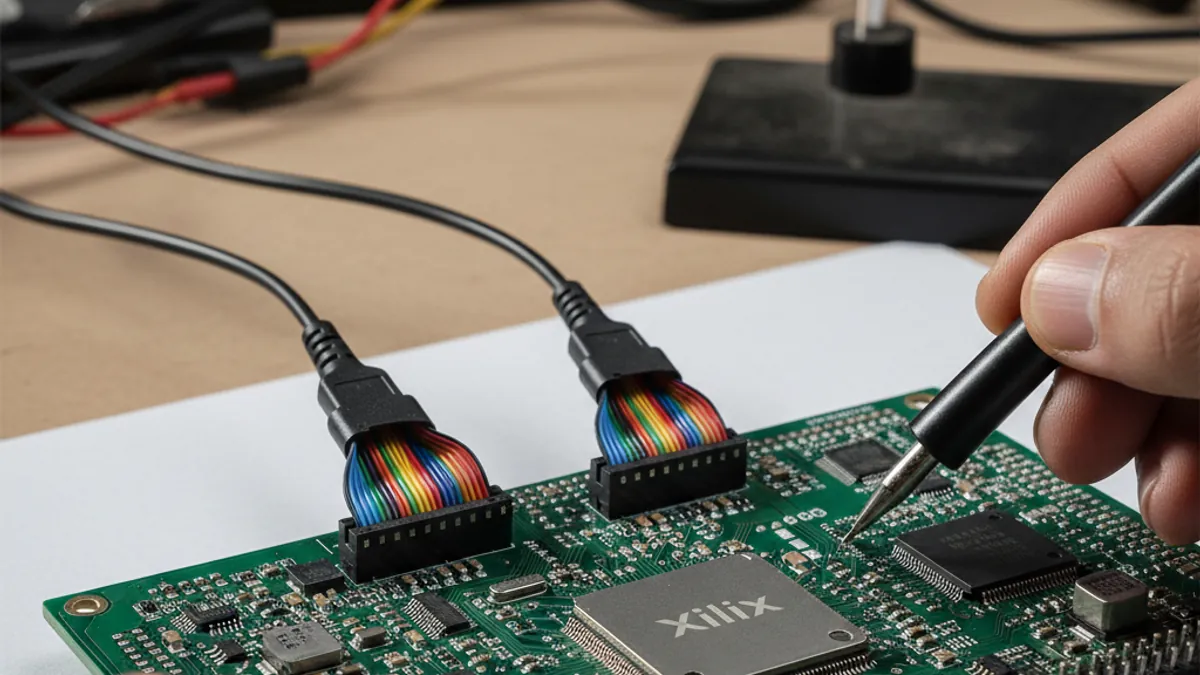
Digilent JTAG-HS2 and JTAG-HS3 USB programming cables connected to an AMD Xilinx FPGA board on an engineering bench in India
Technical Guides Digilent Aerospace & Defense

JTAG-HS3 vs HS2 FPGA Programming Cable: Boundary Scan, Production & Validation in India

A use-case guide to the Digilent JTAG-HS2 vs JTAG-HS3 FPGA programming cables for the engineers who actually rely on them, memory-validation bench teams, defence and aerospace FPGA production lines, and high-volume EMS boundary-scan test. Specs, IEEE 1149.1 structural test, production flash programming, and which cable to buy in India.

4 Jun 2026 · 11 min read
Cadence completes its acquisition of Hexagon's Design & Engineering business, bringing MSC Software simulation tools under Cadence, supported in India by GSAS Micro Systems
Industry Insights Cadence Automotive & Mobility

MSC Software Is Now Part of Cadence: What the Hexagon Acquisition Means for Indian Simulation Teams

Cadence has completed its acquisition of Hexagon's Design & Engineering business, the home of MSC Nastran, Adams, Marc, Cradle CFD, Actran, Romax, and VTD. For Indian engineering teams running these tools, nothing changes day to day. Here's what actually happened, what stays the same, and what gets better.

28 May 2026 · 6 min read
Technician testing a legacy industrial control board with a FADOS VI curve tracer
ProT Ar-Ge Aerospace & Defense Industrial Automation

Maintaining Legacy Electronics: How VI Curve Testing Extends Equipment Life in India

How VI curve tracing enables maintenance of legacy electronics when schematics are unavailable and replacement boards are discontinued, applications in defence, railways, industrial, and medical sectors in India.

5 Apr 2026 · 7 min read
MSC Nastran finite element stress analysis visualization on an automotive component
Technical Guides Cadence Aerospace & Defense

MSC Nastran: Six Decades of Structural FEA and Why It Still Matters in India

MSC Nastran is the reference structural FEA solver for aerospace certification, automotive NVH, and heavy engineering. Here is why Indian engineering teams rely on it, from SOL 101 to SOL 700.

4 Apr 2026 · 6 min read
Aerospace structural finite element model with aeroelastic analysis visualization
Technical Guides Cadence Aerospace & Defense

CAE Simulation for Aerospace in India: Structural, Aeroelastic, and Acoustic Analysis with Cadence

Indian aerospace programmes demand certified simulation workflows for structural substantiation, flutter clearance, and acoustic compliance. Cadence's MSC Nastran, Actran, and Marc deliver the solver depth required for airworthiness certification.

31 Mar 2026 · 6 min read
Continuous Development and CI/CD for Embedded Systems in India, featured image
Compliance & Safety Perforce Automotive & Mobility

Continuous Development and CI/CD for Embedded Systems in India

Continuous development transforms embedded workflows by automating build, test, and analysis cycles. Indian teams adopting CI/CD with static analysis are shipping safer software faster.

22 Mar 2026 · 3 min read
DO-178C Compliance for Indian Aerospace and Defence Software Teams, featured image
Compliance & Safety Perforce Arm

DO-178C Compliance for Indian Aerospace and Defence Software Teams

India's aerospace and defence sector is in the midst of a historic transformation.

22 Mar 2026 · 5 min read
Functional Safety for Indian Automotive and EMS: Meeting ISO 26262 and IEC 61508, featured image
Compliance & Safety Perforce Arm

Functional Safety for Indian Automotive and EMS: Meeting ISO 26262 and IEC 61508

A practical guide to functional safety standards for Indian automotive, two-wheeler, and EMS teams, covering ISO 26262, IEC 61508, IEC 62304, and the GSAS safety toolchain from Perforce, Arm, Segger, and Razorcat.

22 Mar 2026 · 3 min read
Static Application Security Testing: Why 50% of Vulnerabilities Start in Source Code, featured image
Compliance & Safety Perforce Automotive & Mobility

Static Application Security Testing: Why 50% of Vulnerabilities Start in Source Code

Half of all security defects originate at the source code level. SAST tools like Klocwork identify vulnerabilities during development, before they reach production. Here's what Indian engineering teams need to know.

22 Mar 2026 · 2 min read
Writing Secure C Code: Best Practices for Indian Embedded Engineers, featured image
Compliance & Safety Perforce Automotive & Mobility

Writing Secure C Code: Best Practices for Indian Embedded Engineers

Exploitable coding errors, not sophisticated attacks, are behind a large share of security incidents in embedded systems. Here is how Indian engineering teams can adopt secure C coding practices using proven frameworks and tools.

22 Mar 2026 · 3 min read
What Is CWE? Understanding Common Weakness Enumeration for Secure Embedded Software, featured image
Compliance & Safety Perforce Automotive & Mobility

What Is CWE? Understanding Common Weakness Enumeration for Secure Embedded Software

CWE stands for Common Weakness Enumeration, the community-developed catalogue of software and hardware weakness types that names the coding patterns behind recurring vulnerabilities in embedded C and C++.

22 Mar 2026 · 4 min read