If your team in India runs MSC Nastran, Adams, Marc, Cradle CFD, Actran, Romax, or VTD, you may have seen the headlines: the MSC Software simulation portfolio has a new home. As of February 23, 2026, these tools are part of Cadence.
The short version for GSAS customers: nothing changes about how you work. Your tools, your models, your file formats, your MSC One token pools, and your procurement through GSAS all continue exactly as before. This post explains what happened, what stays the same, and where the change actually helps you.
What happened
Cadence completed its acquisition of Hexagon’s Design & Engineering (“D&E”) business: the division that builds the MSC Software simulation portfolio along with Cradle CFD, Actran, Romax, and the VTD driving-simulation platform. Cadence has positioned the move as advancing its leadership in Physical AI and multiphysics simulation, combining its existing multiphysics work with decades of structural analysis, acoustics, and multibody dynamics from the MSC line-up.
In other words, the simulation solvers that Indian automotive, aerospace, defence, and heavy-engineering teams have relied on for years now sit inside a larger multiphysics simulation portfolio, with the engineering and R&D backing that comes with it.
What stays the same for your team
This is the part that matters most for engineering managers and procurement teams in Bengaluru, Hyderabad, Chennai, Pune, Mumbai, and Delhi NCR:
- Same tools, same names. MSC Nastran is still MSC Nastran. Adams, Marc, Cradle CFD, Actran, Digimat, Simufact, Romax, VTD, MSC Apex, Patran, Dytran, MaterialCenter, MSC CoSim, and SimManager keep their names and their solver behaviour.
- Same models and workflows. Your existing models, decks, scripts, and file formats are unaffected. Your validated solver setups keep producing the same results.
- Same MSC One licensing. The MSC One token-pool model works exactly as it did, one shared pool across the whole solver portfolio. Per-solver, floating (FlexLM), and subscription options continue too.
- Same partner in India, GSAS. GSAS Micro Systems remains your authorized engineering partner for the MSC simulation portfolio. Local procurement with INR invoicing, GeM, SAP Ariba, Coupa, and TReDS support, certified training workshops, MSC One token-pool sizing, and application-engineering support all continue without interruption.
We have supported this portfolio across India since 2018. That relationship, and the people you work with, does not change.
What gets better
Now that these solvers are part of Cadence’s broader multiphysics and Physical AI simulation portfolio, the roadmap behind them gets deeper. For Indian teams, that means GSAS can bring a wider set of Cadence simulation capabilities to the bench over time, more multiphysics breadth around the structural, CFD, acoustic, multibody, and driving-simulation tools you already run, and tighter coupling across them.
If you are scaling an NVH program, an EV thermal-management workflow, an ADAS/AD validation pipeline, or a certification-driven structural workflow, this is a portfolio that is investing in exactly those areas.
Questions Indian teams are asking
Do my current licenses still work? Yes. There is no action required on your existing MSC One pools or per-solver licenses.
Does anything change about pricing or INR procurement? No. GSAS continues to invoice in INR with the same GeM, SAP Ariba, Coupa, and TReDS routes.
Will the product names change? The solvers keep their established names, MSC Nastran, Adams, Marc, Cradle CFD, Actran, Romax, and the rest. If you search for “MSC Adams” and land on a Cadence page, it is the same product: see MSC Adams, now part of Cadence for the module breakdown and the India licensing routes.
Who do I contact for support, renewals, or new seats? The same team at GSAS Micro Systems. Nothing about your point of contact changes.
Talk to GSAS
Whether you are renewing MSC One, sizing a new token pool, evaluating Adams or Cradle CFD, or planning an ADAS validation program, the GSAS applications-engineering team is here in India to help, from Bengaluru, Hyderabad, Chennai, Pune, Mumbai, and Delhi NCR.
Explore the full portfolio on our Cadence simulation partner page, or request a quote and we’ll get back to you with India-local pricing and licensing options.
Sources & further reading:
- Cadence press release, Cadence Completes Acquisition of Hexagon’s Design and Engineering Business
- MSC Software product portfolio at Cadence, cadence.com/tools/msc-software
- Announcement on LinkedIn
Also appears in:
Interested in Cadence tools?
Talk to our application engineers for personalized tool recommendations.
More from Cadence
View all →
Adams Multibody Dynamics: The Standard for Vehicle Dynamics Simulation in India
5 Apr · 6 min
MSC Nastran: Six Decades of Structural FEA and Why It Still Matters in India
4 Apr · 6 min
Actran Acoustic Simulation: Solving the EV NVH Challenge in India
3 Apr · 6 min
Virtual Test Drive (VTD): Simulating Billions of Kilometres for ADAS Validation in India
2 Apr · 6 min
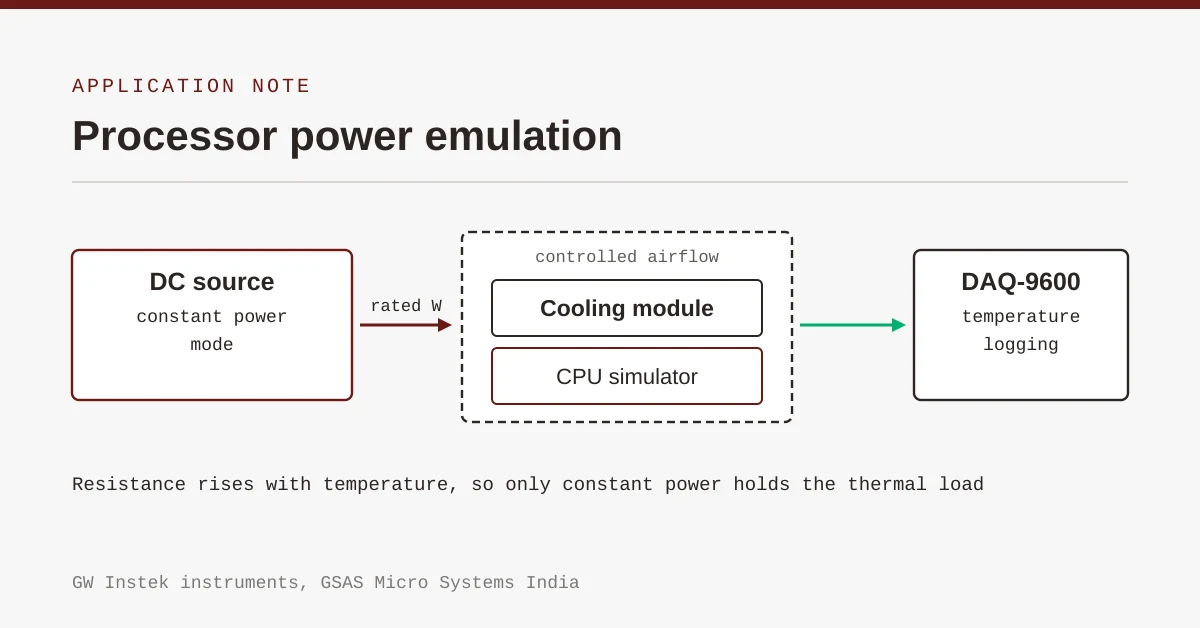
Emulating Processor Power for Thermal Testing: Why Constant Power
7 Oct · 7 min
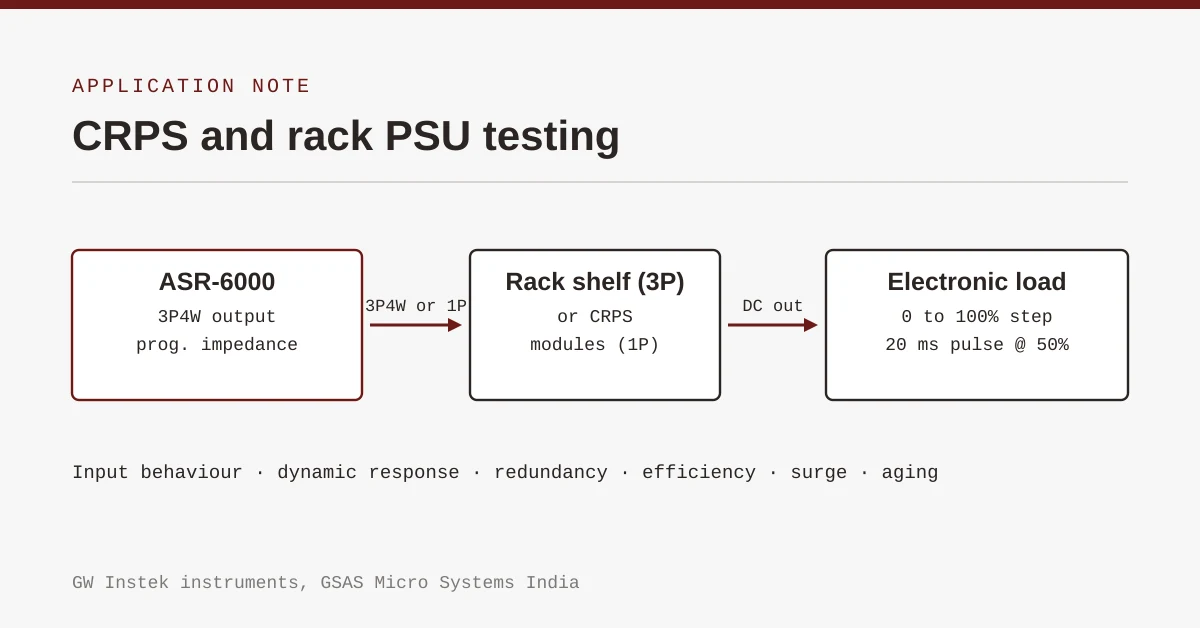
CRPS and Rack Power Supply Testing: The Six Tests That Matter
7 Oct · 7 min