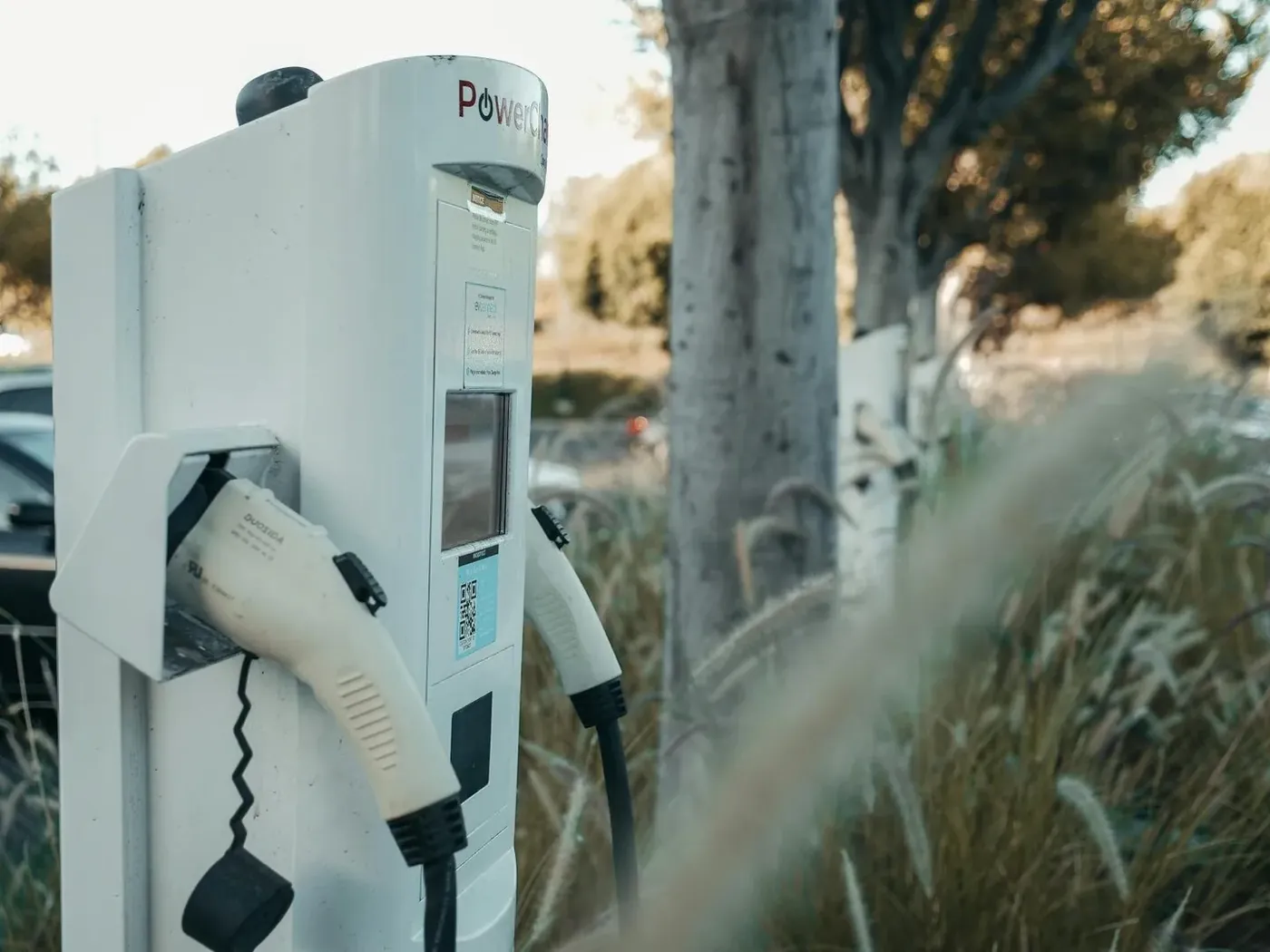
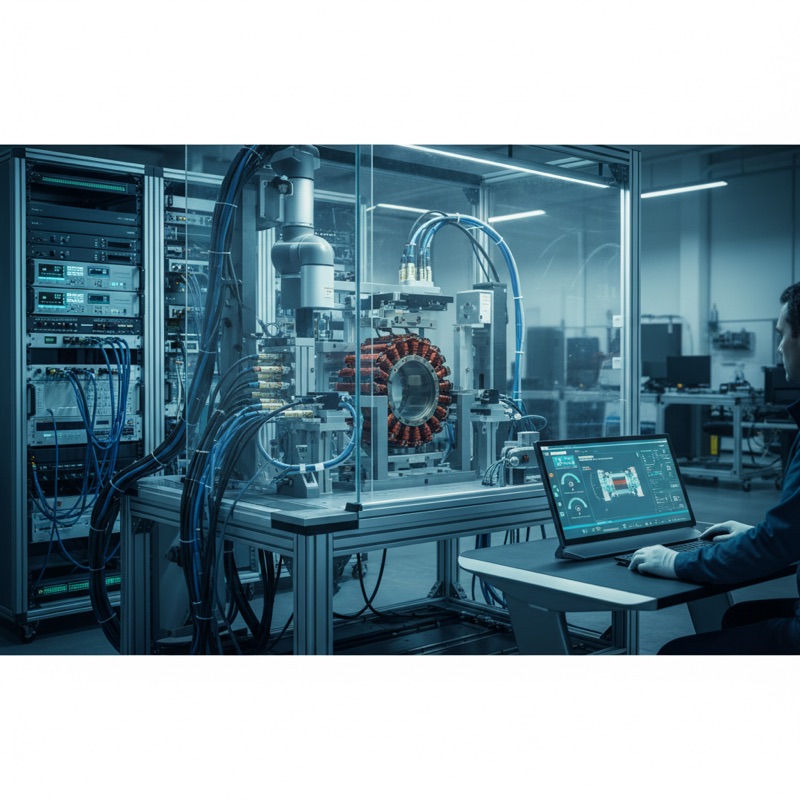
Battery management systems, powertrain controllers and chargers carry high voltages and currents, and their firmware decides what the hardware is allowed to do. That puts EV electronics under ISO 26262 for the vehicle side and IEC 61851 and ISO 15118 for charging, and it makes bench validation hard: a BMS has to be driven through its full charge and discharge range, ideally without a live pack on the bench.
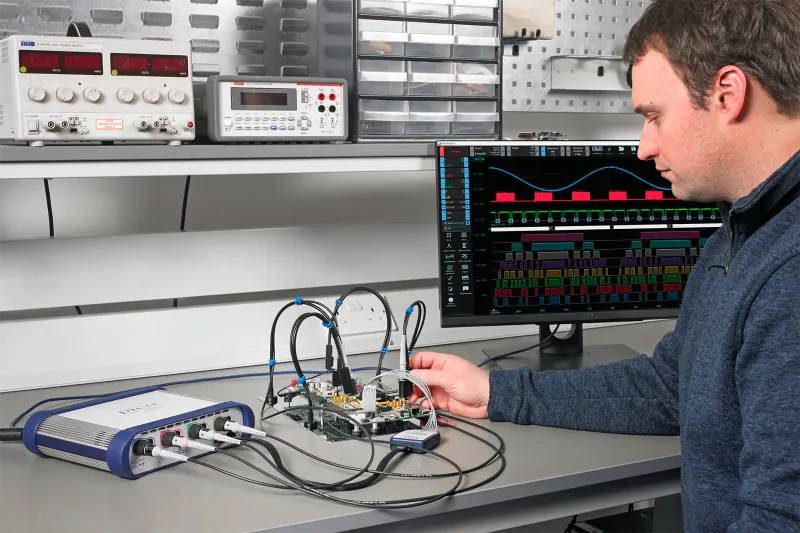
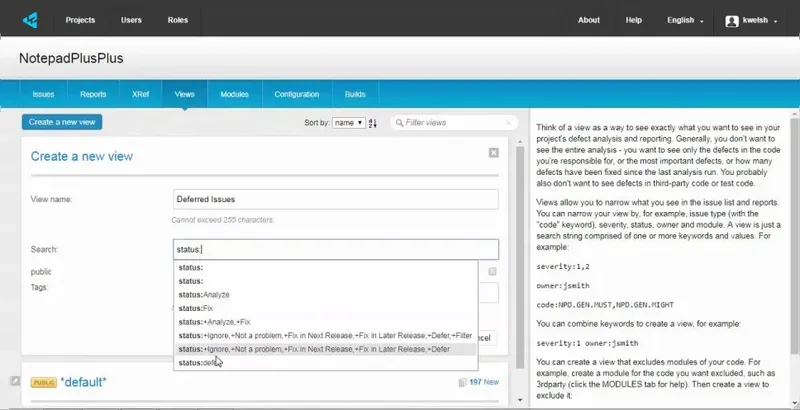
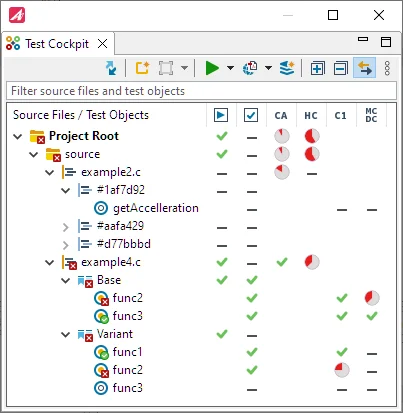
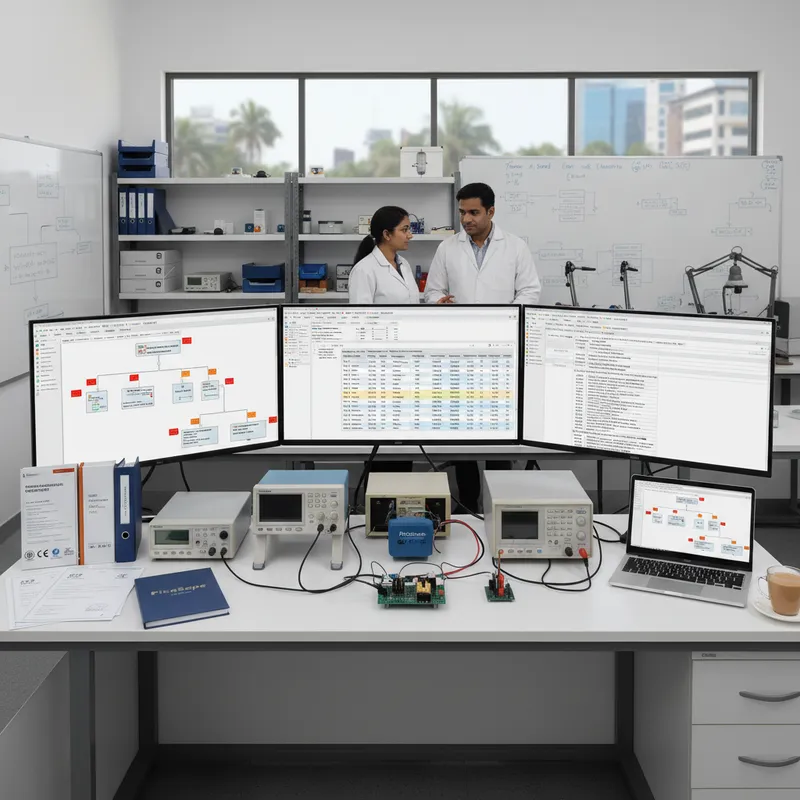
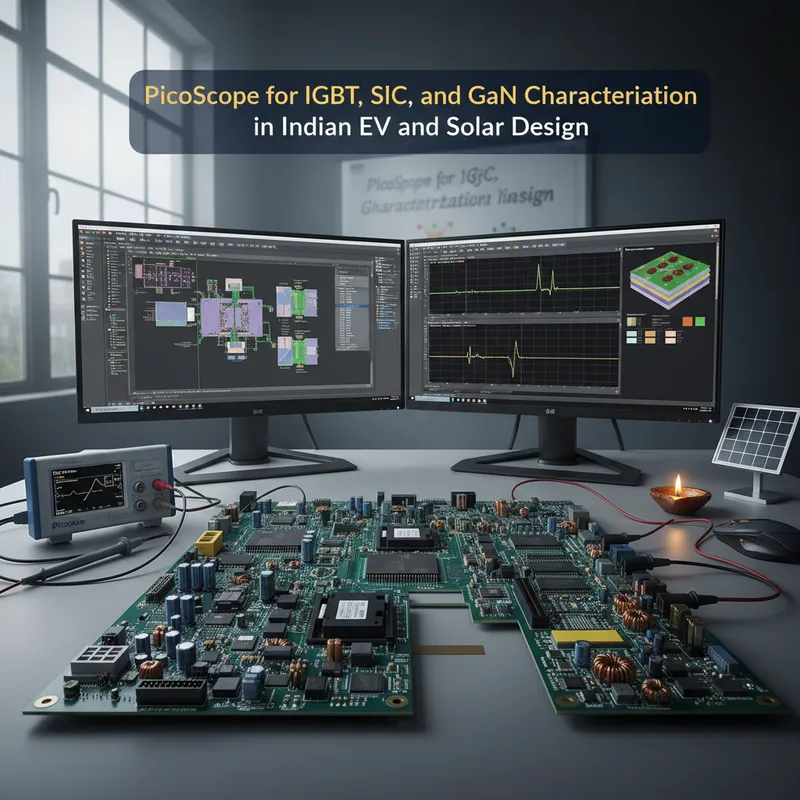
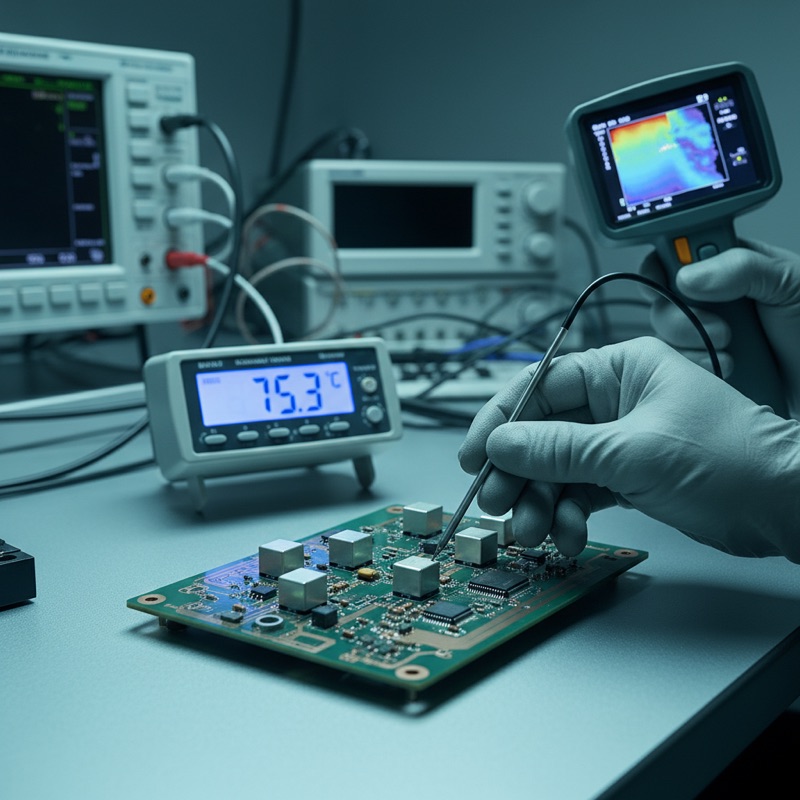
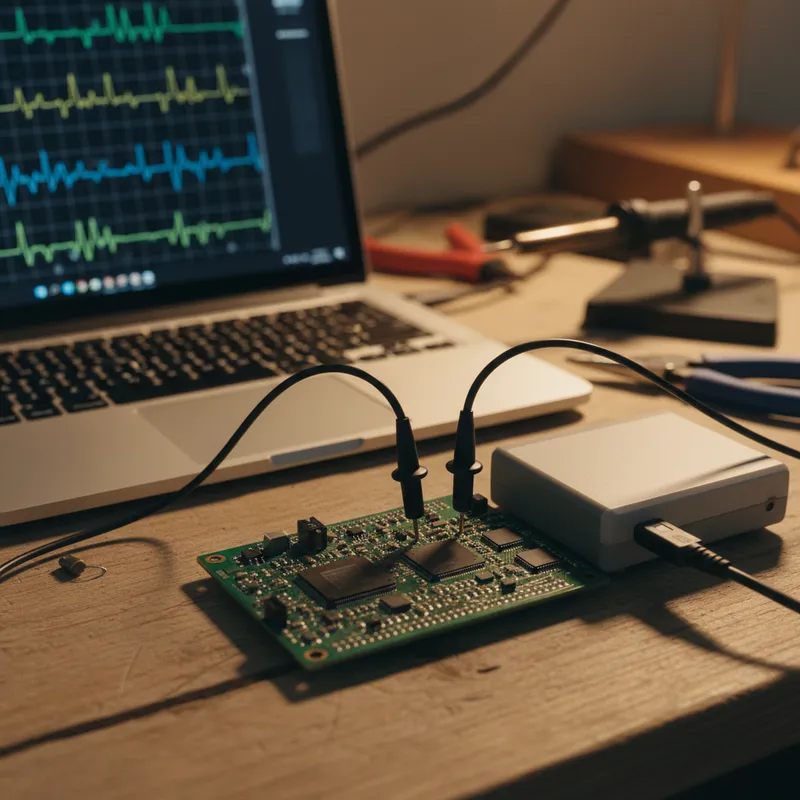
GSAS approaches this as one engineering problem. Battery management, powertrain and charger controller firmware is written alongside its verification evidence: TESSY by Razorcat automates unit testing and MC/DC coverage across BMS and powertrain modules, and Klocwork gates every change with static analysis. The Joulescope JS320 measures current, voltage, power and energy simultaneously for BMS development and battery life work, and PicoScope captures the waveforms of power electronics and motor drives.
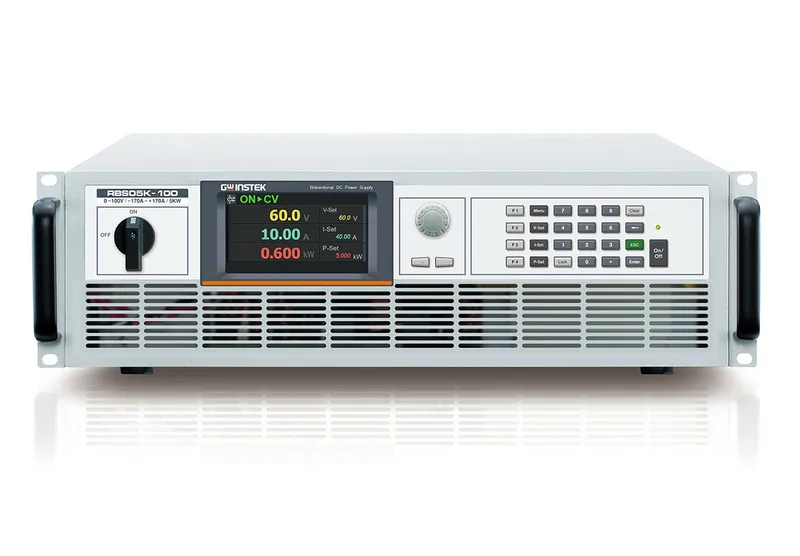
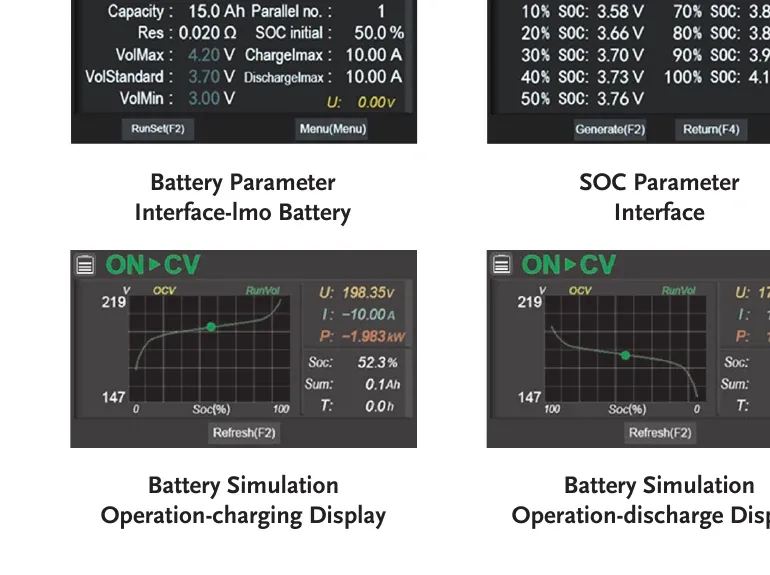
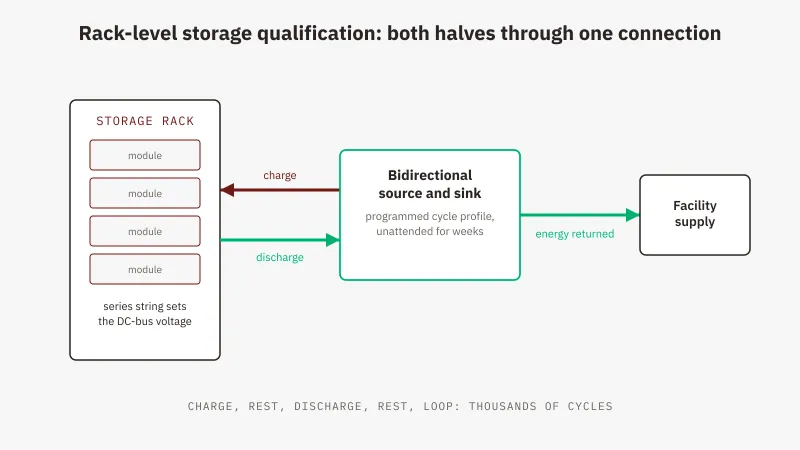
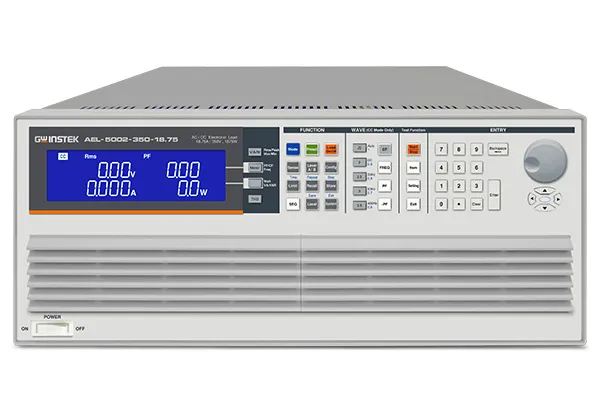
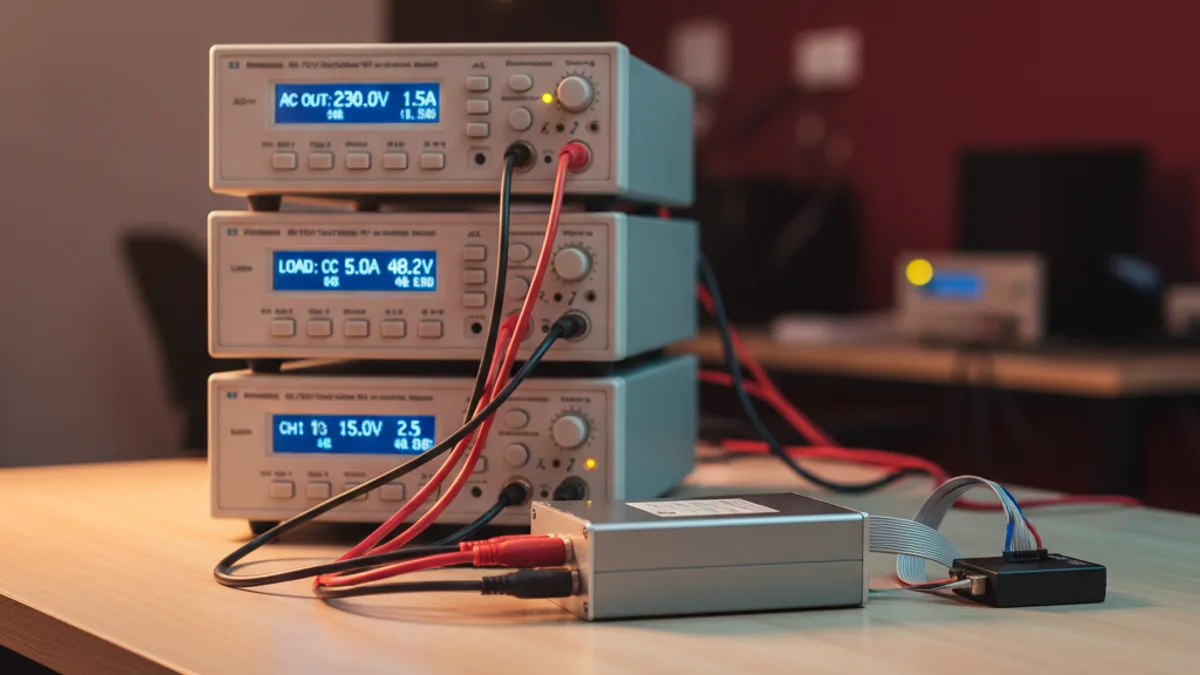
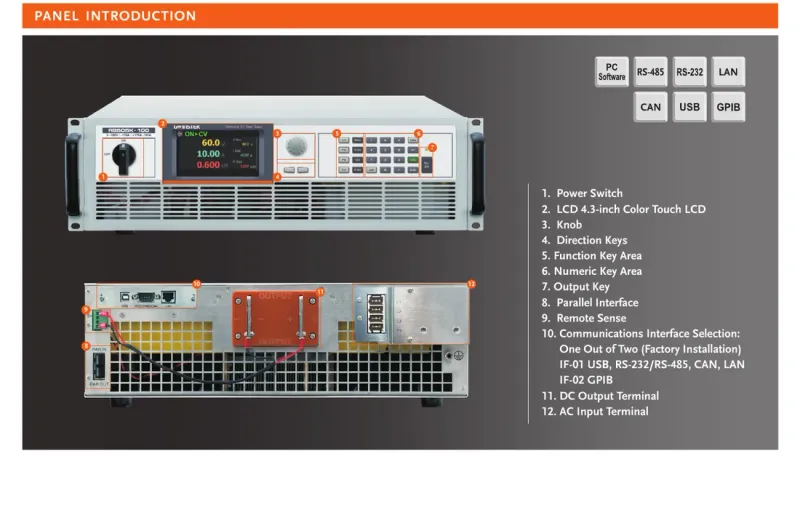
On the power side, the GW Instek RBS Series regenerative bidirectional DC source covers pack charge and discharge cycling, BMS validation through built-in battery emulation across eight chemistries, and bidirectional DC-DC converter testing, at 5 kW to 30 kW per 3U chassis, returning absorbed energy to the facility supply rather than dissipating it as heat. How to choose a regenerative bidirectional DC power supply walks the selection criteria for EV workloads.
This page covers four-wheel EV platforms, charging infrastructure and energy storage. For swappable packs and cost-optimised light EV controllers, see the Two-Wheelers & Light EVs page.