 Elsyca
 Elsyca AnodizingManager
Surface Finishing SimulationAnodizing process simulation for oxide film thickness prediction, rack optimization, and defect prevention. India licensing from GSAS.
Process
Aluminum anodizing simulation
Predictions
Oxide thickness, pore diameter/density, barrier layer
Optimization
Rack layout, cathode placement, process parameters
Input
STL/CAD geometry import
Reports
Automated KPI reports with thickness maps
Overview
About Elsyca AnodizingManager
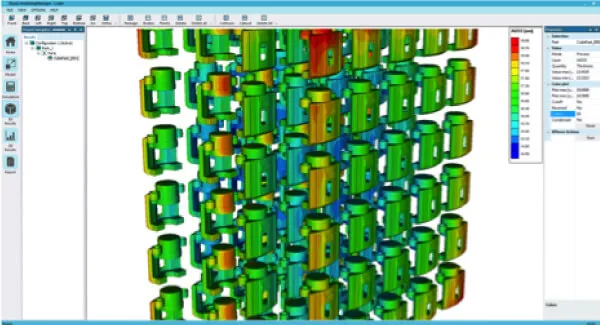
Elsyca AnodizingManager simulates the aluminum anodizing process to predict oxide film characteristics across complex 3D part geometries. The software models the electrochemical oxidation process, including current distribution, electrolyte flow, and thermal effects, to predict oxide film thickness, pore diameter, pore density, and barrier layer thickness at every point on the part surface. Engineers use these predictions to optimize rack design, cathode placement, and process parameters for uniform anodic coating quality before production begins.
| Feature | Specification |
|---|---|
| Process | Sulfuric acid anodizing (Type II and Type III / hard anodize) |
| Geometry Import | STL, STEP, IGES, complex 3D part geometries |
| Oxide Thickness | Spatial distribution prediction across part surface |
| Pore Structure | Pore diameter and pore density mapping |
| Barrier Layer | Barrier layer thickness prediction |
| Current Density | 3D current distribution modeling |
| Rack Optimization | Part placement, spacing, orientation on anodizing racks |
| Cathode Design | Cathode geometry, placement, and shielding optimization |
| KPI Reports | Automated HTML reports with thickness maps and uniformity metrics |
| Process Parameters | Voltage, temperature, electrolyte concentration, agitation |
Anodizing quality depends critically on achieving uniform current distribution across the part surface. Recessed areas, sharp edges, and shielded zones receive different current densities, resulting in non-uniform oxide film thickness that affects both cosmetic appearance and functional performance. For architectural and consumer electronics applications, thickness variation causes visible color differences after dyeing. For hard anodize applications in aerospace and defense, under-anodized zones compromise wear resistance and corrosion protection. Traditional process development relies on trial-and-error racking and destructive cross-section testing, which is costly and time-consuming.
AnodizingManager replaces empirical optimization with physics-based simulation. Engineers import the part geometry in STL or CAD format, define the rack configuration and cathode arrangement, and specify process parameters including voltage, electrolyte concentration, and temperature. The software solves the electrochemical equations governing anodic oxidation to produce detailed maps of oxide thickness, pore structure, and barrier layer thickness across the entire part surface. Color-coded 3D visualizations immediately highlight thin zones and over-anodized areas, enabling targeted rack and process adjustments.
The rack optimization capability is particularly valuable for high-volume anodizing operations where multiple parts are processed simultaneously. AnodizingManager predicts how part-to-part interactions and shielding effects impact individual part quality, enabling engineers to design rack layouts that maximize throughput while maintaining coating specifications. Cathode geometry and placement can be optimized to improve current distribution in challenging recessed areas without affecting the rest of the part.
Automotive trim suppliers, aerospace component manufacturers, architectural aluminum fabricators, and consumer electronics companies use AnodizingManager to qualify anodizing processes for new parts, optimize existing production lines, and troubleshoot coating quality issues. The automated KPI reporting provides documented process validation that supports quality system requirements and customer specifications.
GSAS Micro Systems is an authorized Elsyca partner in India, providing AnodizingManager licensing, anodizing process simulation consulting, and training for surface finishing engineering teams in automotive, aerospace, and industrial manufacturing.
Blog
Elsyca Insights
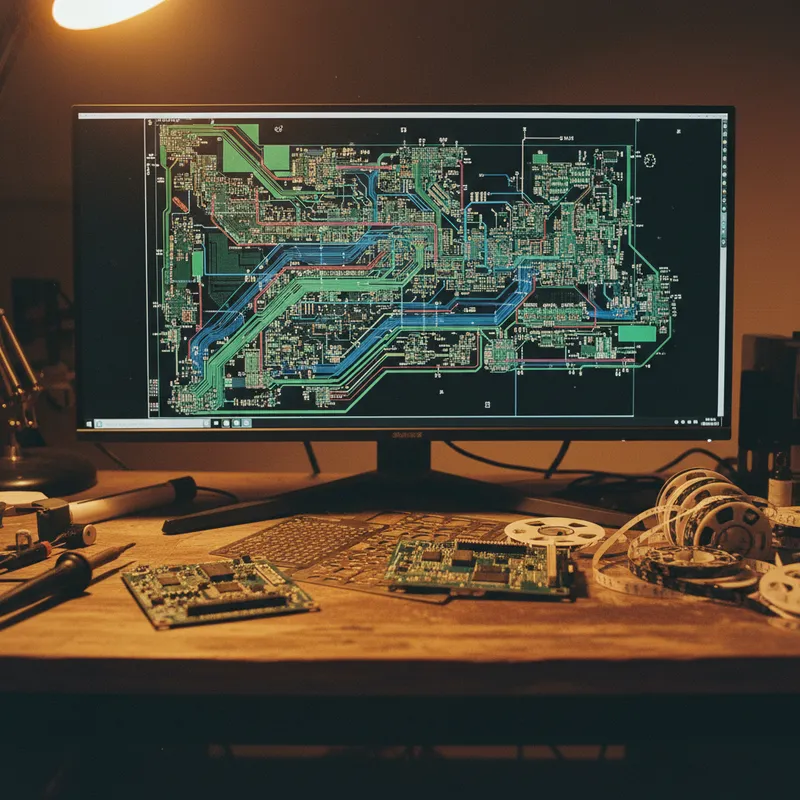
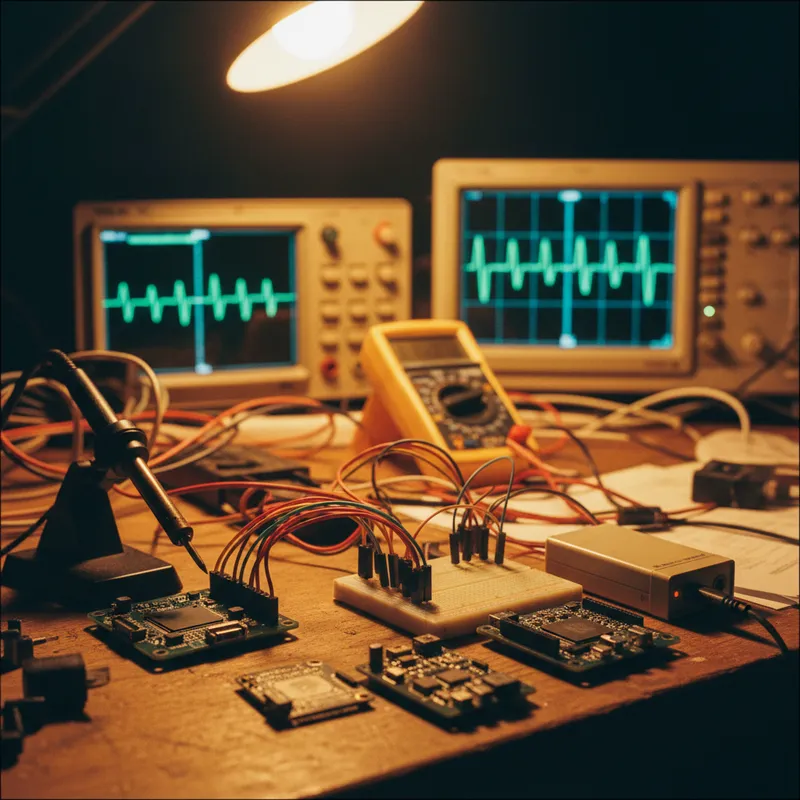
Elsyca PCBPlate: How Panel Plating Simulation Predicts Copper Thickness Before Fabrication
Elsyca PCBPlate simulates the electrochemical plating process to predict copper thickness distribution across PCB panels with 90%+ validated accuracy. Here is how it works and why Indian PCB manufacturers and designers need it.
Elsyca PlatingManager: Digital Twin Simulation for Industrial Electroplating Lines
Industrial electroplating, decorative chrome, hard chrome, zinc-nickel, copper, nickel, and tin plating of 3D parts, has traditionally been an empiric...

Copper Thieving for PCBs: Why Manual Methods Fail and How Simulation Fixes It
Copper thieving is the standard DFM technique for improving plating uniformity, but manual thieving patterns are crude approximations. Elsyca PCBBalance automates copper balancing using electrochemical simulation, delivering uniform plating that manual methods cannot achieve.
Related products
More from Elsyca
All Elsyca products →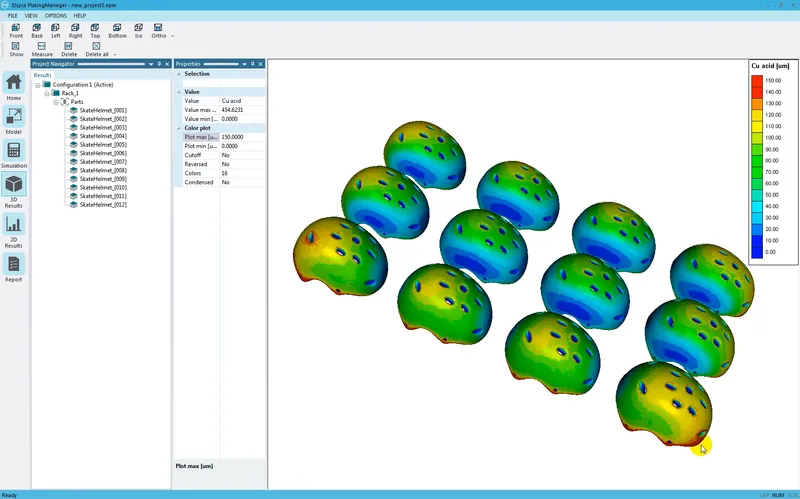
PlatingManager
Electroplating process simulation for predicting coating thickness distribution and optimizing rack layout, anode geometry, and current waveforms. Authorized India partner, GSAS Micro Systems.
View PlatingManager →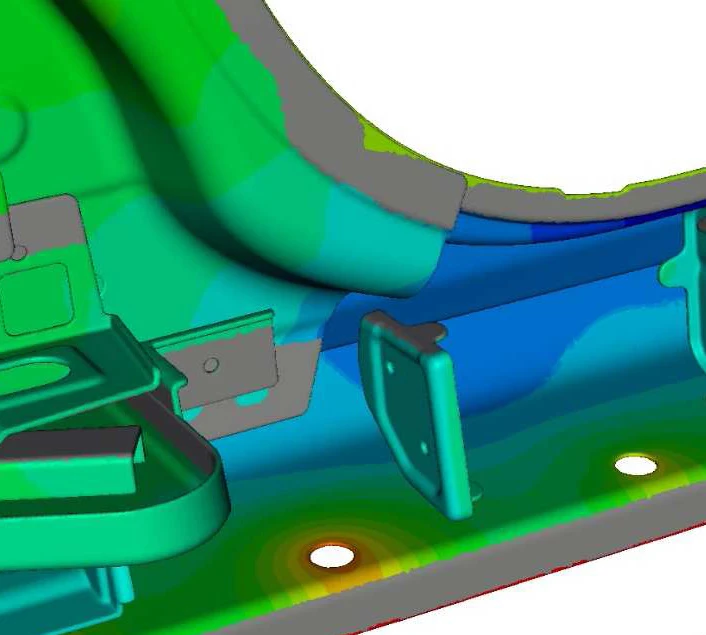
ECoatMaster
E-coating simulation for automotive body-in-white structures, predicting film thickness in complex cavities to eliminate bare spots. India pricing and local support from GSAS.
View ECoatMaster →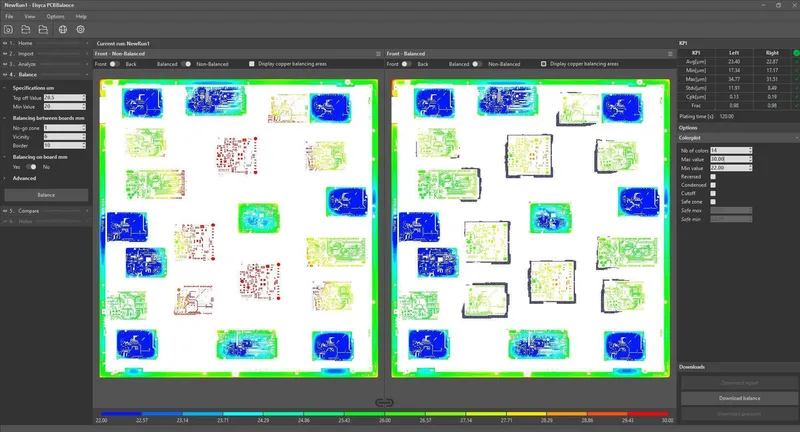
Elsyca PCBBalance
Automated PCB copper balancing DFM software, generates optimized Gerber files with uniform plating thickness. India licensing and support from GSAS.
View Elsyca PCBBalance →Interested in Elsyca AnodizingManager?
Get pricing, an evaluation unit, or a technical consultation from our application engineers.