Why Coding Standards Matter Beyond Style
Coding standards for embedded systems are not about indentation or naming conventions. They are safety rules, specific patterns of C and C++ usage that, if violated, lead to undefined behavior, memory corruption, race conditions, or security vulnerabilities. In safety-critical industries, violating a coding standard can mean a failed TÜV assessment, a product recall, or a vulnerability that an attacker can exploit.
82% of automotive software teams use at least one coding standard. MISRA usage increased 8% in 2026, now used by 61% of automotive professionals globally (Perforce 2026 State of Automotive Software Report). Indian teams competing for global automotive contracts cannot afford to be in the remaining 18%.
The Standards
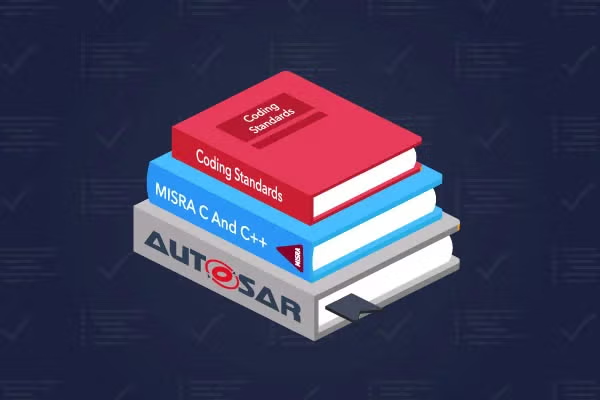
MISRA C and MISRA C++
The Motor Industry Software Reliability Association (MISRA) guidelines are the de facto standard for safety-critical C and C++ code. MISRA C:2025 is the latest release, covering undefined behavior, implementation-defined behavior, and patterns that lead to defects.
MISRA C++:2023 modernizes the C++ guidelines for ISO C++17, replacing the aging MISRA C++:2008. For teams writing modern C++ on Arm Cortex-M or Cortex-R processors, this is the standard that TÜV assessors expect.
Enforced by: Perforce QAC (Perforce’s gold standard for MISRA, 100% rule coverage) and Klocwork.
AUTOSAR C++14
The AUTOSAR Adaptive Platform C++14 coding guidelines extend MISRA C++ for automotive middleware and application software. Adopted by 36% of automotive teams in 2026, now the second most popular coding standard globally.
Enforced by: Perforce QAC.
CERT C and CERT C++
The SEI CERT coding standards focus on secure coding practices, preventing vulnerabilities like buffer overflows, integer overflows, and improper input validation. Used by 64% of automotive teams for vulnerability detection (Perforce 2026 Report).
Enforced by: Klocwork (complete L1 coverage) and Perforce QAC.
CWE Top 25
The Common Weakness Enumeration (CWE) Top 25 catalogs the most dangerous software weaknesses. Updated annually, CWE 2024 Top 25 is the current baseline. Essential for teams addressing IEC 62443 (industrial security) and ISO/SAE 21434 (automotive cybersecurity).
Enforced by: Klocwork and Perforce QAC.
How Static Analysis Enforces Standards Automatically
Manual code review cannot reliably enforce the full MISRA guideline set across a 500,000-line codebase. Static analysis tools parse every line, trace every data flow, and report every violation, automatically, on every commit, in the CI/CD pipeline.
The workflow:
1. Developer writes code in IDE (VS Code, Keil, IAR, Arm DS)
2. Klocwork or Perforce QAC runs differential analysis on changed files, results in seconds
3. Violations appear in IDE with explanations and fix guidance
4. AI-assisted remediation (Klocwork 2025.4) suggests context-aware fixes
5. Quality gate blocks merge if critical violations remain
6. Dashboard tracks compliance trend across the project
This shift-left approach catches violations when they are cheapest to fix, during development, not during TÜV assessment.
Getting Started
GSAS delivers MISRA and coding standards workshops across India. Whether you are establishing MISRA compliance for the first time or migrating from MISRA C:2012 to MISRA C:2025, we provide:
- Initial codebase scan and violation baseline
- Custom rule configuration and suppression workflow
- CI/CD pipeline integration (Jenkins, GitLab CI, Azure DevOps, GitHub Actions)
- Developer training on MISRA, AUTOSAR, and CERT best practices
- TÜV SÜD qualification kit deployment
For a detailed overview of all coding standards, visit Perforce’s Coding Standards Guide.
Also appears in:
Interested in Perforce tools?
Talk to our application engineers for personalized tool recommendations.
More from Perforce
View all →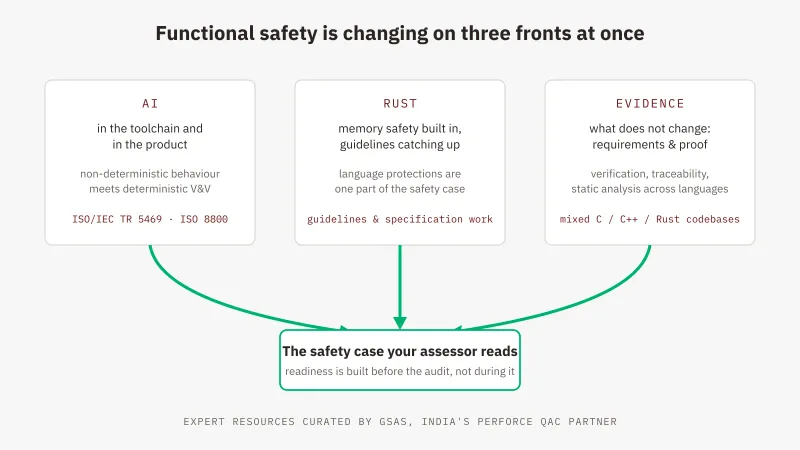
AI, Rust and the New Functional Safety Standards
2 Sept · 9 min
The Complete AUTOSAR Verification Chain: AUTOSAR C++14 Static Analysis with Perforce QAC, SWC and RTE Testing with TESSY 6
31 Jul · 9 min
DevSecOps Tools and Practices for Embedded Teams in India
18 Jul · 8 min
Static Analysis for Medical Device Software: IEC 62304 and FDA Compliance in India
18 Jul · 9 min
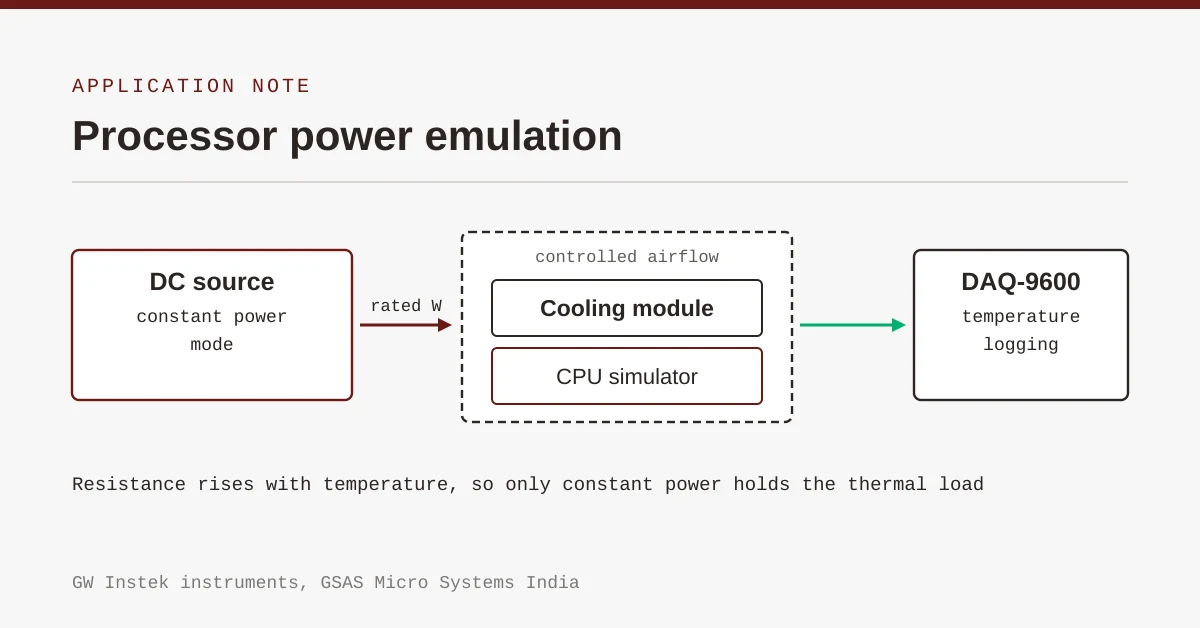
Emulating Processor Power for Thermal Testing: Why Constant Power
7 Oct · 7 min
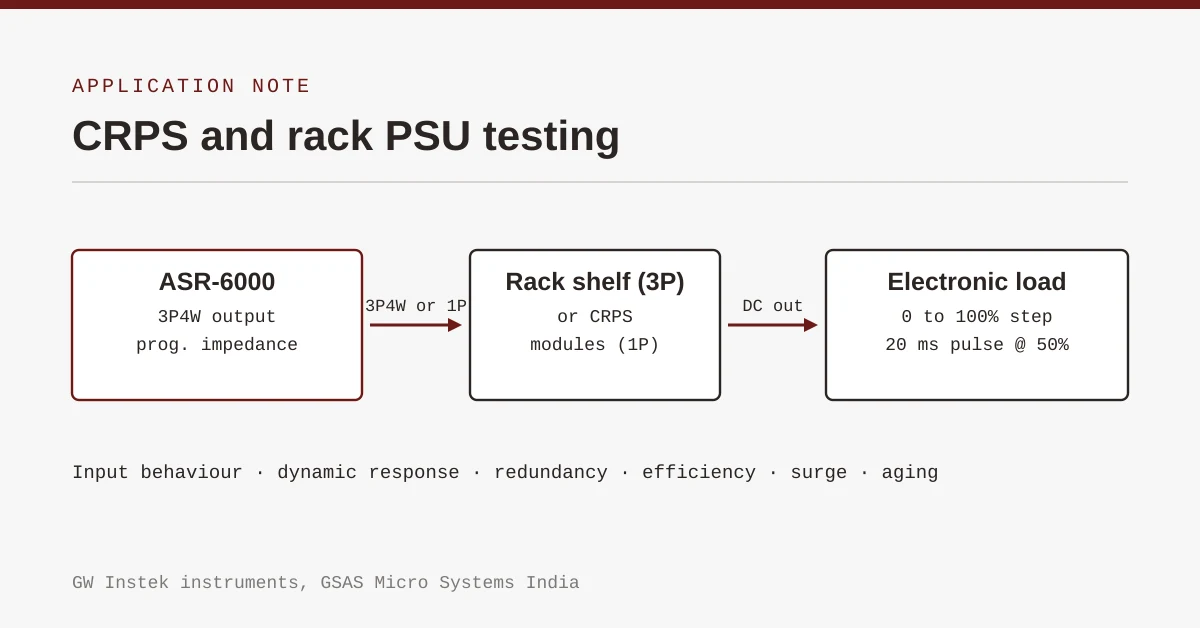
CRPS and Rack Power Supply Testing: The Six Tests That Matter
7 Oct · 7 min