At Embedded World 2026 in Nuremberg, SEGGER Microcontroller’s emApps took home the Best in Show Award in the Dev Tools, Software & OS category, judged by Embedded Computing Design on a 15-point rubric assessing design excellence, relative performance, and market disruption. Out of twelve award categories covering everything from AI and HPC to security and wireless, emApps stood out as the year’s most impactful development tool.
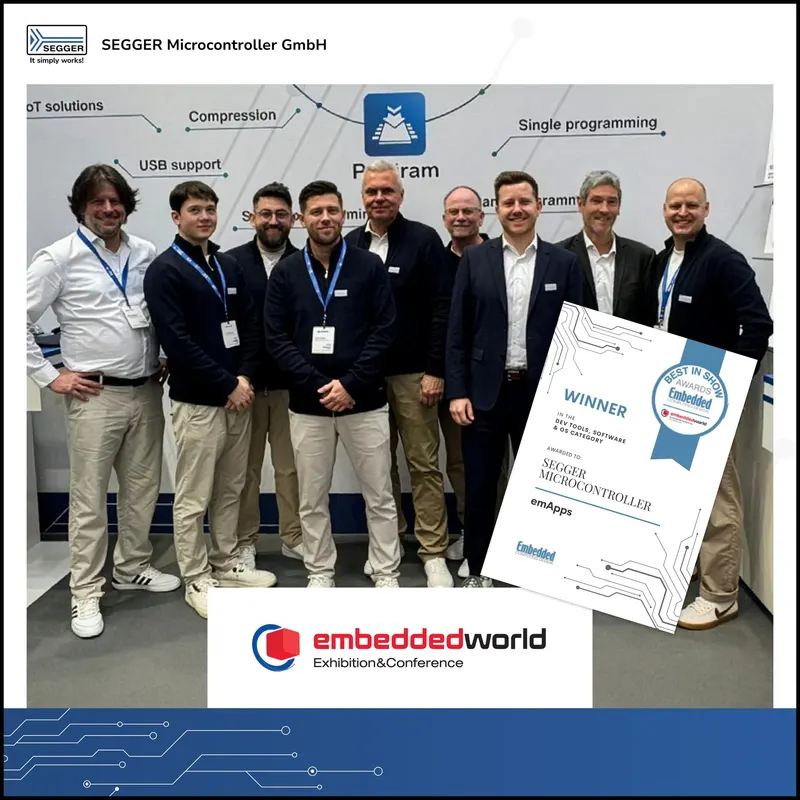
The SEGGER team at Embedded World 2026 with the Best in Show award for emApps.
What emApps Actually Does
emApps introduces a runtime application layer for embedded systems, a concept that, until now, existed only in the desktop and mobile worlds. The core idea is deceptively simple: decouple application logic from validated firmware so that new functionality can be deployed without touching the base system.
In practice, this means small, purpose-built apps can be dynamically loaded and executed in a protected sandbox environment at runtime. Each app runs in its own isolated memory space, completely separated from the core firmware and from other apps. The firmware remains untouched, validated, and stable. The apps handle the evolving requirements, new UI screens, updated protocols, additional sensor processing, without triggering a full firmware re-qualification cycle.
Three properties make emApps technically significant:
- Small app footprint: Apps are compact binaries that load onto resource-constrained microcontrollers without inflating the firmware image.
- Hardware-enforced sandboxing: Memory isolation uses MPU/MMU capabilities on the target MCU, ensuring a misbehaving app cannot corrupt firmware or other apps.
- Integration: emApps plugs into SEGGER’s existing embedded stack (embOS, emWin, emFile, emNet, emUSB, emSSL) so apps can access GUI rendering, file I/O, networking, and USB through well-defined, stable APIs.
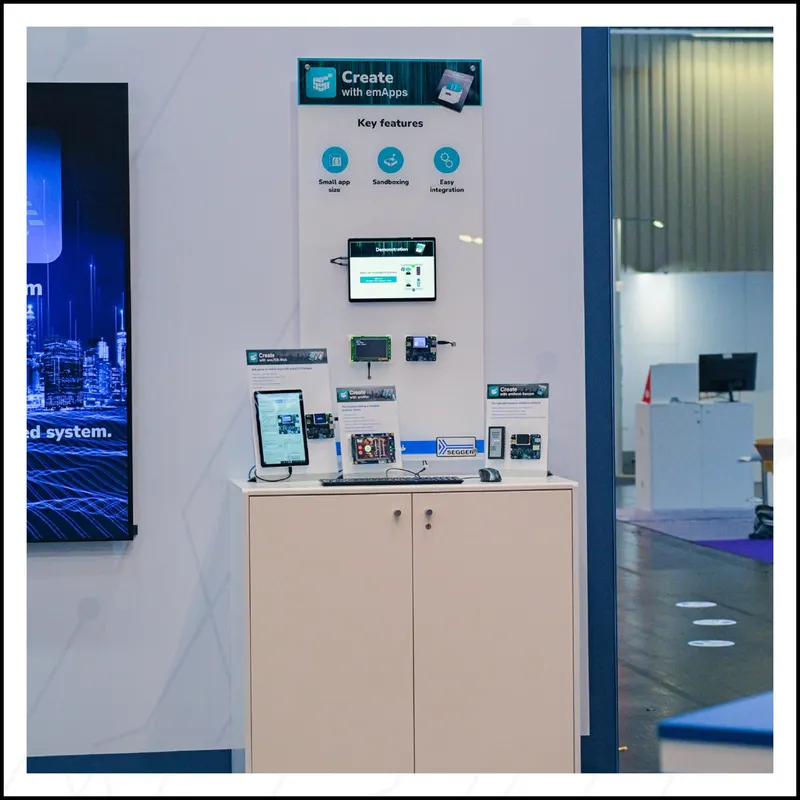
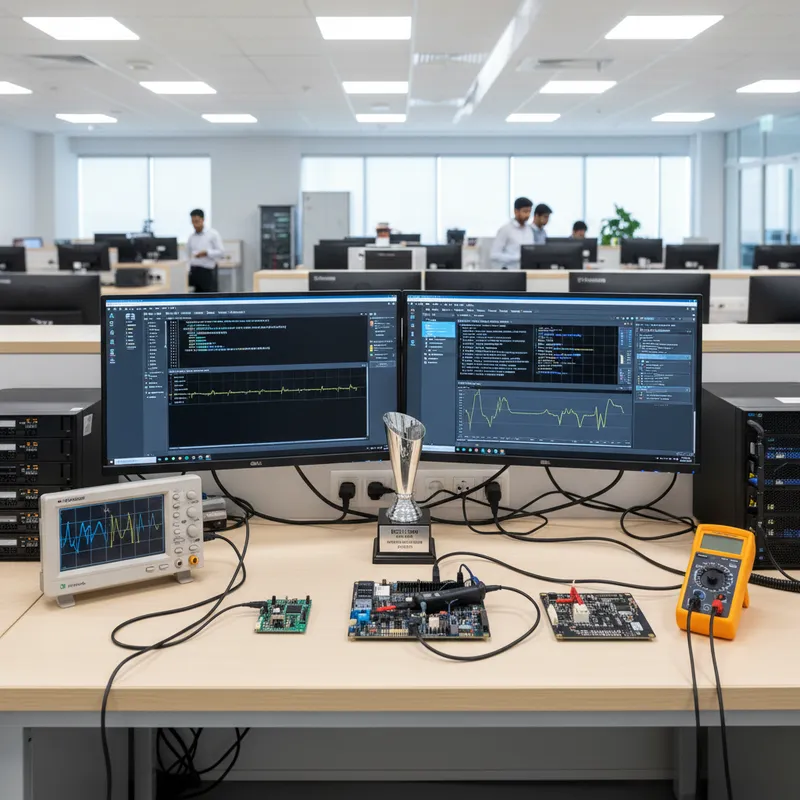
The emApps demo station at SEGGER’s Embedded World booth, live sandboxed apps running across multiple MCU platforms.
Why This Matters for Embedded Development
The embedded industry has long operated under a monolithic firmware model: every feature ships as part of a single, tightly coupled binary. Change one module and the entire image needs re-testing, a process that scales poorly as products grow in complexity and regulatory requirements tighten.
emApps breaks this coupling. Field updates become surgical: push a new app, leave the firmware untouched. Safety-critical and non-critical code coexist on the same MCU without sharing fault domains. Product variants can ship identical firmware with different app configurations.
For teams building medical devices, industrial controllers, or automotive peripherals, domains where re-certification costs dominate the development budget, this is not an incremental improvement. It changes the economics of embedded software maintenance.
The SEGGER Ecosystem Behind emApps
emApps does not exist in isolation. It draws on SEGGER’s decades-deep embedded software stack:
- embOS: Safety-qualified RTOS certified to ISO 26262 and IEC 61508, providing the deterministic scheduling layer that emApps relies on.
- emWin: Embedded GUI library powering touchscreen and display interfaces, now accessible to sandboxed apps.
- emFile: File system for flash, SD, and eMMC storage, apps can read and write persistent data through controlled APIs.
- emUSB-Host/Device: Full USB stack enabling app-level USB functionality without firmware modification.
- emNet: TCP/IP networking with IPv4/IPv6, DHCP, DNS, and application protocols.
- emSSL / emSSH / emSecure: Cryptographic and secure communication libraries for TLS, SSH, and code signing.
The integration between these components is what makes emApps viable. A sandboxed app can render a GUI dashboard (emWin), log data to an SD card (emFile), and push telemetry over MQTT (emNet + emSSL), all without a single line of code in the core firmware. That level of composability, with memory isolation, is what caught the judges’ attention.
Available in India Through GSAS
GSAS is an authorized distribution and technical support partner in India. The full SEGGER embedded software portfolio, including emApps, embOS, emWin, J-Link debug probes, and Embedded Studio, is available with:
- Local technical support: Direct access to engineers who understand both the SEGGER stack and the Indian embedded ecosystem.
- Evaluation and licensing: Trial licenses to evaluate emApps on your target hardware before committing.
- Integration assistance: Guidance on adopting emApps within existing firmware architectures, including migration from monolithic designs.
If your team is building products on Cortex-M, Cortex-A, or RISC-V platforms and the firmware update cycle is becoming a bottleneck, emApps is worth evaluating.
Explore SEGGER products through GSAS →
Request an emApps evaluation →
See the Original Post on LinkedIn
Also appears in:
Interested in SEGGER tools?
Talk to our application engineers for personalized tool recommendations.
More from SEGGER
View all →
Meet the GSAS Team at electronica India 2026, Stall H3.I45
15 Sept · 3 min
J-Link Is Now Validated by ST for StellarStudio
13 Sept · 2 min
An AI Agent That Drives the Debugger: SEGGER and Embedder Connect J-Link to the Loop
13 Sept · 6 min
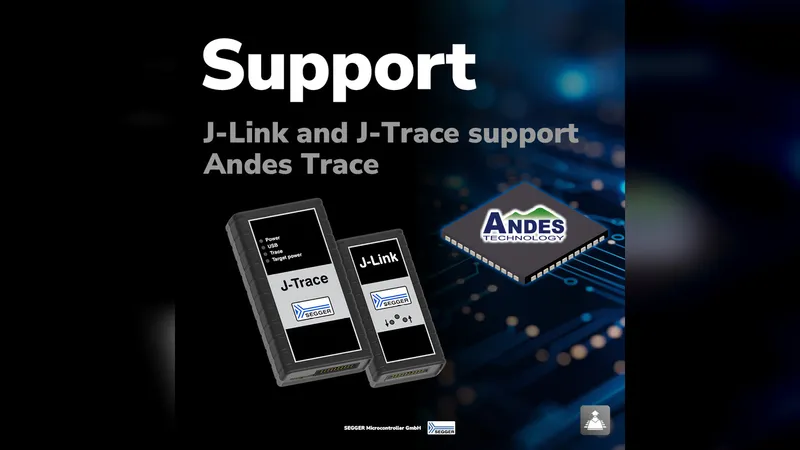
SEGGER J-Link and J-Trace Now Support Andes Trace: Why This Matters for RISC-V
21 Jul · 6 min
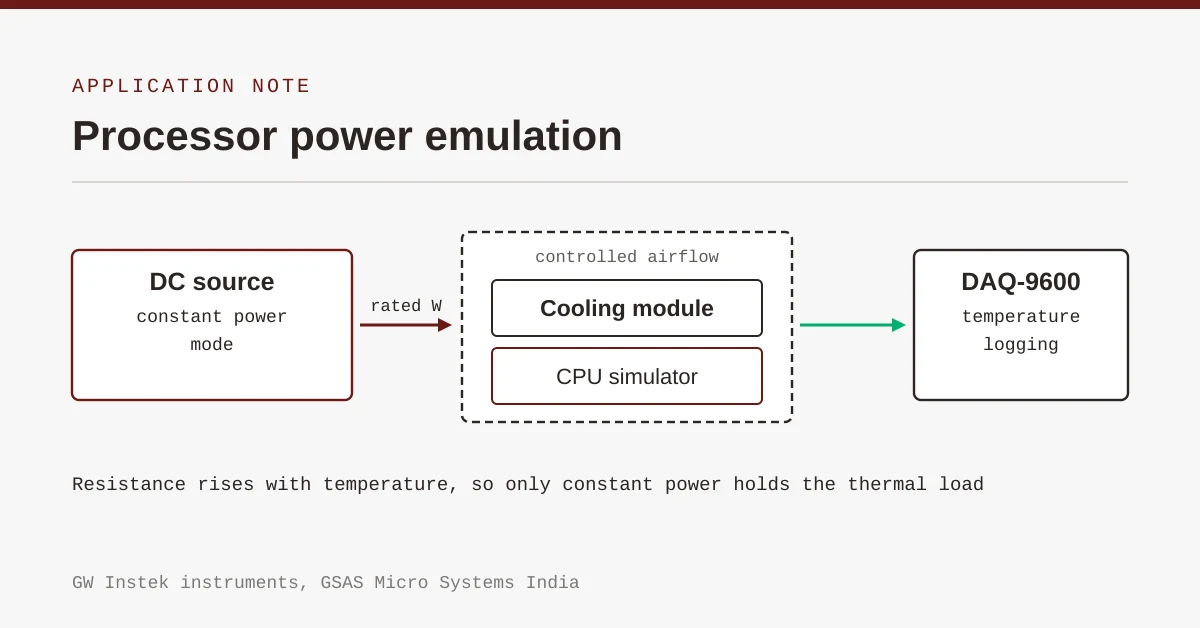
Emulating Processor Power for Thermal Testing: Why Constant Power
7 Oct · 7 min
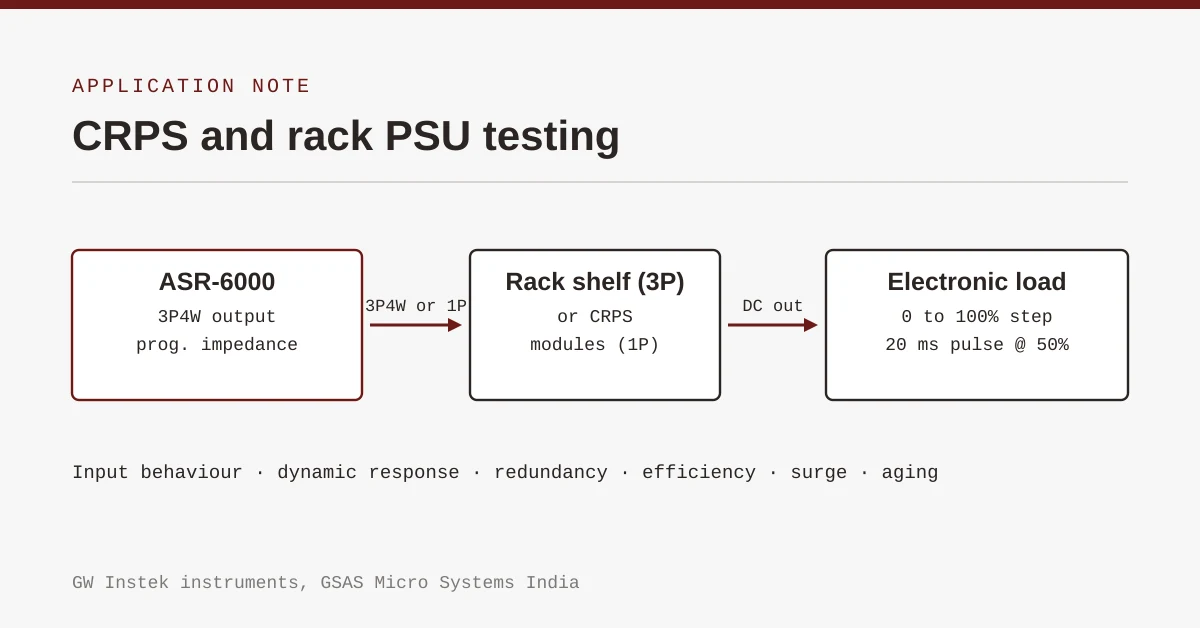
CRPS and Rack Power Supply Testing: The Six Tests That Matter
7 Oct · 7 min