# Cloud-Native PCB Design: What Indian Teams Need to Know About Xpedition Connect
The modern Indian electronics design landscape is increasingly distributed. A schematic capture engineer sits in Bengaluru. The layout specialist works from Hyderabad. The manufacturing liaison is stationed at a contract manufacturer’s facility in Pune. The programme manager reviews progress from the GSAS office in Chennai. This is not a hypothetical scenario, it is the daily reality for hundreds of Indian design teams working across multiple sites, time zones, and organisational boundaries.
For decades, the PCB design workflow has relied on file-based collaboration: zipped project archives sent over email, shared drives with cryptic naming conventions, and version control systems originally designed for software code rather than hardware design data. These approaches introduce friction, risk, and delay at every handoff point. When a layout engineer in Hyderabad opens a design file emailed from Bengaluru, there is no guarantee it is the latest version.
When a reviewer in Pune needs to inspect a placement decision, they must install the full layout tool, or wait for someone to export a PDF.
Xpedition Connect represents Siemens EDA’s answer to this challenge: a cloud-based design collaboration platform purpose-built for PCB design teams. For Indian engineering organisations navigating multi-site operations, defence project security requirements, and bandwidth constraints, understanding what cloud-native PCB design can and cannot do is essential.
The Multi-Site Indian Design Team
India’s electronics design ecosystem has a distinctive structure. Large organisations like Indian defence R&D agencies and major private-sector engineering services firms frequently operate design teams across multiple cities. Even smaller design houses, the 10-to-50-person firms concentrated in Bengaluru, Hyderabad, Noida, and Pune, often distribute work across offices to access specialised talent.
This distribution creates concrete problems. A typical multi-site PCB project might involve:
- Schematic capture performed in Bengaluru, where the system architect resides
- Component library management handled by a dedicated team in Noida
- PCB layout executed by specialists in Hyderabad, who have deep expertise in high-speed routing
- Design review conducted in Pune, close to the contract manufacturer
- Programme oversight managed from Chennai or Mumbai
Each handoff between sites is an opportunity for version drift, miscommunication, and delay. When a schematic change is made in Bengaluru, the layout team in Hyderabad may not receive the updated netlist for hours, or days, if the change coincides with a holiday or weekend. By the time the layout is updated, the schematic may have changed again.
What Xpedition Connect Delivers
Xpedition Connect provides a cloud-based infrastructure layer for Xpedition design projects. Rather than replacing the desktop layout and schematic tools, it sits alongside them, managing the storage, versioning, and sharing of design data.
Centralised Design Storage. All design files, schematics, layouts, constraints, libraries, reside in a central cloud repository. Engineers access the current design state directly, eliminating the need to email project archives or synchronise shared drives. When a schematic engineer in Bengaluru saves changes, those changes are immediately available to the layout engineer in Hyderabad. Version Management. Every design change is tracked with full version history. Engineers can compare any two versions of a schematic or layout, see what changed, and roll back if necessary. This eliminates the classic problem of overwriting a colleague’s work or losing track of which version was sent to manufacturing. Secure Sharing. Design data can be shared with specific individuals or teams, with granular access controls. A manufacturing partner in Pune might receive read-only access to output files without being able to modify the source design. A programme manager in Chennai can view the design’s current state without needing a full Xpedition installation. Real-Time Design Visualisation. Stakeholders who do not have the full Xpedition layout tool can view the design through a web browser. This is transformative for design reviews. A mechanical engineer can inspect component placement and board outline without installing PCB layout software. A procurement manager can review the bill of materials. A customer can see progress on their design, all through a browser.
IP Security for Indian Defence Projects
Indian defence electronics projects operate under stringent security requirements. Indian defence electronics organisations and their private-sector partners must comply with national security protocols, export control regulations, and customer-specific confidentiality agreements. The prospect of placing design data in the cloud raises legitimate concerns.
Xpedition Connect addresses these concerns through multiple mechanisms:
Managed Access Controls. Every user, every file, and every operation can be individually controlled. An administrator can ensure that only specific engineers within a specific team can access a particular project. Access can be time-limited, role-based, and audited. Export Compliance. For projects subject to export control regulations, common in Indian defence and aerospace, Xpedition Connect provides controls that restrict data access based on geography, organisational affiliation, and clearance level. This is particularly relevant for Indian organisations collaborating with international partners on dual-use technologies. Audit Trails. Every access, every modification, and every download is logged. For defence projects requiring formal configuration management, this audit trail provides the traceability that manual file-sharing workflows cannot match. On-Premises Options. For organisations that cannot place design data in a public cloud under any circumstances, Siemens offers deployment options that keep data within the organisation’s own infrastructure while still providing the collaboration benefits of the platform.
Indian defence electronics teams should evaluate these security mechanisms carefully against their specific compliance requirements. The key question is not whether cloud storage is inherently less secure than a shared drive, in most cases, it is significantly more secure, but whether the specific access controls and audit mechanisms meet the project’s regulatory framework.
Eliminating the Email Attachment Workflow
The most immediate practical benefit of Xpedition Connect for Indian teams is the elimination of email-based design sharing. Consider the typical workflow without cloud collaboration:
1. Engineer A in Bengaluru completes a schematic change
2. Engineer A zips the project folder (150 MB) and uploads to a shared drive
3. Engineer A emails Engineer B in Hyderabad with a link and a description of changes
4.
Engineer B downloads the archive, extracts it, and opens it in Xpedition
5. Engineer B discovers the archive was corrupted during transfer, or that it is missing a library file
6. Engineer B emails Engineer A for a fresh copy
7.
Meanwhile, Engineer A has made additional changes, creating a version conflict
This workflow is not merely inefficient, it is error-prone. Design data corruption, version mismatches, and missing dependencies are routine occurrences. With Xpedition Connect, Engineer B simply opens the current design from the central repository. The version is always current. The dependencies are always resolved. The integrity is always maintained.
Bandwidth Considerations for Indian Offices
Cloud-based tools require reliable internet connectivity, and Indian infrastructure presents a mixed picture. Tier-1 cities, Bengaluru, Hyderabad, Mumbai, Pune, Chennai, Delhi NCR, generally enjoy reliable broadband with speeds adequate for cloud design collaboration. However, offices in Tier-2 cities, industrial estates, or government campuses may face bandwidth limitations.
Xpedition Connect addresses this through intelligent synchronisation. Rather than streaming the entire design database over the network in real time, the system synchronises changes incrementally. A schematic modification that affects a few nets does not require re-downloading the entire multi-gigabyte project. This differential synchronisation approach significantly reduces bandwidth requirements.
That said, Indian teams should plan their network infrastructure accordingly. A dedicated internet connection with consistent upload and download speeds is more important than raw peak bandwidth. Teams should also consider the initial synchronisation time when setting up a new project or onboarding a new team member, the first download of a large project will take longer than subsequent incremental updates.
For teams operating in locations with inconsistent connectivity, Xpedition Connect supports offline work with later synchronisation, ensuring that a network interruption does not halt design progress.
Named-User Licensing: Always-On Access
Traditional EDA licensing models, node-locked licenses tied to specific machines, or floating licenses managed by a server, create friction for distributed teams. An engineer working from home cannot access a license locked to their office workstation. A floating license may be unavailable when all seats are in use by colleagues in a different time zone.
Xpedition Connect uses a named-user licensing model. Each licensed user can install and activate the tool on up to two devices, typically a workstation and a laptop. The license is tied to the user, not the machine, and does not require a license server. This means:
- An engineer can work from the office during the day and continue from home in the evening
- Travel between GSAS offices in Bengaluru, Chennai, and Vadodara does not require license reconfiguration
- No license server infrastructure to maintain, monitor, or troubleshoot
- No license contention during peak design periods
For Indian teams that frequently work across office and home environments, a pattern that has become standard since 2020, named-user licensing removes a persistent source of frustration and lost productivity.
Practical Adoption Considerations
Indian teams evaluating Xpedition Connect should consider several practical factors:
Existing Infrastructure. Teams already using Xpedition for desktop design can adopt Connect incrementally. The cloud layer adds collaboration capabilities without changing the core design workflow. Team Size and Distribution. The benefits of cloud collaboration scale with team distribution. A co-located team of three engineers sharing a single office may find less immediate value than a 15-person team spread across three cities. Security Classification. Teams working on classified or export-controlled projects should engage with Siemens and GSAS early to understand which deployment options meet their compliance requirements. Change Management. Moving from file-based collaboration to cloud-based collaboration requires changes in team workflow and habits. GSAS recommends a phased adoption approach: start with version management and centralised storage, then expand to cross-site sharing and stakeholder visualisation.
Getting Started with GSAS
GSAS Micro Systems, as an authorised channel partner in India, provides end-to-end support for Xpedition Connect adoption. From initial evaluation and licensing through deployment, training, and ongoing technical support, GSAS ensures that Indian teams realise the full potential of cloud-native PCB design collaboration.
Whether your team is a five-person design house in Bengaluru looking to collaborate with a manufacturing partner in Pune, or a fifty-person defence electronics division managing classified designs across multiple defence labs, GSAS can help you evaluate Xpedition Connect against your specific requirements.
Contact GSAS Micro Systems today to schedule a cloud collaboration demo. Our applications engineers can walk your team through the Xpedition Connect workflow using scenarios relevant to your industry and organisational structure. Our field application engineers are based in Bengaluru, Hyderabad, Chennai, Coimbatore, Pune, and Delhi NCR. Reach us through gsasindia.com or visit our offices in Bengaluru, Chennai, or Vadodara.
Also appears in:
Interested in Siemens EDA tools?
Talk to our application engineers for personalized tool recommendations.
More from Siemens EDA
View all →
India's EDA Moment: Why Design Tool Demand Is Growing, and the Engineering Careers It Creates
21 Sept · 9 min

AI and Complexity Are Redrawing EDA: Siemens on the Trillion-Transistor Era
13 Sept · 6 min
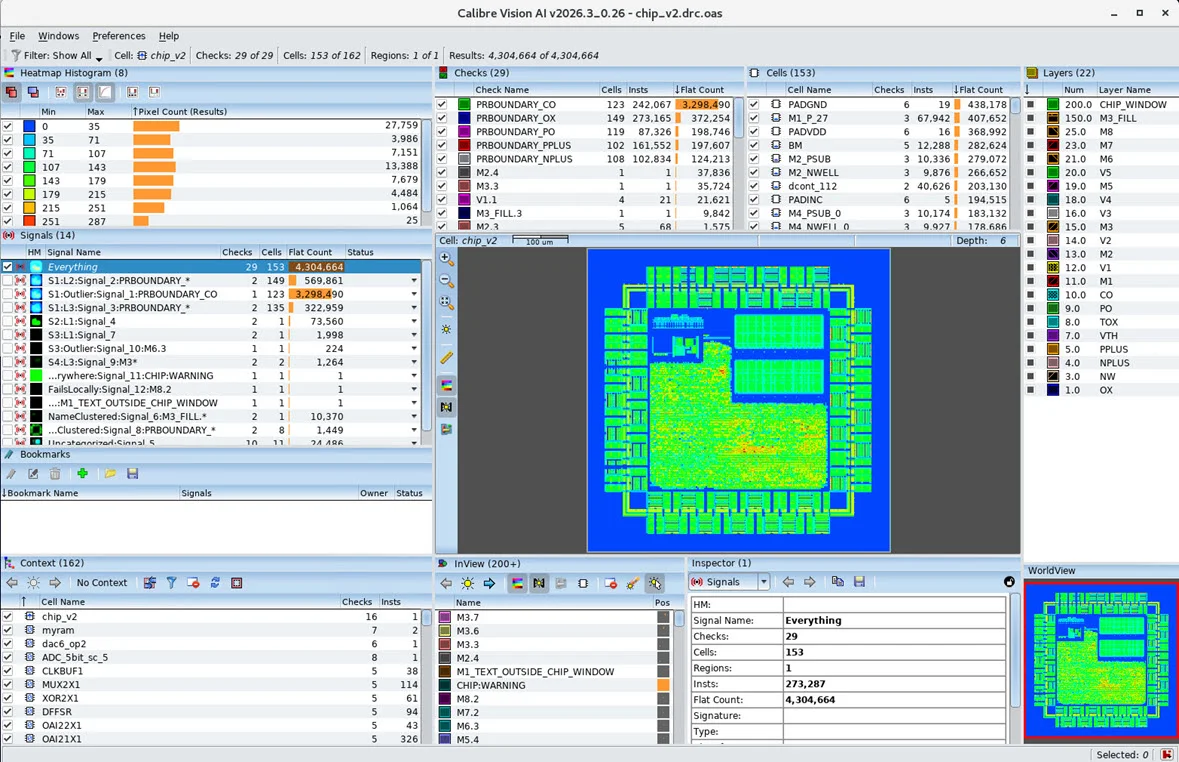
Calibre Vision AI: Bringing Order to DRC Debug at Advanced Nodes
24 Aug · 4 min
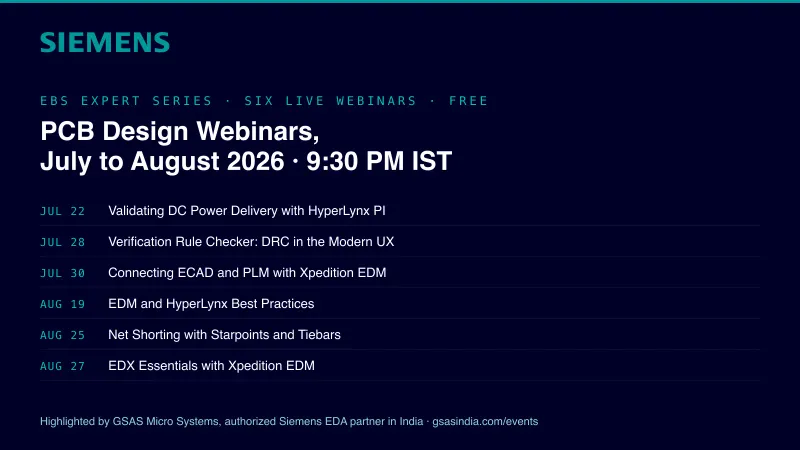
Siemens EDA EBS Expert Series: 6 Free PCB Design Webinars (Jul-Aug 2026)
20 Jul · 8 min
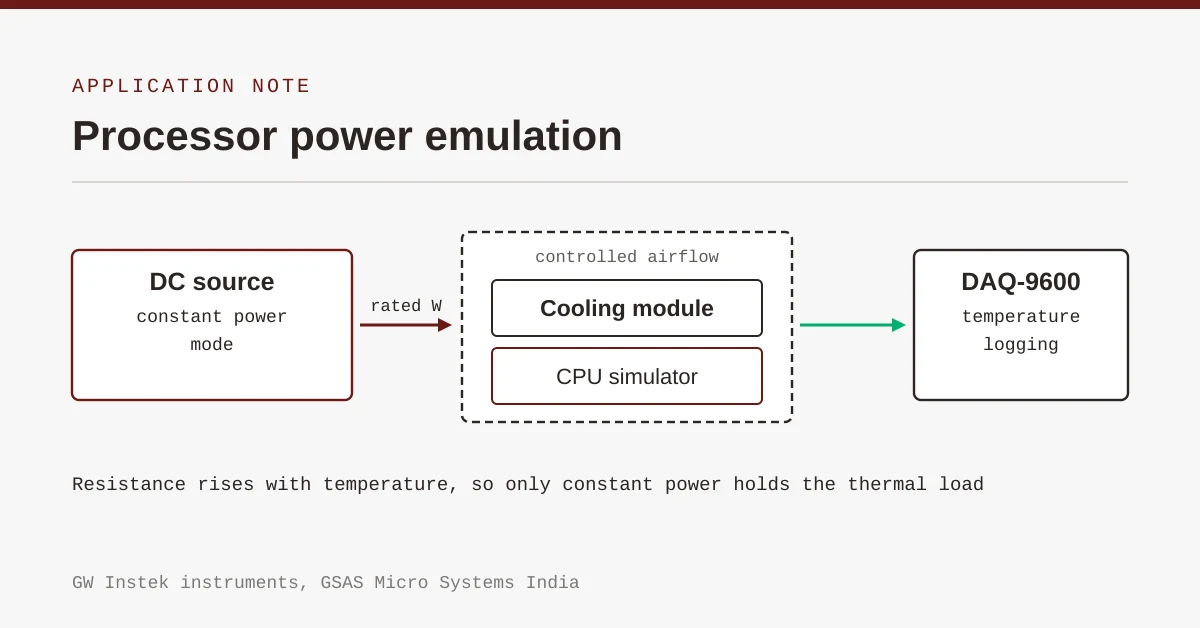
Emulating Processor Power for Thermal Testing: Why Constant Power
7 Oct · 7 min
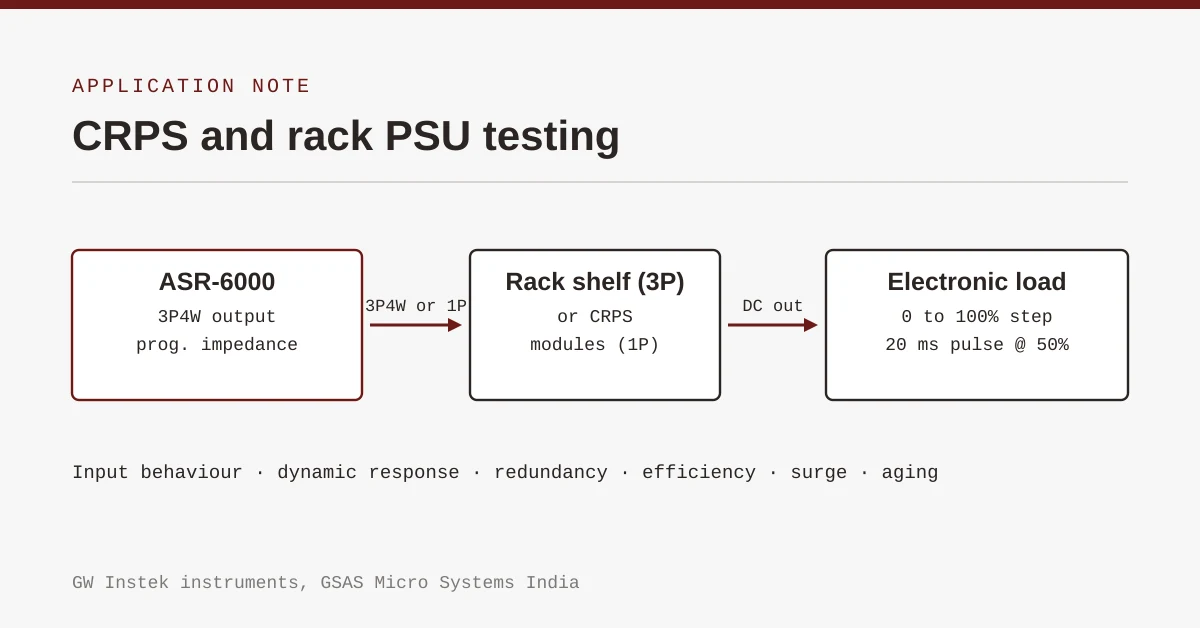
CRPS and Rack Power Supply Testing: The Six Tests That Matter
7 Oct · 7 min