Every simulation tool faces the same question from pragmatic engineers: “Can I trust the simulation enough to skip the physical test?” The answer, for Elsyca’s electrochemical simulation tools, is nuanced, and understanding when to simulate, when to test, and when to do both is essential for getting value from the investment.
Where Simulation Replaces Physical Testing
Process parameter screening. When evaluating multiple process configurations, different flight bar positions, current densities, pulse waveforms, anode layouts, running physical trials for each combination is prohibitively expensive. A factorial design with four parameters at three levels requires 81 experiments. Simulation evaluates all 81 in the time it takes to run a handful of physical trials. The simulation narrows the parameter space to the most promising configurations, which are then verified with a small number of physical trials.
New part/design qualification screening. When a fabricator receives a new PCB design or a plating shop receives a new part geometry, the first question is: “Will our existing process produce acceptable results on this design?” Simulation answers this question without plating a single panel or part. Designs that pass simulation proceed to physical verification; designs that fail are corrected before consuming production capacity.
Copper balance optimisation. PCBBalance generates optimised copper thieving patterns through simulation. There is no practical way to physically test every possible thieving configuration, the design space is effectively infinite. Simulation is the only viable approach for copper balance optimisation, and the balanced design is then verified with a single physical plating run.
Design of experiments for process development. When developing a new plating recipe, new chemistry, new process window, new equipment configuration, simulation enables virtual DoE (design of experiments) that would be impractical physically. The simulation identifies the key factors and their interactions, guiding the physical DoE to a manageable number of experiments.
Where Simulation Complements Physical Testing
Process validation. After simulation identifies the optimal process configuration, physical validation confirms that the simulation prediction matches reality. This is not optional, it is the correlation step that establishes trust in the simulation for future decisions.
Chemistry characterisation. Simulation requires accurate electrochemical parameters, kinetic constants, diffusion coefficients, additive effects, that are specific to the actual bath chemistry. Physical measurements (Hull cell tests, polarisation curves) characterise the chemistry and provide the input parameters for simulation.
Ongoing quality monitoring. Simulation predicts the expected outcome for a given process configuration. Physical measurements (XRF thickness, microsection, impedance testing) verify that the actual production matches the simulation prediction. Deviations indicate process drift (chemistry degradation, anode wear, equipment changes) that requires investigation.
Where Physical Testing Cannot Be Replaced
Absolute calibration. The simulation must be calibrated against physical measurements for each plating line. Different plating cells have different geometries, flow patterns, and anode configurations that affect the actual current distribution. A simulation calibrated for one plating line must be re-calibrated for another.
Surface finish quality. Elsyca simulation predicts coating thickness, a quantitative parameter. Surface finish quality (brightness, roughness, colour, adhesion) depends on additive chemistry, agitation, temperature control, and cleanliness factors that are not fully captured in the electrochemical model. Physical inspection remains the quality gate for surface finish attributes.
Long-term reliability. Simulation predicts the as-plated condition. Long-term reliability (corrosion resistance over years, thermal cycling fatigue life, wear life) depends on additional factors, internal stress, microstructure, grain size, porosity, that require physical testing (salt spray, thermal cycling, accelerated life testing) for validation.
A Practical Integration Framework
For Indian PCB fabricators and surface finishing operations, the recommended approach:
Level 1, Simulation for screening. Use PCBBalance and PCBPlate (or PlatingManager for 3D parts) to screen new designs and process configurations. This eliminates the obvious failures before committing production resources.
Level 2, Simulation for optimisation. Use simulation to optimise process parameters (current, waveform, rack layout, anode configuration) virtually. Narrow the parameter space to 2-3 candidate configurations.
Level 3, Physical validation. Run physical trials on the simulation-optimised configurations. Measure and compare with simulation predictions. Use the correlation to calibrate the simulation model.
Level 4, Production monitoring. Use simulation predictions as the expected baseline. Monitor physical measurements against this baseline. Investigate deviations.
This four-level framework extracts the maximum value from simulation while maintaining the physical testing discipline that ensures product quality.
Why Buy from GSAS
GSAS provides the Elsyca simulation portfolio in India, PCBPlate, PCBBalance, PlatingManager, ECoatMaster, AnodizingManager, and EPOS, with application engineering support for simulation deployment and calibration. Our team in Bengaluru, Hyderabad, Chennai, Pune, Mumbai, Delhi NCR, and Visakhapatnam helps manufacturing operations integrate simulation into their quality workflow.
Also appears in:
Interested in Elsyca tools?
Talk to our application engineers for personalized tool recommendations.
More from Elsyca
View all →
Elsyca PCBPlate: How Panel Plating Simulation Predicts Copper Thickness Before Fabrication
5 Apr · 6 min
Elsyca PlatingManager: Digital Twin Simulation for Industrial Electroplating Lines
4 Apr · 5 min

Copper Thieving for PCBs: Why Manual Methods Fail and How Simulation Fixes It
3 Apr · 5 min
Via Plating Reliability: Why Thin Barrels Fail and How Simulation Prevents It
2 Apr · 5 min
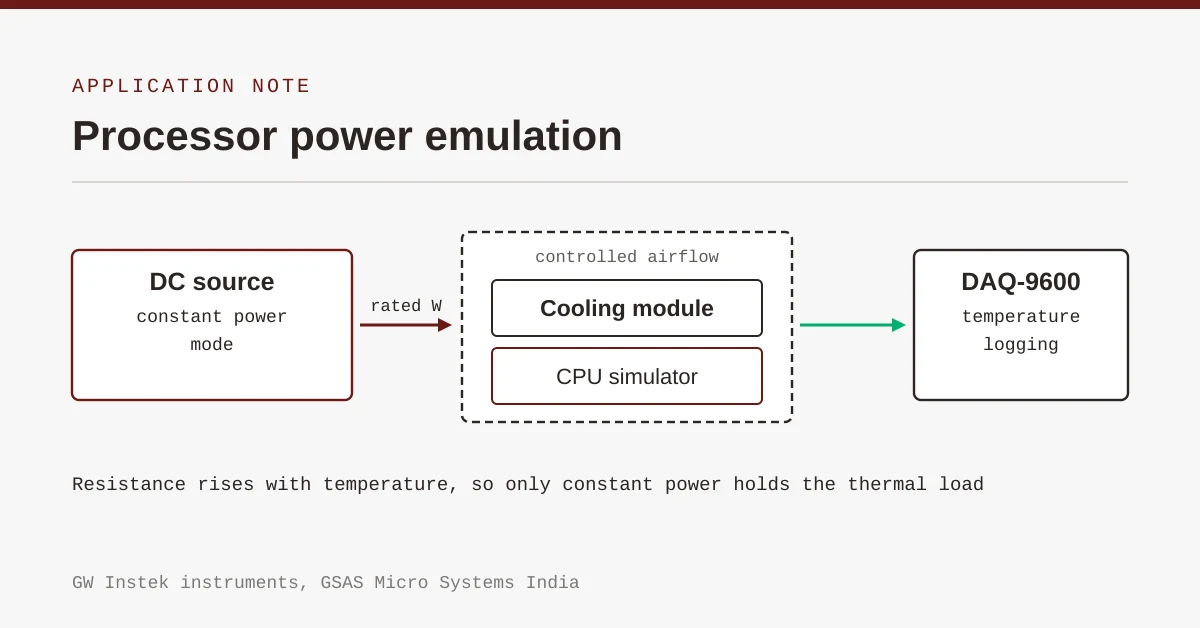
Emulating Processor Power for Thermal Testing: Why Constant Power
7 Oct · 7 min
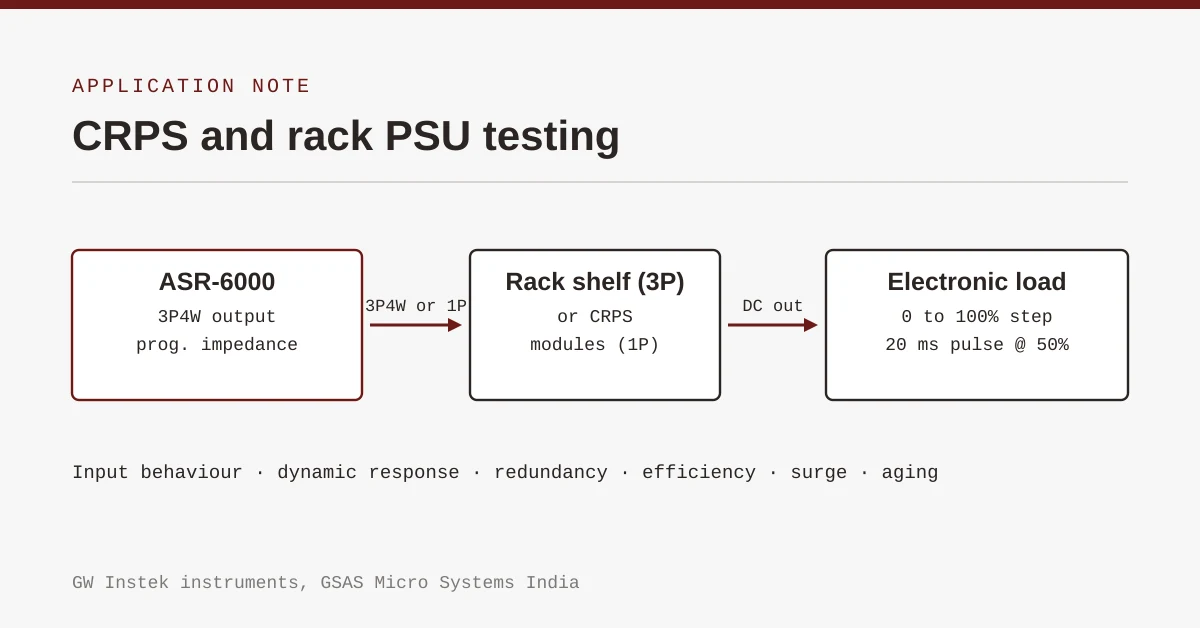
CRPS and Rack Power Supply Testing: The Six Tests That Matter
7 Oct · 7 min