
 Digilent
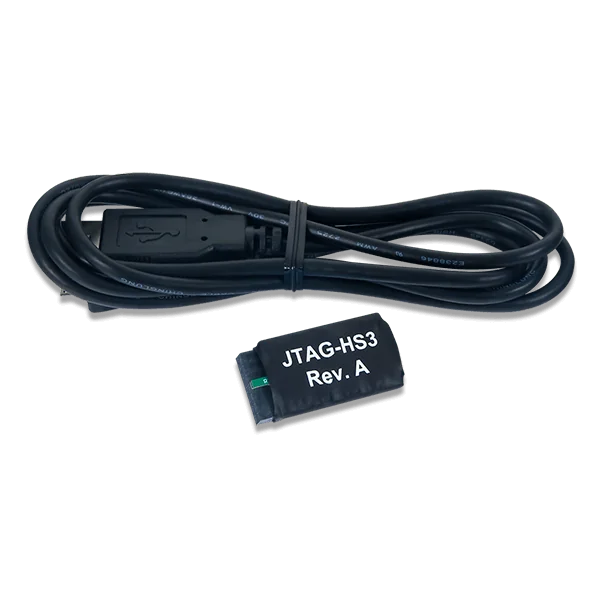
 Digilent JTAG-HS3 Programming Cable
Debug & TraceAffordable high-speed USB JTAG programming cable for AMD (Xilinx) FPGAs with Zynq PS_SRST_B reset debug, 1.8 V to 5 V, up to 30 Mbit/s. Buy in India from GSAS Micro Systems.
Target Voltage
1.8 V to 5 V
Max Data Rate
Up to 30 Mbit/s (user-adjustable)
Interface
USB 2.0 (Micro-B)
FPGA Support
AMD (formerly Xilinx) FPGAs and Zynq SoCs
Zynq Debug
Open-drain pin-14 buffer for PS core reset
Connector
AMD 2x7 2 mm header
Overview
About Digilent JTAG-HS3 Programming Cable
The Digilent JTAG-HS3 Programming Cable is an affordable high-speed USB programming solution for AMD (formerly Xilinx) FPGAs. Building on the successful JTAG-HS1, the HS3 adds an open-drain buffer on pin 14 that lets debugging software reset the processor core of AMD’s Zynq SoC platform, making it the budget-friendly choice for Zynq-7000 bring-up and debug. It works with any target voltage from 1.8 V to 5 V, runs at up to 30 Mbit/s with a user-adjustable frequency, and connects over a High-Speed USB 2.0 Micro-B port using AMD’s 2x7 2 mm JTAG connector.
JTAG-HS3 Specifications
| Feature | Specification |
|---|---|
| FPGA Support | AMD (formerly Xilinx) FPGAs and Zynq SoCs |
| Target Voltage (Vref) | 1.8 V to 5 V |
| Max Data Rate | Up to 30 Mbit/s (user-adjustable) |
| Zynq Debug | Open-drain pin-14 buffer resets the Zynq PS core |
| Host Interface | High-Speed USB 2.0, Micro-B connector |
| Board Connector | AMD 2x7 2 mm pitch header |
| Toolchain | AMD ISE 14.1+, Vivado 2013.3+; iMPACT, ChipScope, EDK |
| In the Box | One JTAG-HS3 cable |
How Engineers Use the JTAG-HS3
The JTAG-HS3 is the go-to external programmer when a project centers on AMD Zynq-7000 SoC hardware and needs processor-system (PS) reset control during debug. Its pin-14 open-drain buffer asserts PS_SRST_B so Vivado’s debug tools can reset the Arm core cleanly between sessions, essential for repeatable Zynq software bring-up. The slim form factor and AMD 2x7 connector make it ideal for compact custom boards, while the user-adjustable clock keeps programming reliable on long or loaded chains. R&D teams keep an HS3 on the bench for Vivado and iMPACT sessions; the cable also drops onto Zynq development boards that expose the standard AMD 2x7 JTAG header.
Vivado, ISE, and the Digilent Ecosystem
The JTAG-HS3 supports AMD ISE 14.1 and newer and Vivado 2013.3 and newer, alongside iMPACT, ChipScope, and EDK. For teams building on Digilent Zynq SoC boards such as the Zybo Z7, Eclypse Z7, or the Genesys ZU, the HS3 provides external programming and Zynq PS reset debug as an alternative to the on-board programmer. For Artix-7 boards without Zynq, the JTAG-HS2 is the more flexible companion cable.
GSAS Micro Systems is an authorized Digilent engineering partner in India, supplying the JTAG-HS3 with INR invoicing and FPGA and Zynq bring-up support for engineering teams across Bengaluru, Chennai, Hyderabad, Delhi NCR, Mumbai, and Pune.
Blog
Digilent Insights
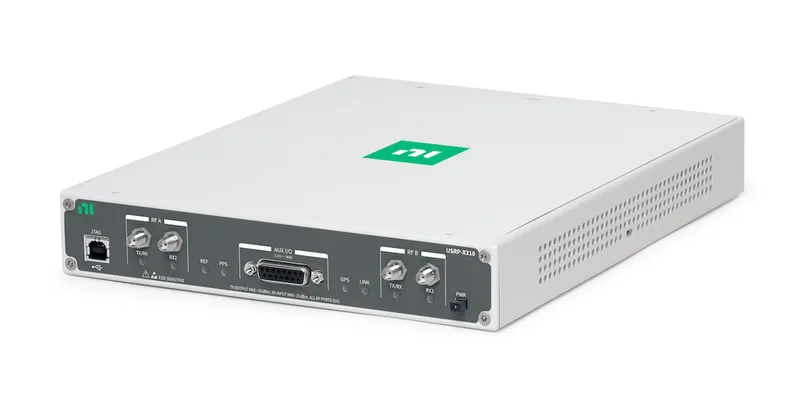
Real-World SDR Applications: 5G Research, Satellites, IoT and ADS-B
Where software defined radio actually earns its place: 5G and 6G waveform research, spectrum monitoring, weather satellite reception, GNSS work, LoRaWAN debugging, aircraft tracking over 1090 MHz, and reconfigurable instrument prototyping. A practical map from GSAS Micro Systems, an authorized Digilent engineering partner in India, with a framework for matching a USRP platform to the job.
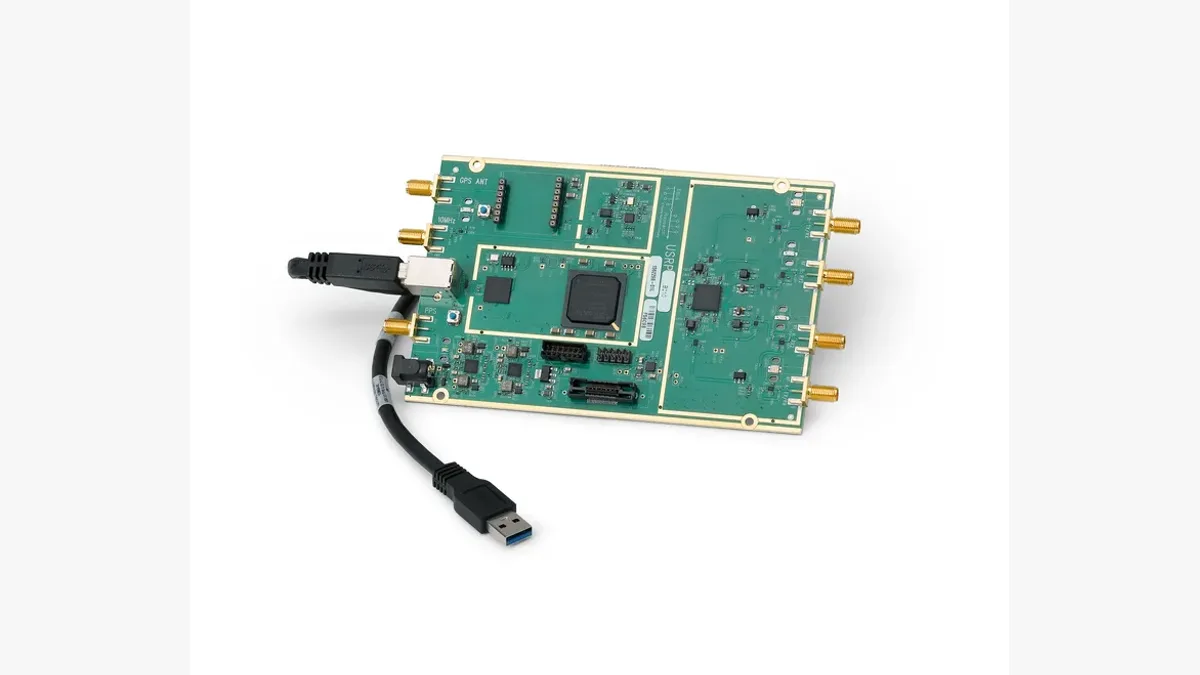
What Is Software Defined Radio (SDR)? A Practical Explainer for Indian Engineering Teams
Software defined radio moves the work of filtering, modulation and demodulation out of fixed hardware and into software running on processors and FPGAs. This explainer from GSAS Micro Systems covers what SDR is, how it differs from a traditional radio, what the signal chain looks like, why the FPGA matters, and how to pick a USRP radio in India.

ZedBoard FPGA-in-the-Loop: HDL Verifier vs HDL Coder
Teams asking for FPGA-in-the-Loop on a ZedBoard usually name HDL Coder and SoC Blockset. FIL is actually HDL Verifier. Here is the correct product split, the JTAG versus Ethernet decision, and the 2015-era advice that is still sending Indian teams down the wrong path.
Related products
More from Digilent
All Digilent products →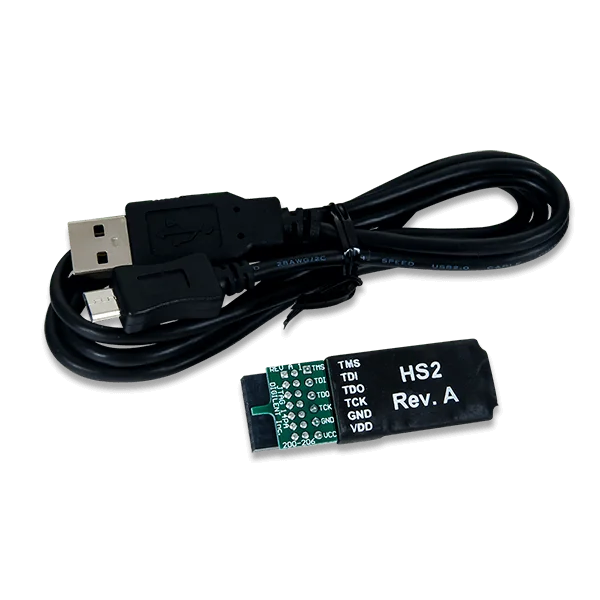
FAQ
Common questions about Digilent JTAG-HS3 Programming Cable
What FPGAs does the Digilent JTAG-HS3 program?
What is special about the JTAG-HS3 for Zynq debugging?
What target voltages and speeds does the JTAG-HS3 support?
Should I choose the JTAG-HS2 or the JTAG-HS3?
What does the Digilent JTAG-HS3 cost in India?
How do I buy the Digilent JTAG-HS3 in India?
Interested in Digilent JTAG-HS3 Programming Cable?
Get pricing, an evaluation unit, or a technical consultation from our application engineers.