
 GSAS
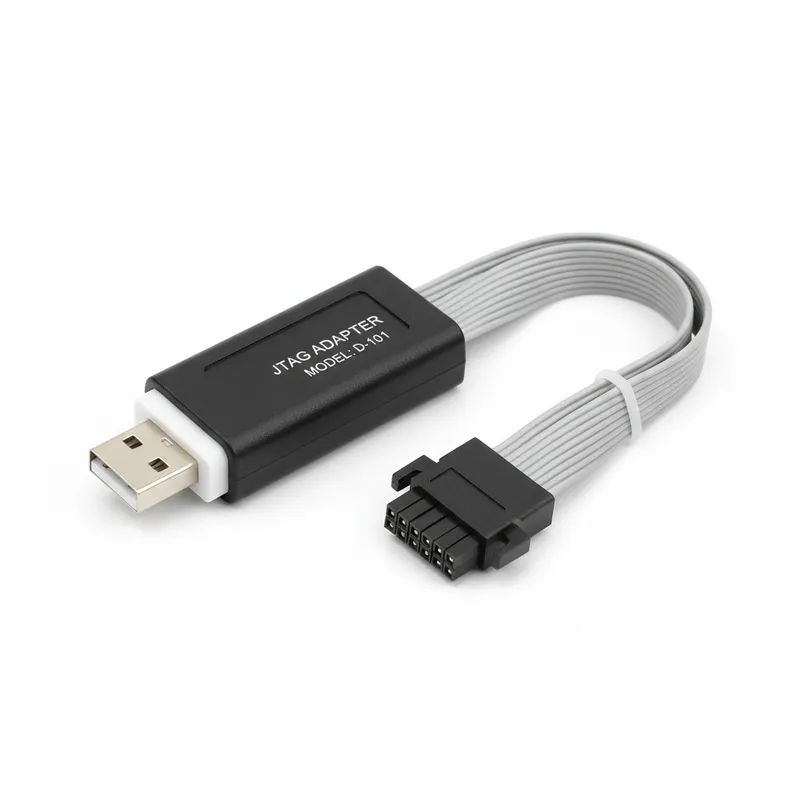
GSAS GSAS USB-JTAG Debugger
Debug & TraceUSB to JTAG debug interface for Arm targets, supports on-chip debugging, Flash programming, and breakpoints with GSAS Arm development boards. Available in India.
Interface
USB to JTAG
Target Support
Arm microcontrollers
Part Number
USB-JTAG Debugger
Functions
Debug, Flash programming, breakpoints
Application
Embedded development, education
Overview
About GSAS USB-JTAG Debugger
The GSAS USB-JTAG Debugger is a compact debug interface that connects a host PC to target microcontrollers via the JTAG (Joint Test Action Group) debug port. It enables on-chip debugging, setting breakpoints, stepping through code, inspecting registers and memory, and programming on-chip Flash, directly from standard development environments such as Keil MDK, IAR Embedded Workbench, and other IDE tools that support JTAG connectivity. The USB interface provides both power and high-speed data transfer, requiring no external power supply or additional cables beyond the USB connection to the PC and the JTAG ribbon cable to the target board.
The debugger supports Arm Cortex-M based microcontrollers, making it a versatile tool across the GSAS Arm development board range. When paired with GSAS Arm development boards such as the LPC-1768 or LPC-2929, it provides full source-level debugging and Flash programming through the standard JTAG header. Students can set hardware breakpoints, inspect peripheral registers in real time, and trace program execution at the instruction level.
For educational institutions, the USB-JTAG Debugger transforms embedded systems labs from a “program-download-run-observe” workflow into a proper debug-centric development experience. Students learn to use the same debugging techniques employed in professional embedded development: setting conditional breakpoints, watching variable values change in real time, examining call stacks, and diagnosing hard faults, skills that are directly transferable to industry practice.
Specifications
| Parameter | Value |
|---|---|
| Host Interface | USB 2.0 |
| Target Interface | JTAG (standard 20-pin or 10-pin header) |
| Supported Architectures | Arm (Cortex-M, ARM7/9) |
| Debug Features | Breakpoints, single-step, register/memory view |
| Flash Programming | On-chip Flash download and verify |
| IDE Compatibility | Keil MDK, IAR EWARM, and JTAG-compatible tools |
| Power | USB-powered (no external supply needed) |
| Part Number | USB-JTAG Debugger |
Compatible GSAS Boards
| Board | Architecture | JTAG Use |
|---|---|---|
| GSAS LPC-1768 | Arm Cortex-M3 (NXP LPC1768) | Full JTAG debug + Flash programming |
| GSAS LPC-2929 | ARM9 (NXP LPC2929) | Full JTAG debug + Flash programming |
Why GSAS
GSAS designed the USB-JTAG Debugger to complement its range of Arm development boards, providing a cost-effective debug solution specifically validated against GSAS hardware. Engineering colleges deploying GSAS Arm development boards can add JTAG debugging capability to their labs without investing in expensive third-party debug probes. The debugger is manufactured in Bangalore and supported by the GSAS technical team with documentation, driver packages, and IDE configuration guides.
Products are available for immediate purchase through the GSAS online store (“Buy on Store”) or through direct engagement for institutional and volume orders (“Request Volume Pricing”).
Related products
More from GSAS
All GSAS products →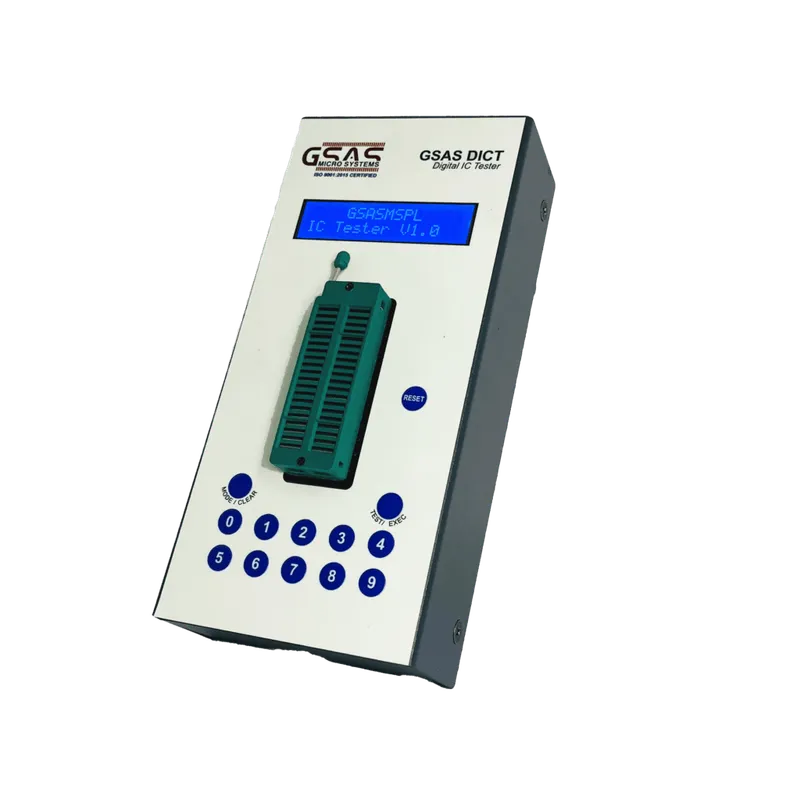
GSAS Digital IC Tester
Handheld digital IC tester with 40-pin ZIF socket, tests 100+ IC families (74 series, MCUs, RAMs) out-of-circuit with pass/fail LCD display. Made in India by GSAS.
View GSAS Digital IC Tester →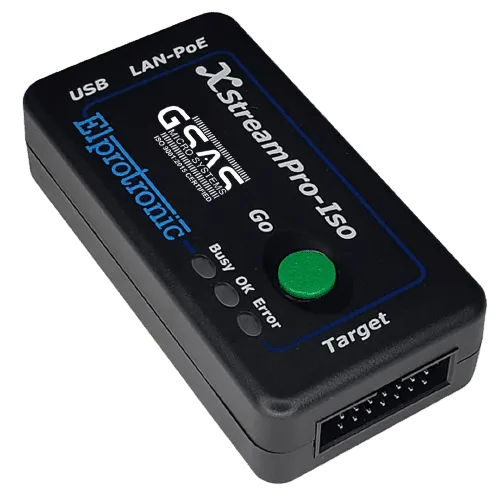
GSAS iMOTION Programmer
Dedicated MCU programmer for Infineon iMOTION motor control ICs, assembled by GSAS India in partnership with Elprotronic for programming of IMC and IMD series.
View GSAS iMOTION Programmer →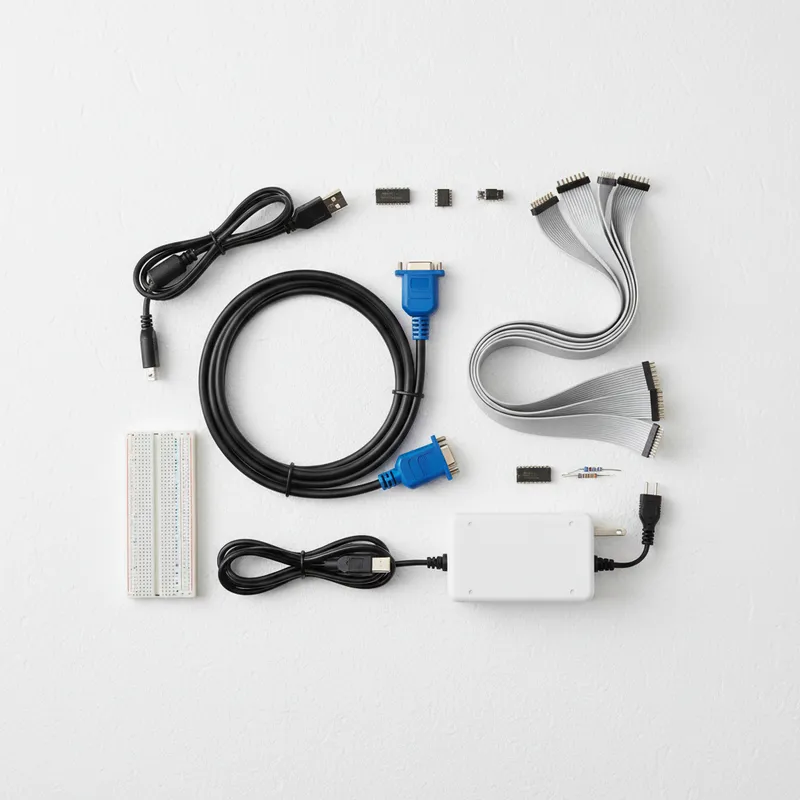
GSAS Cables, Adapters & Power Supplies
Complete range of cables, power supplies, and adapters for GSAS trainer kits and development boards.
View GSAS Cables, Adapters & Power Supplies →Interested in GSAS USB-JTAG Debugger?
Get pricing, an evaluation unit, or a technical consultation from our application engineers.