

 SEGGER
Flasher Portable PLUS
Flash ProgrammersBattery-powered handheld flash programmer with 128 MB storage, a color display, and JTAG, SWD, FINE, and SPD interfaces for Arm, Cortex, PowerPC, and Renesas RX field programming. Buy in India from GSAS.
Power
Li-Ion battery, up to 10 h
Storage
128 MB, up to 99 images
Interfaces
JTAG, SWD, FINE, SPD
Cores
Arm/Cortex, PowerPC, Renesas RX
Speed
30 KB/s to 1 MB/s (turbo)
Display
1.8" color TFT
Operation
Standalone, no PC required
Overview
About Flasher Portable PLUS
The SEGGER Flasher Portable PLUS is a battery-powered handheld service programmer built for firmware programming where a PC, mains power, or a workbench is not available. With 128 MB of internal storage it holds up to 99 firmware images on the device and programs targets over JTAG, SWD, FINE, or SPD with no external dependencies. That makes it the tool of choice for field service engineers performing firmware updates at customer sites, remote installations, and distributed equipment across India’s industrial and infrastructure landscape.
A rechargeable lithium-ion battery delivers up to 10 hours of continuous programming and recharges in about 70 minutes, while a 1.8 inch color TFT display and on-device controls let the operator select an image and monitor pass or fail status without a laptop.
Standalone Field Programming
| Feature | Specification |
|---|---|
| Power | Rechargeable Li-Ion battery, up to 10 h continuous |
| Charge time | Approx. 70 minutes |
| Storage | 128 MB internal, up to 99 firmware images |
| Interfaces | JTAG, SWD, FINE, SPD |
| Cores | Arm, Cortex, PowerPC, Renesas RX |
| Devices | Tens of thousands, across hundreds of families |
| Target voltage | 1.2 V to 5 V |
| Programming speed | 30 KB/s to 1 MB/s (target dependent) |
| Turbo mode | Simultaneous download and programming |
| Display | 1.8” 128 x 160 RGB TFT |
| Target connector | 20-pin 0.1” IDC |
| PC interface | USB 2.0 Hi-Speed (Type B) |
| Dimensions | 126 x 70 x 28 mm |
| Weight | 140 g (without cables) |
| Operating temperature | +5°C to +60°C |
Supported Devices and Interfaces
Supporting Arm and Cortex cores alongside PowerPC and Renesas RX, the Flasher Portable PLUS covers a wide range of processors found in production equipment today. Firmware images are prepared on a PC and loaded onto the unit before deployment; in the field the operator selects the image on the color display and starts programming from the device itself, with clear pass or fail feedback and no technical training required. Programming runs from 30 KB/s up to 1 MB/s depending on the target, and turbo mode overlaps download and programming to shorten cycle time.
Secure, Traceable Programming
For controlled production and service workflows, the Flasher Portable PLUS supports Authorized Flashing, which limits the number of permissible programming cycles per device. A fixed volume of units can be programmed in the field without exposing the firmware image or allowing unlimited copies. Combined with on-device image storage, this gives OEMs a repeatable, auditable way to push firmware updates outside the factory.
The Flasher Portable PLUS complements SEGGER’s in-circuit and rack-mounted production programmers by extending programming capability beyond the factory floor. For Indian OEMs and system integrators managing installed equipment across multiple states and sites, it removes the need to ship devices back to the factory for firmware updates. GSAS Micro Systems supplies the Flasher Portable PLUS with deployment planning support and guidance on field programming workflows that maintain firmware version control and traceability, with local engineering support across Bengaluru, Hyderabad, Chennai, Pune, Mumbai, and Delhi NCR.
Blog
SEGGER Insights
CMSIS and SEGGER: J-Link, RTT and SystemView in Keil Studio
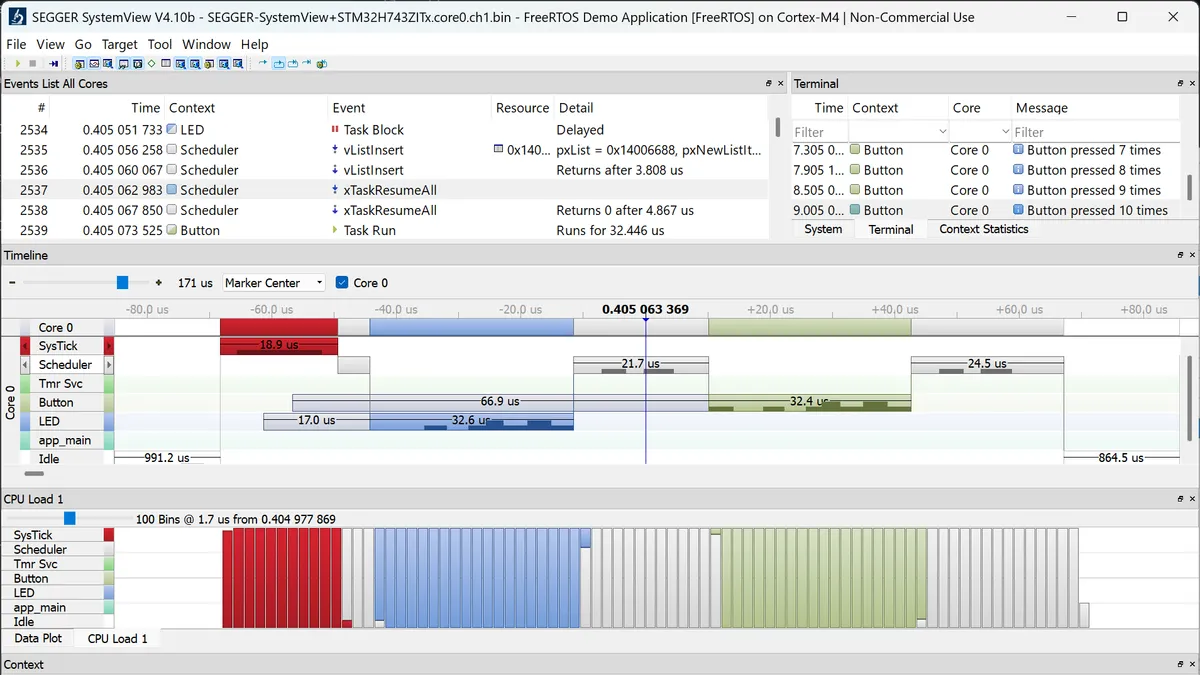
SEGGER tools now plug into the CMSIS workflow in Keil Studio for VS Code: the Arm CMSIS Debugger connects to J-Link, SEGGER RTT and SystemView are available as CMSIS software packs, and pyOCD reads RTT on multi-core targets, including to files for hardware-in-the-loop tests. GSAS is demonstrating the workflow at embedded world India 2026, Stand D4, BIEC Bengaluru, 17 to 19 November.
Choosing Debug and Trace Tools for Indian Automotive Tier-1s
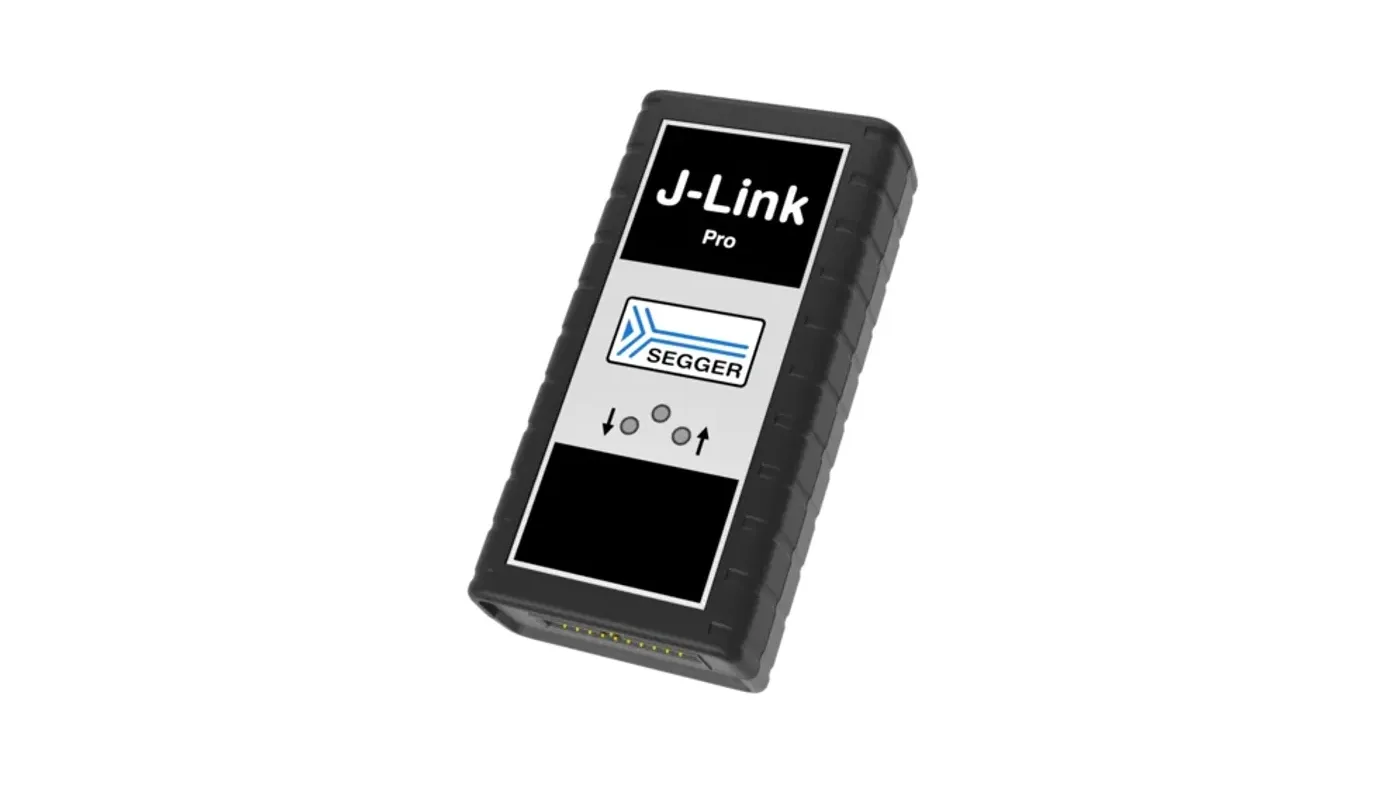
A probe that is right for a Cortex-M body controller is the wrong tool for a multicore TriCore powertrain ECU. This guide walks Indian automotive Tier-1 teams through choosing a debug and trace setup by architecture: Cortex-M, Cortex-R and Cortex-A, TriCore, RH850 and RISC-V, and by the question each programme actually needs trace to answer.
Multicore Debug on AURIX, RH850 and Cortex-R52 in India
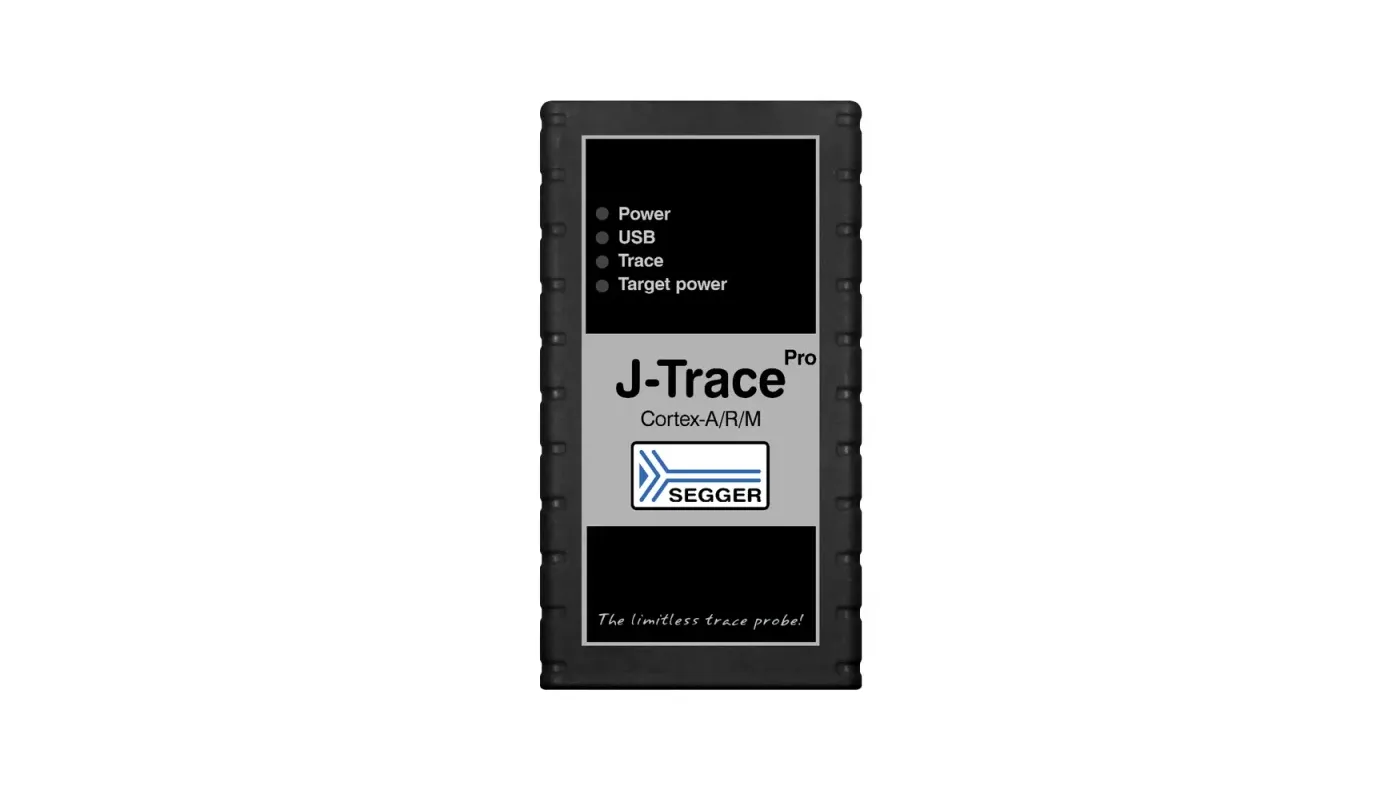
Halting one core of a multicore safety microcontroller while the others keep running changes the system you are trying to debug. This guide explains lockstep, cross-triggering and synchronous halt on Infineon AURIX, Renesas RH850 and Arm Cortex-R52, from public silicon-vendor documentation, for automotive teams in India.
Related products
More from SEGGER
All SEGGER products →
Flasher Pro XL
Top-tier production programmer with 2 GB storage, standalone operation, Ethernet connectivity, and full traceability logging for high-volume manufacturing. Available in India from GSAS with hands-on application engineering and local support.
View Flasher Pro XL →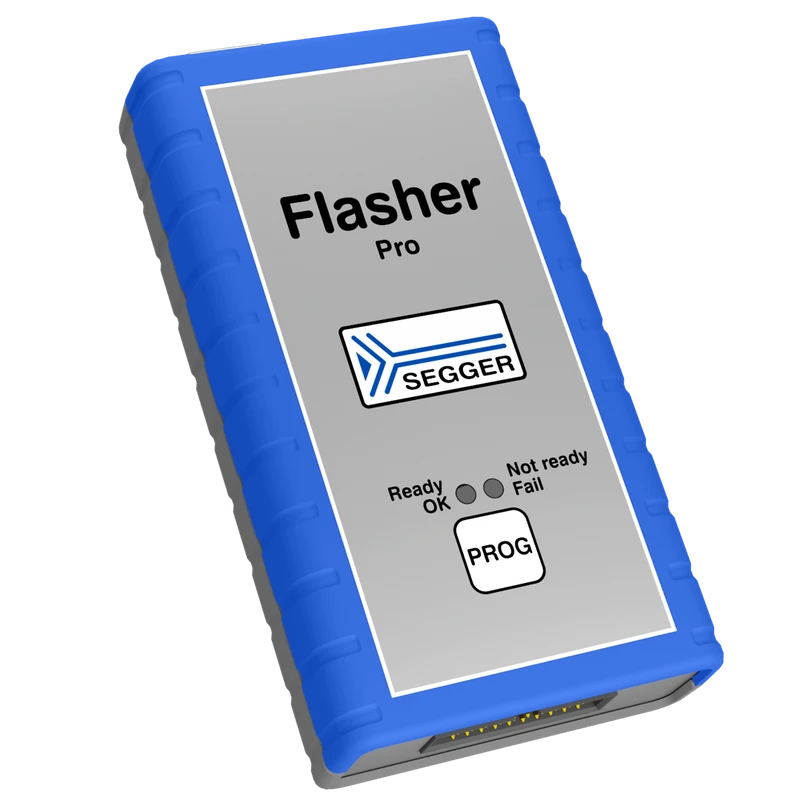
Flasher Pro
Professional production flash programmer with SEGGER Top-Speed programming, standalone SD card operation, and full traceability logging for manufacturing compliance. Local stock and support across India, GSAS.
View Flasher Pro →
Flasher Compact
Compact standalone flash programmer with one-button operation and LED pass/fail feedback for production use. Buy in India from GSAS with local support.
View Flasher Compact →FAQ
Common questions about Flasher Portable PLUS
What is the SEGGER Flasher Portable PLUS used for?
Standalone vs gang programming: which Flasher do I need?
Does the Flasher Portable PLUS support secure/protected programming?
Can I buy the SEGGER Flasher Portable PLUS in India?
Interested in Flasher Portable PLUS?
Get pricing, an evaluation unit, or a technical consultation from our application engineers.