Indian manufacturing is in a transitional phase. Traditional SCADA systems monitor critical process parameters through hardwired sensors connected to PLCs and HMIs. These systems are proven and reliable, but they cover only the equipment and parameters that justified the cabling cost during plant commissioning.
The vast majority of auxiliary equipment, utility motors, HVAC systems, compressors, cooling towers, power distribution panels, goes unmonitored because running instrumentation cables to every asset is prohibitively expensive and disruptive to production.
Wireless sensor networks fill this monitoring gap. By deploying battery-powered sensors that communicate over LoRa or BLE, factories can instrument assets that were previously invisible to the monitoring infrastructure, without pulling a single cable.
The Monitoring Gap in Indian Factories
Walk through a typical manufacturing facility in Pune, Chennai, or Bengaluru, and the monitoring landscape becomes clear. The main production line has comprehensive wired instrumentation: temperature sensors on injection moulding barrels, vibration monitors on CNC spindles, current transducers on welding robots. These are the high-value assets where monitoring was justified during plant construction.
But the support infrastructure, cooling water pumps, compressed air compressors, electrical distribution panels, warehouse ventilation fans, water treatment systems, operates largely unmonitored. These assets fail predictably (bearing wear, overheating, filter clogging), but without monitoring, failures are detected only when they cause visible consequences: a production line overheating because the coolant pump failed, product defects because the compressed air pressure dropped, or warehouse stock damage because ventilation failed overnight.
Wireless Technology Selection by Application
Different monitoring applications within a factory favour different wireless technologies.
Wide-area, low-frequency monitoring (LoRa). Temperature, humidity, and power consumption readings from assets distributed across a large facility, utility rooms, rooftops, outdoor yards, remote pump houses, transmit small data packets every 5-15 minutes. The Reyax RYLR998 provides the range to cover an entire campus from a single gateway. Battery-powered LoRa sensor nodes last years without replacement, and zero cabling means deployment causes no production disruption.
Local, high-frequency monitoring (BLE). Vibration monitoring on critical rotating machinery requires higher sampling rates and larger data payloads than LoRa can efficiently carry. The Reyax RYB080I BLE module supports the data throughput needed for vibration spectrum analysis within a 50-100 metre range of a local gateway. Battery life of months to years is achievable with duty-cycled measurement intervals.
Dual-mode monitoring (LoRa + BLE). The Reyax RYLR999 combines both radios in a single module. LoRa handles routine periodic telemetry (hourly temperature, daily energy readings), while BLE provides on-demand high-resolution data collection when a maintenance technician approaches the sensor with a smartphone or tablet.
Energy Management Use Case
Energy cost is a significant operating expense for Indian manufacturers, and energy monitoring has a clear financial return. Wireless current transformers (CTs) clamped around power cables at each machine or distribution panel measure energy consumption and transmit readings over LoRa to a central monitoring platform. The platform identifies:
- Baseline consumption: what each machine draws during idle, standby, and production
- Anomalies: machines drawing more current than baseline, indicating mechanical issues or inefficiency
- Scheduling opportunities: time-of-use tariff optimisation by shifting high-energy operations to off-peak hours
- Waste: machines left running during non-production hours
For a factory in Delhi NCR or Mumbai with 50 machines, deploying LoRa-connected energy monitors on each machine provides granular energy visibility that was previously available only through expensive hardwired metering installations.
Environmental Monitoring and Compliance
Indian manufacturers operating under ISO 14001 environmental management, OSHA workplace safety, or sector-specific regulations (pharmaceutical GMP, food safety HACCP) need documented environmental data: temperature, humidity, air quality, and noise levels across the facility.
Wireless sensor networks provide this data continuously and automatically. LoRa-connected sensors in warehouses, cleanrooms, production floors, and outdoor areas transmit readings to a logging platform that generates the compliance reports and alerts required by regulatory frameworks. The wireless approach is particularly valuable for facilities in Hyderabad and Chennai where legacy buildings lack the conduit infrastructure for additional wired sensors.
Deployment Strategy: Start Small, Scale Based on Results
The recommended deployment approach for Indian factories is incremental:
-
Pilot (10-20 nodes). Deploy wireless sensors on a single production line or utility system. Focus on an application with clear ROI, energy monitoring on high-consumption machines, or temperature monitoring on a process where overheating causes scrap.
-
Validation (3-6 months). Demonstrate measurable results: energy savings quantified in INR, downtime events prevented by early warning, compliance reports generated automatically.
-
Scale (50-200+ nodes). Expand coverage to additional production lines, utility systems, and environmental monitoring points across the facility. The LoRa gateway infrastructure deployed during the pilot serves the expanded network without additional gateway hardware (assuming the factory is within the gateway’s coverage radius).
This approach manages risk, builds internal expertise, and generates the ROI data needed to justify broader investment, a practical path for Indian manufacturing organisations where capital allocation requires demonstrated returns.
Why Buy from GSAS
GSAS Micro Systems provides Reyax wireless modules, LoRa (RYLR998, RYLR498), BLE (RYB080I), and dual-mode (RYLR999), from Indian inventory with INR invoicing for industrial IoT projects. Our team supports sensor node design review, wireless coverage planning for factory environments, and system architecture guidance. Engineering teams across Bengaluru, Hyderabad, Chennai, Pune, Mumbai, and Delhi NCR can access local technical support for manufacturing IoT deployments. Contact GSAS to discuss your factory monitoring requirements.
Also appears in:
Interested in REYAX tools?
Talk to our application engineers for personalized tool recommendations.
More from REYAX
View all →
RYB5510 Deep Dive: BLE 5.4, Thread, and Matter on a Single Module
5 Apr · 4 min

RYLR998 Deep Dive: Why This LoRa Module Is the Go-To Choice for IoT Projects in India
5 Apr · 4 min
RYS8830 GNSS Module: Multi-Constellation Positioning for Indian Fleet and Asset Tracking
5 Apr · 4 min
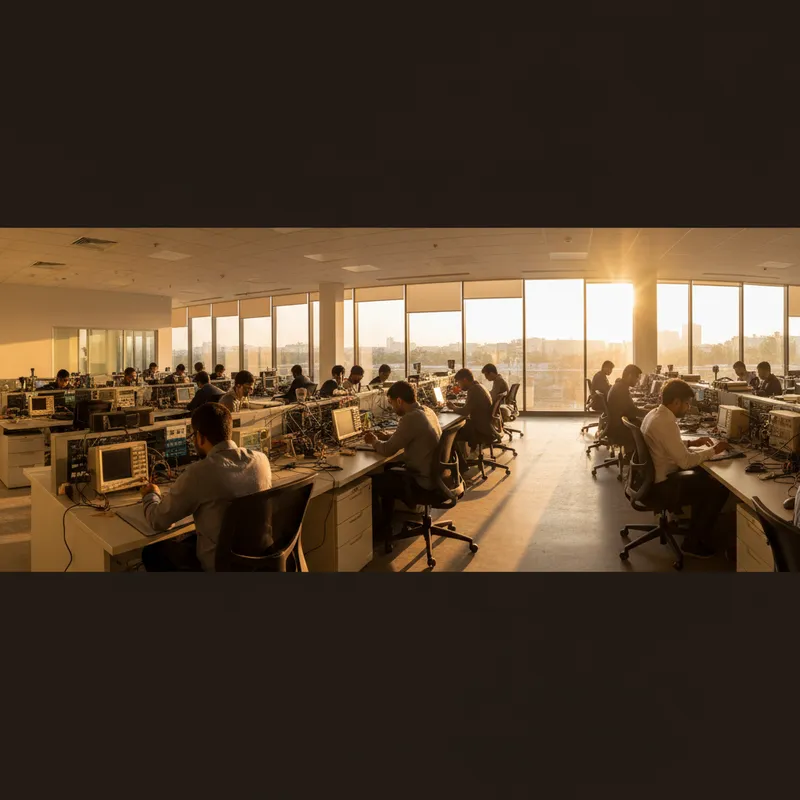
Industrial Condition Monitoring with Wireless Sensors: A Practical Guide for Indian Factories
4 Apr · 4 min
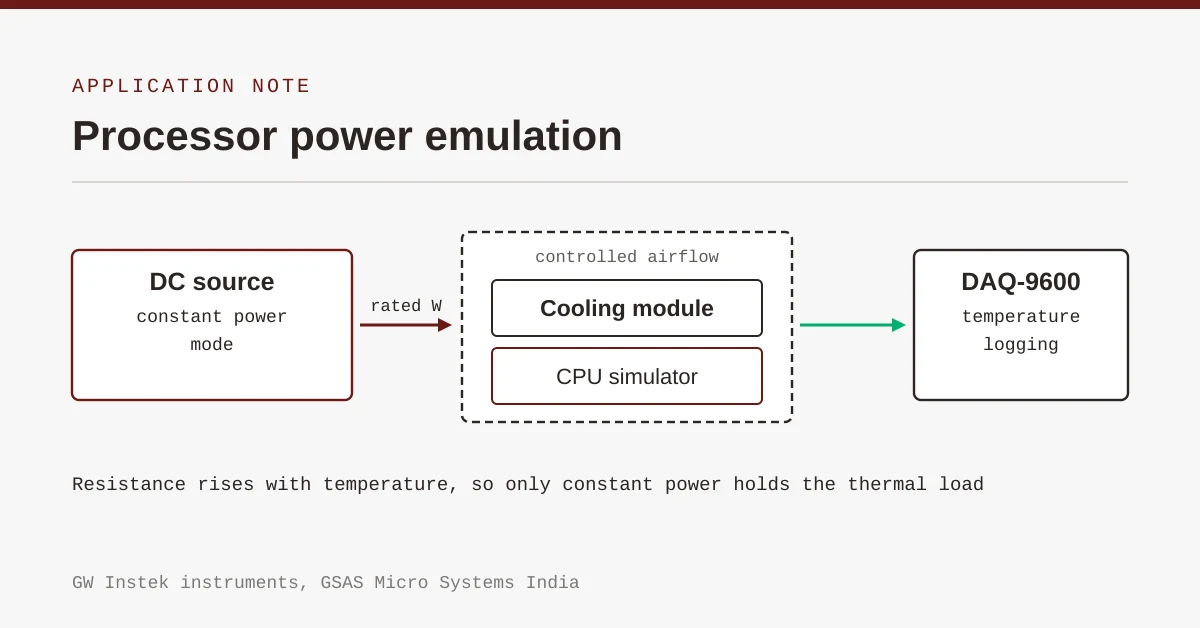
Emulating Processor Power for Thermal Testing: Why Constant Power
7 Oct · 7 min
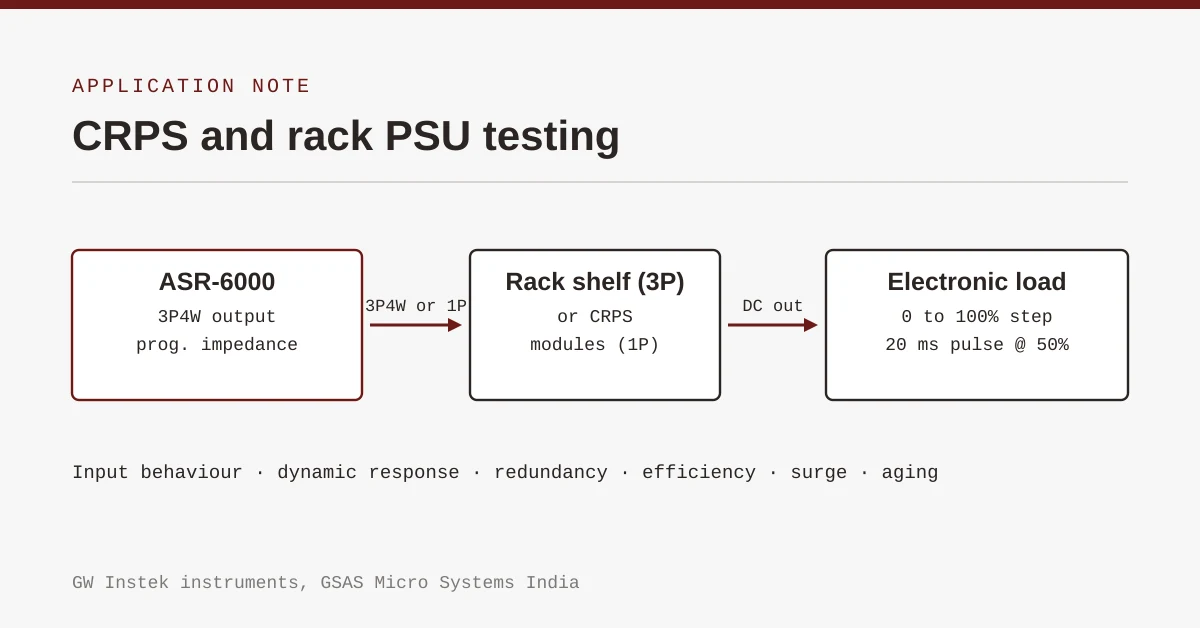
CRPS and Rack Power Supply Testing: The Six Tests That Matter
7 Oct · 7 min