
 Digilent
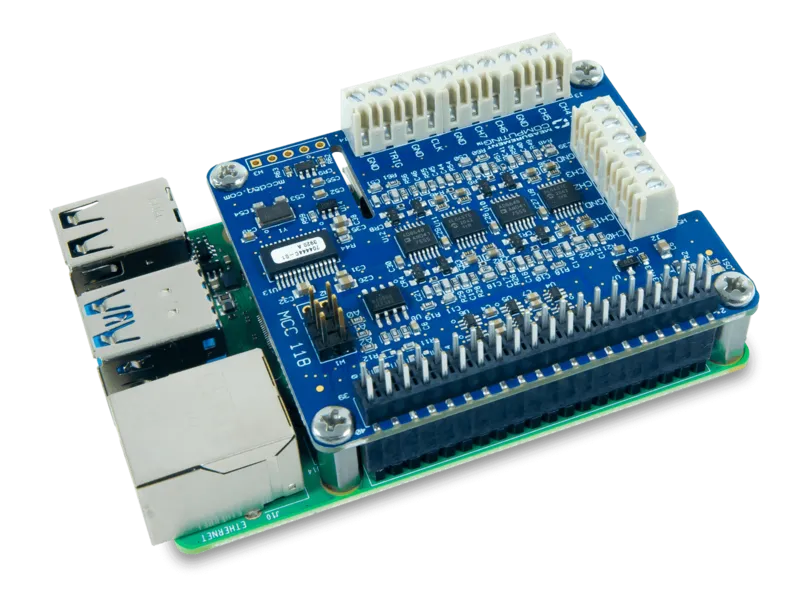
 MCC 118 DAQ HAT
Data Acquisition8-channel 12-bit voltage measurement DAQ HAT for Raspberry Pi with 100 kS/s aggregate sample rate and stackable multi-board support. India pricing from GSAS.
Analog Inputs
8 single-ended, 12-bit
Sample Rate
100 kS/s aggregate
Input Range
+/-10 V
Platform
Raspberry Pi (HAT form factor)
Stackable
Up to 8 HATs (64 channels)
Software
Python, C/C++
Overview
About MCC 118 DAQ HAT
The MCC 118 is a voltage measurement DAQ HAT (Hardware Attached on Top) designed for the Raspberry Pi platform. It provides 8 single-ended analog input channels at 12-bit resolution with up to 100 kS/s aggregate sample rate, covering a +/-10 V input range. Up to eight MCC 118 HATs can be stacked on a single Raspberry Pi, expanding the system to 64 analog channels with synchronized acquisition.
MCC 118 Specifications
| Feature | Specification |
|---|---|
| Analog Inputs | 8 single-ended |
| Resolution | 12-bit |
| Sample Rate | 100 kS/s aggregate |
| Input Range | +/-10 V |
| Platform | Raspberry Pi HAT |
| Stackable | Up to 8 boards (64 channels) |
| Software | Python, C/C++ |
| Trigger | External digital trigger input |
The stackable architecture makes the MCC 118 ideal for multi-channel monitoring applications where scaling from 8 to 64 channels requires only adding HAT boards to an existing Raspberry Pi. Open-source Python and C/C++ libraries with example code simplify integration into custom data logging and monitoring applications.
For R&D labs, production test stations, and IoT monitoring systems that need affordable multi-channel voltage measurement on the Raspberry Pi platform, the MCC 118 delivers MCC-grade measurement quality in a compact, cost-effective form factor. GSAS Micro Systems provides MCC DAQ HATs through Digilent with application guidance for Raspberry Pi-based measurement systems across India.
Blog
Digilent Insights
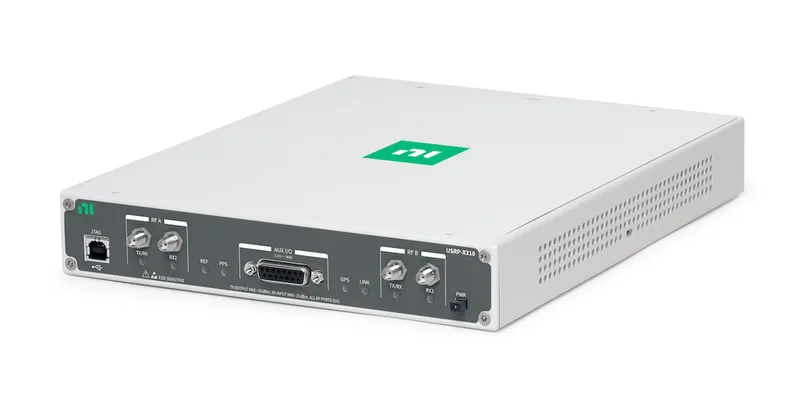
Real-World SDR Applications: 5G Research, Satellites, IoT and ADS-B
Where software defined radio actually earns its place: 5G and 6G waveform research, spectrum monitoring, weather satellite reception, GNSS work, LoRaWAN debugging, aircraft tracking over 1090 MHz, and reconfigurable instrument prototyping. A practical map from GSAS Micro Systems, an authorized Digilent engineering partner in India, with a framework for matching a USRP platform to the job.
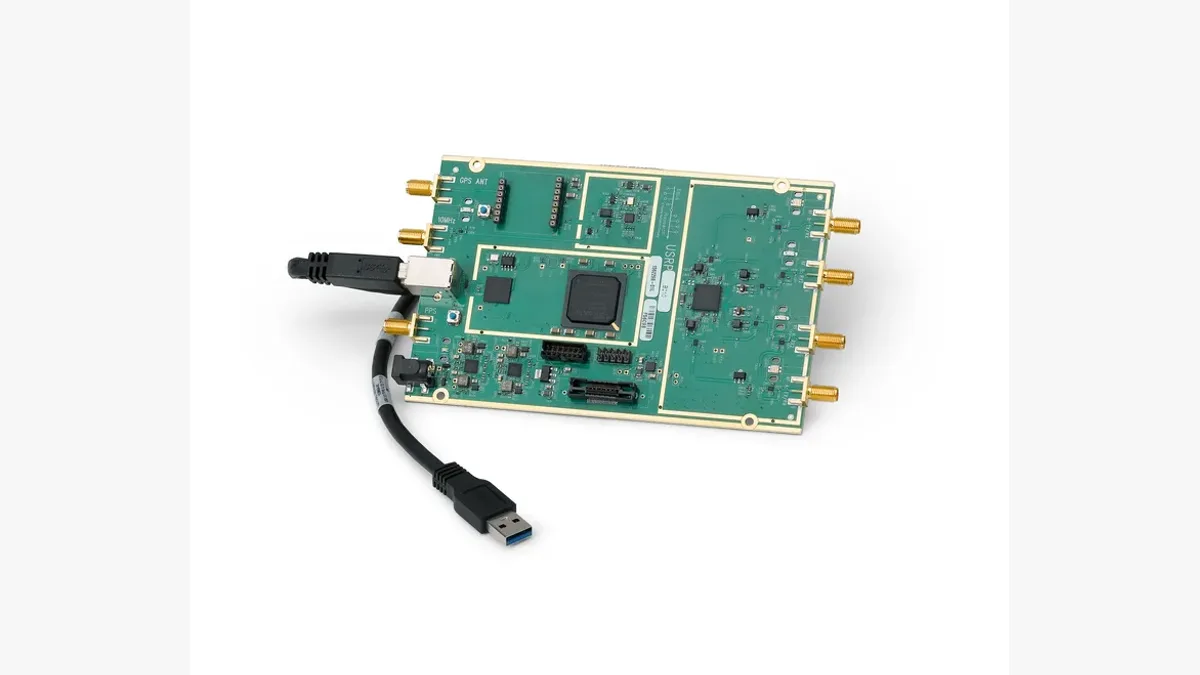
What Is Software Defined Radio (SDR)? A Practical Explainer for Indian Engineering Teams
Software defined radio moves the work of filtering, modulation and demodulation out of fixed hardware and into software running on processors and FPGAs. This explainer from GSAS Micro Systems covers what SDR is, how it differs from a traditional radio, what the signal chain looks like, why the FPGA matters, and how to pick a USRP radio in India.

ZedBoard FPGA-in-the-Loop: HDL Verifier vs HDL Coder
Teams asking for FPGA-in-the-Loop on a ZedBoard usually name HDL Coder and SoC Blockset. FIL is actually HDL Verifier. Here is the correct product split, the JTAG versus Ethernet decision, and the 2015-era advice that is still sending Indian teams down the wrong path.
Related products
More from Digilent
All Digilent products →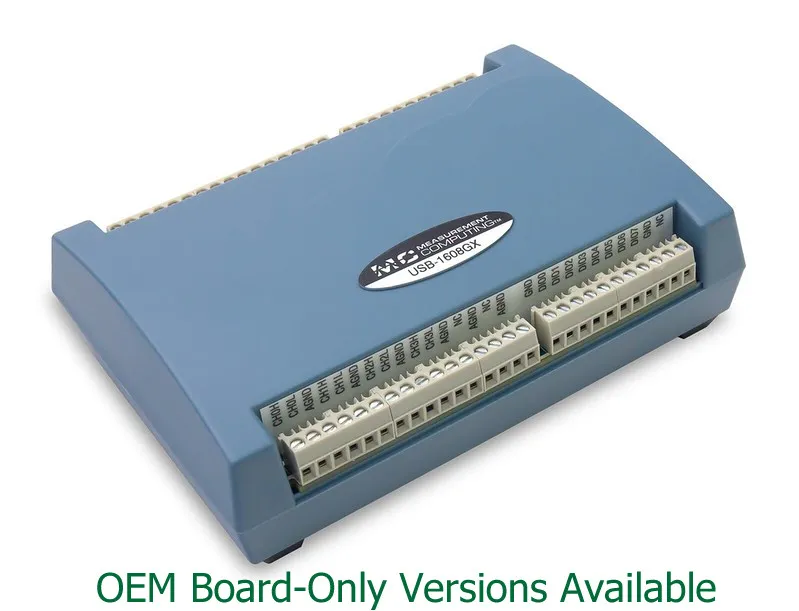
MCC USB-1608G Series
High-speed 16-bit multifunction USB DAQ with up to 500 kS/s aggregate sampling, 16 analog inputs, and digital I/O for test automation. India pricing from GSAS Micro Systems.
View MCC USB-1608G Series →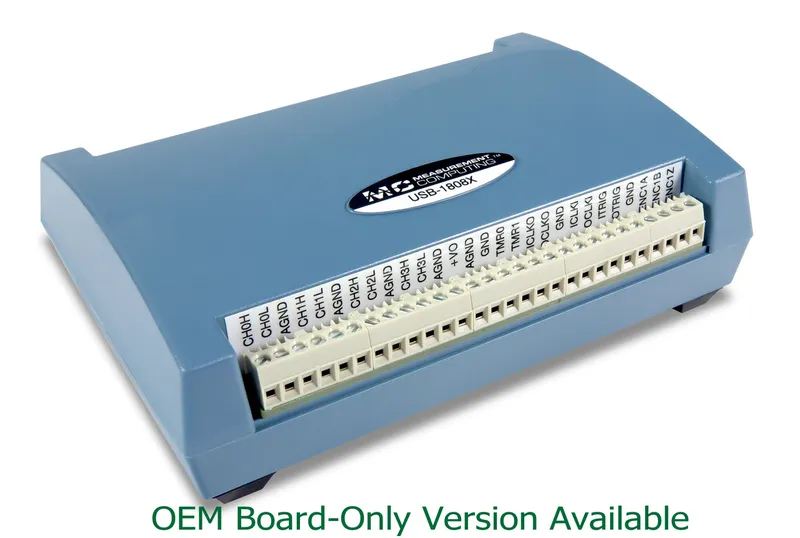
MCC USB-1808X
High-speed simultaneous USB DAQ device with 8 analog inputs at 200 kS/s per channel, 18-bit resolution, and 2 analog outputs for precision measurement. Buy in India from GSAS.
View MCC USB-1808X →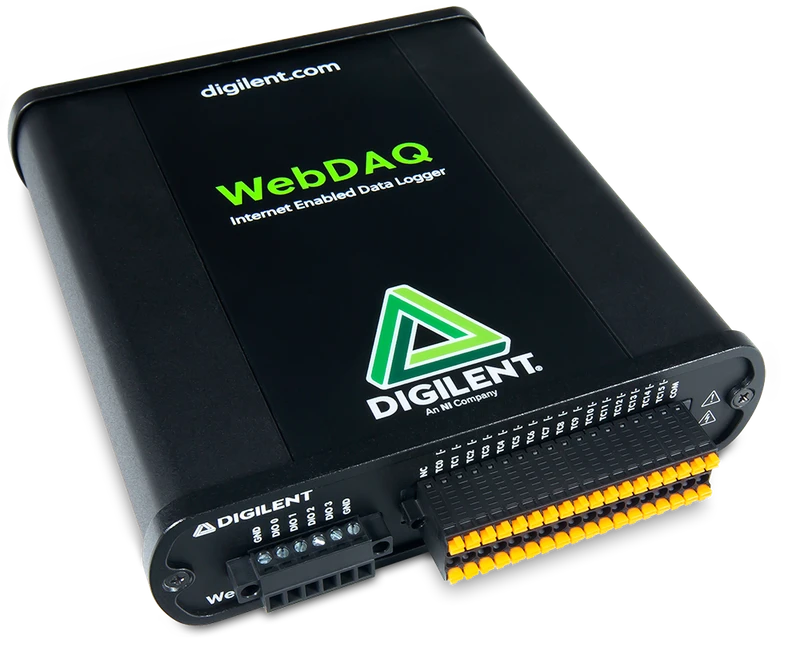
WebDAQ 316
16-channel thermocouple data logger with built-in web interface, Ethernet connectivity, SD card storage, and autonomous operation for remote temperature monitoring. Buy in India from GSAS.
View WebDAQ 316 →Interested in MCC 118 DAQ HAT?
Get pricing, an evaluation unit, or a technical consultation from our application engineers.