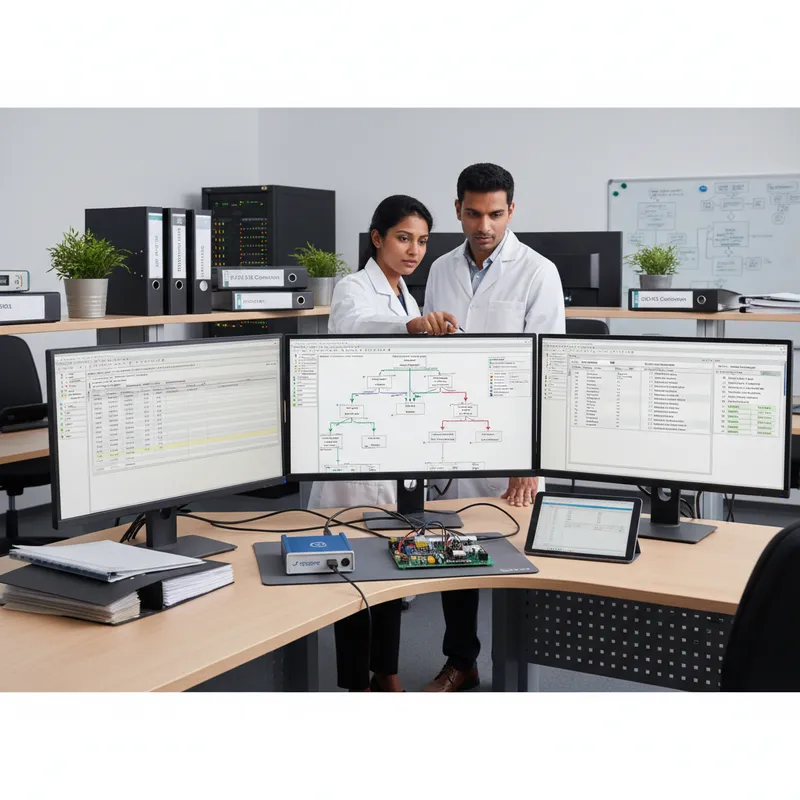
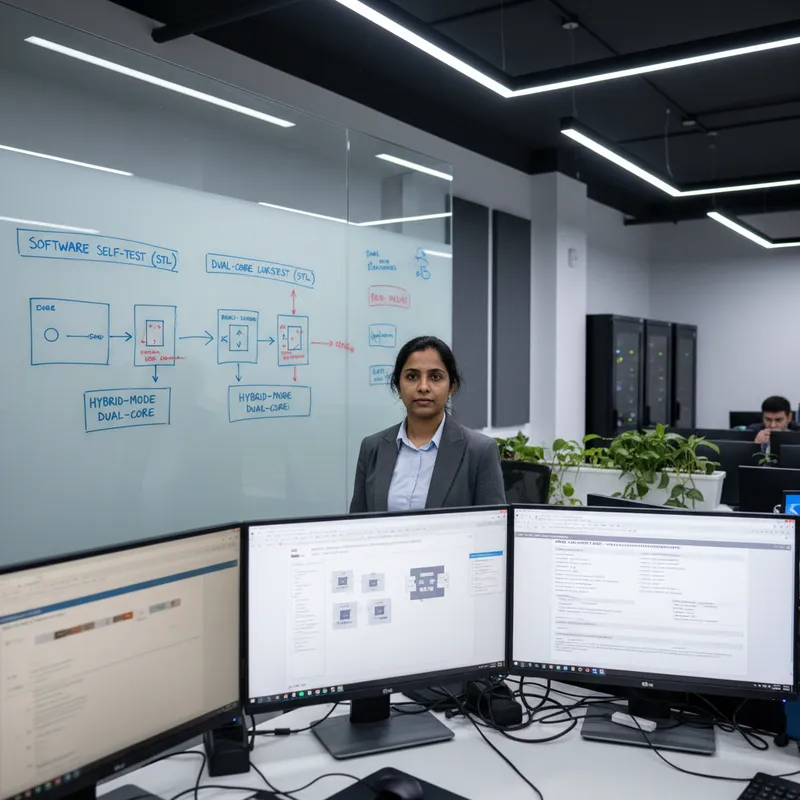
Editor’s note (2026-05-12): an earlier version of this post described Hybrid Mode as a per-task switchable feature on Cortex-R52+ targeting ASIL-D. That was wrong. Per Arm’s Functional Safety Solutions documentation, Hybrid Mode is positioned on the next-generation automotive Cortex-A AE cores, is ASIL-B by default, and is a steady-state configuration, not a per-task switch. What Cortex-R52 / R52+ provides is Split-Lock, configured statically by a pin under full reset. The post has been restructured around the correct positioning.
For Indian Tier-1 and Tier-2 automotive engineering teams designing ECU firmware on Arm Cortex-R or Cortex-A safety silicon, four fault-detection techniques cover four different parts of the ASIL spectrum: Software Test Library (STL), Dual-Core Lock-Step (DCLS), Split-Lock (Cortex-R52 / R52+), and Hybrid Mode (next-generation automotive Cortex-A AE). They are not interchangeable; picking the right one for a given safety integrity level and silicon target is a real decision with cost implications.
This is the decision framework GSAS Micro Systems walks Indian functional-safety architects through when they ask: “we’re targeting ASIL-D, DCLS, Split-Lock, Hybrid Mode, or can STL get us there?”
GSAS is Arm’s authorized partner in India for Arm Development Tools. The advice below is what we share in pre-sales engagements with Indian Tier-1 / Tier-2 automotive customers in Bengaluru, Hyderabad, Chennai, Pune, and Delhi NCR. Note: silicon selection is the SoC team’s call, GSAS provides the toolchain and qualified runtime, not the silicon IP itself.
The four techniques in one paragraph each
Software Test Library (STL)
STL is a software-only fault-detection technique, periodic in-application self-tests of the CPU core, MPU, cache, and on-chip peripherals running as a normal background task on a single core. The application code and the STL share the CPU; the STL runs at boot, periodically during operation, and at shutdown to confirm the silicon is still working as specified. Coverage of permanent faults is good; coverage of transient (single-event) faults is limited because the STL is not running continuously. Arm publishes its own STL portfolio (the Processor Safety Pack and STL Safety Pack), and silicon vendors typically ship vendor-specific STL libraries qualified for their parts. The combination of Arm STL + Processor Safety Pack + STL Safety Pack is positioned by Arm as ASIL-D-capable for the cores it covers, not only as an ASIL-B technique, refer to Arm’s published Functional Safety Solutions material for the specific core/coverage matrix.
Dual-Core Lock-Step (DCLS)
DCLS is a hardware fault-detection technique, two CPU cores execute the same instruction stream in parallel, with hardware-level comparison of every instruction’s outputs. A discrepancy triggers an immediate fault. DCLS catches single-event upsets within nanoseconds of occurrence and provides extremely high diagnostic coverage. The cost is silicon area, power, and per-unit BOM, DCLS effectively doubles the CPU footprint. Cortex-R52 and Cortex-R52+ support DCLS; Cortex-A65AE, A76AE, and A78AE offer DCLS for safety-critical workloads.
Split-Lock (Cortex-R52 / R52+ dual-core configuration)
Split-Lock is the Cortex-R52 / R52+ dual-core configuration option: at full reset, a hardware pin selects whether the two cores run in lock-step (one logical safety core with DCLS protection) or split (two independent cores for performance). The choice is set under full reset and held for the operating session, it is not switched per-task or per-application during normal operation. Many Cortex-R52 ECU designs ship with Split-Lock pin-strapped in lock-step for the safety boot mode and never change it.
Hybrid Mode (next-generation automotive Cortex-A AE)
Hybrid Mode is the technique published by Arm for the next-generation automotive Cortex-A AE cores. Those cores are configurable at the cluster level to operate in a mix of lock-step (for safety-critical workloads) and independent (for performance workloads) within one SoC. The headline configuration is ASIL-B, with the DSU-AE Distributed Safety Unit locked while CPUs operate independently. Hybrid Mode is steady-state cluster configuration, set during system design, not per-task during execution.
Hybrid Mode is not a Cortex-R52 / R52+ feature; that family uses Split-Lock instead. Older Cortex-A AE cores (A65AE / A78AE) use DCLS without the Hybrid Mode plumbing.
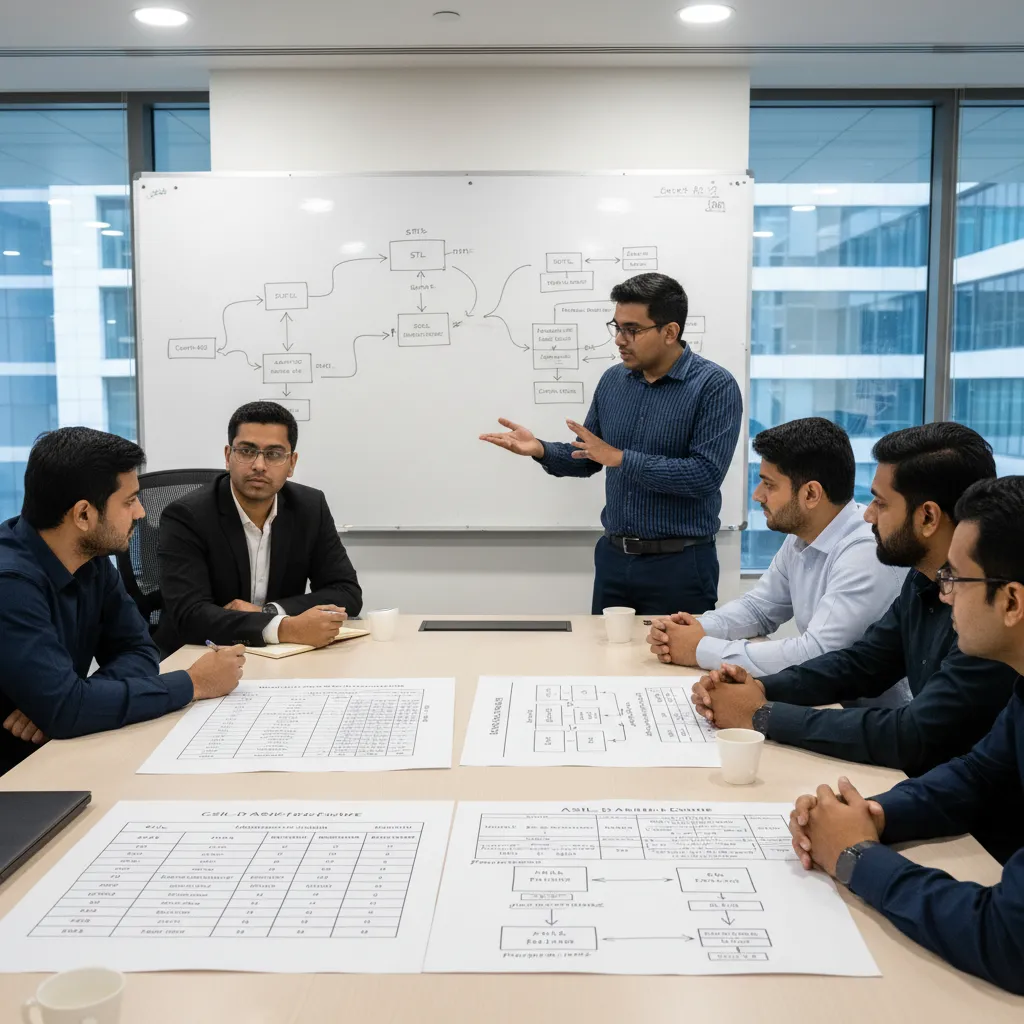
When each one is the right answer
| Scenario | Right technique | Why |
|---|---|---|
| ASIL-B or QM design, single Cortex-M / R core | STL | Coverage is sufficient for ASIL-B; no silicon-area cost; supplier-supplied qualified library is straightforward to integrate |
| ASIL-D design, dual Cortex-R52 / R52+ pin-strapped in lock-step | Split-Lock (lock-step at reset) | The Cortex-R52 family’s canonical ASIL-D configuration: two cores in DCLS, set under reset, held for the operating session |
| ASIL-D design with mixed safety + performance workloads on Cortex-R52 / R52+ | Split-Lock in split mode + per-core safety architecture | Both cores run independently; the safety core gets its own STL / monitoring; the performance core handles QM workloads. Different cores, different safety claims. |
| ASIL-D design, Cortex-A65AE / A78AE in lock-step | DCLS | Established lock-step for application-class automotive AE cores |
| Mixed ASIL-B safety + QM performance on a next-generation Cortex-A AE cluster | Hybrid Mode | Steady-state cluster configuration: safety cores lock-step, performance cores independent. Headline target is ASIL-B. |
| ASIL-D capability with STL portfolio | Arm STL + Processor Safety Pack + STL Safety Pack | Arm explicitly positions this combination as ASIL-D-capable for the cores it covers, refer to Arm’s safety package datasheets for the specific scope. |
| Legacy ECU upgrade, no silicon change planned | STL | Silicon is fixed; STL is the only available fault-detection technique without a silicon respin |
The cost dimension Indian customers care about
Three cost axes the Indian functional-safety architect tracks during the technique decision:
| Cost axis | STL | DCLS / Split-Lock | Hybrid Mode |
|---|---|---|---|
| Silicon BOM | No premium | ~2× silicon area for safety cores | Premium silicon SKU (Cortex-A AE next-gen) |
| Power consumption | No premium | ~1.5 to 2x active power on safety cores | Cluster-level: lock-step cores higher power, independent cores normal |
| Engineering effort | Integrate vendor + Arm STL library | Lower (silicon does the work) | Higher (cluster configuration, mixed-criticality scheduling) |
| Qualification kit complexity | Standard | Standard | Higher (mixed-mode safety case is newer) |
| Time-to-certification | Fastest | Standard | Slowest (Hybrid Mode less common in production audits today, next-gen Cortex-A AE silicon is still rolling out) |
For Indian Tier-2 ECU programmes shipping volume products today, STL or Split-Lock on Cortex-R52 typically dominates. For premium-vehicle or HPC-platform programmes designing in next-generation automotive Cortex-A AE silicon, Hybrid Mode is on the architecture roadmap.
How the Arm tooling supports each technique
This is where GSAS’s authorized scope kicks in, the Arm tools that make each technique implementable in production firmware:
For STL: Arm STL portfolio + AC6 FuSa + FuSa RTS
The STL library (vendor-supplied or Arm-published) integrates under the AC6 FuSa compiler with the Arm FuSa RTS qualified runtime. The qualification trail flows: STL qualification + Arm compiler+runtime qualification → integrated firmware safety case. Indian Tier-2 ECU teams typically standardise on this stack.
For DCLS / Split-Lock: same toolchain, different silicon
DCLS and Cortex-R52 Split-Lock are silicon-level techniques, the toolchain is the same as STL (AC6 FuSa + FuSa RTS), but the firmware targets a Cortex-R52 / R52+ / A65AE / A76AE / A78AE pin-strapped or designed in lock-step. The qualified compiler and runtime qualify the firmware; the silicon’s lock-step implementation qualifies the hardware fault detection.
For Hybrid Mode: toolchain + cluster-level safety architecture
Hybrid Mode is the most complex case because the safety case must argue about a mixed-mode cluster, not a single CPU. The toolchain still flows through AC6 FuSa + FuSa RTS, but the safety architecture has to demonstrate that the lock-step cores meet their ASIL claim while the independent cores are properly isolated from the safety partition. This work is largely silicon-vendor-driven (using Arm’s Functional Safety Solutions reference patterns for those cores); the Arm Safety Qualification Kit covers the toolchain side.
For Indian customers specifically: this is where GSAS’s pre-sales engineering engagement matters. We walk through your specific silicon target, your safety case structure, and the toolchain-side qualification that fits your application, before procurement closes the loop on the toolchain spend.
ISO 26262 mapping by ASIL
| ASIL | Typical fault-detection technique on Arm silicon |
|---|---|
| QM | None required (quality-managed but not safety-classified) |
| ASIL-A | Basic monitoring or STL |
| ASIL-B | STL with vendor-supplied qualified library, or Hybrid Mode (next-generation Cortex-A AE baseline) |
| ASIL-C | STL with stronger coverage targets, or DCLS / Split-Lock depending on architecture |
| ASIL-D | DCLS / Split-Lock (single-fault tolerance) or Arm STL + Processor Safety Pack + STL Safety Pack (per Arm’s published positioning) |
This is the typical mapping. Specific safety cases can deviate. Most Indian ASIL-D Cortex-R52 programmes today use Split-Lock; the Arm-STL ASIL-D path is gaining traction as the Processor Safety Pack matures.
Five common Indian-customer questions
”Can we mix STL and DCLS / Split-Lock in the same ECU?”
Yes, increasingly common in vehicle-platform compute. The lock-step Cortex-R52 cores run the ASIL-D control loop; secondary Cortex-M / Cortex-R cores running STL handle ASIL-B / ASIL-C peripheral monitoring. The safety case is more complex but the cost-versus-coverage trade-off is usually favourable.
”What about software DCLS: can we get DCLS coverage without dual silicon?”
There are software emulations of DCLS-style coverage (running the same algorithm twice with different code paths and comparing outputs), but the diagnostic coverage is materially weaker than hardware DCLS, particularly for transient faults that affect both software runs identically. Software emulations are not equivalent to hardware DCLS for ASIL-D claims. Treat them as a distinct technique with its own coverage analysis. Arm’s STL + Processor Safety Pack + STL Safety Pack is a different category, a documented Arm-qualified ASIL-D-capable path.
”Does my Cortex-R52 design support Hybrid Mode?”
No, Hybrid Mode is positioned by Arm on the next-generation automotive Cortex-A AE cores. Cortex-R52 and R52+ provide Split-Lock instead, configured under full reset, not per-application. If the architecture team has been told “Cortex-R52+ adds per-task Hybrid Mode,” that is incorrect; ask Arm or the silicon vendor to clarify before designing the safety architecture around it.
”How long does ASIL-D certification take with each technique?”
The technique itself is not the long pole, the supporting safety case, V&V evidence, and qualification artefacts are. The duration varies considerably by team maturity, in-flight evidence reuse, notified-body throughput, and whether the team has done ASIL-D work before. We do not publish a fixed timetable here; talk to your TÜV / notified-body assessor early and price the safety case for your specific programme.
”When does Hybrid Mode pay off vs running two SoCs?”
The trade-off is a BOM-cost comparison: total cost of two SoCs (including PCB area, power, redundancy interconnect, and lock-step verification overhead) vs the premium of a single Hybrid-Mode-capable Cortex-A AE SoC. Indian Tier-2 programmes with high unit volume tend to favour an integrated cluster once the per-unit BOM saving multiplies out; lower-volume premium-vehicle programmes sometimes accept the two-SoC architecture for the simpler safety-architecture story. Run the BOM math against your specific volume forecast and silicon options, there is no universal threshold.
What to do this quarter
If you are an Indian Tier-1 / Tier-2 functional-safety architect making the technique decision:
- Confirm your ASIL target for each safety function in the ECU. Different functions in the same ECU can have different ASILs.
- Confirm your silicon target options. Cortex-R52 / R52+ → Split-Lock. Cortex-A65AE / A76AE / A78AE → DCLS. Next-generation Cortex-A AE → Hybrid Mode. STL is available on all of them.
- Run the cost dimension table on your specific BOM and volume. Engineering effort vs silicon premium vs power budget.
- Talk to GSAS about the Arm toolchain side: AC6 FuSa, FuSa RTS, Safety Qualification Kit. We don’t sell silicon, but we do sell the qualified compiler + runtime that turn whichever technique you pick into shippable firmware.
Talk to GSAS about your FuSa toolchain selection →
GSAS Micro Systems is Arm’s authorized engineering partner in India for the Arm tools family, across Bengaluru, Hyderabad, Chennai, Pune, Mumbai, Delhi NCR, and Visakhapatnam.
Also appears in:
Interested in Arm tools?
Talk to our application engineers for personalized tool recommendations.
More from Arm
View all →
Meet the GSAS Team at electronica India 2026, Stall H3.I45
15 Sept · 3 min
Arm's Agentic AI Push: What Indian Embedded Teams Can Actually Use Today
13 Sept · 7 min

Arm User-Based Licensing in CI/CD: armlm, Proxy Activation and What Breaks
28 Jul · 11 min
Two Arm Keil MDK Webinars This Summer: DevOps and Edge AI for Indian Cortex-M Teams
17 Jun · 4 min
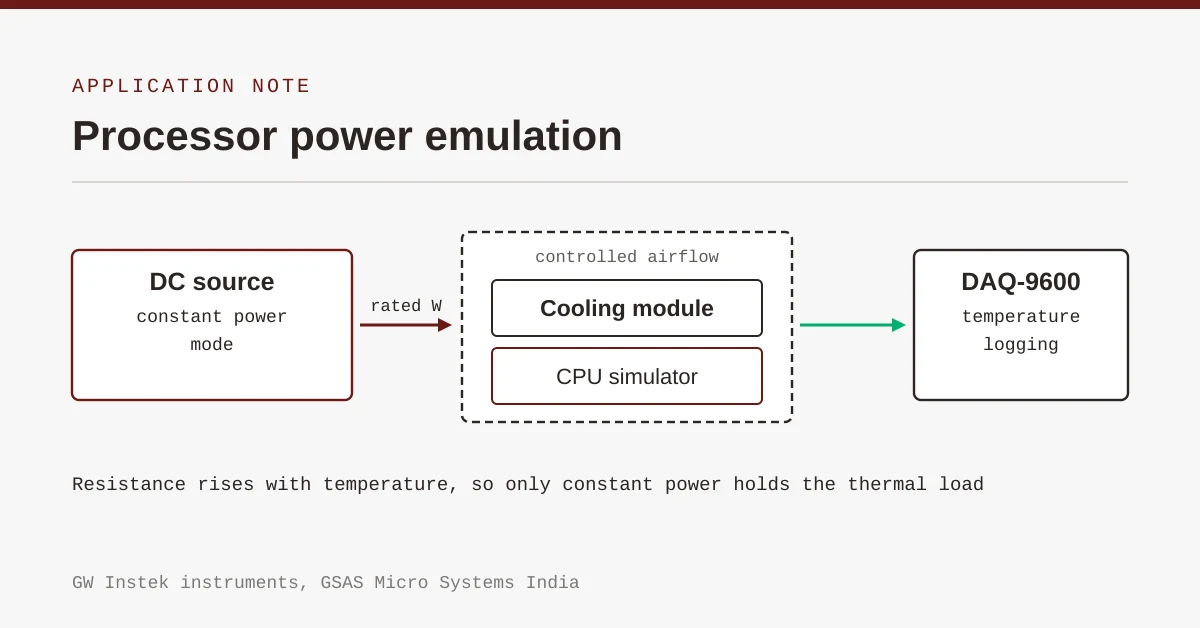
Emulating Processor Power for Thermal Testing: Why Constant Power
7 Oct · 7 min
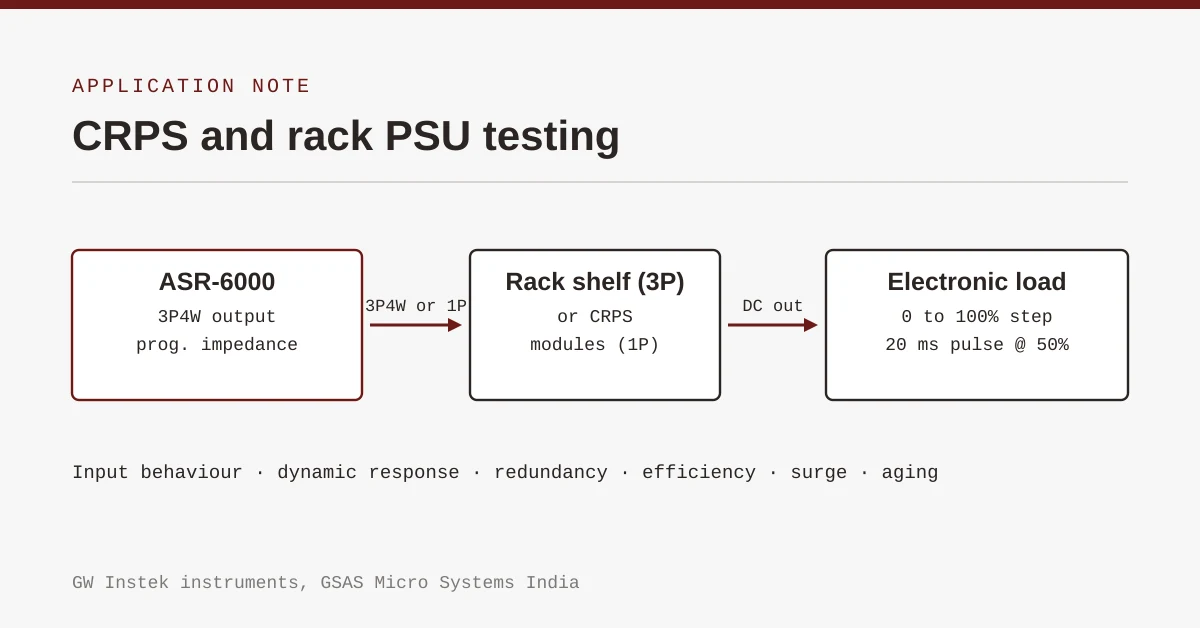
CRPS and Rack Power Supply Testing: The Six Tests That Matter
7 Oct · 7 min