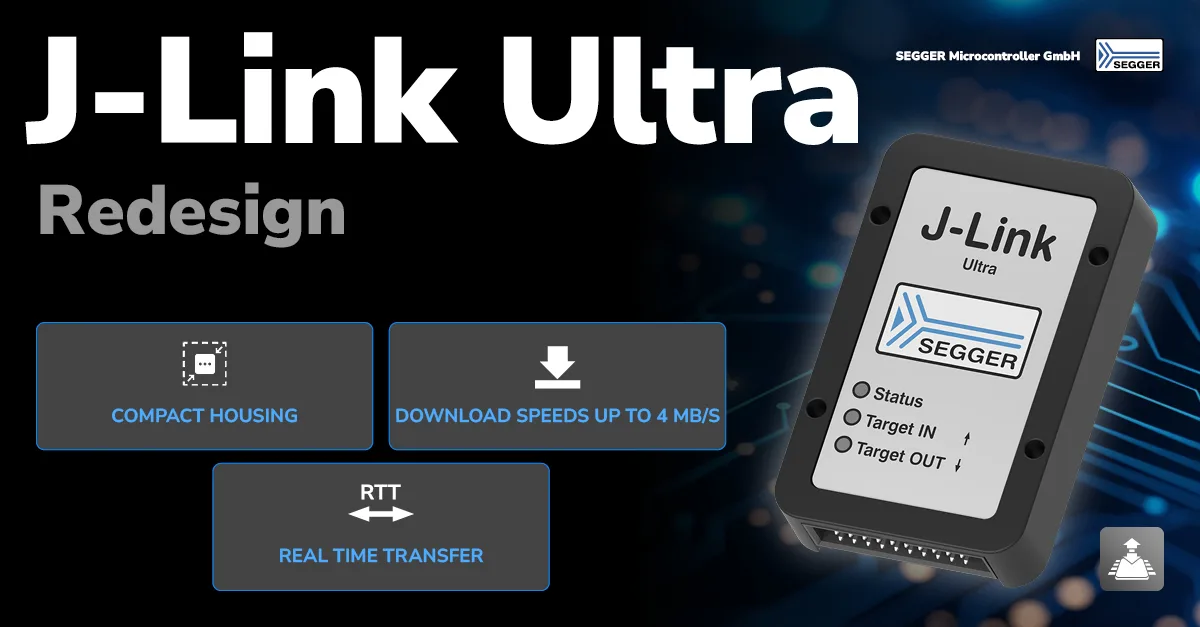
On 30 June 2026, SEGGER announced a redesign of the J-Link ULTRA, the JTAG and SWD probe SEGGER positions as its ultra-fast debug probe. The hardware is smaller, the connector is now USB Type-C, and the probe is easier to mount. The performance engineers rely on is unchanged.
What changed
The redesigned J-Link ULTRA ships in a compact 73 x 46 x 19 mm, 40 gram housing with a footprint smaller than a credit card, USB Type-C connectivity in place of the previous connector, a single 20-pin JTAG/SWD target connector, and integrated mounting holes for fixed bench and rack installations.
What did not change is the part that matters on every build cycle. Download speeds stay at up to 4 MB/s, Real-Time Transfer (RTT) still moves data both ways with minimal CPU overhead on the target and without affecting real-time behavior, and the J-Link software stack works as before: GDB Server, Ozone, and SystemView, with the separately licensed J-Link SDK for custom automation.
“The new design brings the same high-speed performance and advanced functionality users know from J-Link Ultra to a much smaller housing,” said Erik Loehr, Product Manager J-Link at SEGGER.
Why it matters for teams in India
Bench and rack space is finite, and debug probes often live permanently in test fixtures. A smaller footprint with mounting holes makes the J-Link ULTRA easier to fix in place in production and CI setups, and USB Type-C removes the cable hunt. For firmware teams flashing multi-megabyte images many times a day, the 4 MB/s download speed still does the heavy lifting.
Get the J-Link ULTRA in India
GSAS Micro Systems is an authorized SEGGER engineering partner in India. The redesigned J-Link ULTRA is available with INR invoicing, 12 months of SEGGER Basic Support included, and hands-on field application engineering from our offices in Bengaluru, Hyderabad, Chennai, Pune, Mumbai, and Delhi NCR. Order from the GSAS store or request a quote for volume pricing, and explore the full SEGGER portfolio.
Source: SEGGER press release, “SEGGER redesigns J-Link Ultra” (30 June 2026), segger.com/news/pr-260630-redesign-j-link-ultra.
Also appears in:
Interested in SEGGER tools?
Talk to our application engineers for personalized tool recommendations.
More from SEGGER
View all →
Meet the GSAS Team at electronica India 2026, Stall H3.I45
15 Sept · 3 min
J-Link Is Now Validated by ST for StellarStudio
13 Sept · 2 min
An AI Agent That Drives the Debugger: SEGGER and Embedder Connect J-Link to the Loop
13 Sept · 6 min
SEGGER J-Link and J-Trace Now Support Andes Trace: Why This Matters for RISC-V
21 Jul · 6 min
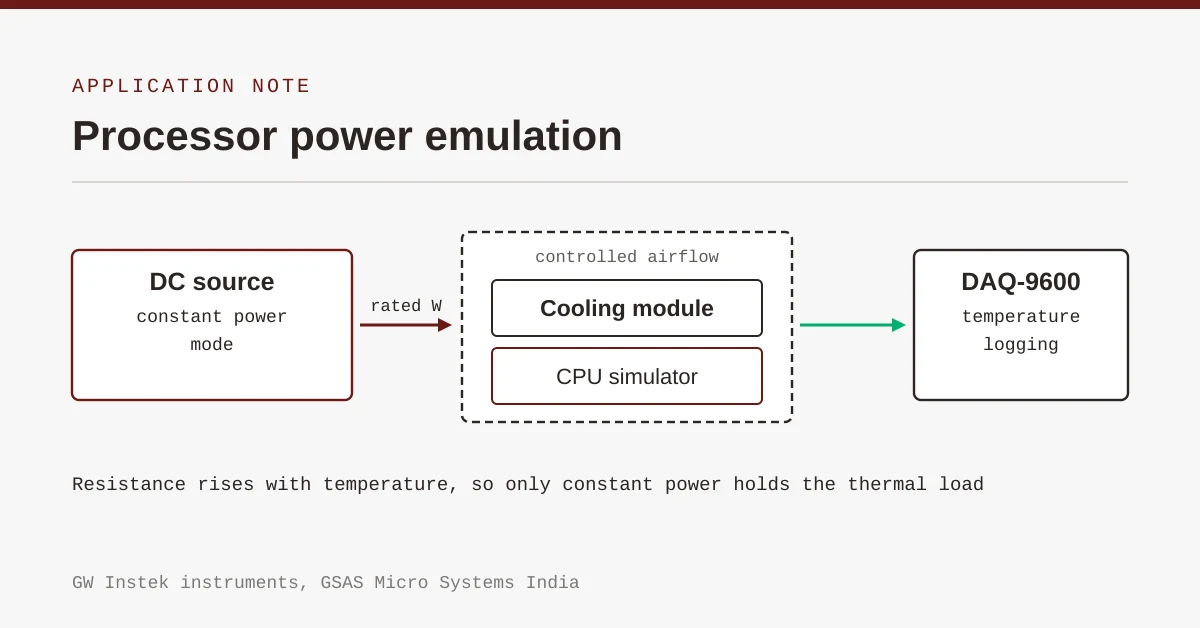
Emulating Processor Power for Thermal Testing: Why Constant Power
7 Oct · 7 min
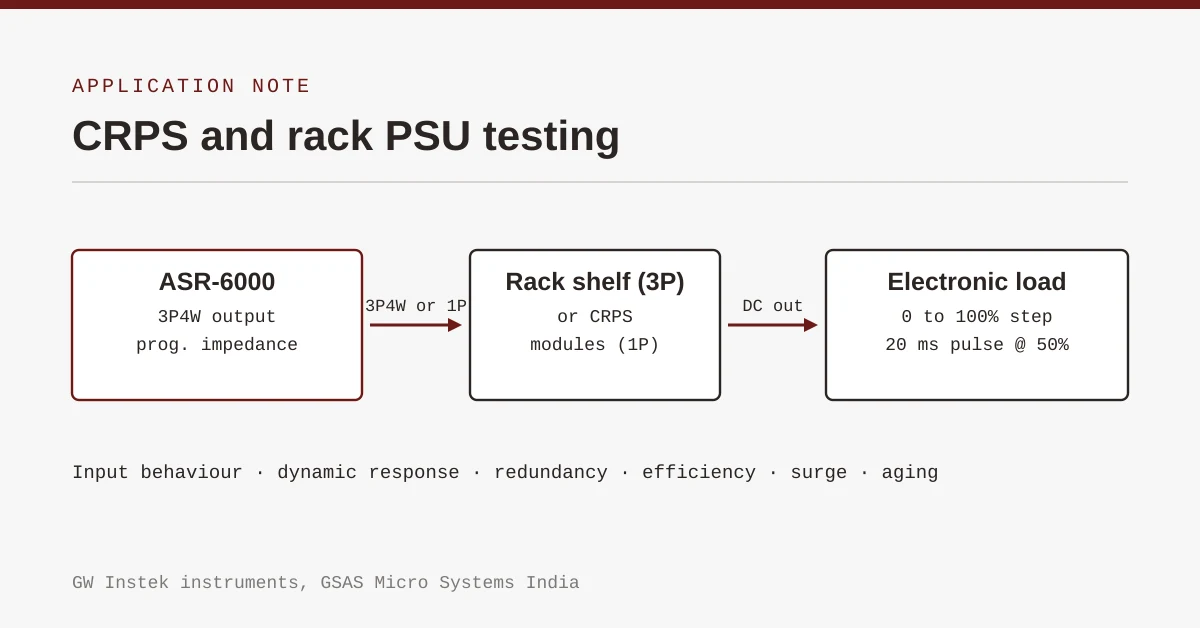
CRPS and Rack Power Supply Testing: The Six Tests That Matter
7 Oct · 7 min