
 Binho
Binho Binho Supernova I3C Exerciser
Debug & Protocol AnalysisMIPI I3C host adapter and exerciser that Binho specifies as Controller or Target at 12.5 MHz, with SDR and HDR-DDR, plus I2C, SPI, UART and GPIO. Buy in India from GSAS, authorized Binho engineering partner.
I3C Speed
Up to 12.5 MHz
I3C Role
Controller or Target
I3C Modes
SDR and HDR-DDR, IBI, Hot-Join, all CCCs
I3C Spec Versions
v1.0, v1.1.1, v1.2
I3C Voltage
0.8 V to 3.3 V
SPI / I2C / UART
SPI 50 MHz with 4x CS and all 4 modes; I2C 1 MHz controller; UART 115200 baud with HW flow control (1.2 V to 3.3 V)
GPIO
6 dedicated configurable pins
Software
Mission Control 3 (Public Preview), Python SDK, C / C++ / C# SDKs
Overview
About Binho Supernova I3C Exerciser
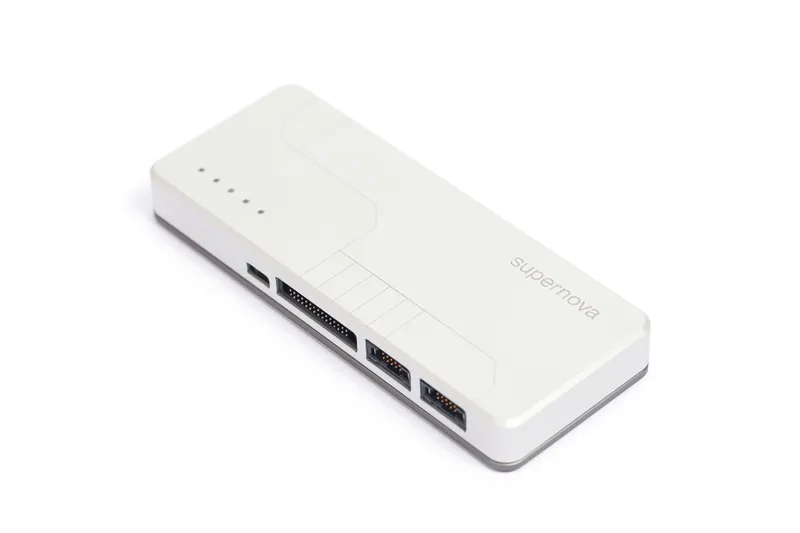
The Binho Supernova is a USB host adapter and I3C exerciser built around the MIPI I3C specification. Binho specifies support for I3C spec versions v1.0, v1.1.1 and v1.2, at speeds up to 12.5 MHz, in both SDR mode and HDR-DDR, with In-Band Interrupts, Hot-Join and all Common Command Codes. The detail that separates the Supernova from a plain host adapter is its role flexibility: Binho lists the I3C role as Controller or Target, so one instrument can drive a bus of target devices or present itself as a target to somebody else’s controller. These are the bus mechanisms that make I3C practical in sensor hubs, camera modules and power management ICs, and they are the ones firmware teams need to observe directly before committing to silicon.
The I3C signalling range is 0.8 V to 3.3 V, which reaches below the 1.2 V to 3.3 V range Binho specifies for the instrument’s I2C, SPI, UART and GPIO pins. That matters on modern low-voltage sensor rails, where the I3C domain often sits under the legacy buses on the same board. Alongside I3C, the Supernova provides a 1 MHz I2C controller with configurable pull-ups, 7-bit addressing and clock stretching; a 50 MHz SPI controller with up to four chip-select signals and all four SPI modes; UART at 115200 baud with hardware flow control; and six dedicated configurable GPIO pins. The hardware is a CNC-machined enclosure with USB Type-C, five RGB status LEDs, integrated mounting holes and, in Binho’s words, a “Silent. Fanless” design with zero moving parts.
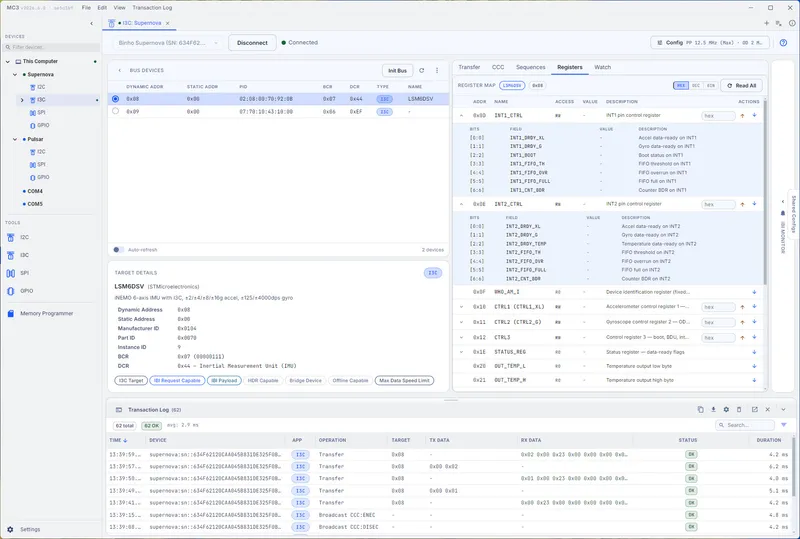
On the software side, Binho ships the Mission Control GUI plus a Python SDK with Jupyter examples and C, C++ and C# SDKs. Mission Control 3 is currently in Public Preview and covers I3C, I2C, SPI and GPIO on the Supernova, running either straight from a browser tab or as a native application on Windows, macOS (Apple Silicon) and Linux. For automated test and production workflows, the SDKs give programmatic control over I3C, I2C, SPI and UART transactions, so an I3C target validation suite written interactively can be lifted into a CI pipeline or a production test fixture without changing instruments.
Why GSAS for Binho Supernova in India
GSAS is an authorized engineering partner in India, providing INR invoicing, evaluation units, and I3C protocol expertise from offices in Bengaluru, Hyderabad, Chennai, Pune, Mumbai, and Delhi NCR. Our application engineers support MIPI I3C target bring-up, HDR-DDR mode testing, and Mission Control deployment, helping Indian embedded teams adopt I3C with confidence. Contact GSAS from Bengaluru to Delhi NCR for evaluation programs and technical guidance on the Binho Supernova.
Blog
Binho Insights
I3C FAQ for Firmware Teams: What the Bus Is, What Changes, and What You Need on the Bench
MIPI Alliance describes I3C as the successor to I2C, with legacy compatibility so that I3C and I2C devices can coexist on the same bus, a two-wire interface that supports in-band interrupts to reduce pin count, plus multi-controller support and dynamic addressing. This FAQ answers the questions firmware teams actually ask before adopting it.
Running the Binho Supernova as an I3C Target: Emulating a Device Against Your Own Controller
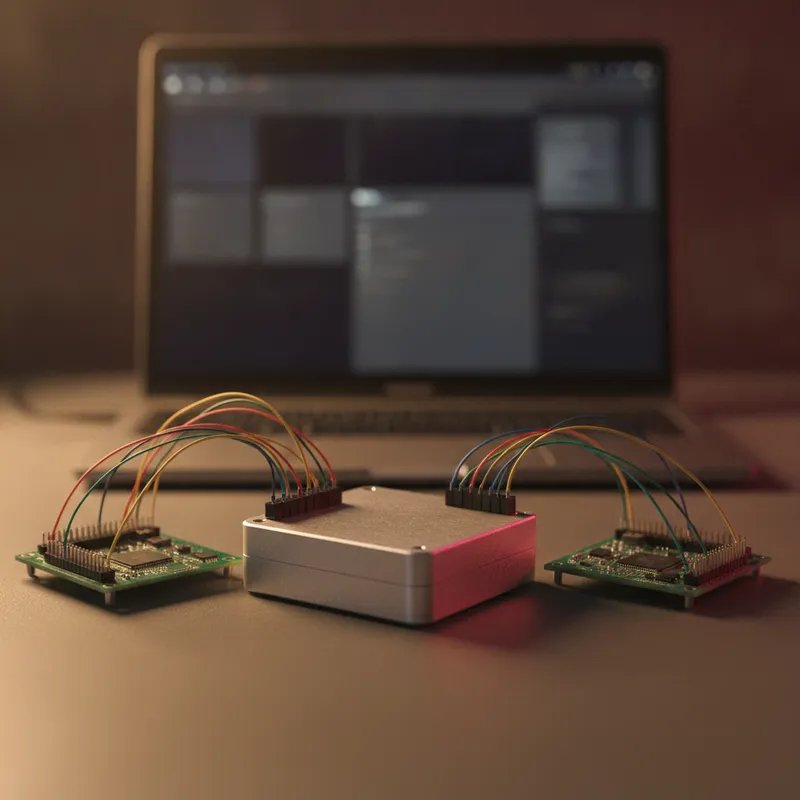
Binho specifies the Supernova's I3C role as Controller or Target, which means the same adapter can stand in as the device under test rather than only driving one. That second direction is how a team validates its own I3C controller, its ENTDAA implementation and its interrupt handling, before the target silicon exists.
Binho Mission Control 3 (Public Preview): Point-and-Click I2C, SPI, I3C, and GPIO
Binho Mission Control 3 is in Public Preview: a ground-up rebuild that drives I2C, SPI, I3C, and GPIO from one workbench in a browser tab or native app, with a visual memory programmer, free for existing Supernova and Pulsar customers. Available in India from GSAS.
Related products
More from Binho
All Binho products →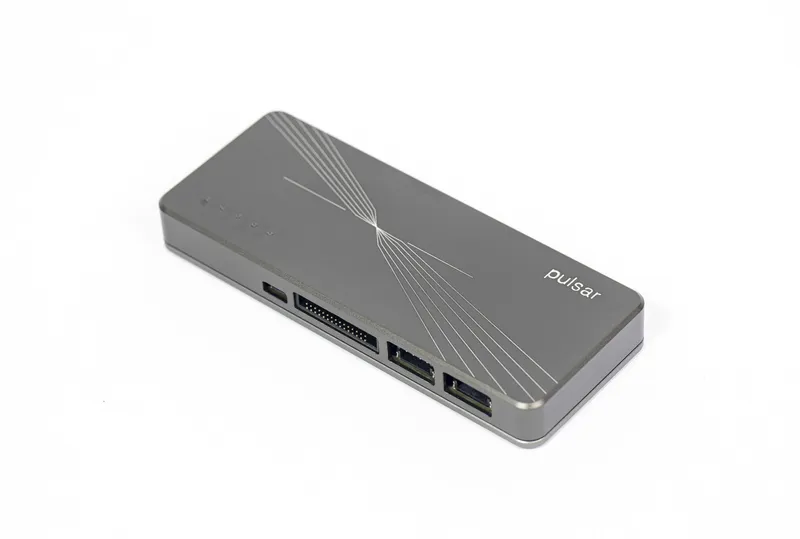
Binho Pulsar USB Host Adapter
USB host adapter with a 50 MHz SPI controller, 1 MHz I2C, UART, RS-485 and 6 GPIO in a machined-aluminum enclosure, with programmable 1.2 V to 3.3 V downstream power. Available in India from GSAS.
View Binho Pulsar USB Host Adapter →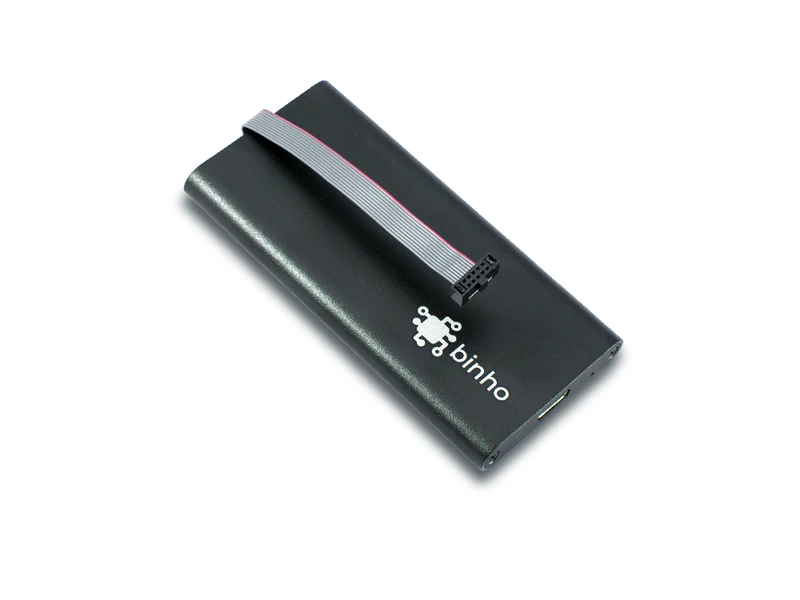
Binho Nova Multi-Protocol USB Host Adapter
Multi-protocol USB host adapter with I2C to 3.4 MHz, SPI to 12 MHz, UART to 1 Mbps and 1-Wire, powered from USB at 3.3 V logic. Buy in India from GSAS, authorized Binho engineering partner.
View Binho Nova Multi-Protocol USB Host Adapter →Available across India
FAQ
Common questions about Binho Supernova I3C Exerciser
Can the Binho Supernova act as an I3C target, not just a controller?
Which MIPI I3C specification versions does the Supernova support?
What I3C signalling voltage does the Supernova support?
Does the Supernova also handle I2C, SPI and UART?
How do I buy the Binho Supernova in India?
Interested in Binho Supernova I3C Exerciser?
Get pricing, an evaluation unit, or a technical consultation from our application engineers.