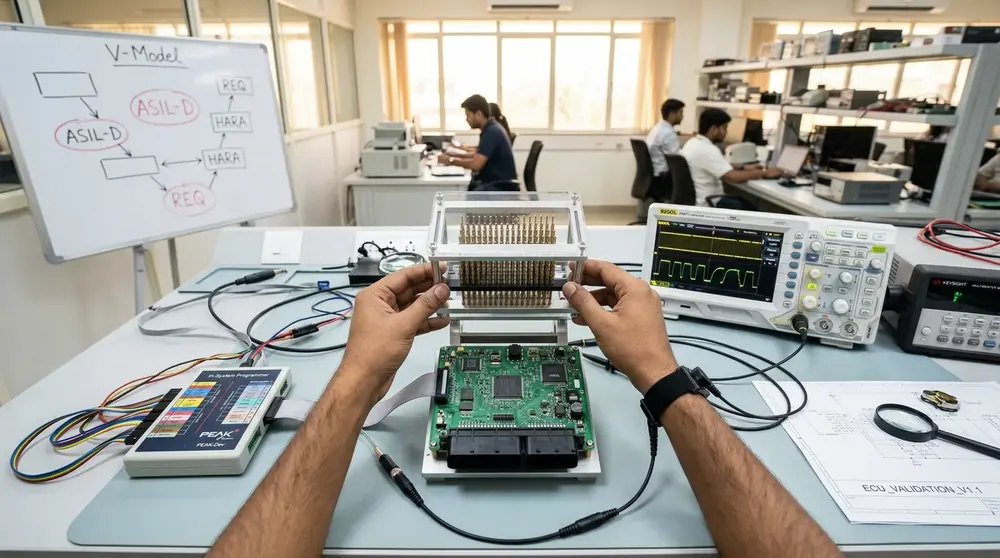
India’s engineering education system produces a large number of graduates in electronics, electrical, and computer science engineering every year. The curriculum covers the theoretical foundations, circuit theory, digital logic, microprocessors, signal processing, communication systems. What the system often struggles to provide is sufficient hands-on laboratory experience.
The bottleneck is not curriculum design, it is lab infrastructure. Traditional electronics labs require benchtop instruments (oscilloscopes, function generators, power supplies, logic analyzers) that cost lakhs of rupees per station. With class sizes of 60-120 students and lab time slots limited to 2-3 hours per week, each student gets minimal hands-on time. The instruments stay in the lab; the students do not have access outside scheduled hours.
This constraint shapes the quality of graduates entering the Indian engineering workforce. Employers consistently report that new hires understand theory but struggle with practical skills, debugging a circuit, interpreting oscilloscope waveforms, programming a microcontroller or FPGA, and diagnosing hardware problems.
The Digilent Approach to Scale
Digilent’s product philosophy addresses the scalability problem directly: make instruments and development platforms affordable enough that every student can have their own.
Analog Discovery 3: a complete electronics lab (oscilloscope, logic analyzer, waveform generator, power supply, spectrum analyzer, network analyzer) in a USB device. At a fraction of benchtop instrument cost, universities can issue one unit per student rather than sharing one unit per four or five students. Students take the instrument home, work on projects at their own pace, and develop practical measurement skills through repetition and experimentation, not through brief, supervised lab sessions.
Basys 3 / Arty A7: FPGA development boards at price points that enable one board per student. Students install Vivado (free) on their laptops, connect the board via USB, and work on digital design projects from their dormitory, home, or anywhere with a laptop. The FPGA board replaces the shared lab workstation for digital design courses.
WaveForms software: free, multi-platform (Windows, macOS, Linux), no per-seat licensing. Students install on their personal laptops without institutional license management overhead.
What Changes When Every Student Has Their Own Lab
Practice time increases by an order of magnitude. When a student has their own Analog Discovery and FPGA board, they can spend 10-20 hours per week on practical work, compared to the 2-3 hours of shared lab time. The learning improvement from this additional practice time is dramatic.
Project-based learning becomes feasible. When lab access is limited to scheduled slots, projects must be simple enough to complete in a few sessions. With personal instruments and boards, students can undertake semester-long projects, building a complete system, iterating on the design, and learning through the debugging process that is the core of engineering practice.
Self-paced learning. Students learn at different rates. A shared lab enforces a common pace, the experiment must be completed within the time slot. Personal equipment enables faster students to explore advanced topics and slower students to spend more time on fundamentals without holding up the group.
Remote and hybrid learning. The pandemic demonstrated that engineering education cannot depend entirely on physical lab access. Personal instruments enable remote lab work, students perform experiments at home, submit screenshots and data from WaveForms, and participate in virtual lab sessions.
Implementation at Indian Universities
Several Indian universities and training institutions have adopted the Digilent-based approach:
Lab-in-a-box kits. Universities configure kits containing an Analog Discovery 3, a Basys 3 or Arty A7, a breadboard, basic components, and Pmod peripherals. Students receive the kit at the start of the semester and return it at the end (or purchase it at a subsidised rate).
Instrument lending libraries. Universities purchase Analog Discovery units in bulk and lend them to students for the semester, similar to textbook lending. The instruments rotate through student cohorts across academic years.
Personal purchase programmes. Some institutions facilitate student purchase of Analog Discovery and FPGA boards at educational pricing, enabling students to keep the instruments after graduation, building their personal lab for career-long learning.
The Graduate Advantage
Students who complete their engineering education with extensive hands-on experience, hundreds of hours with oscilloscopes, logic analyzers, FPGA tools, and debugging techniques, enter the workforce with practical competency that theory-only graduates lack. For employers in Bengaluru, Hyderabad, Chennai, Pune, Mumbai, and Delhi NCR hiring for embedded systems, FPGA, and hardware engineering roles, this practical competency reduces onboarding time and accelerates productivity.
Why Buy from GSAS
GSAS is an authorized partner in India, providing educational pricing, lab kit configuration, GeM procurement support, and local warranty service for universities and training institutions across Bengaluru, Hyderabad, Chennai, Pune, Mumbai, Delhi NCR, and Visakhapatnam.
Explore Digilent Products → | Contact for Educational Pricing →
Also appears in:
Interested in Digilent tools?
Talk to our application engineers for personalized tool recommendations.
More from Digilent
View all →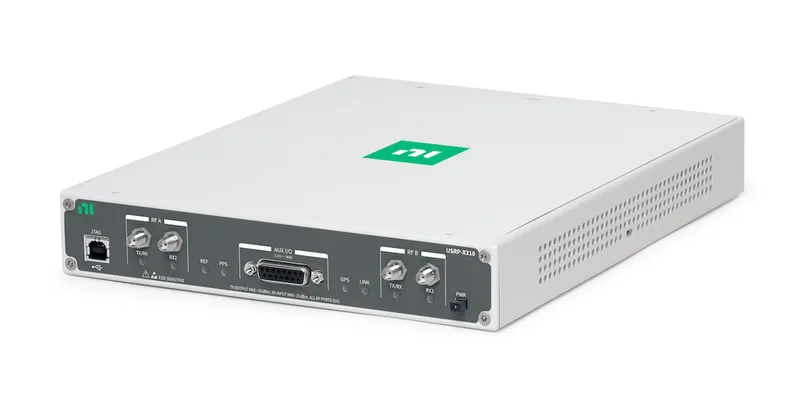
Real-World SDR Applications: 5G Research, Satellites, IoT and ADS-B
28 Aug · 6 min
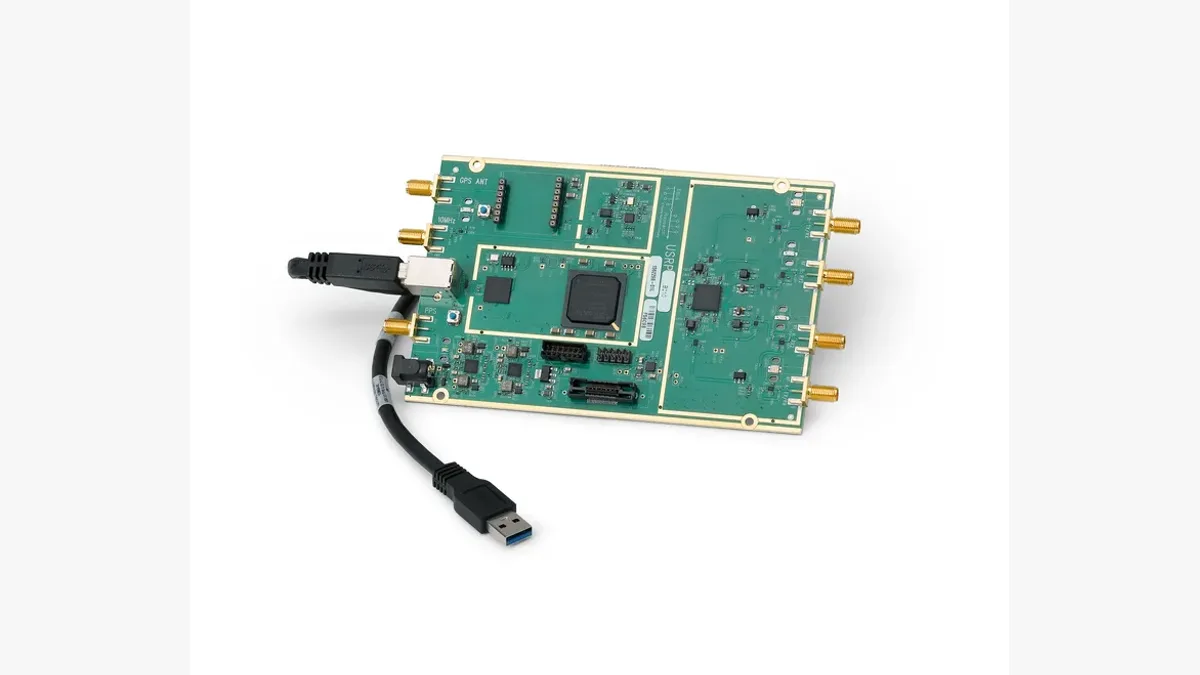
What Is Software Defined Radio (SDR)? A Practical Explainer for Indian Engineering Teams
19 Aug · 9 min
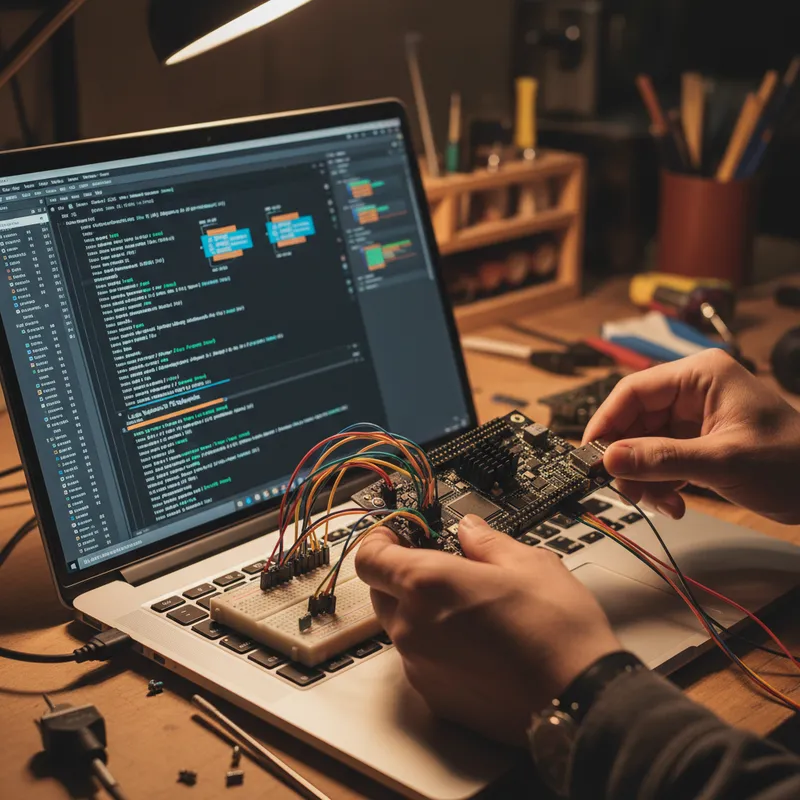
ZedBoard FPGA-in-the-Loop: HDL Verifier vs HDL Coder
5 Aug · 9 min
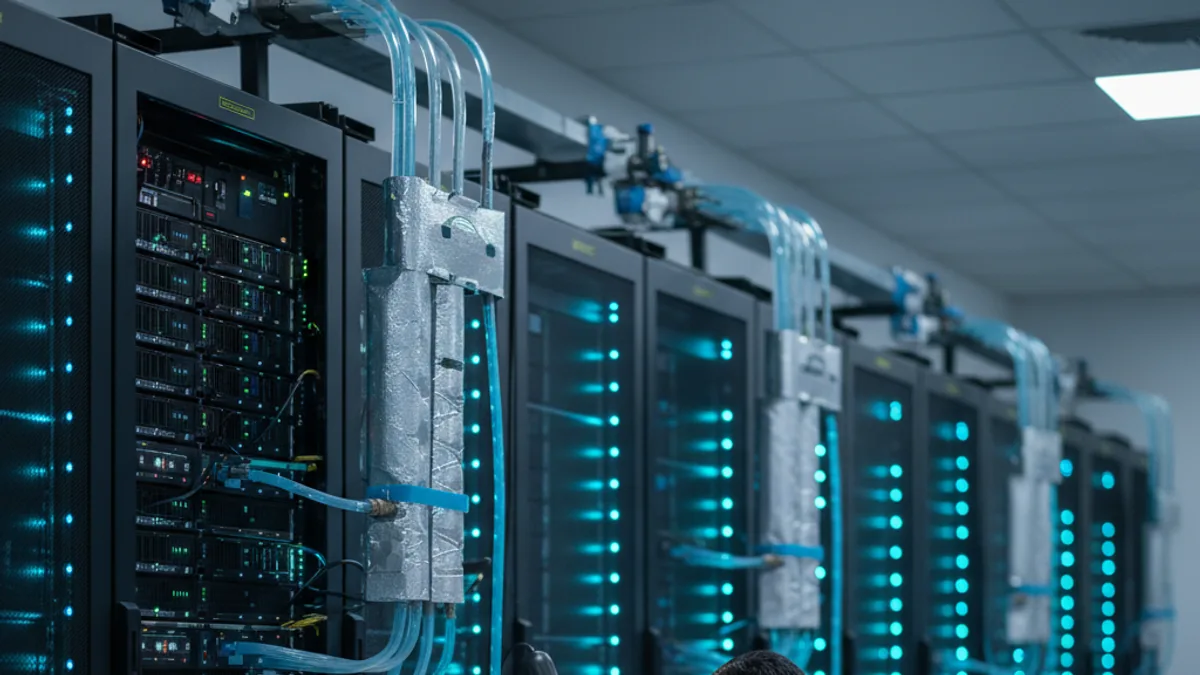
AI Data Centers in India: Test, Measurement & Memory Boom
4 Jun · 14 min
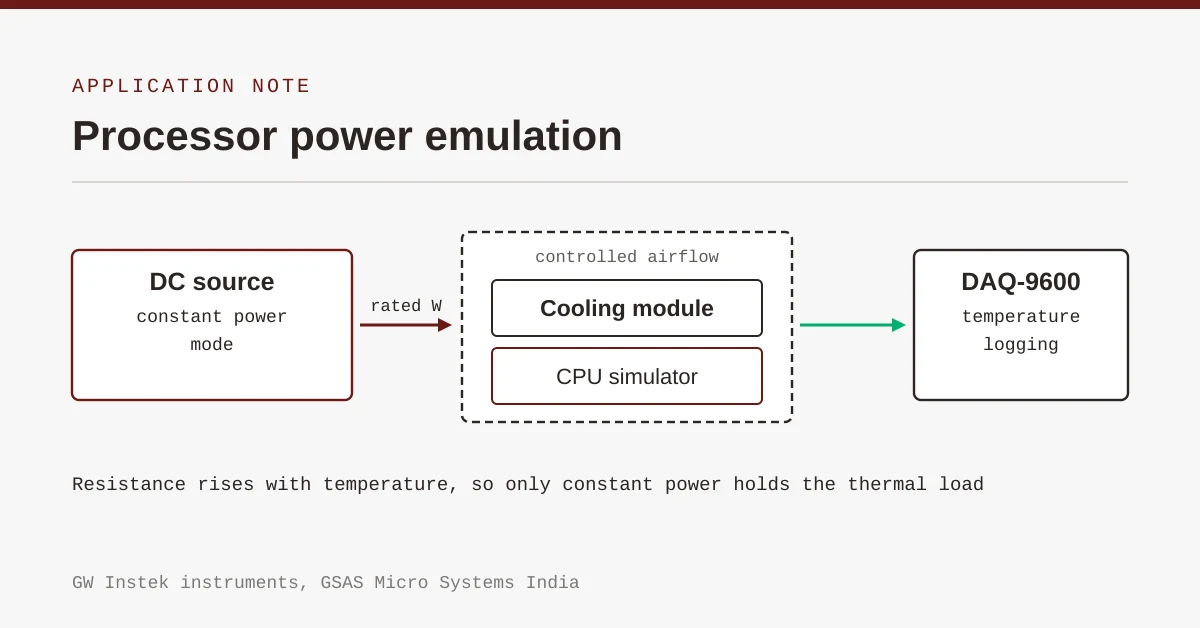
Emulating Processor Power for Thermal Testing: Why Constant Power
7 Oct · 7 min
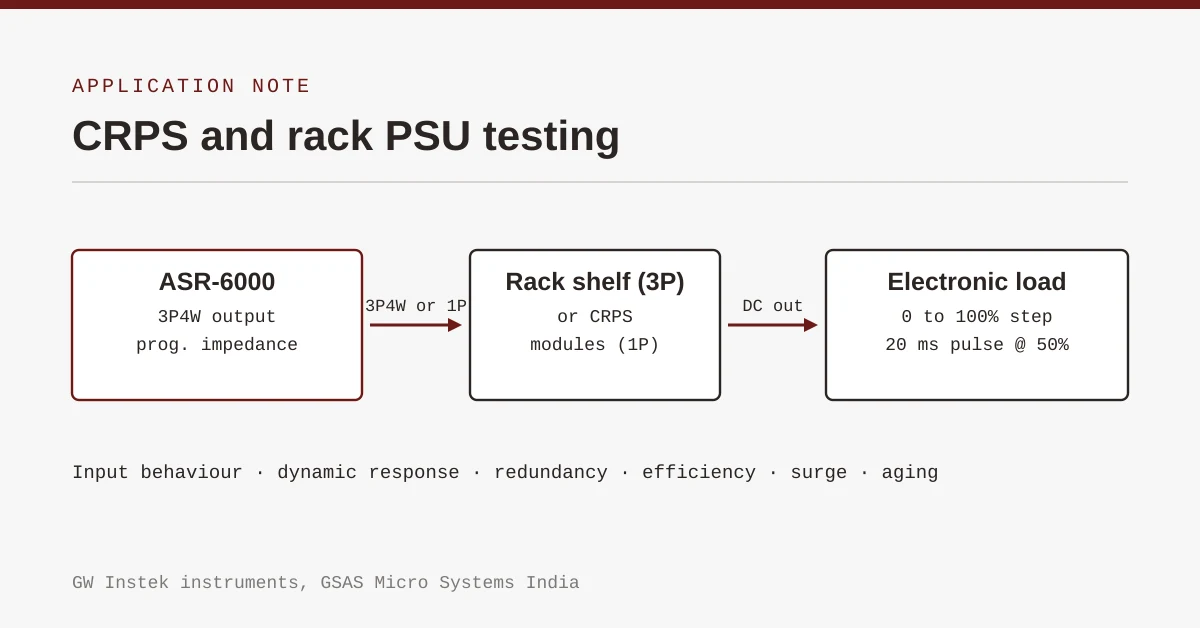
CRPS and Rack Power Supply Testing: The Six Tests That Matter
7 Oct · 7 min