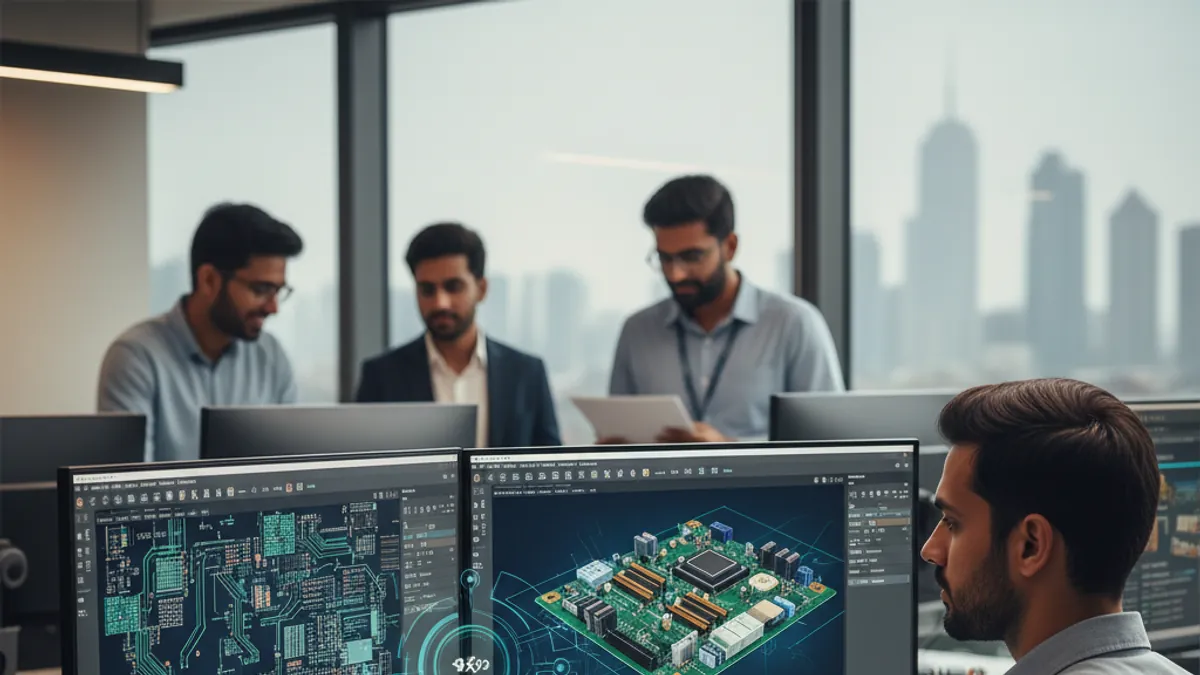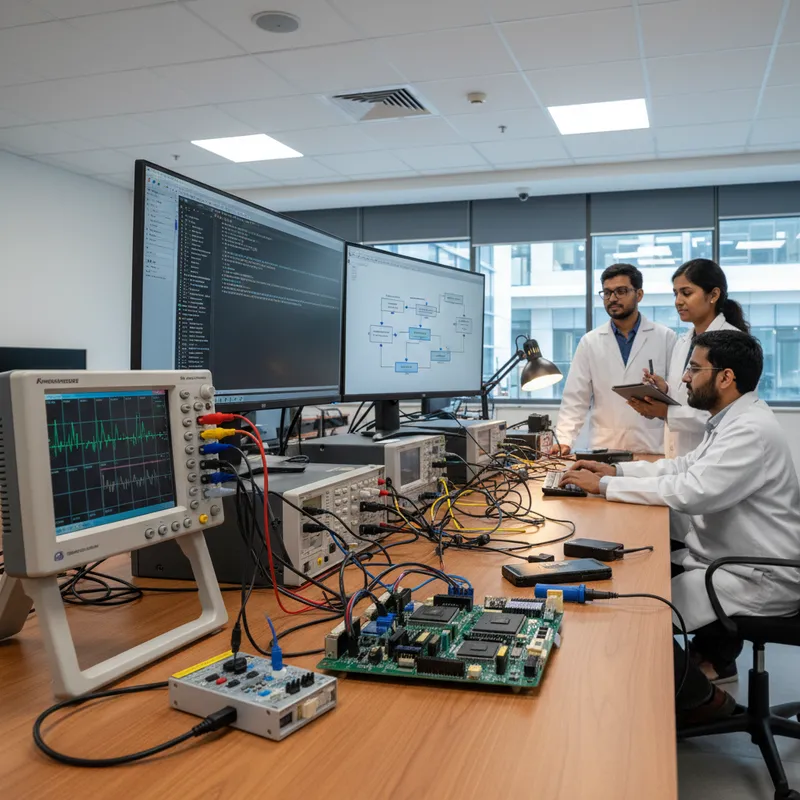
The automotive industry is undergoing a fundamental architectural transformation. Vehicle control is consolidating from 100–150 discrete electronic control units into domain controllers and zonal architectures. This isn’t hype, it’s genuine architectural evolution.
The Scale of Change
By 2030, the automotive software market is expected to reach $462–650 billion (McKinsey & Company). Software now defines vehicle capability, and the complexity of embedded systems in modern cars is growing exponentially.
Indian Engineering at the Forefront
Programs like Citroën’s Basalt and Indian OEMs designing for global markets exemplify modern E/E architecture from inception, engineered in India, for global markets. Indian engineering teams are no longer adapting legacy architectures; they’re designing next-generation platforms from scratch.
Impact on Development Workflows
The SDV transition fundamentally changes three areas:
- Programming workflows: OTA update support, resource optimization across zonal controllers, and multi-core programming become standard requirements
- Certification processes: enhanced functional safety validation under ISO 26262, plus new cybersecurity mandates under UNECE R155/R156
- Development cycles: faster iteration, tighter hardware-software integration, and shift-left testing become non-negotiable
What GSAS Brings to SDV an authorized partner portfolio directly addresses each of these challenges, from Arm Compiler 6 and SEGGER J-Link for multi-core debug, to TESSY for ISO 26262 unit testing, to Perforce Klocwork for MISRA/AUTOSAR static analysis.
The question isn’t whether your vehicle architecture is becoming software-defined. The question is whether your development toolchain is ready for it.
Explore our automotive solutions
See the Original Post on LinkedIn
Also appears in:
Interested in Arm tools?
Talk to our application engineers for personalized tool recommendations.
More from Arm
View all →
Meet the GSAS Team at electronica India 2026, Stall H3.I45
15 Sept · 3 min
Arm's Agentic AI Push: What Indian Embedded Teams Can Actually Use Today
13 Sept · 7 min
Arm User-Based Licensing in CI/CD: armlm, Proxy Activation and What Breaks
28 Jul · 11 min
Two Arm Keil MDK Webinars This Summer: DevOps and Edge AI for Indian Cortex-M Teams
17 Jun · 4 min
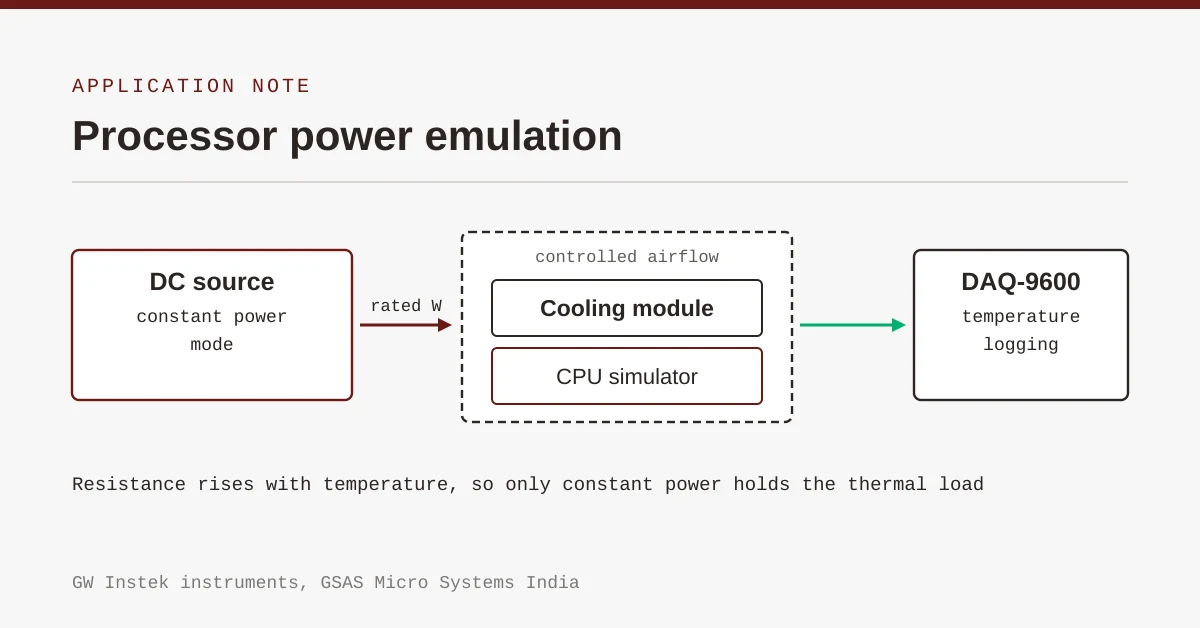
Emulating Processor Power for Thermal Testing: Why Constant Power
7 Oct · 7 min
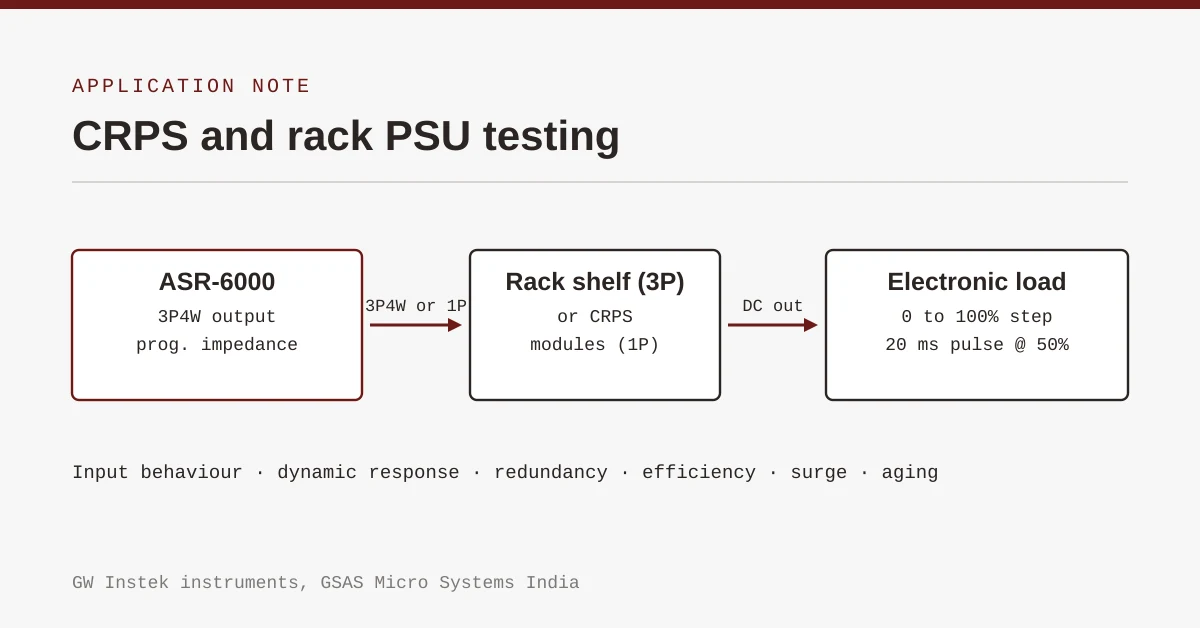
CRPS and Rack Power Supply Testing: The Six Tests That Matter
7 Oct · 7 min