The EV Fleet Management Challenge
India’s electric vehicle adoption is accelerating across commercial segments, last-mile delivery vans, ride-sharing cars, electric three-wheelers, and electric buses. Fleet operators transitioning from ICE to electric vehicles face a fundamentally different set of operational challenges. Fuel cost is replaced by electricity cost and charging logistics. Engine maintenance is replaced by battery health management. Range anxiety replaces fuel station accessibility.
Telematics, the combination of on-vehicle sensors, cellular connectivity, and cloud analytics, is the operational backbone that makes EV fleet management practical at scale. Without real-time battery telemetry, fleet operators manage EVs blind: they do not know actual range remaining, cannot predict when a vehicle will need charging, cannot detect early signs of battery degradation, and cannot optimise charging schedules to minimise electricity costs.
What EV Telematics Captures
An OBD-II telematics device connected to an electric vehicle extracts EV-specific parameters beyond standard ICE vehicle data:
- Battery state-of-charge (SoC): real-time percentage remaining, correlated with GPS position for range mapping
- State-of-health (SoH): long-term battery capacity degradation tracking
- Cell voltages: minimum and maximum cell voltages indicating cell balance and potential weak cells
- HV battery temperature: thermal management status critical for battery longevity in Indian climate
- Available power and energy: instantaneous available power (kW) and remaining energy (kWh)
- Charging sessions: charge start/end time, energy delivered, charge rate, and location
- Regenerative braking: energy recovered during deceleration events
The AutoPi Mini extracts these parameters from compatible EVs through the OBD-II port, while the AutoPi TMU CM4 provides raw CAN bus access for vehicles that require custom DBC files to decode proprietary BMS parameters.
Battery Health Monitoring
Battery degradation is the most significant long-term cost concern for EV fleet operators. A battery pack that loses 20% of its capacity over three years means 20% less range per charge, which directly impacts route planning, charging frequency, and operational efficiency.
Telematics enables proactive battery health management:
Trend analysis: track SoH across the fleet over time. Identify vehicles with faster-than-expected degradation for investigation. Contributing factors may include frequent fast charging, deep discharge cycles, operation in extreme ambient temperatures, or cell imbalance.
Cell voltage monitoring: monitor the delta between minimum and maximum cell voltages across the pack. A growing delta indicates cell imbalance, which if left uncorrected accelerates degradation and reduces usable capacity. Early detection enables scheduled balancing or cell replacement before the entire pack is compromised.
Thermal management: in Indian conditions where ambient temperatures routinely exceed 40 degrees Celsius in summer, battery thermal management is critical. Log HV battery temperature alongside ambient temperature and charging events to ensure the thermal management system is maintaining pack temperature within safe limits. Persistent over-temperature events warrant investigation of coolant flow, thermal interface materials, or environmental operating conditions.
Charge Optimisation
Electricity costs in India vary significantly by time of day (time-of-use tariffs), state (commercial vs industrial rates), and source (grid vs solar). Fleet operators who charge vehicles opportunistically, whenever they return to the depot, miss significant cost optimisation opportunities.
Telematics-informed charge scheduling considers:
- SoC on arrival: vehicle returns to depot with known remaining charge
- Next dispatch time: when the vehicle needs to be ready
- Required SoC: minimum charge level for the planned route, calculated from historical energy consumption data for that route
- Electricity tariff schedule: charge during off-peak hours when tariffs are lowest
- Grid capacity: stagger charging across fleet vehicles to avoid demand charges from simultaneous high-power draws
The AutoPi Cloud REST API provides the SoC and charging data needed to feed these scheduling algorithms, whether they run in the fleet operator’s existing systems or in a dedicated charge management platform.
Range Estimation
Accurate range estimation for route planning is one of the most practical benefits of EV fleet telematics. Manufacturer-stated range figures are based on standardised test cycles that bear little resemblance to real-world Indian driving conditions, stop-and-go city traffic, highway speeds, gradient changes, ambient temperature, payload weight, and HVAC usage all affect actual range.
By correlating historical energy consumption data with route profiles, fleet operators can build vehicle-specific range models that account for actual operating conditions. A delivery van operating in Bengaluru city traffic consumes energy at a different rate than the same van on the Pune-Mumbai expressway. Telematics data makes these differences visible and quantifiable.
Fleet-Wide Analytics
Across a fleet of hundreds of EVs, telematics data enables comparative analysis:
- Vehicle-to-vehicle comparison: identify outlier vehicles with unusually high energy consumption or rapid battery degradation
- Route-level analysis: determine which routes consume the most energy per kilometre, informing route assignment and charging infrastructure placement
- Driver efficiency scoring: score drivers on regenerative braking utilisation, acceleration smoothness, and speed profile adherence
- Seasonal patterns: quantify the impact of monsoon conditions, summer heat, and winter cold on energy consumption and battery thermal management
Why Buy from GSAS
GSAS Micro Systems provides AutoPi telematics hardware with local stock, INR invoicing, EV-specific integration support, and fleet deployment planning. Engineering teams in Bengaluru, Hyderabad, Chennai, Pune, Mumbai, Delhi NCR, and Visakhapatnam support EV fleet operators from pilot evaluation through fleet-wide deployment.
Explore the AutoPi Mini for plug-and-play EV monitoring or the TMU CM4 for advanced BMS data acquisition. Contact us for technical consultation.
Also appears in:
Interested in AutoPi tools?
Talk to our application engineers for personalized tool recommendations.
More from AutoPi
View all →
Automotive IoT Gateways: Why Indian OEMs Are Moving to Open Platforms
5 Apr · 7 min

AutoPi CAN-FD Pro: High-Speed CAN-FD Data Logging for ADAS and EV Development
5 Apr · 7 min

Driver Behaviour Scoring for Fleet Safety: Using AutoPi Telematics in India
5 Apr · 7 min

Geofencing and Route Compliance for Indian Fleets: AutoPi Telematics
5 Apr · 6 min
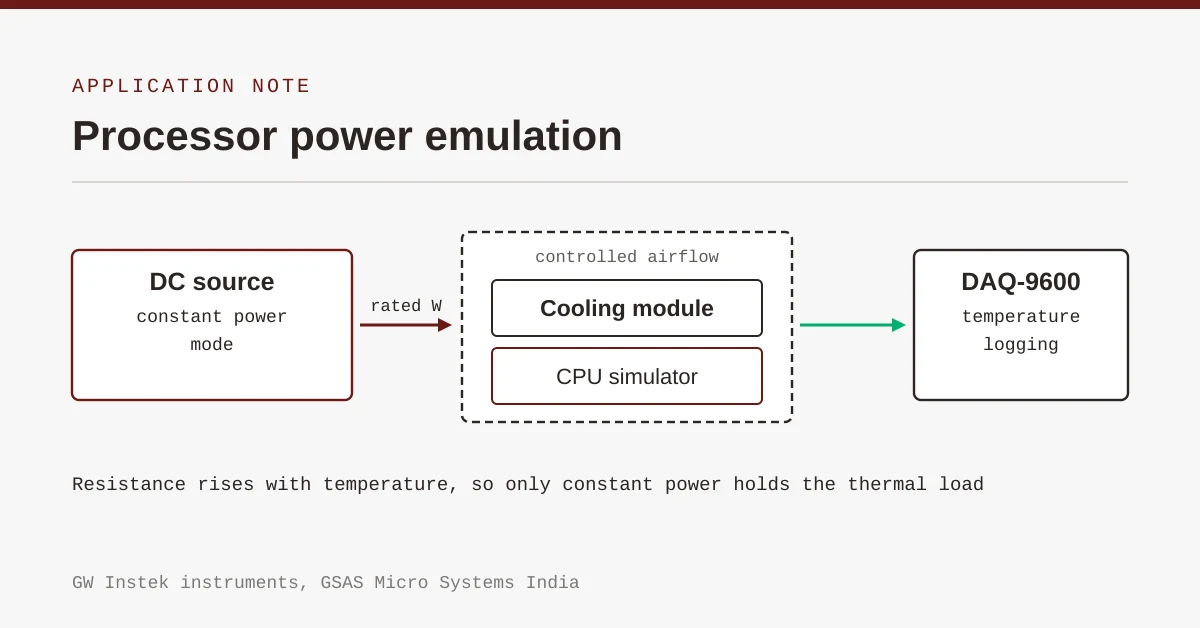
Emulating Processor Power for Thermal Testing: Why Constant Power
7 Oct · 7 min
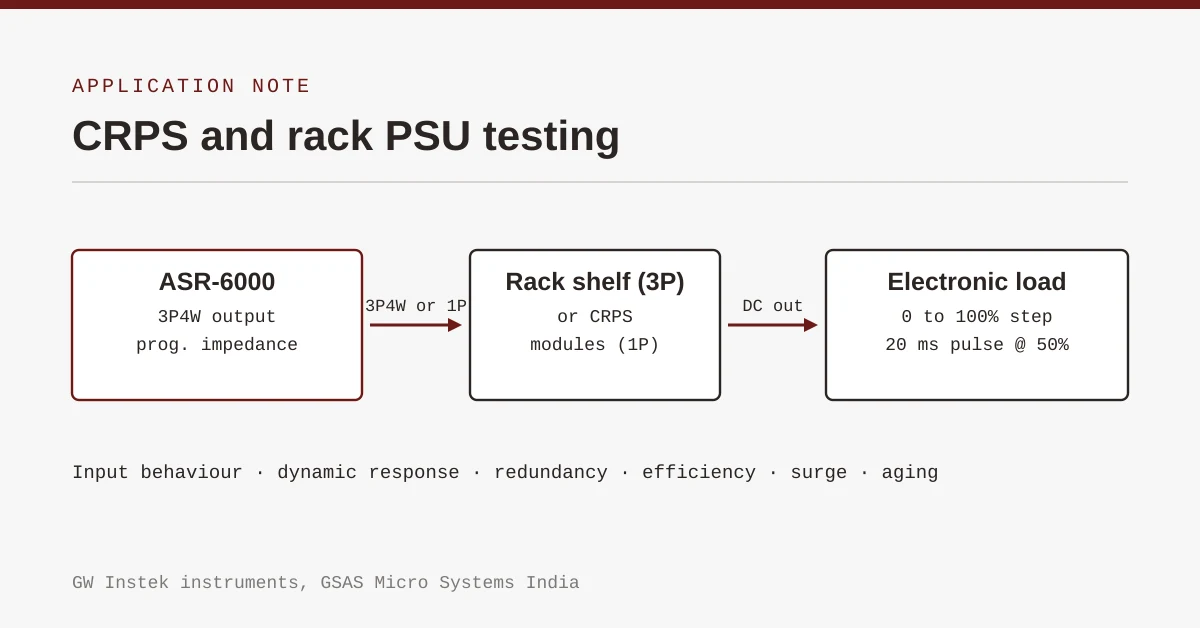
CRPS and Rack Power Supply Testing: The Six Tests That Matter
7 Oct · 7 min