
The Fleet Management Challenge in India
India’s commercial vehicle fleet is vast and diverse. Logistics companies operate mixed fleets of heavy trucks, light commercial vehicles, three-wheelers, and increasingly electric vehicles across road networks that range from national highways to unpaved rural routes. Fleet operators face several persistent challenges: fuel theft and pilferage, driver behaviour that affects safety and fuel economy, unplanned vehicle breakdowns that disrupt schedules, and limited visibility into vehicle health between service intervals.
Traditional GPS trackers solve the location problem but provide no vehicle health data. Basic OBD-II scanners read diagnostic codes but have no connectivity. Proprietary telematics black boxes offer both but lock fleet operators into vendor-specific dashboards with limited customisation and recurring subscription fees.
An IoT-based approach, using open-platform telematics hardware connected to a cloud platform via cellular, addresses all these requirements while giving fleet operators control over their data and integration options.
System Architecture
A practical IoT fleet management system for Indian conditions requires four layers:
1. Vehicle Hardware
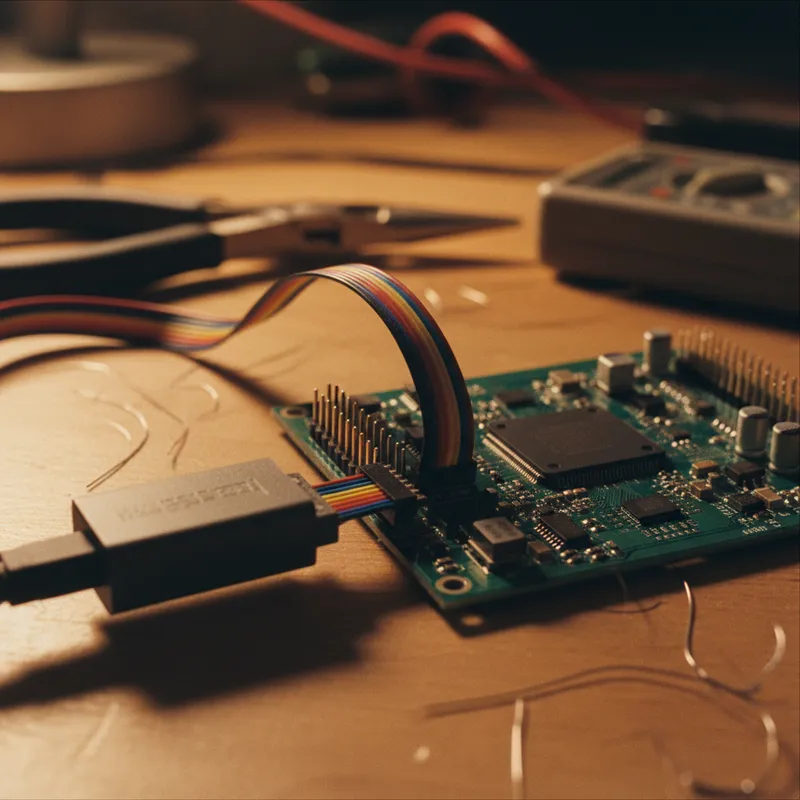
The telematics device must connect to the vehicle’s OBD-II port for diagnostic data, include cellular connectivity for data transmission, and provide GPS for location tracking. For basic fleet management, a plug-and-play device like the AutoPi Mini covers these requirements. For advanced use cases, raw CAN data, edge computing, custom sensor integration, the AutoPi TMU CM4 provides a programmable Linux gateway.
2. Connectivity
Indian cellular coverage varies significantly between urban centres and rural areas. The telematics device must handle connectivity gracefully: buffer data locally during coverage gaps and sync when connectivity resumes. 4G LTE Cat 1 (AutoPi Mini) provides sufficient bandwidth for periodic telemetry uploads. LTE Cat 4 (TMU CM4) supports higher-bandwidth use cases like firmware OTA updates and bulk data sync.
3. Cloud Platform
AutoPi Cloud provides device management, data storage, and visualisation out of the box with zero subscription cost. For fleet operators who need integration with existing TMS (Transport Management Systems) or ERP platforms, the REST API enables programmatic data access. Larger enterprises may route AutoPi Cloud data into their own data warehouses for combined analysis with dispatch, fuel card, and financial data.
4. Business Intelligence
The raw data, GPS tracks, OBD-II parameters, accelerometer events, becomes valuable when translated into business metrics: cost per kilometre, fuel efficiency trends, driver safety scores, maintenance prediction windows, and route optimisation recommendations.
Fuel Monitoring
Fuel is typically the largest operating cost for Indian commercial fleets. IoT telematics enables fuel monitoring through two complementary approaches:
- OBD-II fuel data: extract fuel level, fuel consumption rate, and engine load from the vehicle’s CAN bus. This provides real-time fuel consumption data correlated with GPS position, enabling route-level fuel efficiency analysis
- Anomaly detection: sudden fuel level drops when the vehicle is stationary (not at a fuel station) indicate potential fuel theft. Geofenced fuel station zones help distinguish legitimate refuelling from suspicious events
Combined with GPS data, fleet operators can identify routes, drivers, and driving patterns that correlate with higher fuel consumption and take corrective action.
Driver Behaviour Analysis
Accelerometer data from the telematics device captures harsh braking, rapid acceleration, sharp cornering, and speeding events. These events correlate directly with fuel consumption, tyre wear, and accident risk.
A practical driver scoring system assigns penalty points for each event type, weighted by severity. Fleet managers use scores to identify drivers who need training, reward high-performing drivers, and track behaviour improvement over time. On Indian roads, where driving conditions vary dramatically between highways and congested urban areas, context-aware scoring (adjusting thresholds based on speed and road type) produces more accurate results than fixed thresholds.
Predictive Maintenance
OBD-II diagnostic data provides early warning of mechanical issues before they cause roadside breakdowns. Monitoring trends in engine coolant temperature, oil pressure, battery voltage, and DTC (Diagnostic Trouble Code) history enables condition-based maintenance scheduling instead of fixed-interval servicing.
For fleets operating older vehicles that may not support all OBD-II PIDs, the TMU CM4’s raw CAN frame access enables extraction of manufacturer-specific parameters not available through standard OBD-II queries.
Deployment Planning
For a pilot deployment, start with 10-20 vehicles using AutoPi Mini devices. The plug-and-play installation requires no wiring, plug into OBD-II, power on, and the device self-provisions on AutoPi Cloud. Evaluate the data quality, dashboard functionality, and API integration options over 30-60 days before scaling.
For larger deployments (100+ vehicles), plan for:
- SIM management and data plan provisioning
- Installation logistics across multiple depots and cities
- Driver and dispatcher training on the dashboard
- API integration with existing TMS and billing systems
- Hardware inventory and replacement procedures
Why Buy from GSAS
GSAS Micro Systems provides AutoPi telematics hardware with local stock, INR invoicing, fleet deployment planning assistance, and ongoing technical support. Our engineering teams in Bengaluru, Hyderabad, Chennai, Pune, Mumbai, Delhi NCR, and Visakhapatnam support fleet operators from pilot through production-scale rollout.
Explore the AutoPi product range or contact us to discuss your fleet telematics requirements.
Also appears in:
Interested in AutoPi tools?
Talk to our application engineers for personalized tool recommendations.
More from AutoPi
View all →
Automotive IoT Gateways: Why Indian OEMs Are Moving to Open Platforms
5 Apr · 7 min

AutoPi CAN-FD Pro: High-Speed CAN-FD Data Logging for ADAS and EV Development
5 Apr · 7 min

Driver Behaviour Scoring for Fleet Safety: Using AutoPi Telematics in India
5 Apr · 7 min

Geofencing and Route Compliance for Indian Fleets: AutoPi Telematics
5 Apr · 6 min
Emulating Processor Power for Thermal Testing: Why Constant Power
7 Oct · 7 min
CRPS and Rack Power Supply Testing: The Six Tests That Matter
7 Oct · 7 min