In short
In the flow Siemens EDA describes, component failure modes are injected into a HyperLynx AMS simulation of the Xpedition Designer schematic and evaluated automatically by Modelwise Paitron, which generates an FMEDA safety report with IEC 61508 metrics. Because it is simulation-driven, the analysis can run early and be repeated every design iteration.
Functional safety analysis has a reputation, and it is earned. Siemens EDA’s April 2026 article on the topic describes FMEDA (Failure Modes, Effects and Diagnostic Analysis) as tedious and time-consuming, prone to imprecision because different safety engineers interpret the same circuit differently, and usually done late in the design cycle, when every finding turns into a costly change.
The same article describes a different way to do it: run the failure analysis on a simulation of the actual schematic, automatically, early and as often as the design changes. This post summarises the flow and what it means for teams building safety-relevant hardware in India. The original article and its white paper are linked under References.
The flow: one schematic, three jobs
The workflow combines three pieces:
- Xpedition Designer for schematic capture.
- HyperLynx AMS, Siemens’ analog/mixed-signal simulator, which is integrated with Xpedition Designer so simulation models are assigned directly to symbols in the PCB schematic.
- Paitron from Modelwise GmbH, which evaluates failures using circuit simulation and automated reasoning, and computes the FMEDA results.
The point of the integration is that a single design serves schematic capture, PCB layout and simulation. There is no second “analysis schematic” to drift out of step with the real one, which Siemens notes reduces engineering cycle time and minimises opportunities for errors.
The schematic database also generates the bill of materials. Because components carry their properties, the safety tool can map each component automatically to failure-rate and failure-mode categories, and properties such as voltage and current ratings flow straight into the safety analysis instead of being re-keyed.
The worked example
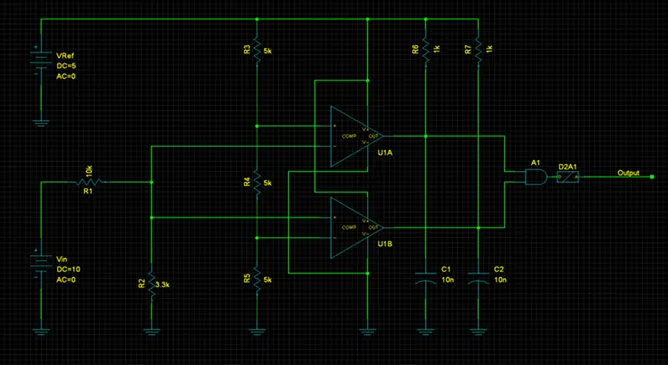
Siemens demonstrates the flow on a simple voltage monitor:
- System inputs, outputs and potential failure modes are formalised, so the analysis starts from an objective, traceable formulation rather than an engineer’s reading of the circuit.
- Component failure modes and rates are taken from the industry standards SN 29500 and IEC 61709.
- Those failure modes are injected into the simulation netlist and evaluated with HyperLynx AMS.
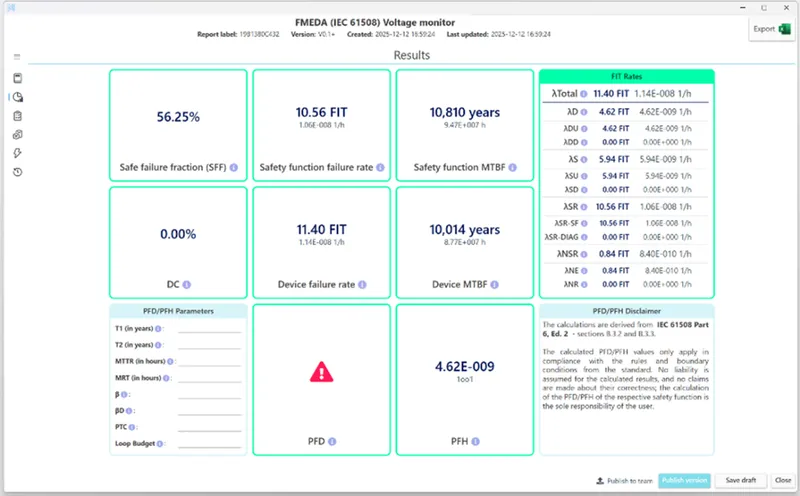
- A safety report is generated automatically, with metrics aligned to the selected standard.
The example report shows KPIs defined by IEC 61508: safe failure fraction, safety function failure rate, mean time between failures, and probability of failure per hour.
The accompanying white paper goes further, applying the same flow to a PCB power converter made of five blocks: a rectifier, a controller, two DC-DC converters and a voltage monitor. Real boards are like that, many schematic pages organised into functional blocks, so the scaling case is the one to read before you plan a pilot.
Why “early and repeatable” is the real gain
A manual FMEDA is a document produced once, near the end. A simulation-driven one is a check you can re-run on every design iteration. That changes when safety findings arrive: while a component choice or a diagnostic circuit can still be changed cheaply, rather than after layout is frozen.
For Indian teams delivering safety-relevant electronics assessed against IEC 61508, that timing is usually what decides whether a safety finding costs an afternoon or a board spin. If you are working out which standard and which evidence your programme needs, our functional safety compliance pages are a starting point.
Working with GSAS
GSAS supports the Siemens EDA portfolio in India, including Xpedition and HyperLynx AMS, with local application engineers who can help you set up simulation models on your schematics and plan a pilot of this flow. Paitron is a Modelwise product and is not supplied by GSAS. Talk to us from Bengaluru, Hyderabad, Chennai, Pune, Mumbai or Delhi NCR.
References
- Siemens EDA, Electronic Systems Design blog: Improving functional safety analysis (1 April 2026)
- Siemens white paper: Integration of Xpedition, HyperLynx AMS, and Modelwise Paitron for Automated Functional Safety Analysis
- Modelwise: Paitron
- HyperLynx and the Siemens EDA partner page at GSAS
Also appears in:
Interested in Siemens EDA tools?
Talk to our application engineers for personalized tool recommendations.
More from Siemens EDA
View all →
HyperLynx 2610: What's New for India's Signal and Power Integrity Teams
4 Nov · 6 min
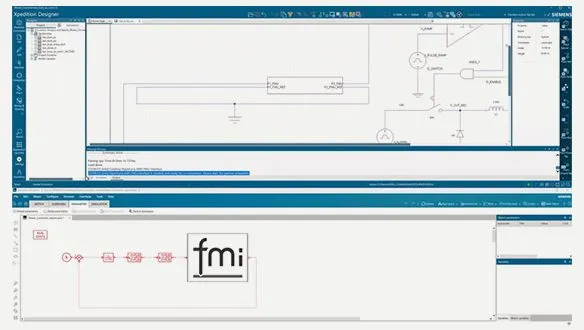
FMI Co-Simulation in HyperLynx AMS and PartQuest Explore: Electrical, Mechanical and Thermal Models in One Run
4 Nov · 5 min
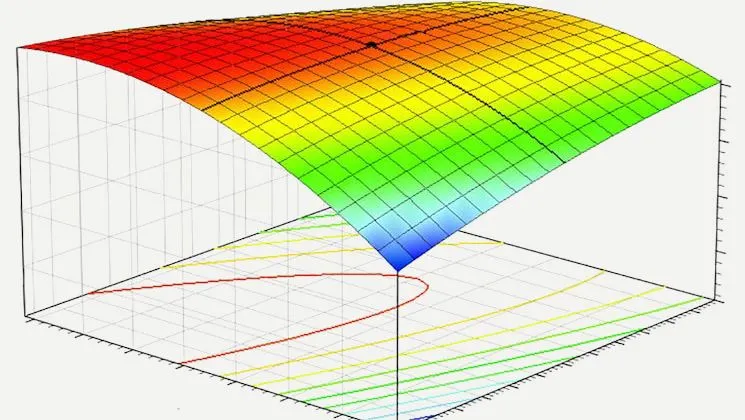
HyperLynx DSE: Searching Millions of PCB "What If" Scenarios Without Simulating Them All
4 Nov · 5 min
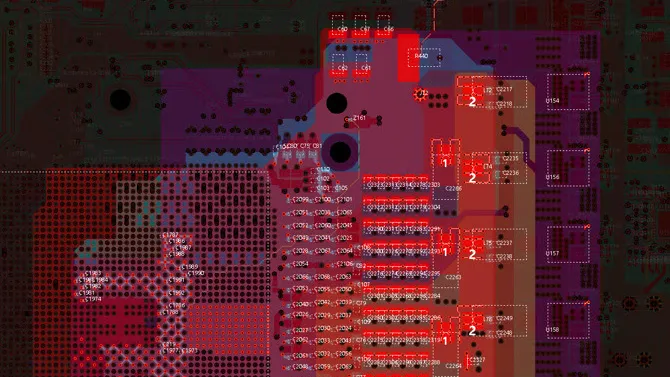
Right-Sizing Decoupling on AMD Versal Boards with HyperLynx PI
4 Nov · 5 min
From Trial and Error to Optimisation: A HyperLynx Workflow for Power Electronics Design
4 Nov · 6 min

Keil Studio for VS Code: A Four-Part GSAS Webinar Series for Cortex-M Teams
4 Nov · 5 min