The Obsolescence Problem
Electronic component obsolescence is an escalating challenge for Indian electronics manufacturers, particularly those building systems with long operational lifetimes. A defense radar system designed today will remain in service for 20 to 30 years. A railway signaling system will operate for 25 to 40 years. An industrial automation system will run for 15 to 20 years. But the semiconductor components inside these systems have production lifetimes measured in 5 to 10 years.
The consequence is predictable: during the operational life of a long-lifecycle system, many of its components will go end-of-life (EOL). The component manufacturer will issue a last-time-buy notification, produce a final batch, and discontinue the part. If the system manufacturer has not planned for this eventuality, they face a painful choice: pay premium prices for remaining inventory on the broker market, redesign the affected circuit with an alternative component (and requalify the system), or accept that their product can no longer be manufactured.
The scale of the problem is significant. Industry data indicates that multiple EOL notices are issued globally every business day across the semiconductor and passive component ecosystem. For a complex electronic system with hundreds of unique part numbers, the probability of at least one component reaching EOL in any given year is high.
Why India Is Particularly Affected
Several factors make component obsolescence especially challenging for Indian electronics manufacturers:
Long procurement cycles. Indian defense procurement programs often have 3 to 5 year development cycles followed by multi-year production runs. A component that is active at design start may be at end-of-life by the time production begins.
Small production volumes. Indian defense and industrial electronics production volumes are typically small by global standards, hundreds or thousands of units, not millions. Component manufacturers prioritize high-volume automotive and consumer customers when making EOL decisions. Indian defense electronics volumes do not influence those decisions.
Limited local component manufacturing. India’s domestic semiconductor and passive component manufacturing base is growing but still limited compared to East Asian and Western sources. Most components used in Indian electronics are imported, meaning that Indian manufacturers have no influence over component lifecycle decisions.
Requalification burden. In defense and safety-critical applications, replacing an obsolete component with an alternative requires requalification, functional testing, environmental testing, reliability testing, and regulatory re-approval. The requalification cost and time can exceed the original design cost for the affected circuit.
Proactive Obsolescence Management
The most effective approach to obsolescence management is proactive rather than reactive. Proactive management means monitoring the lifecycle status of every component in the bill of materials, forecasting obsolescence risk based on component age and market trends, and planning mitigation strategies before the EOL notice arrives.
Lifecycle Monitoring
Every component has a lifecycle status: active (in full production), not recommended for new designs (NRND), last-time-buy (LTB), or obsolete. Monitoring these statuses across the bill of materials, and across all bills of materials for all products in the organization’s portfolio, requires access to component lifecycle databases and automated tracking.
BQR’s supply chain management tools integrate with component intelligence databases to provide real-time lifecycle status for every component in the design. When a component’s status changes, from active to NRND, or from NRND to LTB, the system alerts the design and supply chain teams, providing lead time to plan the response.
Risk Assessment
Not all obsolescence events are equally dangerous. A commodity resistor going EOL is a minor inconvenience, dozens of pin-compatible alternatives exist. A custom ASIC or a specialized RF transistor going EOL is a potential production-stopping event. Risk assessment considers:
- Substitution availability: How many alternative components exist with equivalent electrical parameters, package, and pinout?
- Redesign impact: If no drop-in replacement exists, how extensive is the circuit redesign? Does it affect only one board, or does it cascade through the system?
- Requalification scope: What testing and certification is required to validate the replacement component?
- Inventory coverage: How many units can be built from existing component inventory?
Mitigation Strategies
For high-risk components identified through proactive monitoring:
Last-time-buy. When the LTB notice arrives, purchase sufficient components to cover the remaining production plan plus a safety margin. This requires accurate demand forecasting and the financial commitment to carry component inventory.
Design for obsolescence. Architect circuits to minimize the impact of component substitution. Use components with industry-standard pinouts and packages. Avoid sole-sourced components when alternatives exist. Document the electrical parameters that the design depends on (not just the part number) so that future substitution decisions have clear engineering criteria.
Planned redesign. For components with predictable obsolescence timelines (based on the component manufacturer’s technology roadmap), plan the redesign before the EOL event. This converts an emergency redesign into a planned engineering activity with adequate schedule and budget.
The Reliability Connection
Component obsolescence and reliability engineering are deeply connected. When an obsolete component is replaced with an alternative, the replacement affects the system’s reliability prediction. The alternative component may have different failure rates, different failure modes, different stress derating characteristics, and different thermal properties. A reliability engineer should verify that the replacement component maintains the system’s reliability and safety characteristics.
BQR’s integrated tool suite, fiXtress for stress analysis and MTBF prediction, CARE for system-level RAMS analysis, provides the analysis framework to verify that component substitutions do not compromise system reliability. When a component is replaced, the updated stress analysis and MTBF prediction quantify the reliability impact, providing evidence for requalification submissions and customer notifications.
Building Obsolescence Resilience
Organizations that treat obsolescence management as a continuous process, rather than a crisis response when the EOL notice arrives, spend less on emergency redesigns, maintain production continuity, and avoid the schedule disruptions that obsolescence events cause. The investment in proactive monitoring tools and lifecycle management processes pays for itself many times over in avoided reactive costs.
Why Buy BQR From GSAS
GSAS provides BQR’s reliability and supply chain management tools with INR invoicing and support from offices in Bengaluru, Hyderabad, Chennai, Pune, Mumbai, and Delhi NCR. We help Indian electronics manufacturers build proactive obsolescence management processes alongside their reliability engineering workflows.
Contact sales@gsasindia.com or call +91 80 6590 1783.
Also appears in:
Interested in BQR tools?
Talk to our application engineers for personalized tool recommendations.
More from BQR
View all →
apmOptimizer Deep Dive: How BQR's Asset Maintenance Software Cuts Lifecycle Costs
5 Apr · 7 min
BQR CARE Deep Dive: Unified RAMS Analysis for Safety-Critical Systems
5 Apr · 7 min
fiXtress Deep Dive: PCB Reliability Prediction and Automated Schematic Review
5 Apr · 7 min
Design for Reliability: Catching PCB Failures Before They Happen
5 Apr · 7 min
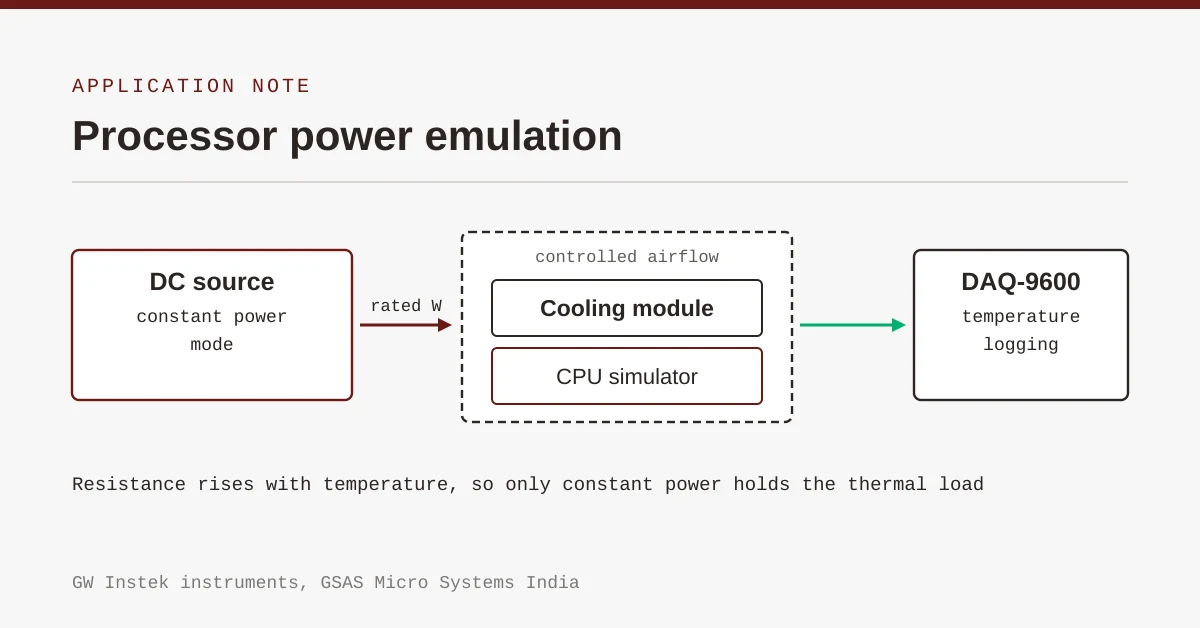
Emulating Processor Power for Thermal Testing: Why Constant Power
7 Oct · 7 min
CRPS and Rack Power Supply Testing: The Six Tests That Matter
7 Oct · 7 min