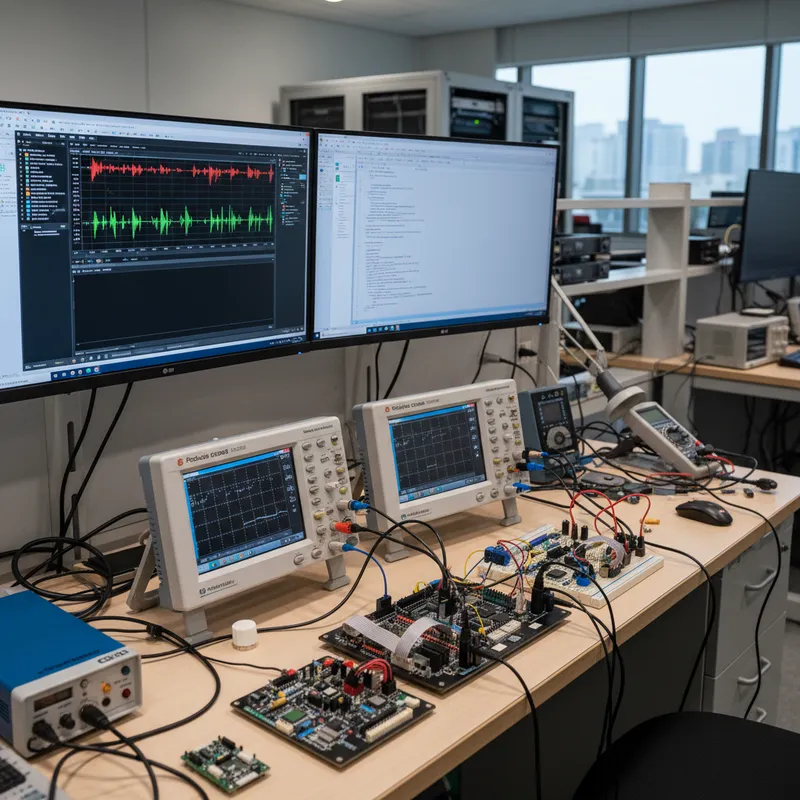
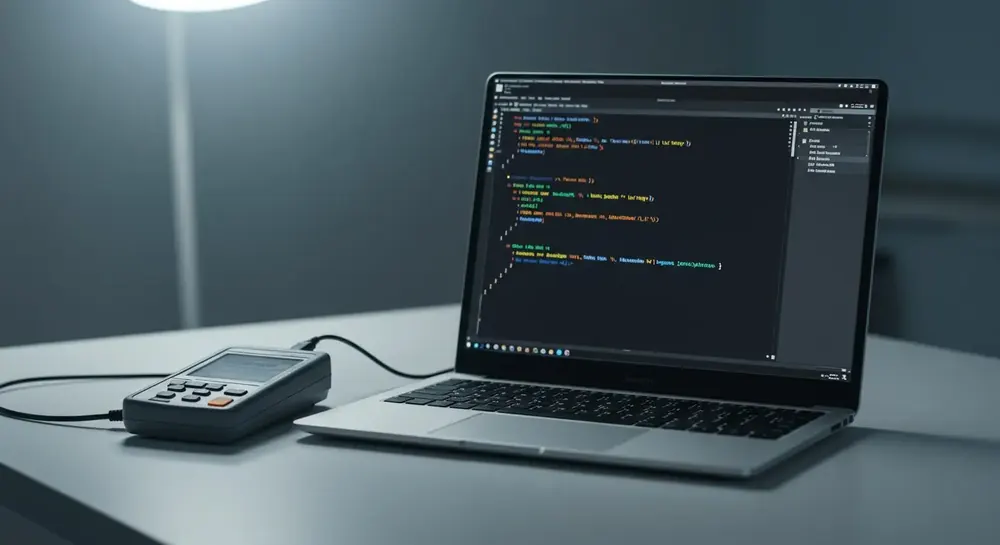
Pico Technology has released pyPicoSDK, a new Python package built on the established PicoSDK foundation, making it easier than ever to connect, control, and automate PicoScope oscilloscopes from Python.
Why pyPicoSDK Matters
For engineers building automated test benches, data acquisition systems, or CI/CD-integrated hardware validation, pyPicoSDK removes the friction between Python’s powerful data ecosystem and Pico Technology’s measurement hardware.
Key Features
- Full NumPy compatibility: integration with the Python scientific computing stack
- Streamlined data acquisition: connect, configure, and capture in fewer lines of code
- Broad PicoScope support: works across the PicoScope 2000, 3000, 4000, 5000, and 6000 series
- Open and extensible: designed for engineers, developers, and researchers who need programmatic control
Use Cases
- Automated production test scripting
- Data acquisition and signal analysis pipelines
- Embedded systems validation in CI/CD workflows
- Research lab automation and data logging
As an authorized partner in India, GSAS provides PicoScope hardware, local training, and application engineering support for teams adopting pyPicoSDK.
Explore Pico Technology products
Migrating from the C/C++ PicoSDK to pyPicoSDK
The original PicoSDK is a C/C++ shared library (libps5000a.so, ps5000a.dll, etc.) that exposes the full PicoScope hardware API for production use. pyPicoSDK wraps that same library through ctypes plus a higher-level Pythonic surface, so an automation script that previously called ps5000aOpenUnit(), ps5000aSetChannel(), and ps5000aRunBlock() from a thin C wrapper can move to Python with one-to-one method coverage and gain NumPy buffer access for free. The pyPicoSDK reference on github.com/picotech and the PicoSDK documentation on picotech.com cover the function map for each scope series.
Example use case: automated production test in an Indian EMS lane
A typical pattern: an EMS line running a few thousand boards a day per programming station needs an automated DFT step that drives a few digital lines, captures the response on a PicoScope 5000-series MSO, runs a NumPy-side comparator against a golden waveform, and writes pass/fail plus traceability metadata to a CSV that the line’s MES picks up. The whole flow is now ~30 lines of Python with pyPicoSDK plus a CSV writer, no C build, no shared-library wrappers, no Visual Studio project to maintain. The Pico Technology automation samples on the picotech GitHub include several end-to-end examples that map directly onto Indian EMS / DFT bench workflows.
Where pyPicoSDK fits in the broader Pico Technology stack
pyPicoSDK pairs naturally with the PicoScope 7 desktop software that engineers use interactively at the bench, Python for automation and CI, PicoScope 7 for ad-hoc debug. It also slots into the same Indian-side support stack GSAS already provides for the PicoScope 4000 / 5000 / 6000 product lines: pre-sales evaluation, training, and applications-engineering hand-holding through the first production run.
See the Original Post on LinkedIn
Also appears in:
Interested in Pico Technology tools?
Talk to our application engineers for personalized tool recommendations.
More from Pico Technology
View all →
How to Buy an Oscilloscope in India (2026): USB vs Benchtop, Bit Depth, Bandwidth: A Buying Guide
5 Jun · 11 min
PicoScope 5000D vs 5000E: Native 16-Bit or FlexRes? A Buyer's Guide for Indian Labs
4 Jun · 11 min
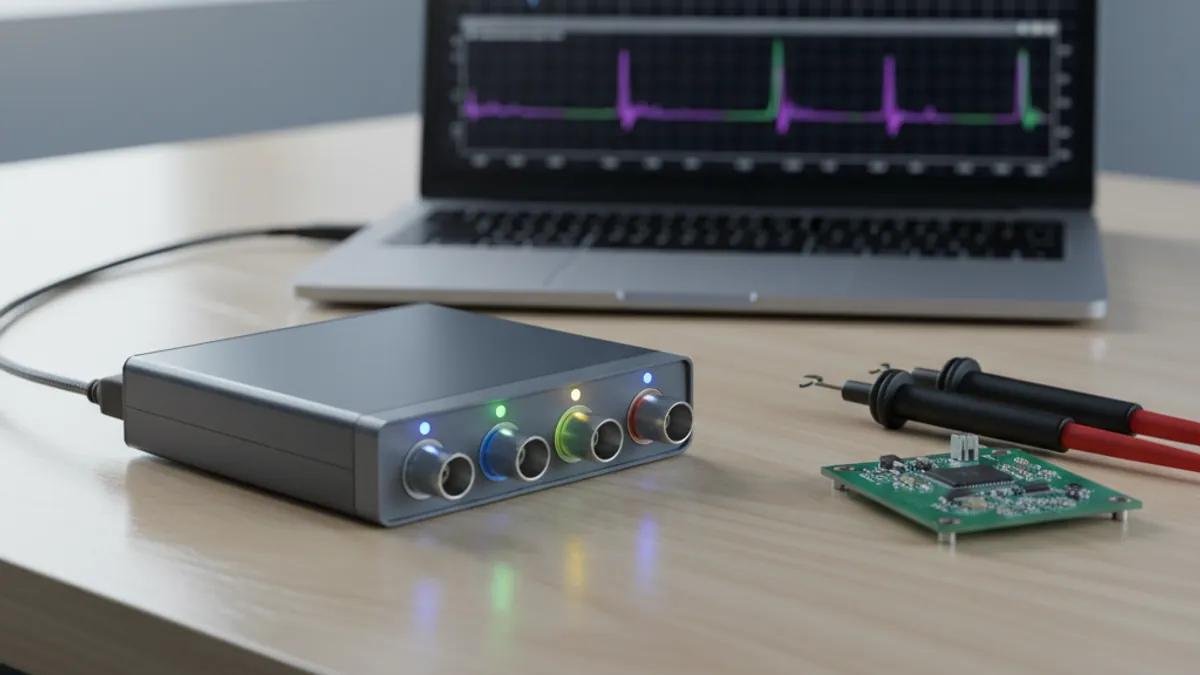
PicoScope 5000E in India: The World's First 4-Channel 16-Bit USB Oscilloscope, Explained
4 Jun · 11 min
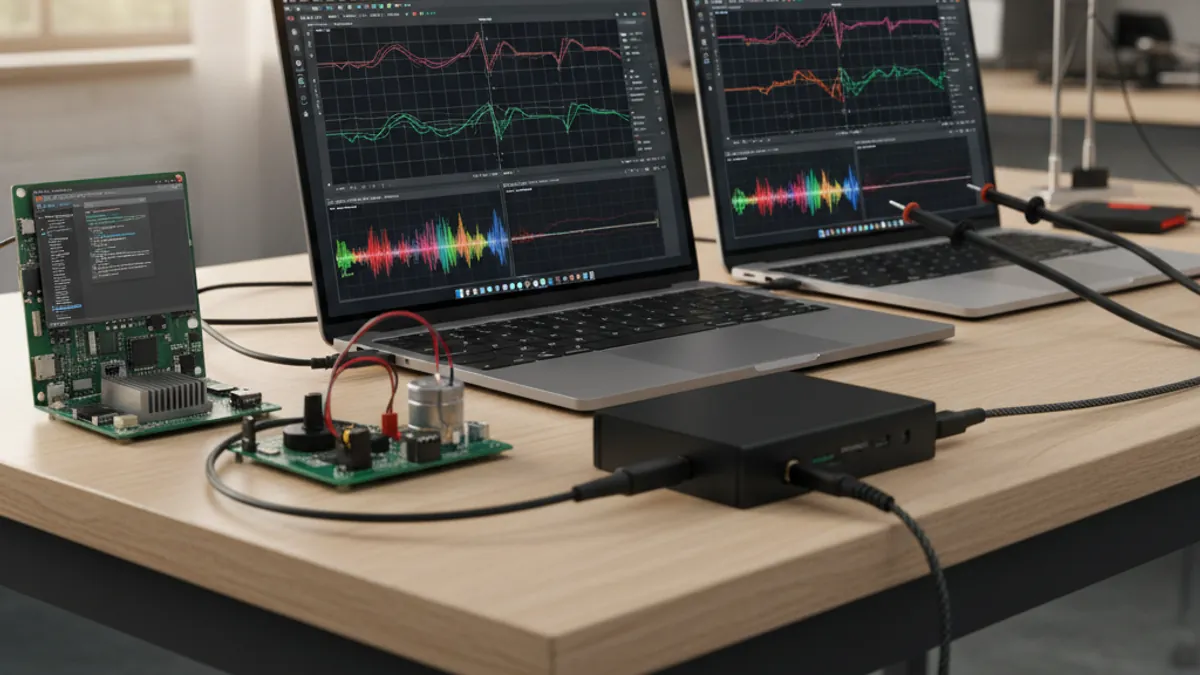
PicoScope 7 Goes Native Arm64: Apple Silicon, Snapdragon Windows and Arm Linux Test Benches in India
4 Jun · 11 min
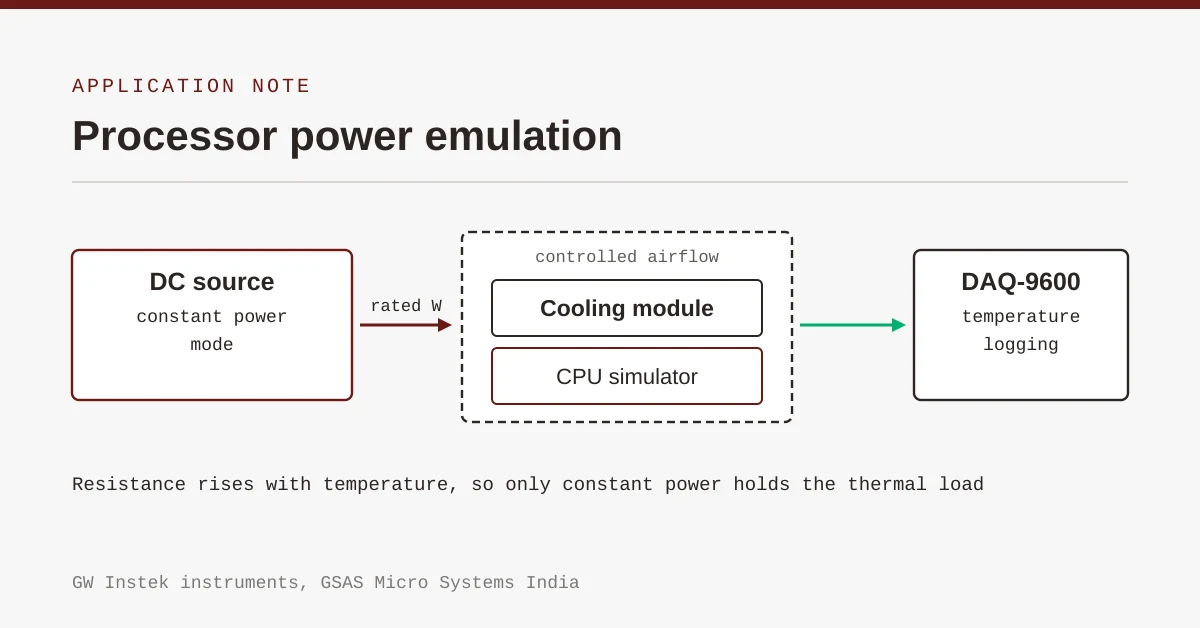
Emulating Processor Power for Thermal Testing: Why Constant Power
7 Oct · 7 min
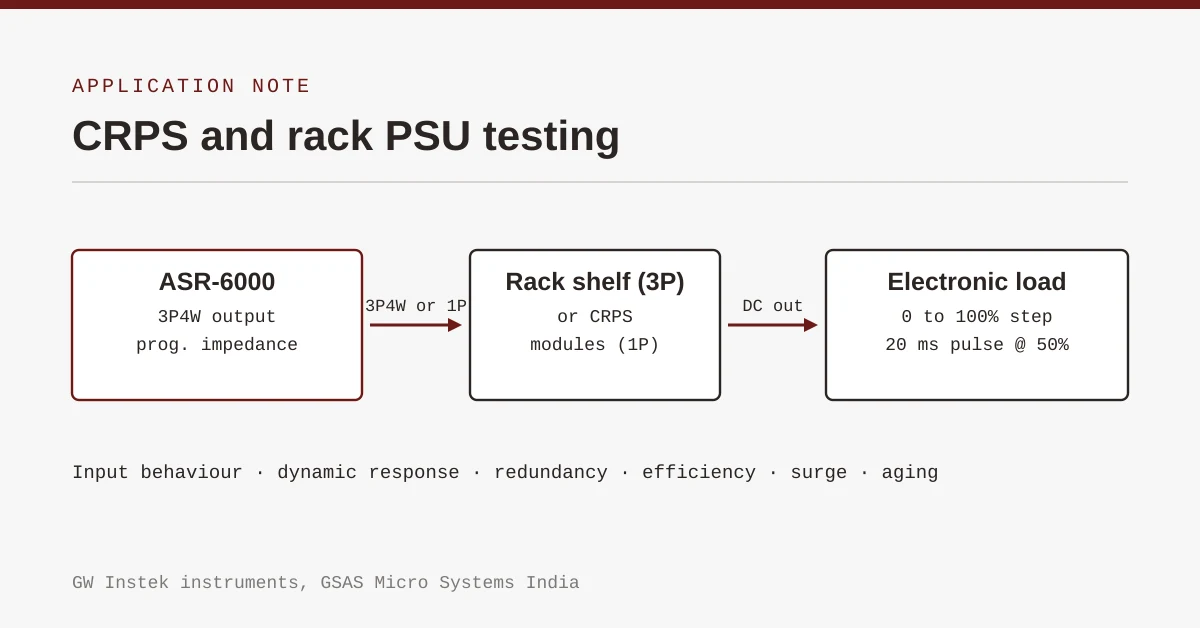
CRPS and Rack Power Supply Testing: The Six Tests That Matter
7 Oct · 7 min