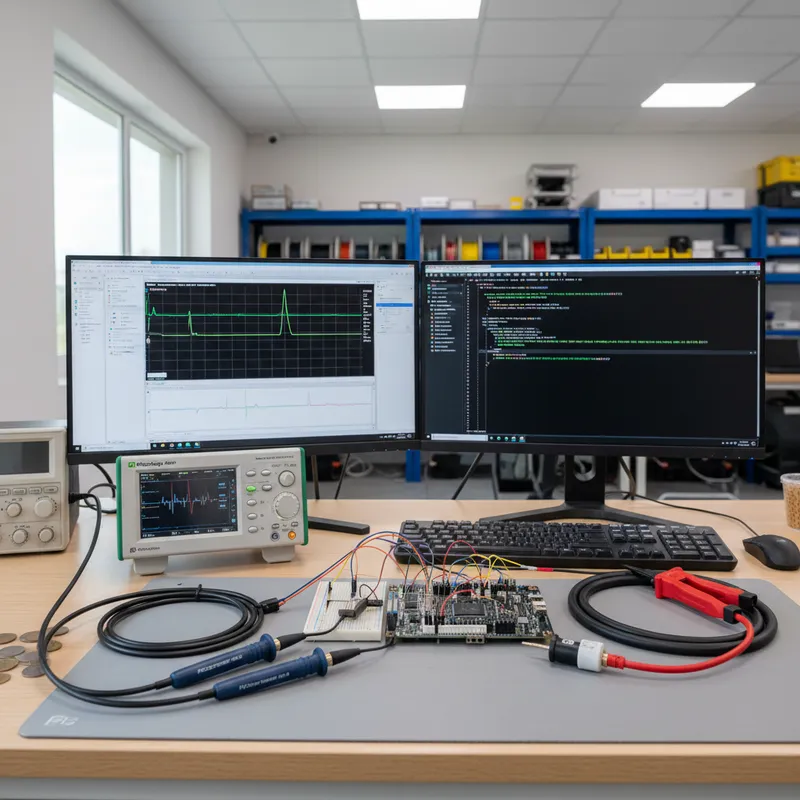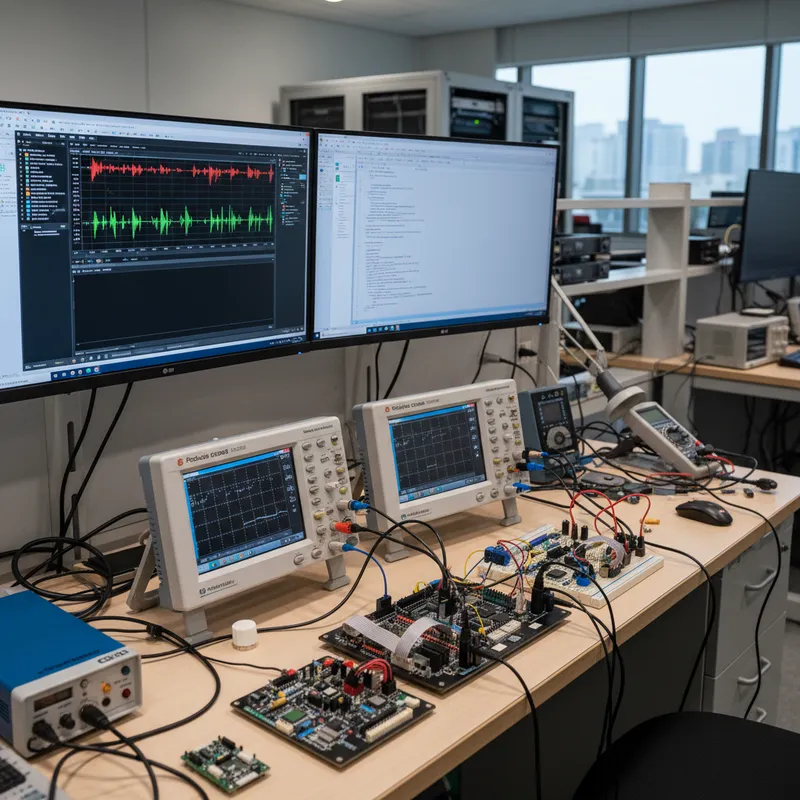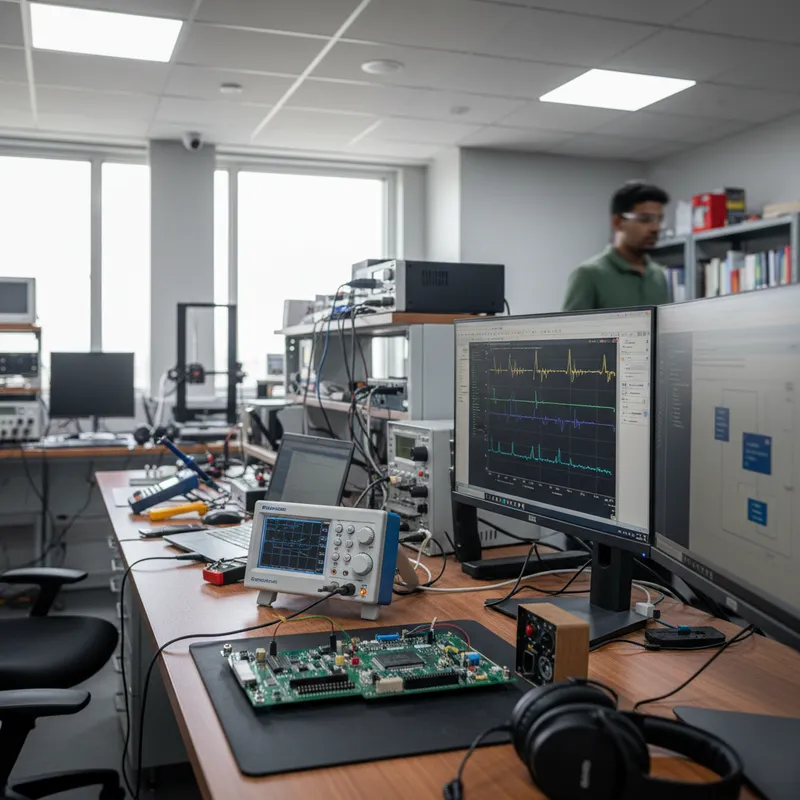
On 28 May 2026, Pico Technology launched the PicoScope 5000E Series: and the headline is not marketing hyperbole. The 5000E is, in Pico’s own words, the world’s first 4-channel 16-bit oscilloscope. Until now, native 16-bit resolution on an oscilloscope was either a 2-channel proposition or something you reached only by trading away bandwidth. The 5000E delivers true 16-bit resolution across all four analog channels, with bandwidths up to 200 MHz, 2.5 GS/s sampling, and up to 1 GS of capture memory.
For Indian engineers measuring millivolt-level ripple, low-level sensor outputs, precision audio, and analog front ends, this is the most significant USB oscilloscope launch in years. This post explains exactly what the 5000E is, what each model number means, and how to buy the PicoScope 5000E in India through GSAS Micro Systems, an authorized engineering partner.
Every specification below is verifiable on picotech.com. We do not invent numbers.
What “World’s First 4-Channel 16-Bit USB Oscilloscope” Actually Means
Resolution is the quiet specification most buyers under-weight. The mainstream oscilloscope ships with an 8-bit ADC, which divides the full vertical range into 256 levels. That is fine for logic-level edges and large signals. It falls apart the moment you need to see a 5 mV ripple sitting on a 12 V rail, or a low-level sensor output buried in noise.
A native 16-bit converter divides the same vertical range into 65,536 levels. Compared with a standard 8-bit scope, Pico’s native 16-bit hardware delivers 256 times more vertical detail. The arithmetic is exact: 2^16 / 2^8 = 256.
What made the 5000E a “first” is doing this on four channels at once. High-resolution oscilloscopes have historically been 2-channel instruments, because pushing a genuine 16-bit front end across four channels, and keeping the noise floor low enough that those extra bits mean something, is hard. Pico solved it. The 5000E Series ships as a 4-channel oscilloscope or as a 4 + 16-channel mixed-signal oscilloscope (MSO), all running native 16-bit resolution.
The other half of the story is the noise floor. Extra bits are useless if the instrument’s own noise drowns the bottom of the range. The PicoScope 5000E has a noise floor as low as 22 µV RMS, with total harmonic distortion better than −73 dB and spurious-free dynamic range above 73 dB on the ±50 mV to ±20 V ranges. That combination, 16 bits and a genuinely quiet front end, is what lets the smallest signals stay measurable.
PicoScope 5000E Model Numbers Decoded: 5462E, 5463E, 5464E
The series naming is logical once you know the pattern. Here are the verified configurations.
Standard 5000E Series: native 16-bit
These run native 16-bit resolution only. All are 4-channel.
| Model | Bandwidth (16-bit) | Channels |
|---|---|---|
| PicoScope 5462E | 60 MHz | 4 analog |
| PicoScope 5463E | 100 MHz | 4 analog |
| PicoScope 5464E | 200 MHz | 4 analog |
Each is also available as an MSO variant (e.g., 5464E MSO) adding 16 digital channels for mixed-signal work.
Across all standard models, the 16-bit performance is consistent:
- Sample rate: 2.5 GS/s on a single channel, 1.25 GS/s on two channels, 625 MS/s on three to four channels
- Capture memory: 1 GS on a single channel, 512 MS on two channels, 256 MS on three to four channels
PicoScope 5000E Plus Series: switchable 16-bit / 8-bit
The Plus models (5462E+, 5463E+, 5464E+, and their MSO variants) add Pico’s FlexRes® approach: a switchable high-speed 8-bit mode that trades vertical resolution for raw bandwidth and sample rate.
| Model | 16-bit Bandwidth | 8-bit Mode Bandwidth |
|---|---|---|
| PicoScope 5462E+ | 60 MHz | 200 MHz |
| PicoScope 5463E+ | 100 MHz | 350 MHz |
| PicoScope 5464E+ | 200 MHz | 500 MHz |
In 8-bit high-speed mode, the Plus models reach up to 500 MHz bandwidth, 5 GS/s sampling, and 2 GS of capture memory on a single channel. So a single 5464E+ is two instruments: a 200 MHz, 16-bit precision scope when you flip to high-resolution mode, and a 500 MHz, 5 GS/s general-purpose scope when you need speed. The data path is maintained at a minimum of 16-bit resolution throughout PicoScope 7, regardless of the acquisition mode.
This is the key long-tail question Indian buyers ask, “what is the difference between the 5462E, 5463E, and 5464E, and what does the plus mean?” The answer: the third digit is the bandwidth tier (60 / 100 / 200 MHz), and the + adds the switchable 8-bit high-speed mode.
PicoScope 5000E Specifications at a Glance
Verified from the official PicoScope 5000E Series data sheet:
| Specification | PicoScope 5000E Series |
|---|---|
| Native resolution | 16-bit (all models) |
| High-speed mode | Switchable 8-bit (Plus models only) |
| Analog channels | 4 |
| Digital channels | 16 (MSO variants) |
| Bandwidth (16-bit) | 60 / 100 / 200 MHz |
| Bandwidth (8-bit, Plus) | up to 500 MHz |
| Sample rate (16-bit) | up to 2.5 GS/s |
| Sample rate (8-bit, Plus) | up to 5 GS/s |
| Capture memory (16-bit) | up to 1 GS |
| Capture memory (8-bit, Plus) | up to 2 GS |
| Noise floor | as low as 22 µV RMS |
| THD (16-bit) | better than −73 dB |
| SFDR (16-bit) | > 73 dB (±50 mV to ±20 V) |
| Crosstalk rejection | > 500:1 |
| Function generator / AWG | 14-bit, 200 MS/s, 100 µHz to 20 MHz |
| Spectrum analyzer | FFT to oscilloscope bandwidth, up to 1,000,000 points |
| Serial protocol decoders | 40 protocols included |
| Interface | USB Type-C, SuperSpeed USB 3.0 (5 Gbps) |
| Software | PicoScope 7 (Windows, macOS, Linux) |
| Warranty | 5 years |
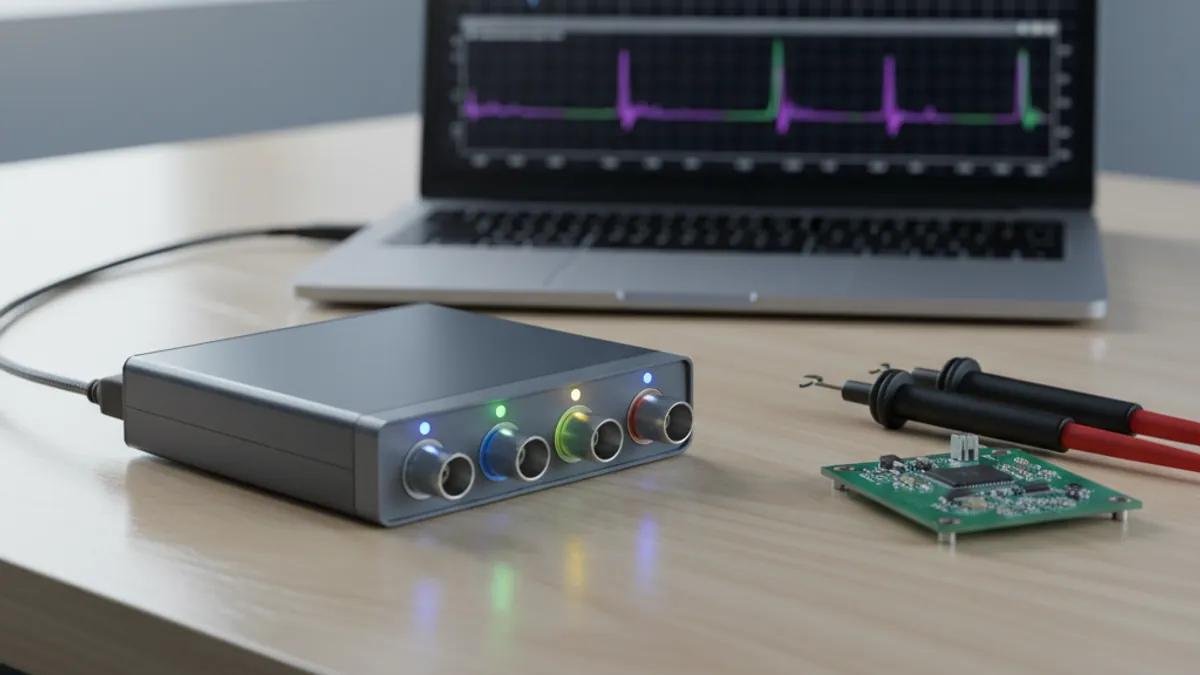
The unit is compact, 221 × 173 × 30 mm, under 0.7 kg, with an RGB LED on each BNC for at-a-glance channel identification, and it is bus-powered over a single USB-C 3A port.
Why USB-C and 16-Bit Together Matter for Indian Benches
A few of the 5000E’s design choices line up unusually well with how Indian engineering teams actually work.
Native 16-bit changes what you can debug. Power-electronics teams in Pune and Bengaluru working on EV traction inverters, DC-DC converters, and battery management systems routinely need to see small ripple riding on a large rail. On an 8-bit scope you zoom in and hit the quantization floor. On the 5000E you keep resolving the ripple because there are 65,536 vertical levels, not 256. The same logic applies to precision audio in Chennai, low-level sensor characterization in medical electronics, and analog front-end validation.
USB-C and SuperSpeed USB 3.0 mean one cable. The 5000E connects to the engineer’s own PC over a single USB Type-C cable and drives the PC display. Use a 14-inch laptop on a field visit or a 32-inch monitor on the lab bench, the instrument is the same either way. For distributed teams and shared benches, a USB scope that travels in a laptop bag is a real workflow advantage over a fixed benchtop.
Four 16-bit channels plus 16 digital channels. The 4 + 16-channel MSO variant decodes up to 20 channels simultaneously across analog and digital inputs. For embedded teams correlating an SPI or I2C transaction with the underlying analog rail, that is a single-instrument debug session instead of two scopes and a logic analyzer.
PicoScope 7, including Arm64. The 5000E runs PicoScope 7 on Windows, macOS, and Linux, and importantly, that includes Arm64: Apple Silicon Macs, Windows on Arm, and Arm64 Linux including Raspberry Pi. (Note the capitalization: it is Arm, the architecture from Arm Ltd.) For Indian labs standardizing on Arm-based development hosts and single-board automation rigs, the 5000E’s drivers run natively. All 40 serial protocol decoders, the spectrum analyzer, mask limit testing, DeepMeasure, and the 14-bit AWG are included, no per-feature licences.
Real Indian Use Cases for the PicoScope 5000E
- EV and power electronics: Resolve millivolt switching ripple on high-voltage rails, measure SiC/GaN gate signals, and run true power, apparent power, and power-factor measurements in PicoScope 7. The 16-bit front end is the whole reason to choose this scope here.
- Precision audio and analog front ends: The 22 µV RMS noise floor and the FFT’s THD, THD+N, SNR, SINAD, and IMD measurements make the 5000E a credible audio-precision instrument, not just a debug scope.
- Mixed-signal embedded debug: The 4 + 16-channel MSO variants correlate firmware-driven digital activity (SPI, I2C, CAN FD, UART, and 35+ other decoders) with analog behavior on the same time base.
- Medical and instrumentation electronics: Low-level biosignal and sensor front ends benefit directly from 16-bit dynamic range and the quiet input path.
- Automated production test: With PicoSDK (C, Python, MATLAB, LabVIEW) and high-rate continuous USB streaming to the PC, the 5000E drops into Python and pytest test rigs. See our pyPicoSDK pytest automated test framework guide.
How the 5000E Fits the PicoScope Lineup
The 5000E does not replace the rest of the range, it slots into a clear place.
- For switchable-resolution work at a lower price point, the PicoScope 5000D FlexRes remains a strong, established choice with 8/12/14/15/16-bit modes. We compare it head-to-head with the Siglent SDS2000X HD in our PicoScope 5000D vs Siglent SDS2000X HD guide.
- For dedicated high-resolution, deep-channel-count precision without the speed/resolution trade-off, the PicoScope 4000A Series and the PicoScope 4444 differential oscilloscope cover specialised measurement work. Our 16-bit precision background reading is in the PicoScope 4262 precision audio and sensor article.
- For maximum bandwidth (up to 1 GHz) and high digital channel counts, step up to the PicoScope 6000E Series. The deep-dive is our PicoScope 6000E high-bandwidth USB oscilloscope guide.
Where the 5000E is genuinely new is the intersection: four channels, native 16-bit, USB-C, and up to 1 GS memory in one compact unit, with the Plus models adding a 500 MHz 8-bit mode for when you need raw speed instead.
Buying the PicoScope 5000E in India
Because the 5000E launched on 28 May 2026, GSAS is first to market with detailed 5000E coverage in India. GSAS Micro Systems is an authorized engineering partner in India, and we provide:
- INR invoicing with GST-compliant documentation
- Public-sector and defence procurement support: GSAS is GeM-registered, with SAP Ariba, Coupa, and TReDS onboarding
- Pre-sales application engineering to match the right model (5462E vs 5464E, standard vs Plus, scope vs MSO) to your measurement
- Hands-on evaluation at our offices, and local training on PicoScope 7 and PicoSDK
The right model depends on your work, not the brochure. A precision-audio or low-noise analog bench rarely needs more than 100 MHz and benefits most from the standard 16-bit 5463E. A power-electronics or mixed-signal bench that also occasionally needs fast edges is the textbook case for a 5464E+ with its switchable 200 MHz / 500 MHz modes. Talk to our application engineers before you buy.
Request a PicoScope 5000E quote, or explore the full Pico Technology range at GSAS.
Frequently Asked Questions: PicoScope 5000E in India
Is the PicoScope 5000E really the world’s first 4-channel 16-bit oscilloscope?
Yes. Pico Technology states in its 28 May 2026 launch announcement that the PicoScope 5000E Series is the world’s first 4-channel oscilloscope to offer 16-bit resolution. Earlier high-resolution oscilloscopes typically offered 16-bit on two channels, or reached high resolution only by trading away bandwidth.
What is the difference between the PicoScope 5462E, 5463E, and 5464E?
The third digit is the bandwidth tier in 16-bit mode: the 5462E is 60 MHz, the 5463E is 100 MHz, and the 5464E is 200 MHz. All three are 4-channel native 16-bit oscilloscopes and are also available as MSO variants with 16 digital channels.
What does the ”+” mean on the 5462E+, 5463E+, and 5464E+?
The Plus models add a switchable 8-bit high-speed mode on top of the native 16-bit mode. In 8-bit mode they reach up to 500 MHz bandwidth, 5 GS/s sampling, and 2 GS of capture memory. The 5464E+ runs 200 MHz in 16-bit mode and 500 MHz in 8-bit mode.
How low is the PicoScope 5000E noise floor?
As low as 22 µV RMS, with total harmonic distortion better than −73 dB in 16-bit mode. That low noise floor is what makes the extra resolution usable on small signals.
Does the PicoScope 5000E use USB-C?
Yes. The 5000E connects over a USB Type-C, SuperSpeed USB 3.0 (5 Gbps) interface. It is bus-powered from a single USB-C 3A port, or can use an external 5 V / 3 A supply.
What software does the PicoScope 5000E run?
PicoScope 7, free for the life of the product, on Windows, macOS, and Linux, including Arm64 platforms such as Apple Silicon, Windows on Arm, and Raspberry Pi. It includes 40 serial protocol decoders, a spectrum analyzer, a 14-bit AWG, mask limit testing, and DeepMeasure. PicoSDK supports automation in C, C#, Python, LabVIEW, and MATLAB.
Can I buy the PicoScope 5000E in India with INR invoicing?
Yes. GSAS Micro Systems is an authorized engineering partner in India and supplies the 5000E Series with INR invoicing and GST-compliant documentation. GSAS is GeM-registered and supports SAP Ariba, Coupa, and TReDS for public-sector and enterprise procurement. Request a quote to get current PicoScope 5000E pricing in India.
Evaluate the PicoScope 5000E with GSAS
GSAS Micro Systems is an authorized engineering partner for Pico Technology in India, application engineering, not box-moving. Our engineers will help you choose between the 5462E, 5463E, 5464E, and the Plus models, and show you what native 16-bit resolution actually looks like on your hardest measurement.
Book a hands-on PicoScope 5000E evaluation with our application engineering team in Bengaluru, Hyderabad, Chennai, Pune, Mumbai, or Delhi NCR. Bring your toughest small-signal, low-noise, or mixed-signal problem and let us prove it on the bench.
Request a quote or book a demo.
Further Reading
- Pico Technology partner page
- PicoScope 5000D FlexRes product page
- PicoScope 6000E Series product page
- PicoScope 4000A Series product page
- PicoScope 4444 differential oscilloscope
- PicoScope 7 software
- PicoSDK product page
- PicoScope 4262-16-bit precision audio and sensor measurement in India
- PicoScope 5000D FlexRes vs Siglent SDS2000X HD for India
- PicoScope 6000E deep dive, high-bandwidth USB oscilloscope
- pyPicoSDK pytest automated test framework in India
Also appears in:
Interested in Pico Technology tools?
Talk to our application engineers for personalized tool recommendations.
More from Pico Technology
View all →
How to Buy an Oscilloscope in India (2026): USB vs Benchtop, Bit Depth, Bandwidth: A Buying Guide
5 Jun · 11 min
PicoScope 5000D vs 5000E: Native 16-Bit or FlexRes? A Buyer's Guide for Indian Labs
4 Jun · 11 min
PicoScope 7 Goes Native Arm64: Apple Silicon, Snapdragon Windows and Arm Linux Test Benches in India
4 Jun · 11 min
Pico Technology for Indian Engineering Education: Lab Kits, Curriculum, IIT/NIT Programs
15 Apr · 9 min
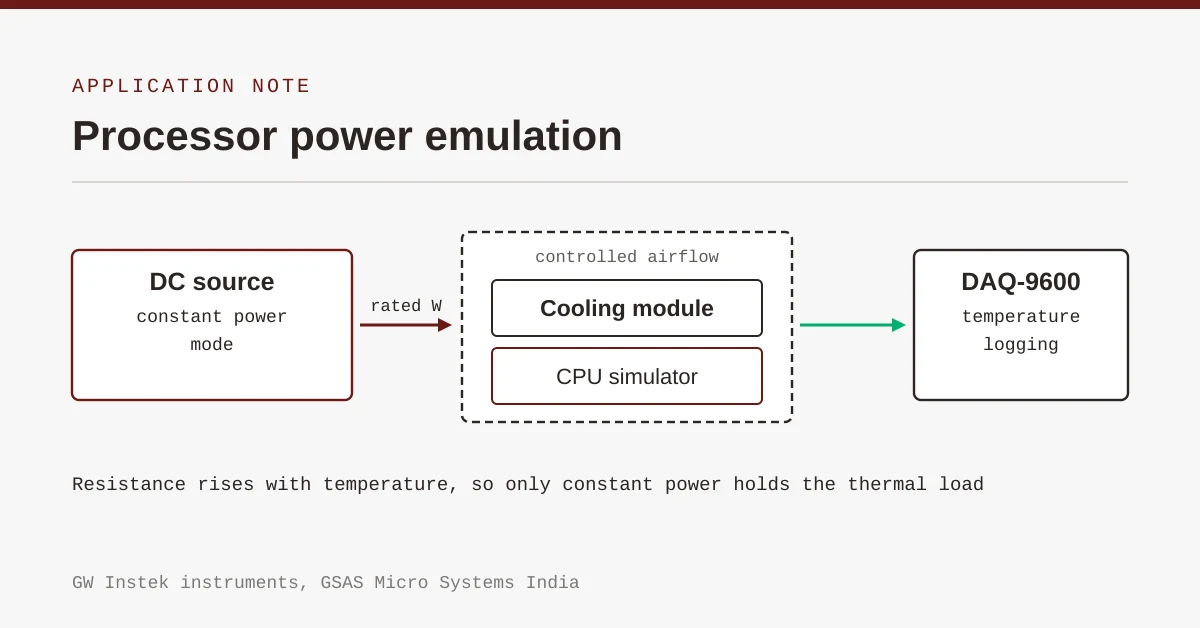
Emulating Processor Power for Thermal Testing: Why Constant Power
7 Oct · 7 min
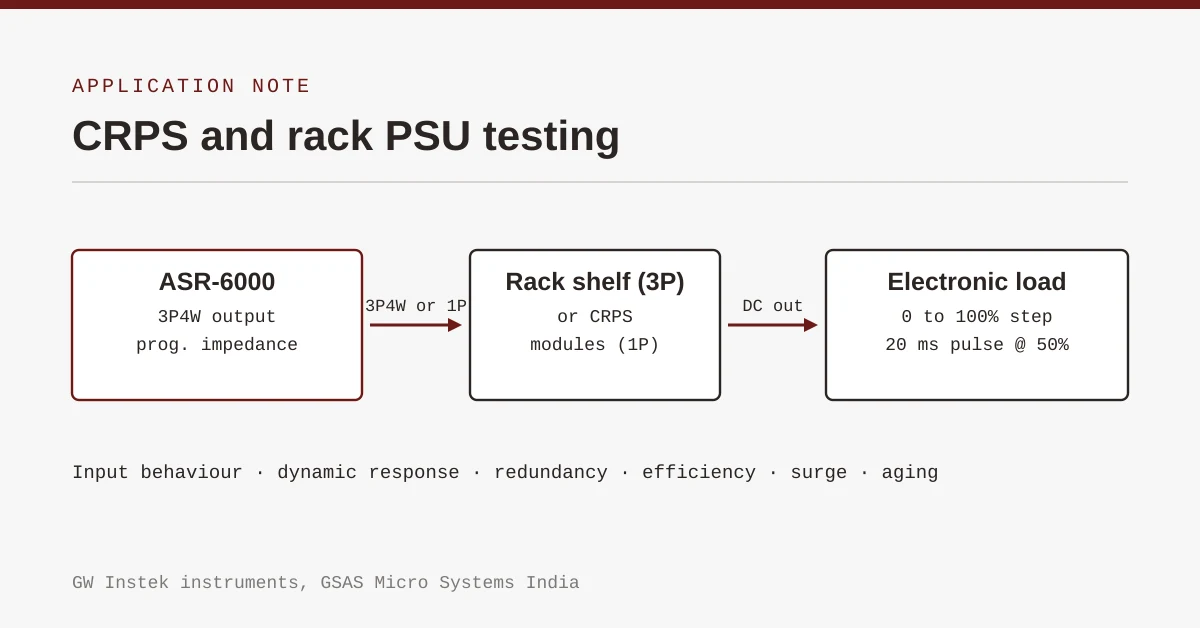
CRPS and Rack Power Supply Testing: The Six Tests That Matter
7 Oct · 7 min