
Embedded Perspectives
Test & Measurement
50 articles tagged with Test & Measurement.
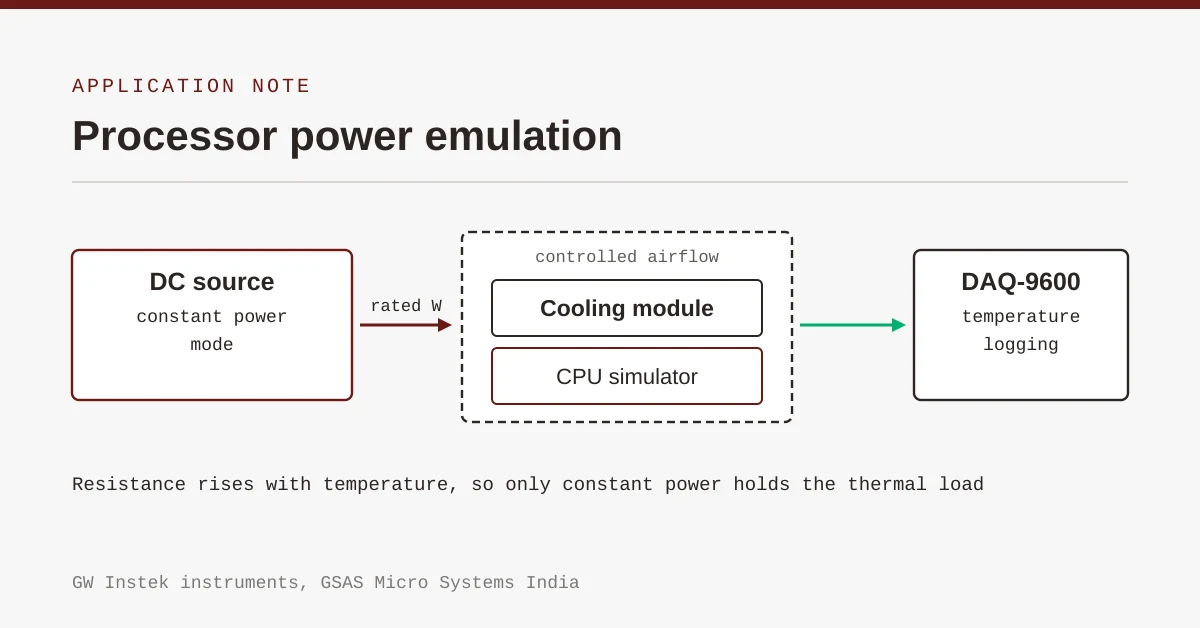
Emulating Processor Power for Thermal Testing: Why Constant Power
A heat sink or a cold plate is qualified against a watt figure, not a volt figure. This application note explains why a thermal load is driven in constant-power mode, how the bench is built for air and for liquid cooling, and what to confirm before you buy.
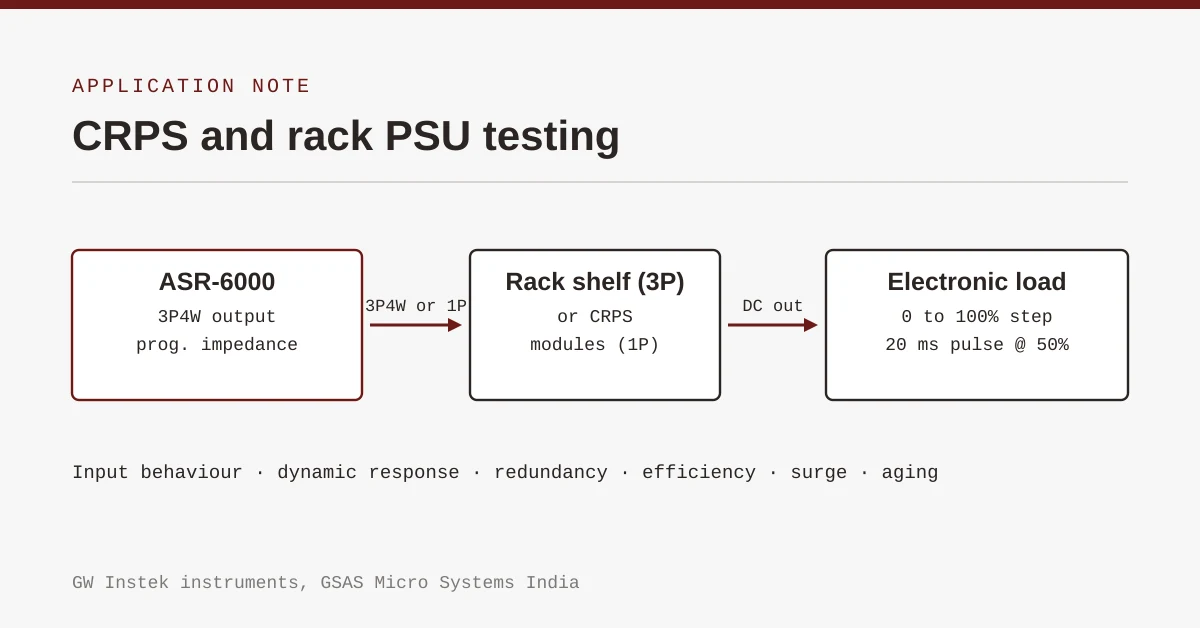
CRPS and Rack Power Supply Testing: The Six Tests That Matter
A CRPS module has to hold up under an unbalanced grid, a 0 to 100 percent load step, a surge on the line and a redundancy handover. This application note sets out the six tests, and the one source capability that makes a long feeder reproducible on the bench.
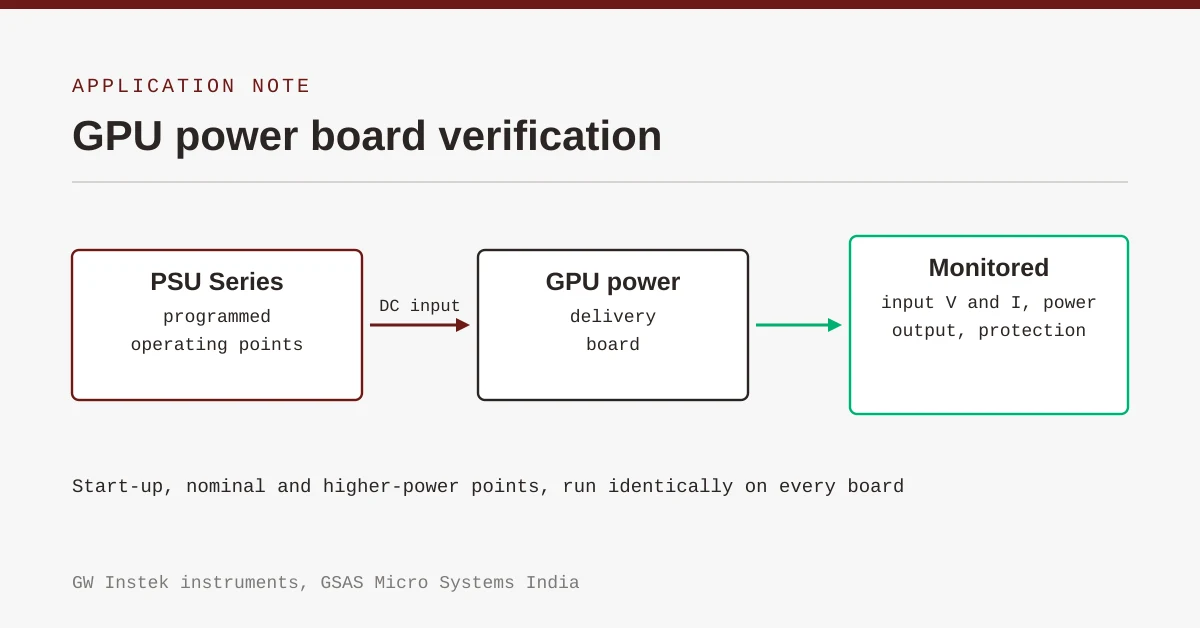
GPU Power Board Testing: DC Input Verification Before Integration
A GPU power delivery board is cheap to reject on a bench and expensive to find in an assembled server. This application note covers the programmable DC input test that screens the board, and the same test applied to incoming server systems.
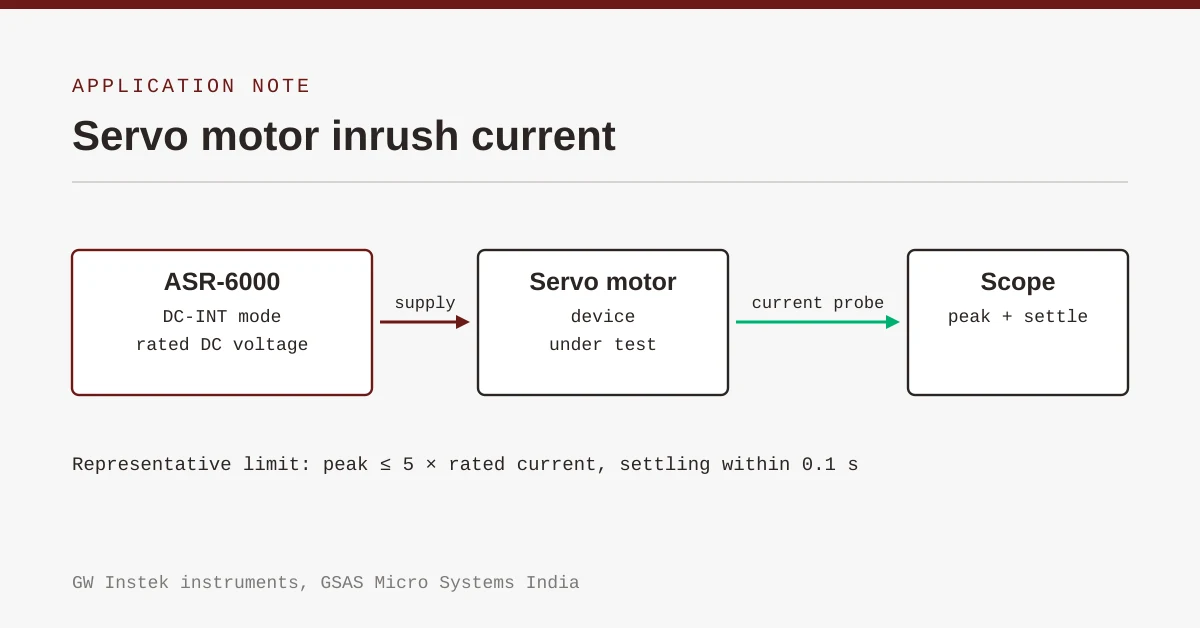
Servo Motor Inrush Current Testing: Method, Limits and Bench
A servo motor draws a large current spike at power-on. This application note sets out how that inrush is measured against a stated acceptance limit, what the DC source has to do, and where the measurement usually goes wrong.
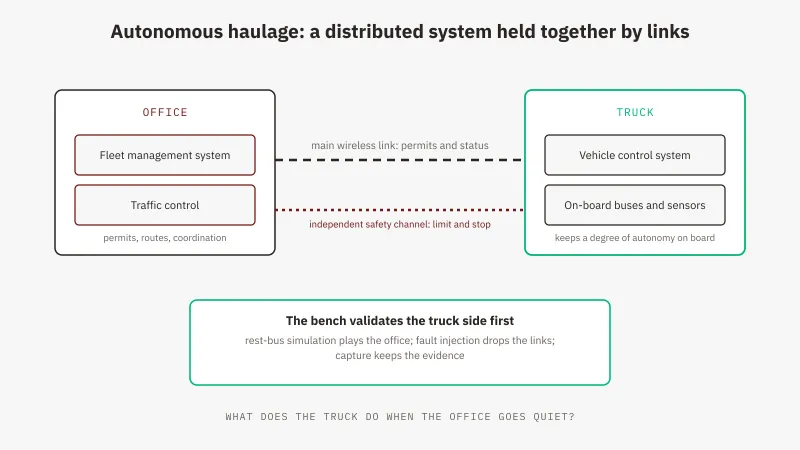
Autonomous Haulage Is a Network Problem Too
Autonomy coverage fixates on perception. The engineers who deployed an autonomous haulage system describe something else: office software, truck software, and a wireless link whose performance decides how much centralisation the design can afford.
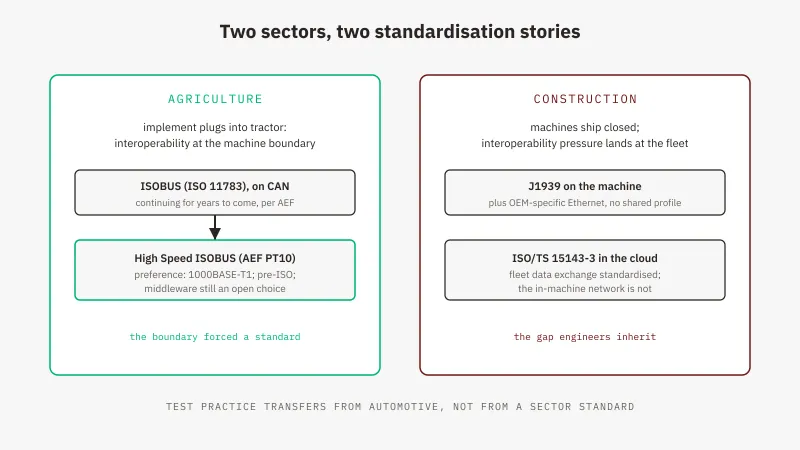
High Speed ISOBUS Prefers 1000BASE-T1. Now What?
Agriculture is converging on an Ethernet future, with one preferred physical layer, because an implement from one maker has to plug into a tractor from another. Construction never had that forcing function, and the standard it does not have is a working condition.
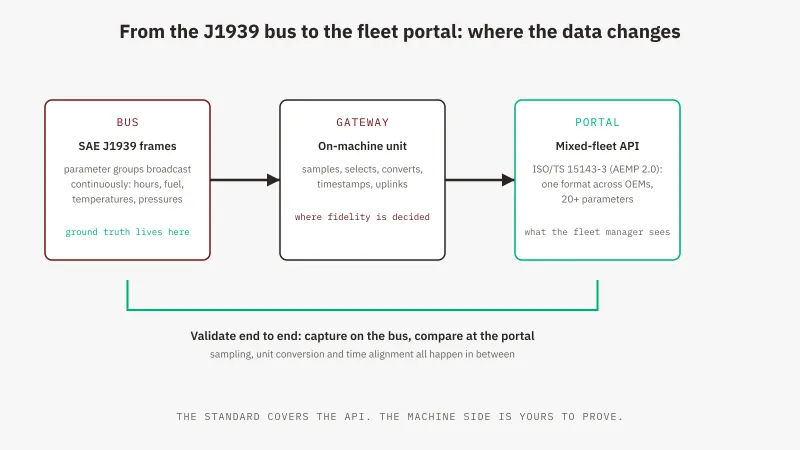
J1939 to Fleet Portal: How Telematics Data Travels
A fleet manager sees a row in a portal; an engineer sees parameter groups on a CAN bus. Between them sit a gateway that selects, samples, derives and timestamps, and a standard that governs only the last hop. How to validate the whole path against the bus.
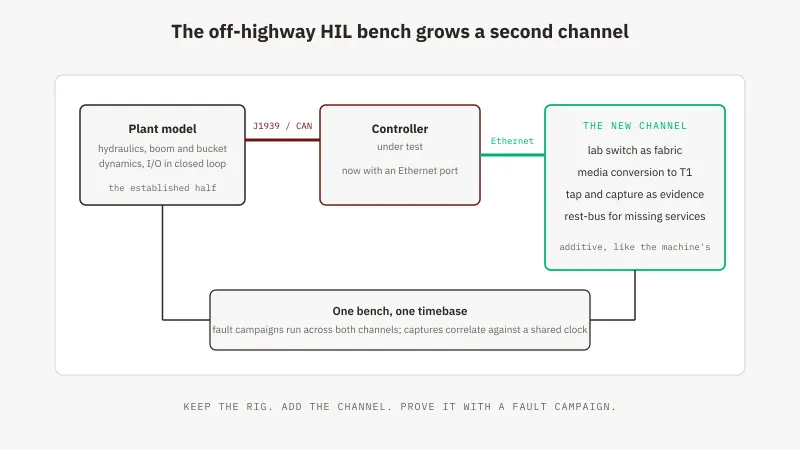
Add an Ethernet Channel to Your Off-Highway HIL Bench
Off-highway hardware-in-the-loop is established practice, built around hydraulics, implement dynamics and J1939. The machines have grown an Ethernet port. The bench upgrade is additive, and it is smaller than a rebuild.
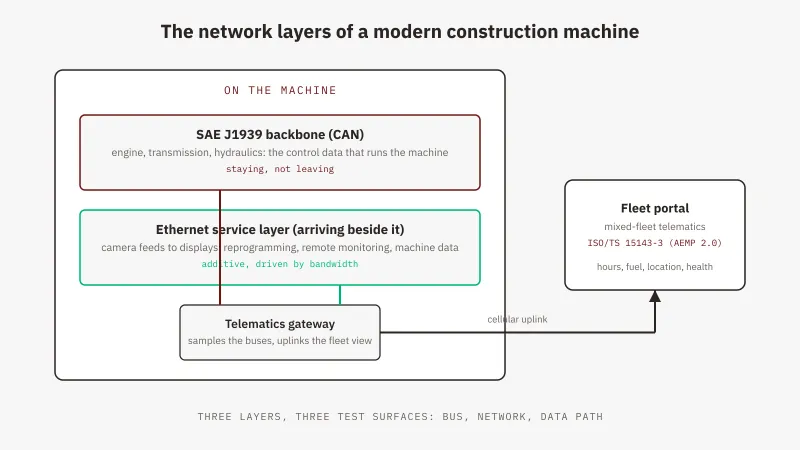
Vehicle Networks in Construction and Mining Equipment
India's machine builders are fighting the localisation battle in electronics, and electronics means a network: the J1939 backbone, the Ethernet arriving beside it, and the bench that has to see both.
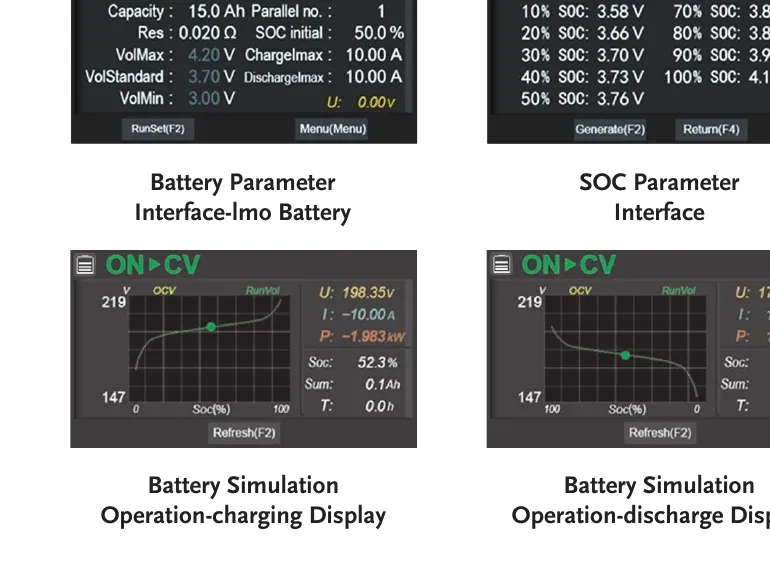
Battery Simulator vs Battery Emulator: Hardware for BMS and Pack Testing
The bench instrument whose terminals behave like a battery pack, why a plain DC supply leaves BMS code paths unexercised, and the capability list to specify against. Worked through the GW Instek RBS Series battery simulation function.
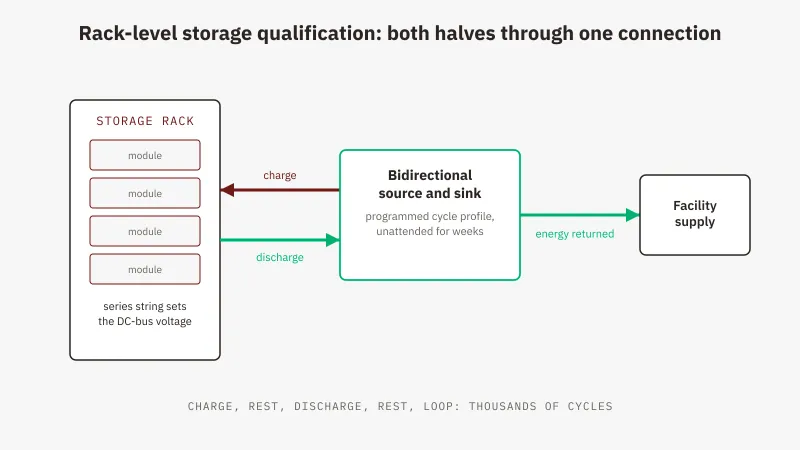
BESS Test Benches: Rack-Level Charge and Discharge Qualification
The bench that qualifies a storage rack: which voltage classes rack buses land in, the current envelope at top of charge, parallel growth in the class you buy first, and cycling that runs unattended for weeks.
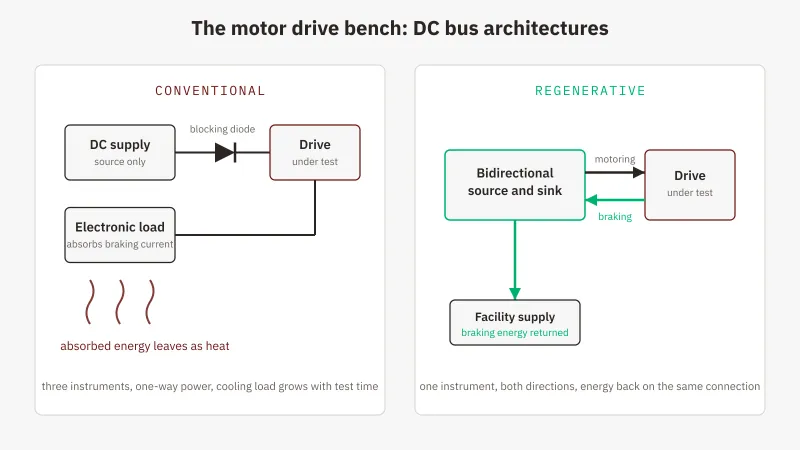
Motor Drive Test Benches: DC Bus Supply and Regenerative Braking
A motor drive bench powered at its DC link terminals needs a bus that supplies the drive and takes energy back when the motor brakes. How one bidirectional source, sized against the real bus voltage, replaces the supply, blocking diode and load.
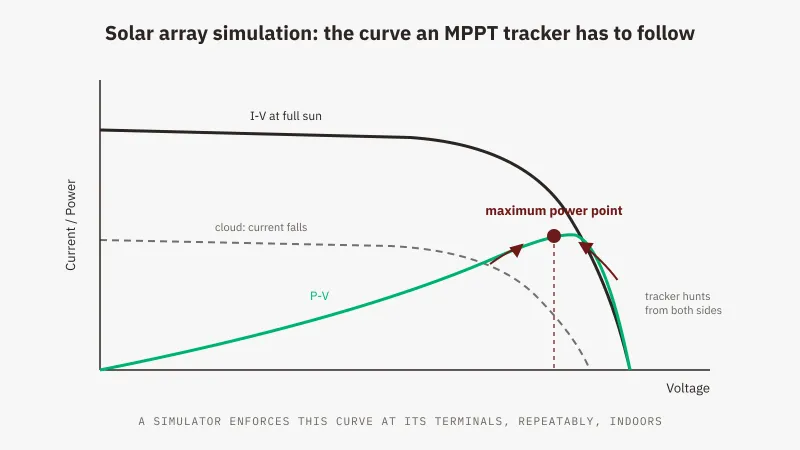
Solar Array Simulation for PV Inverter MPPT Testing
What a solar array simulator does that a bench supply cannot, how static and dynamic MPPT testing differ, and why the presence of a solar array simulation function depends on the model number rather than on the product family. From the GSAS engineering team in India.
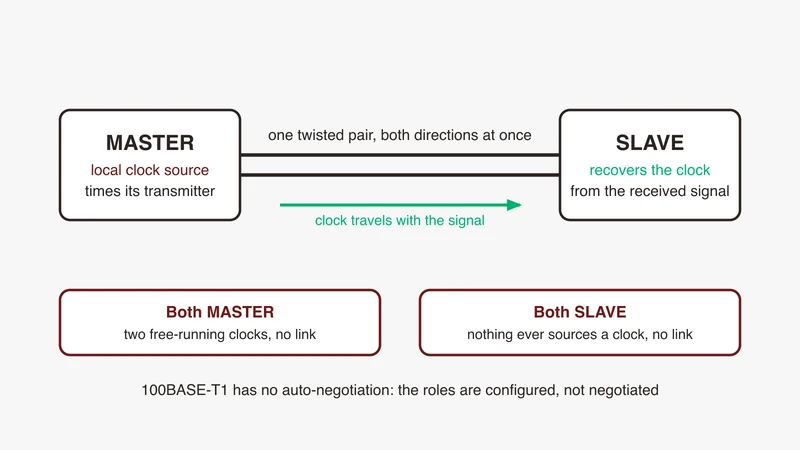
100BASE-T1 Link Won't Come Up: A Vendor-Neutral Checklist
A 100BASE-T1 link that will not come up is almost never a mystery, but the answers on the web are written per silicon vendor and do not transfer. This is the ordered bring-up checklist that holds regardless of which PHY, switch or SoC you have: physical layer first, then the PHY over MDIO, then the master and slave pairing, then the causes of a link that comes up and drops. The standards and tooling claims trace to IEEE 802.3 task force records, the Linux ethtool and kernel documentation or published test material. Written by the GSAS Micro Systems engineering team in India.
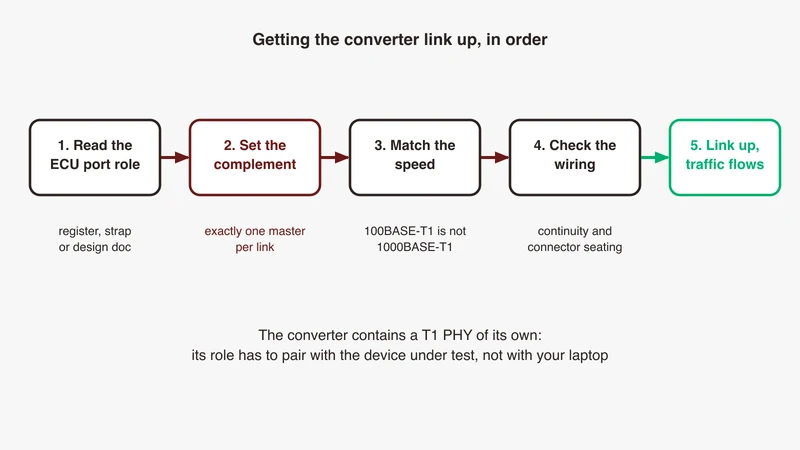
100BASE-T1 Media Converters: How to Choose One
Search for a 100BASE-T1 media converter and you get SKU pages that document their own DIP switches, plus a pile of copper-to-fibre converters that have nothing to do with single-pair automotive Ethernet. This is the selection guide neither publishes: what the box does at the PHY layer, when a converter is the wrong box, and the nine criteria that decide fitness, each written as a question to put to the supplier rather than a specification we invented. Standards claims trace to IEEE 802.3 task force records and the public OPEN Alliance specifications. Written by the GSAS Micro Systems engineering team in India.
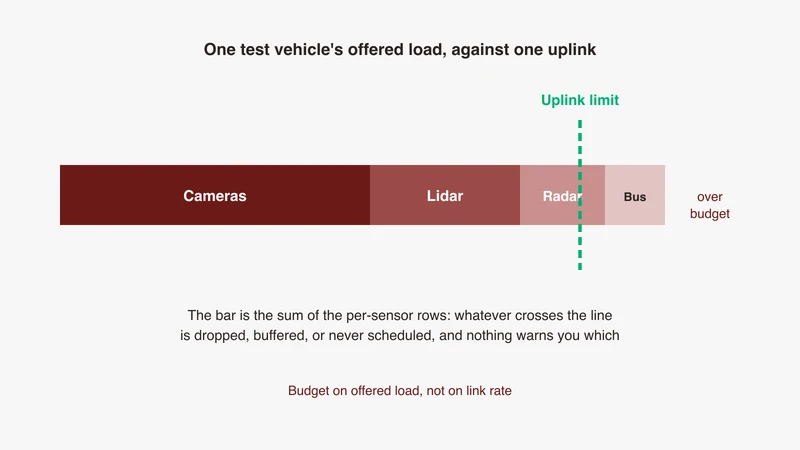
ADAS Sensor Data Logging: Bandwidth Budgets That Add Up
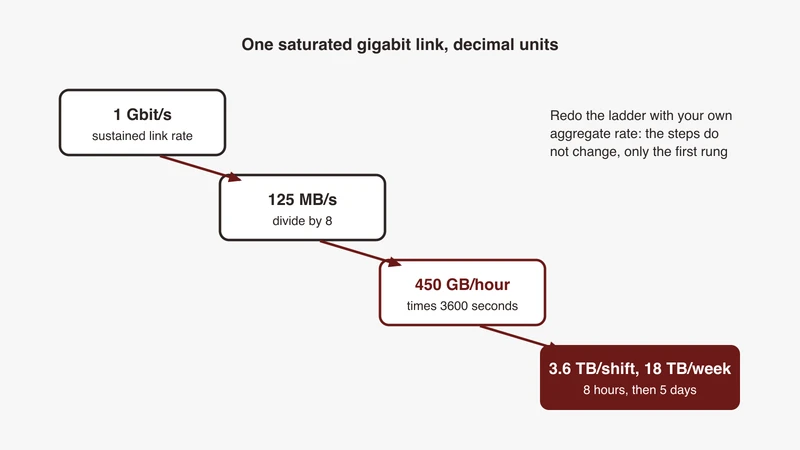
Every page that tells you an ADAS test vehicle produces terabytes a day states the headline and skips the arithmetic, so you cannot redo it for your own sensor set. This article publishes the arithmetic instead: one formula, every table row derived on the page, a worked eight-hour drive that chains those rows into a sustained write rate, a media count and an offload window, and the five places bandwidth budgets go wrong. Written by the GSAS Micro Systems engineering team in India.
Automotive Data Loggers: Capture Without Loss
Search for an automotive data logger and the results split into cheap OBD dongles at one end and enterprise ADAS recorders at the other, with nothing in between explaining the engineering that decides whether you lose frames. This is the loss budget end to end: mirror oversubscription upstream of the logger, encapsulation overhead on the capture path, sustained write rate against burst rate, rotation stalls, and storage arithmetic worked in full so you can redo it with your own numbers instead of trusting ours. Written by the GSAS Micro Systems engineering team in India.
Automotive Ethernet Conformance: TC8 and Testing Above It
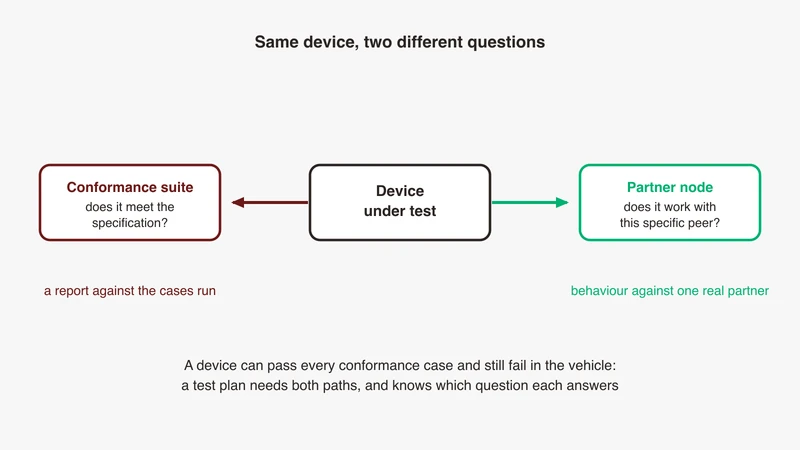
Summarising TC8 as a layer 1 to layer 4 suite is wrong in both directions. The public OPEN Alliance ECU test documents run from transmitter distortion up to a SOME/IP chapter with its own standardised test stub, and they contain exactly one time synchronisation test case. This is what those documents enumerate, chapter by chapter, what genuinely lives above their boundary, why a passing ECU can still fail against a partner node, and how much pre-compliance work a Tier-1 in India can honestly do in-house before a test house visit. Written by the GSAS Micro Systems engineering team in India.
How to Choose an Automotive Ethernet Switch for the Lab
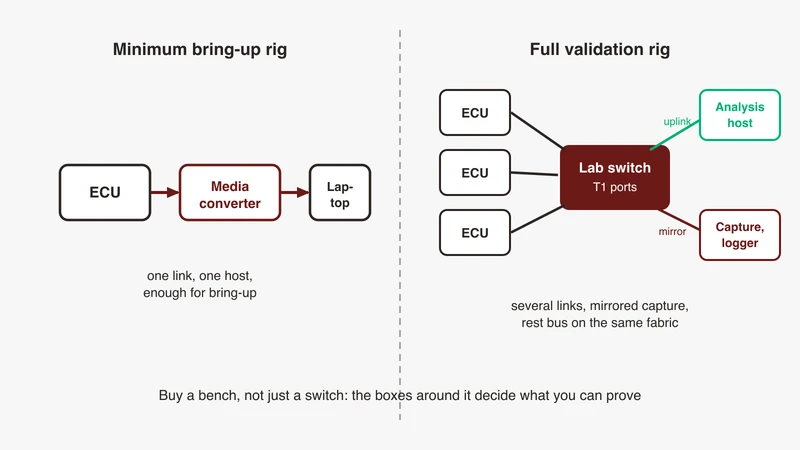
Search for an automotive Ethernet switch and you get silicon selection tables written for the engineer choosing a die for a zonal controller. The person searching from a validation lab wants a boxed switch that reproduces a vehicle network on a bench, and finds nothing addressed to them. This is that guide: how to separate the two products, how to count the ports you actually need, and an eight-row scoring matrix written as questions to put to a supplier rather than specifications we invented. Standards and documentation claims trace to IEEE 802.1 and 802.3, ASAM, AUTOSAR, the IETF and public Linux and Wireshark documentation. Written by the GSAS Micro Systems engineering team in India.
Buying Automotive Ethernet Test Gear in India
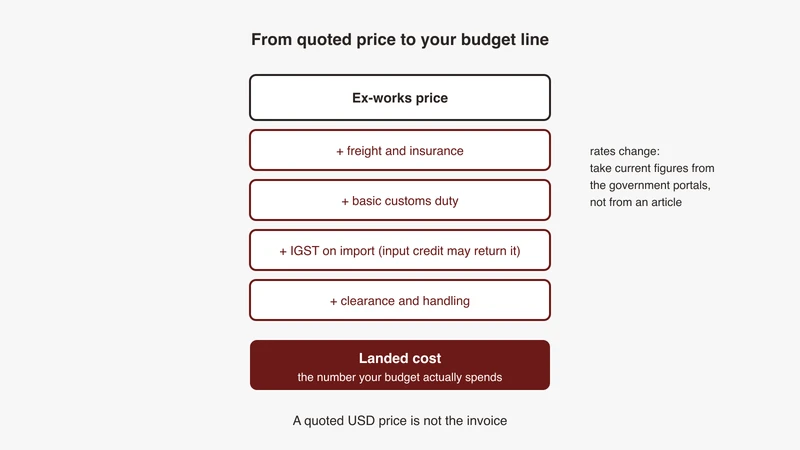
Search for a 100BASE-T1 tap or a T1 to RJ45 media converter from India and the results are fibre media converters and LAN cable testers, none of which are T1, and no forum thread that has been through the purchase. This is the missing page: the capability table for a first bench with a defer-or-borrow column, an honest account of what is stocked here versus imported to order, the parts that make up a landed cost as a structure rather than a number, and the compliance portals your teams will actually use. No prices, no duty rates and no lead-time bands, because all three change and none of them belong in an article. Written by the GSAS Micro Systems engineering team in India.
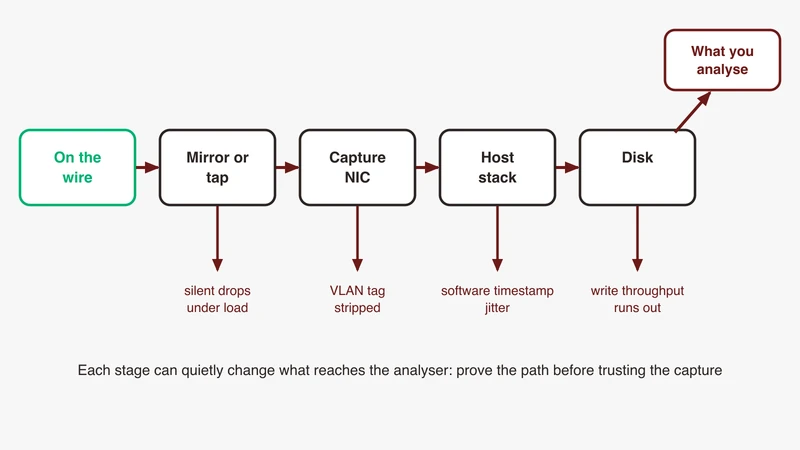
Capturing Automotive Ethernet: Tap vs Mirror vs Converter
Search for how to capture in-vehicle Ethernet and you get product pages that assume you already chose the method, plus an IT tap-versus-mirror debate that never touches a vehicle. This is the method: how to pick between a media converter, a mirror port, an active tap and a capture module, and the four ways a capture goes quietly wrong instead of obviously broken. Every claim traces to the Wireshark documentation and wiki, a public Wireshark Q and A thread, an adapter vendor's support article or a published whitepaper, written by the GSAS Micro Systems engineering team in India.
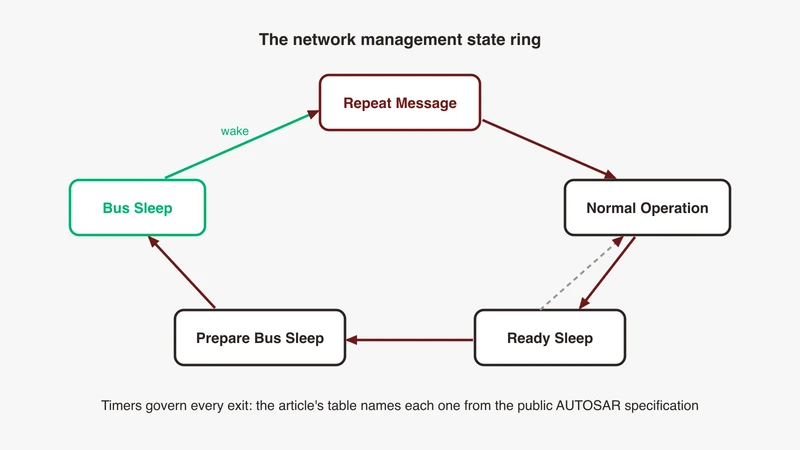
ECU Testing over Ethernet: Startup, Shutdown and Wake
A bench that powers the ECU, waits for it to settle and then starts capturing has already skipped three of the four phases where integration defects live. This is the lifecycle version of ECU testing over Ethernet: what a ping does not prove, the AUTOSAR network management state set and the timers that govern it read out of the public specifications, why one node holds a whole cluster awake, and a phase-by-phase table of stimulus, observable, pass criterion and capture method you can write test cases from this week. Written by the GSAS Micro Systems engineering team in India.
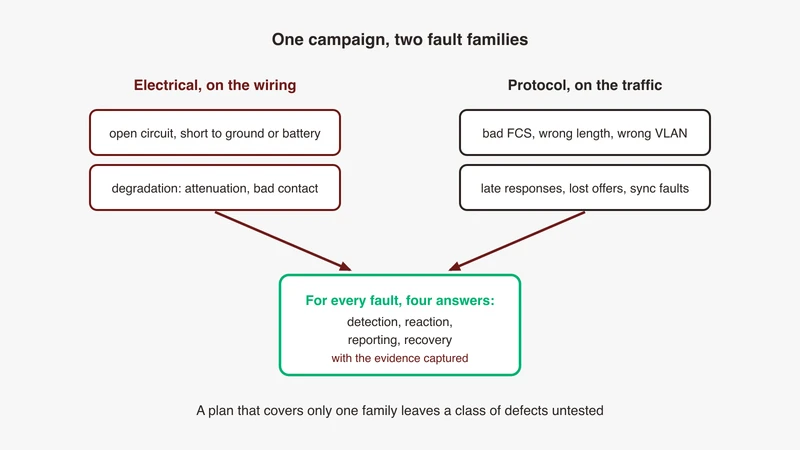
Fault Injection in HIL: Open Load, Shorts, Malformed Frames
Fault injection material splits in two. Switching-hardware pages describe relay matrices and open-load wiring; software-testing posts describe malformed input. A vehicle network fails across both at once, because an intermittent short changes link quality and the stack above then behaves badly. This article puts electrical and protocol faults into one campaign, writes the observable and the expected reaction down per fault, and treats the fault insertion hardware itself as a signal-integrity risk you have to characterise before you trust a result. Written by the GSAS Micro Systems engineering team in India.
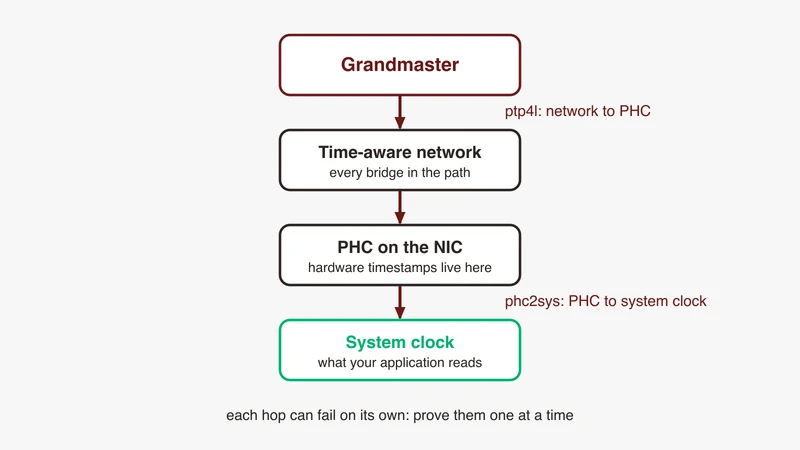
gPTP Troubleshooting: ptp4l, phc2sys and Sync Failures
Most gPTP guides on the web are written for data centre PTP over UDP, and they leave out the three things that break an in-vehicle 802.1AS domain on Linux: layer 2 transport with peer delay, the transportSpecific field that phc2sys has to match, and the TAI to UTC offset that nothing sets for you. This is the automotive version, with the linuxptp config lines, the log lines that tell you where you are, and a symptom to cause table. Written by the GSAS Micro Systems engineering team in India.
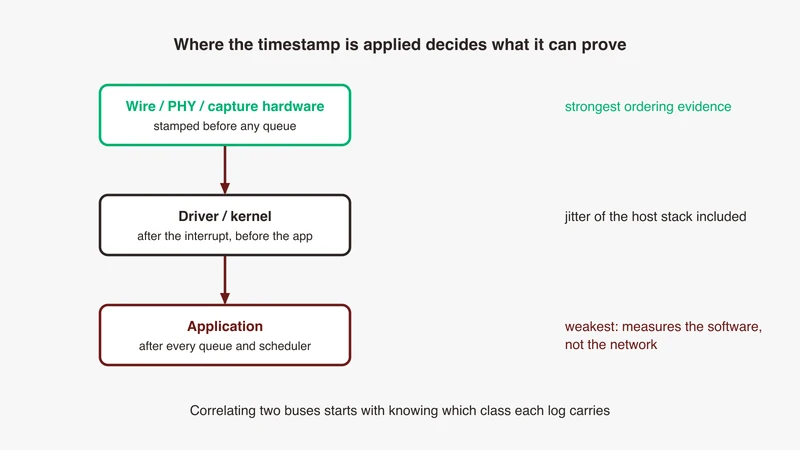
Multi-Bus Capture: CAN, LIN, FlexRay, Ethernet
Two tools, two clocks, two logs that will not lie on top of each other, so the engineer eyeballs the order of events and guesses. Search for the fix and you get product pages asserting their own synchronisation, or forum answers that stop at use one tool for everything. This is the mechanism instead: the three classes of timestamp and what each one can prove, how a common time base is actually built across buses that do not share one, the gateway blame problem worked end to end, and a numbered correlation workflow you can repeat. Written by the GSAS Micro Systems engineering team in India.
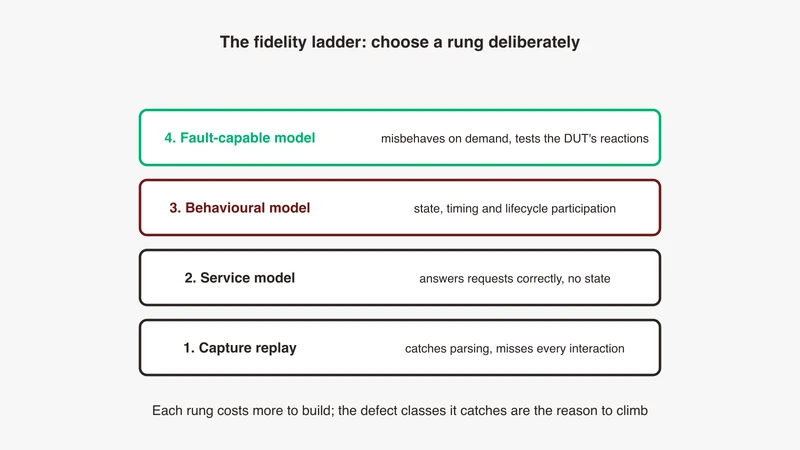
Rest Bus Simulation for Ethernet-Based Vehicles
Rest bus simulation often arrives in an Indian engineering team as a line in a customer requirement document, defined for CAN and left undefined for Ethernet. The difference matters: on a service-oriented network you are simulating discovery, endpoints and multicast membership, not replaying cyclic frames, and a simulator that answers correctly and instantly can hide the timeout handling you were supposed to be testing. This article sets out the fidelity ladder, the inputs you need before you build one, and where an Ethernet rest bus stops representing the vehicle. Written by the GSAS Micro Systems engineering team in India.
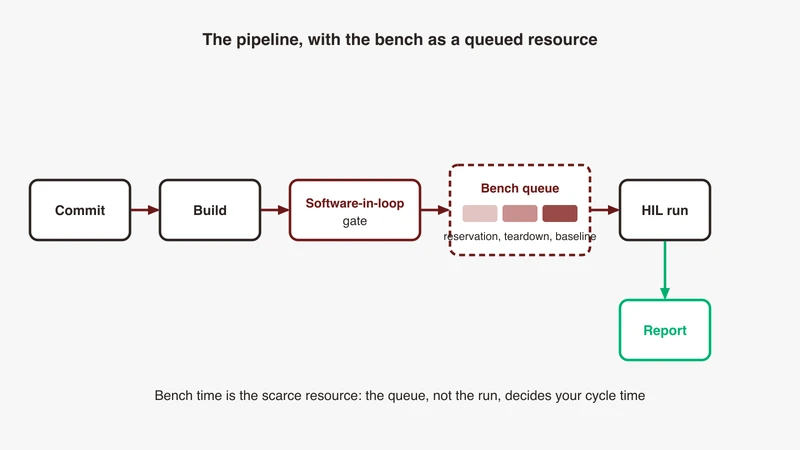
Test Automation for SDV: ASAM XIL, Virtual ECUs, CI for HIL
Every software-defined vehicle programme in India eventually asks the same question: why does a test case written for a laptop have to be rewritten for the virtual ECU and rewritten again for the bench? The two public anchors that answer it are the ASAM XIL API and the FMI packaged model format: FMI is a free standard, and ASAM publishes enough of XIL's structure openly that you can specify against it before anyone buys the document. This article walks the shift-left ladder honestly, including the four things that cannot move left, and treats the hardware-in-the-loop bench as a queued shared resource inside continuous integration rather than a desk someone books. Written by the GSAS Micro Systems engineering team in India.
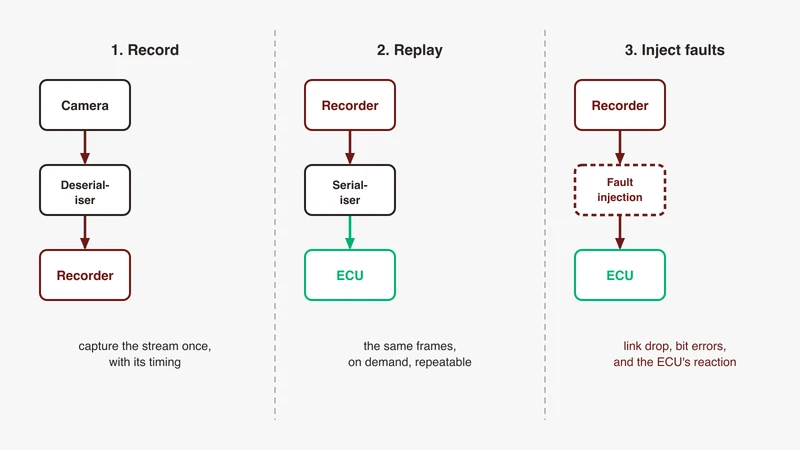
SerDes Camera Links: GMSL, FPD-Link, ASA-ML and A-PHY
Four families carry automotive camera video, and only two of them have public documentation written for buyers. GMSL and FPD-Link are silicon-vendor interface families documented for board designers; ASA-ML and MIPI A-PHY are open specifications with published rate and reach figures and almost no practical buyer-facing writing. This page puts all four side by side with every rate class traced to the page it came from, then covers the part nobody writes: how you record, replay and inject a camera stream on a bench, and why none of it shows up in Wireshark. Written by the GSAS Micro Systems engineering team in India.
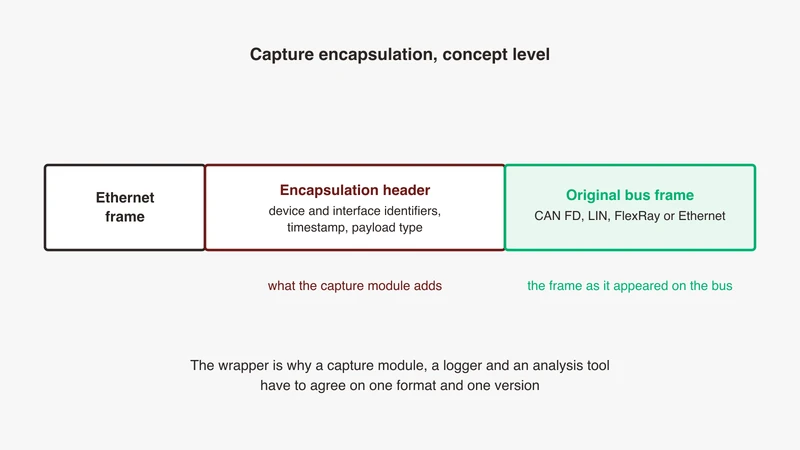
TECMP and ASAM CMP: Capture Encapsulation Explained
Search for either of these two capture encapsulation formats and you get a Wireshark display filter reference listing hundreds of fields, or a one-paragraph standards landing page. Neither explains why an encapsulation layer exists, what changes when a programme moves from the vendor-originated format to the standardised one, or how to prove the decode works before the capture hardware purchase order goes out. This is that page: the wrapper explained in buyer language, a comparison whose every cell traces to a public source, the Wireshark path that proves it, and five questions to put to a supplier. Written by the GSAS Micro Systems engineering team in India.
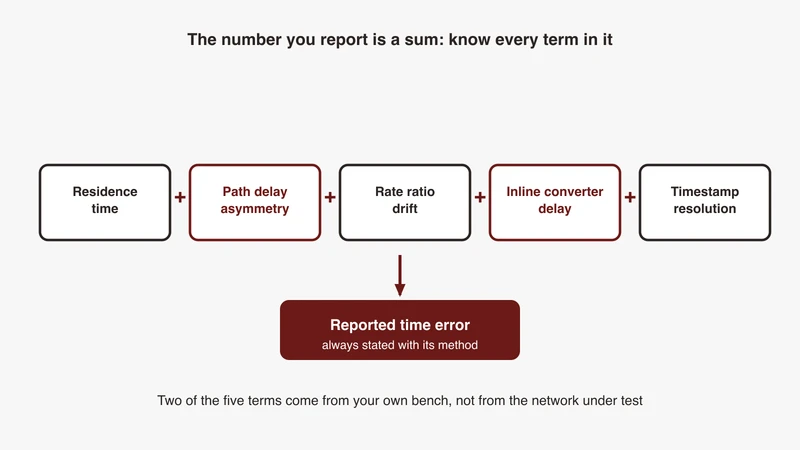
Validating Time Sync: How to Prove 802.1AS Actually Works
A test report that says gPTP locked proves nothing. Locked is a servo state; what an auditor wants is a bounded time error, measured against a reference, over a stated window, and repeated while the grandmaster disappears and the network is loaded. Avnu published a recovered clock quality methodology that defines exactly those terms and almost nobody translates it into a bench procedure. This article does: what the quantities are, how to measure them at the pin and in software, what the software number cannot see, and how to write the report. Written by the GSAS Micro Systems engineering team in India.
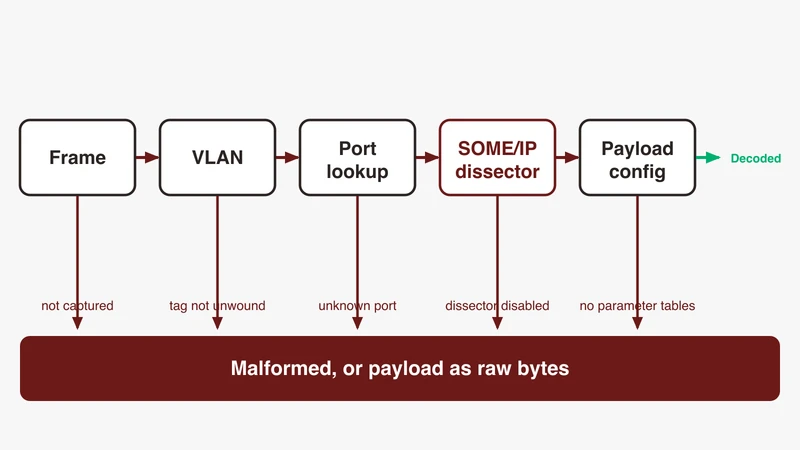
Wireshark Not Decoding SOME/IP? The Complete Fix List
SOME/IP shows up as Malformed DNS, or as plain UDP, and the capture looks broken. The Wireshark SOME/IP dissector ships with an empty port range and its heuristics off by default, so the frames arrive and nothing claims them. This is the ordered fix list, checked against the dissector source, the Wireshark user guide and the AUTOSAR specifications, written by the GSAS engineering team in India for benches in Bengaluru, Pune, Chennai and Hyderabad.
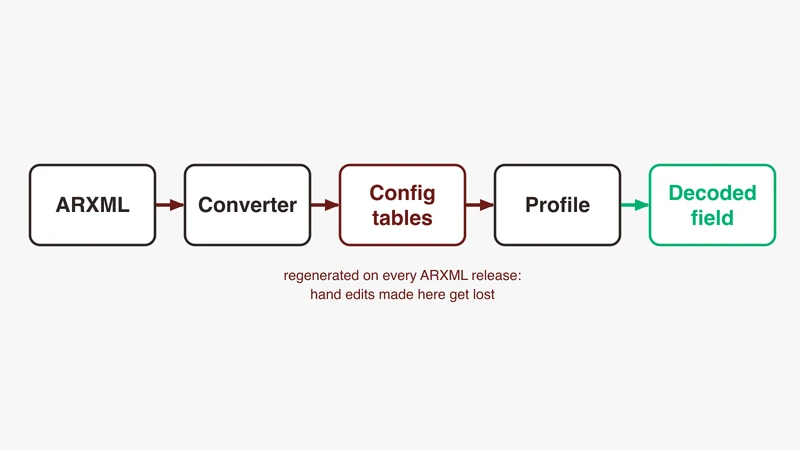
Decoding SOME/IP Payloads in Wireshark from ARXML
Wireshark reads SOME/IP headers off the wire, but payload fields only appear once you load parameter definitions into its configuration tables. This walkthrough covers what those thirteen tables hold, how the open FibexConverter project generates them, why the ARXML your project owns is not the input the tool takes, and how to verify a decode instead of trusting it. Written by the GSAS engineering team in India for bench and validation teams working on service oriented communication.
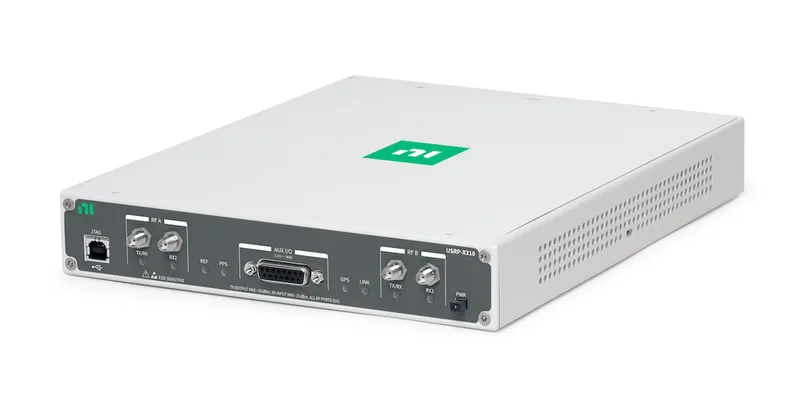
Real-World SDR Applications: 5G Research, Satellites, IoT and ADS-B
Where software defined radio actually earns its place: 5G and 6G waveform research, spectrum monitoring, weather satellite reception, GNSS work, LoRaWAN debugging, aircraft tracking over 1090 MHz, and reconfigurable instrument prototyping. A practical map from GSAS Micro Systems, an authorized Digilent engineering partner in India, with a framework for matching a USRP platform to the job.
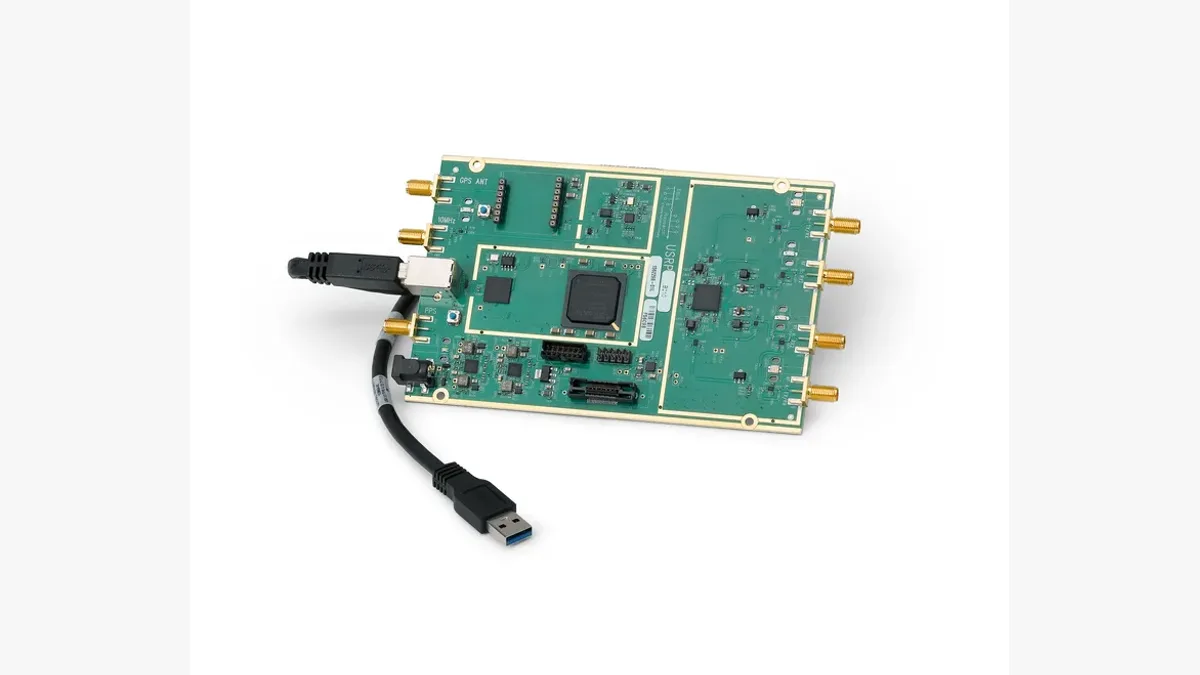
What Is Software Defined Radio (SDR)? A Practical Explainer for Indian Engineering Teams
Software defined radio moves the work of filtering, modulation and demodulation out of fixed hardware and into software running on processors and FPGAs. This explainer from GSAS Micro Systems covers what SDR is, how it differs from a traditional radio, what the signal chain looks like, why the FPGA matters, and how to pick a USRP radio in India.
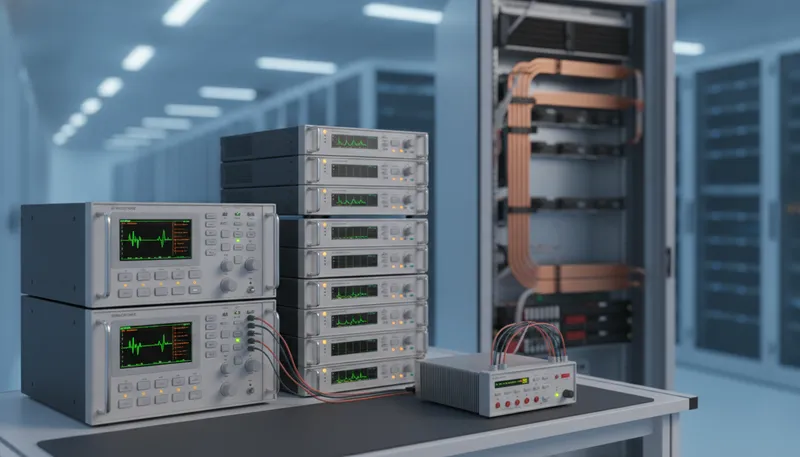
AI Data Center Testing: Power Shelves, Busbars, Burn-In and Optics
AI racks fail on the bench long before they fail in the field. How AI data center infrastructure is actually tested: server power shelves and CRPS supplies, 48V busbars, battery backup units, DC-DC stages, burn-in, thermal validation, high-speed switches, and optical transceivers, mapped to the GW Instek instruments GSAS supplies across India.
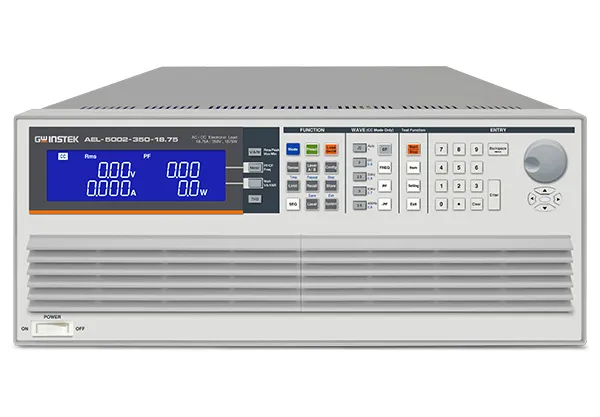
Testing High-Power UPS, Solar Inverters and Power Electronics: Inside the GW Instek AEL-5000 AC/DC Electronic Load
India's UPS, solar-inverter and power-electronics makers need load testing that behaves like the real world: non-linear, high-power and scalable. Here is how the GW Instek AEL-5000 AC/DC electronic load covers it, from 1.875 kW on the bench to 540 kW in a three-phase array.
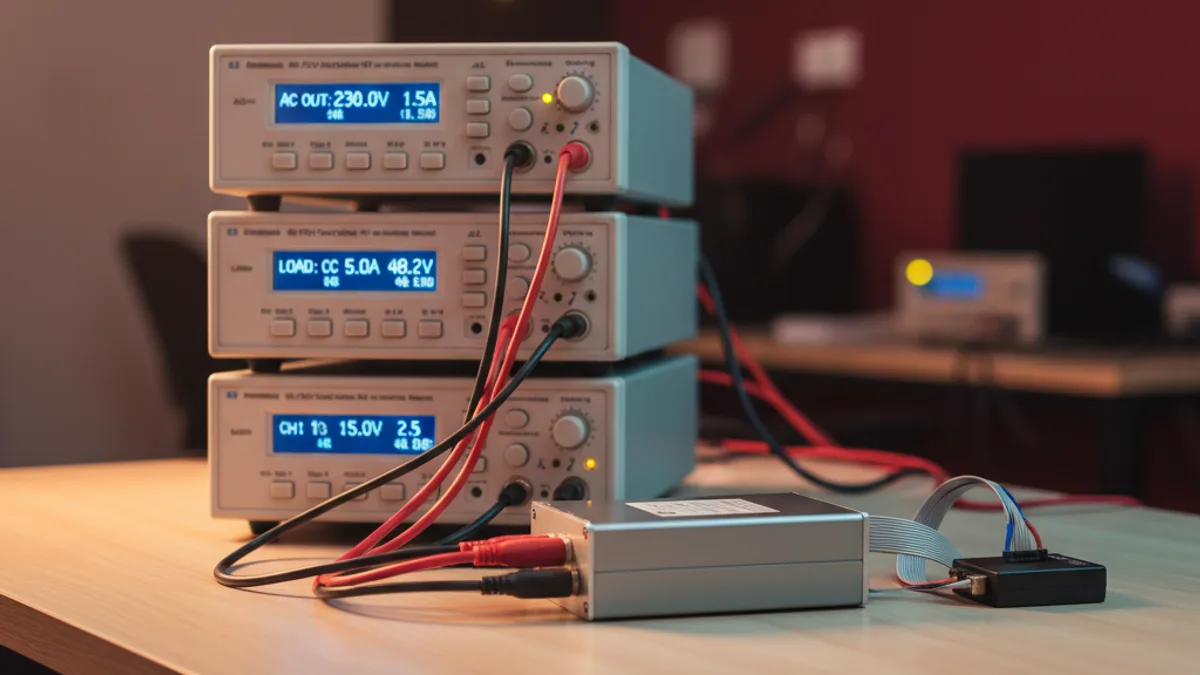
Automated EV Charger Test Bench in India: GW Instek AC Source, DC Load and Battery Emulator
A walkthrough of an automated test bench that validates a CAN-controlled EV scooter charger across the full Indian grid envelope. GW Instek's APS-7200 AC source, PEL-3111AH DC load and GPP-7250 battery emulator combine with a Total Phase Komodo CAN Duo BMS emulator for unattended, repeatable charger validation, designed, integrated and scripted in India by GSAS.
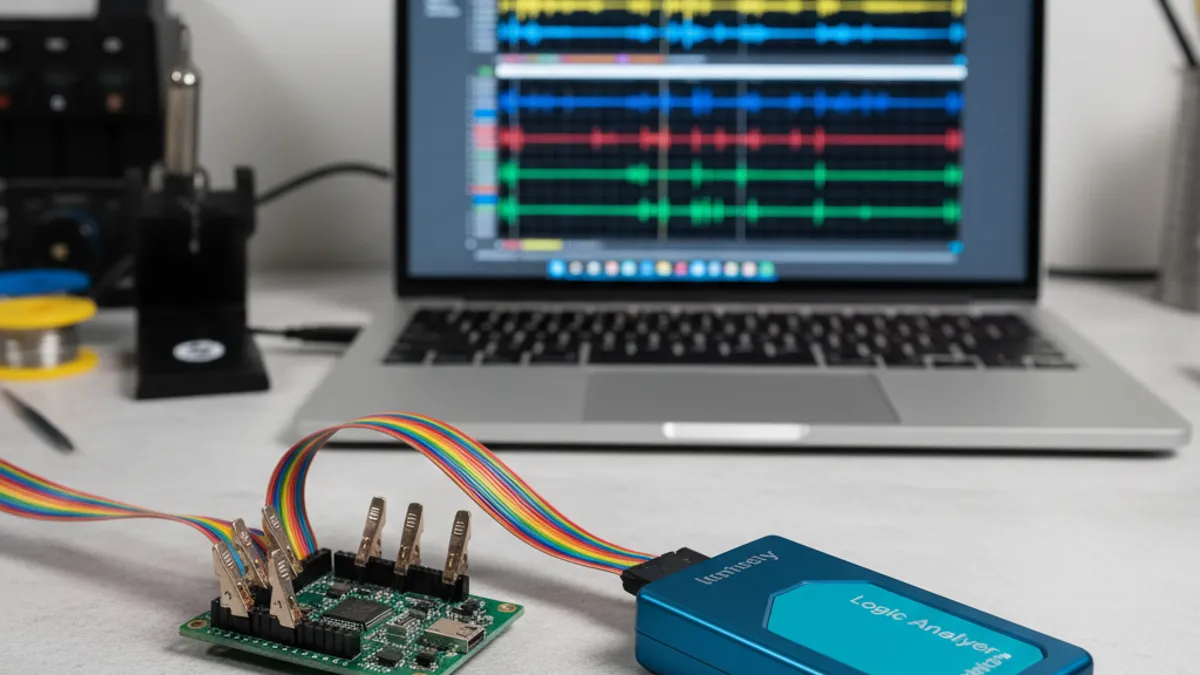
Best Logic Analyzer in India (2026): A Vendor-Neutral Buying Guide for Embedded Teams
Channels, sample rate, protocol decode, and streaming vs buffer, a vendor-neutral buying framework for choosing a USB logic analyzer or protocol analyzer in India, funnelling to the SKUs that actually fit your bus.
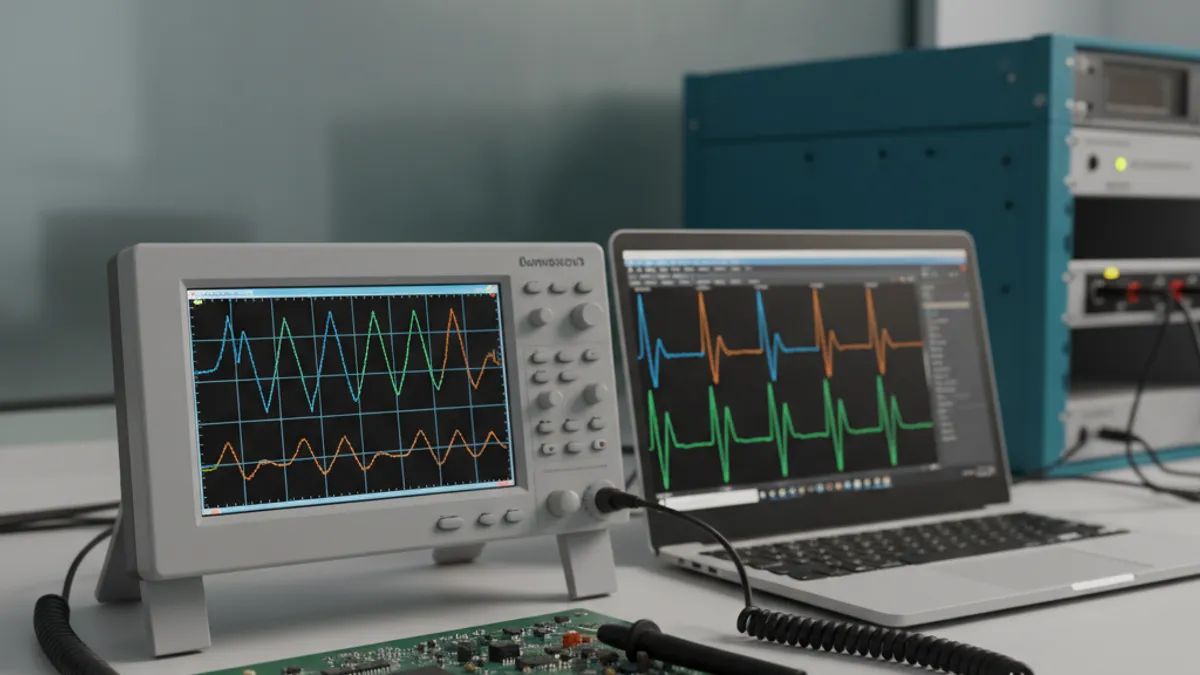
How to Buy an Oscilloscope in India (2026): USB vs Benchtop, Bit Depth, Bandwidth: A Buying Guide
A vendor-neutral buying guide for Indian engineering teams choosing an oscilloscope in 2026. How to size bandwidth, sample rate, channels and bit depth; when a USB/PC oscilloscope beats a benchtop; and how oscilloscope price in India actually breaks down once you add GST, probes and warranty. Written for embedded, power and education teams in Bengaluru, Pune, Chennai, Hyderabad, Mumbai and Delhi NCR.
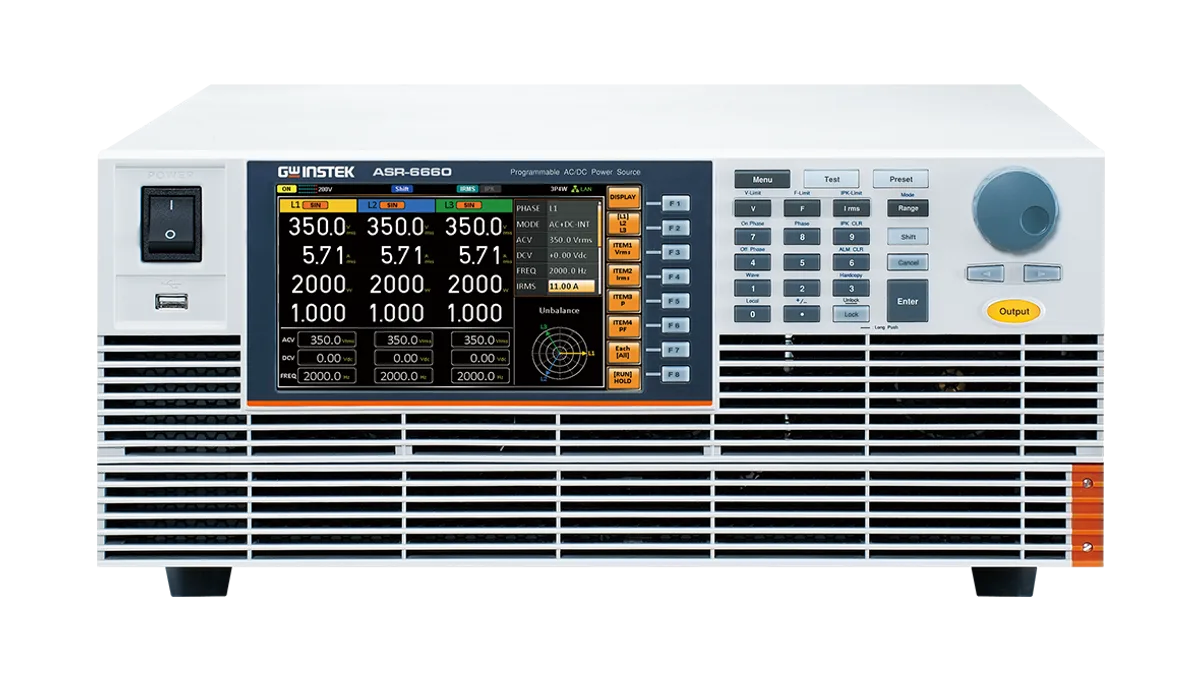
GW Instek 6S Catalog: High-Power Test Instruments for India: A Build Guide
GW Instek's 6S line, DAQ-9600 data acquisition, the PHU autoranging DC source, the ASR-6000 AC/DC power source, and the AEL-5000 / PEL-5000G / PEL-5000C electronic loads, is a complete high-power test ecosystem. Here is what each instrument does, how to combine them into an EV-charger, battery or solar-inverter test bench, and how to buy and integrate the line in India through GSAS.
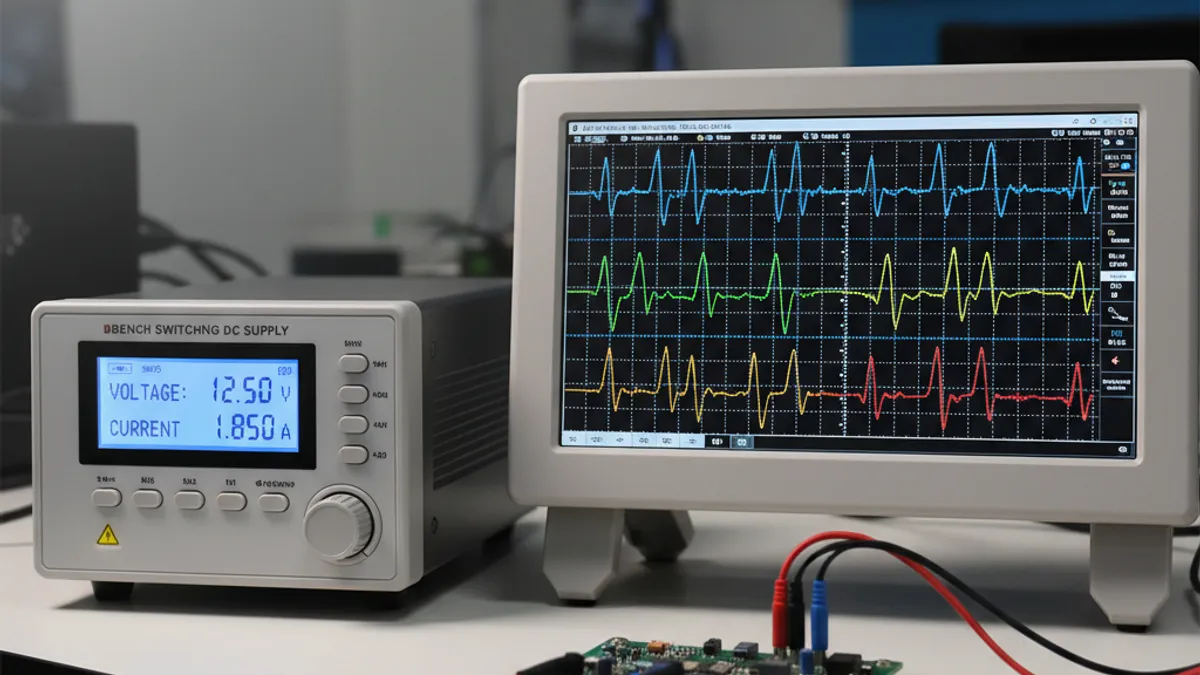
New from GW Instek (2026): SPS-A Series Switching DC Power Supplies & GDS-2000HD/HG 12-bit Oscilloscopes: Now in India
GW Instek has launched two new instrument families: the SPS-A Series, a new-generation, 360 W single-channel switching DC power supply line with an encoder digital knob and a 2.4-inch colour LCD, and the GDS-2000HD/HG Series, a compact 12-bit oscilloscope with an Android-based smart UX. Here is what is verified, model by model, and how Indian teams can evaluate, quote and demo both through GSAS Micro Systems.
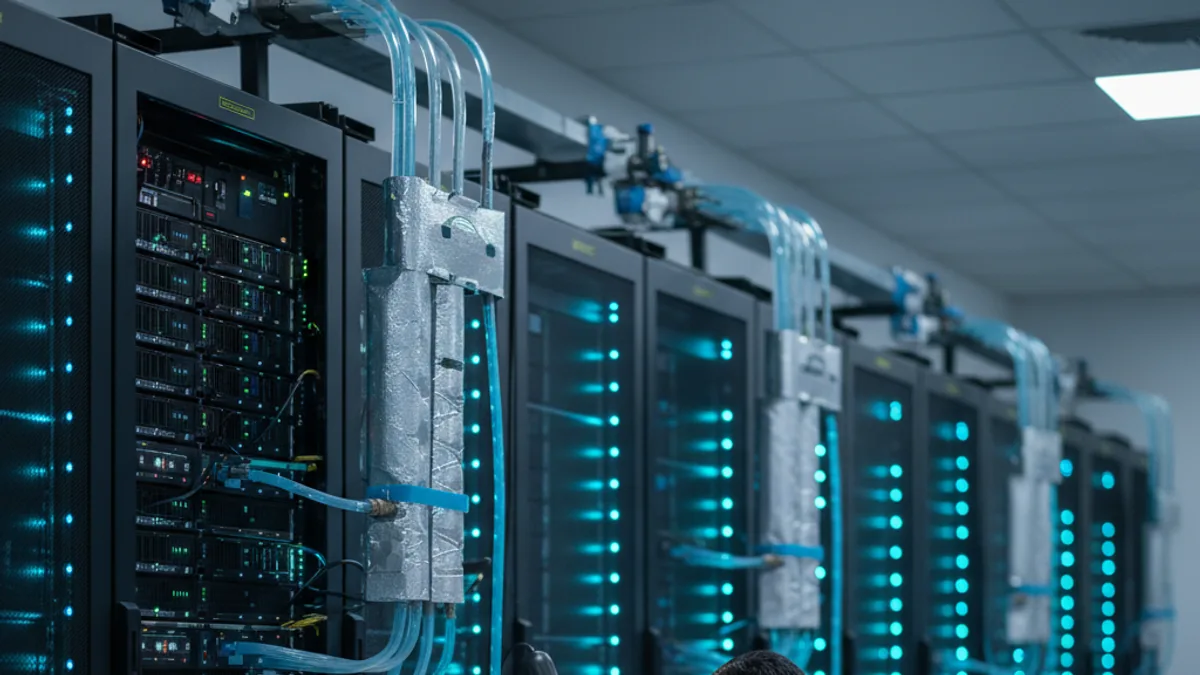
AI Data Centers in India: Test, Measurement & Memory Boom
AI is a hardware supercycle. Every AI rack has to be designed, brought up, powered, fed with memory, and kept alive, and each of those is a test, measurement and memory problem. Here is the full engineering toolchain behind the AI data center, mapped to what Indian teams can buy today through GSAS.
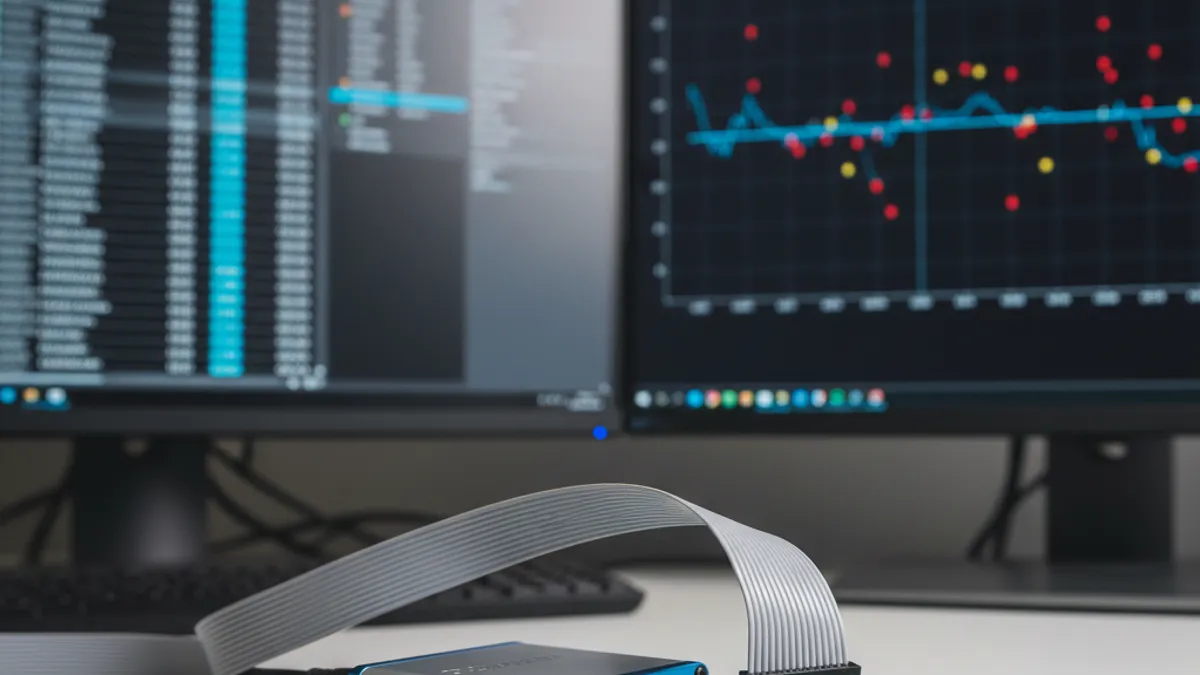
Capturing I²C/SPI Data to Train Edge AI: A Protocol-Analyzer Workflow for Indian Embedded Teams
Edge AI is only as good as the data it learns from, and for most embedded systems, that data lives on the I²C and SPI buses between the sensors and the MCU. Here is a practical workflow for capturing real, labelled bus data with Total Phase protocol analyzers and turning it into an on-device anomaly-detection model, written for embedded teams in Bengaluru, Pune, Chennai, Hyderabad, Mumbai and Delhi NCR.
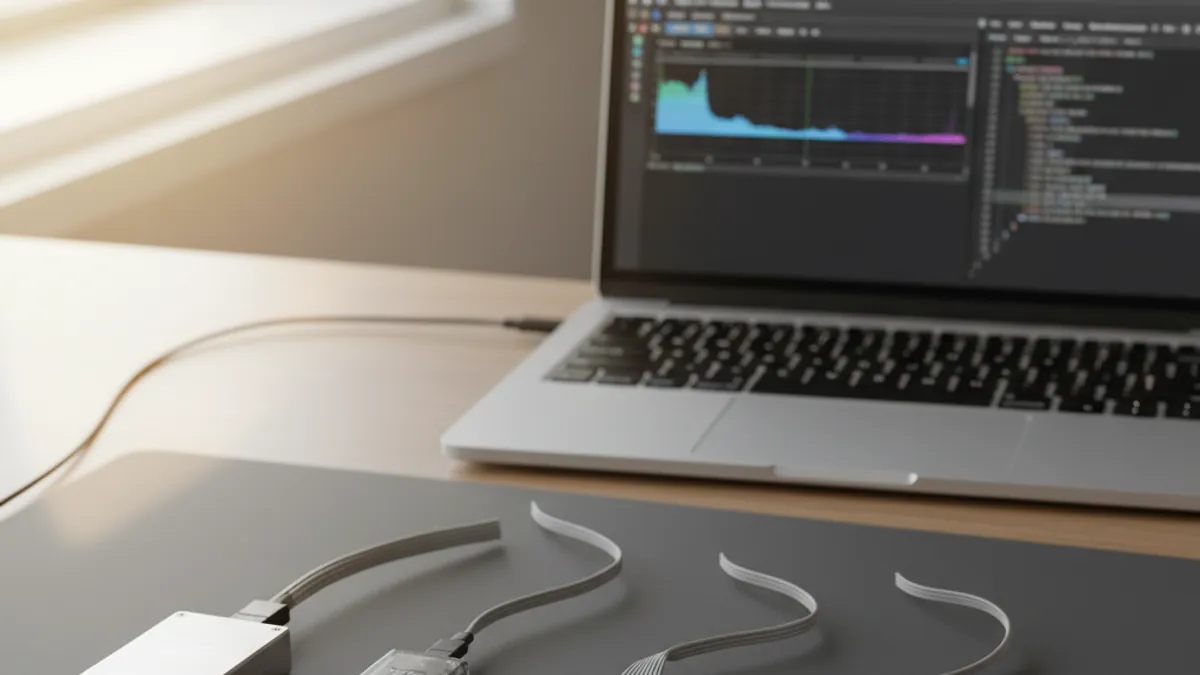
J-Link vs ST-Link vs CMSIS-DAP vs Black Magic Probe: Which Debugger Should an Indian Team Buy?
A neutral, fact-checked decision matrix for Indian embedded teams choosing a debug probe, J-Link vs ST-Link vs CMSIS-DAP vs Black Magic Probe, compared on device neutrality, toolchain support, flash speed, unlimited flash breakpoints, commercial-license clarity, and support in India.
MCC USB DAQ Selection Guide for Indian Labs: USB-1808X vs USB-1608G vs MCC 118
Choosing an MCC USB data acquisition device for an Indian lab comes down to three questions: do you need simultaneous sampling, how many channels, and Raspberry Pi or PC? This guide compares the MCC USB-1808X, USB-1608G Series, and MCC 118 DAQ HAT.
PicoScope 5000D vs 5000E: Native 16-Bit or FlexRes? A Buyer's Guide for Indian Labs
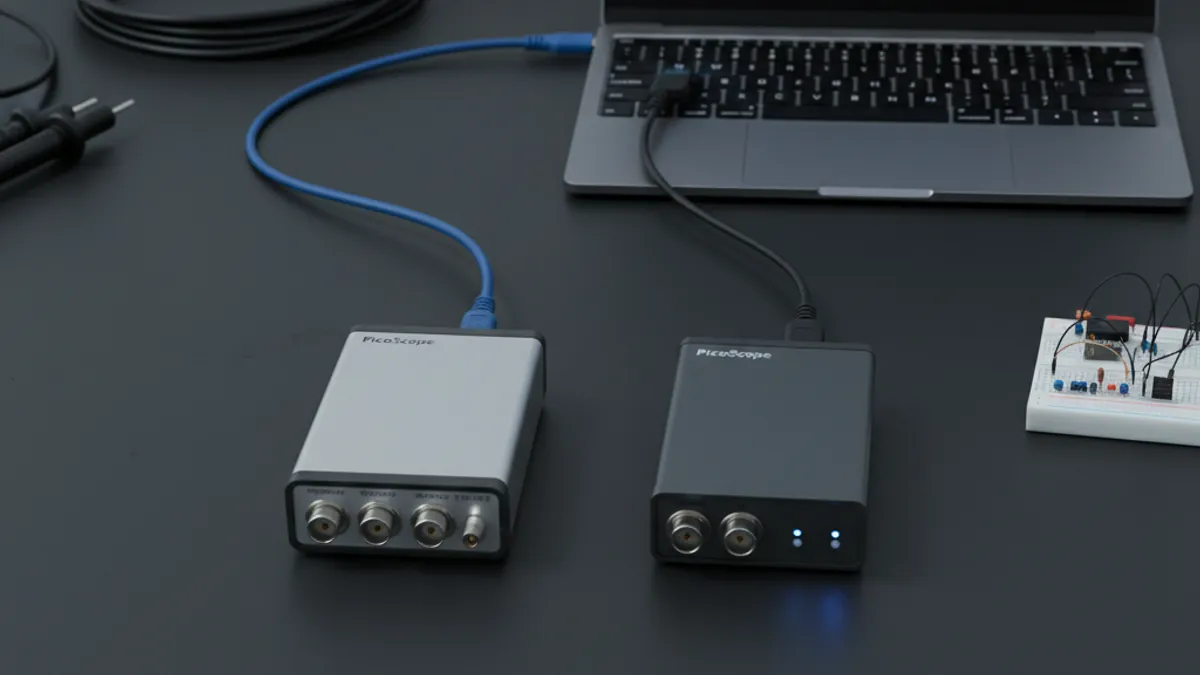
The established PicoScope 5000D FlexRes switches between 8-bit and 16-bit; the new PicoScope 5000E gives you native 16-bit always on. A verified, spec-by-spec buyer's guide for Indian labs choosing between them, with 5444D vs 5464E framing and India procurement notes from GSAS.
PicoScope 5000E in India: The World's First 4-Channel 16-Bit USB Oscilloscope, Explained
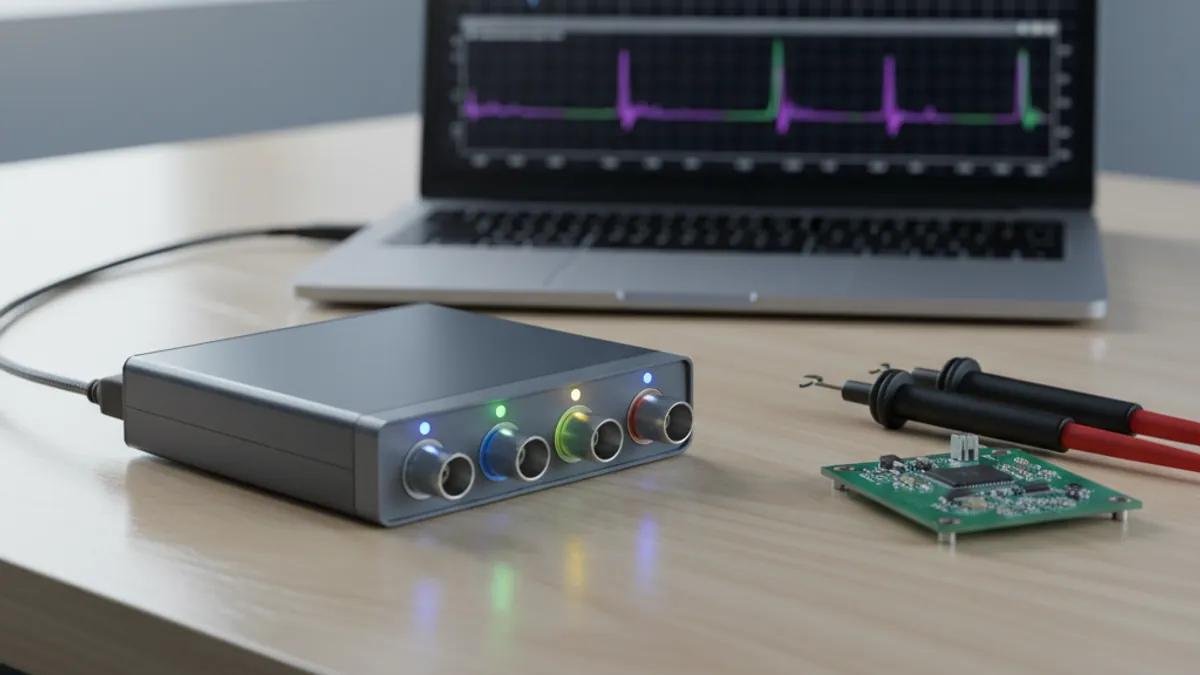
Pico Technology launched the PicoScope 5000E on 28 May 2026, the world's first 4-channel 16-bit USB oscilloscope. Verified specs, the 5462E/5463E/5464E and Plus models, and how to buy the 5000E in India through GSAS.
PicoScope 7 Goes Native Arm64: Apple Silicon, Snapdragon Windows and Arm Linux Test Benches in India
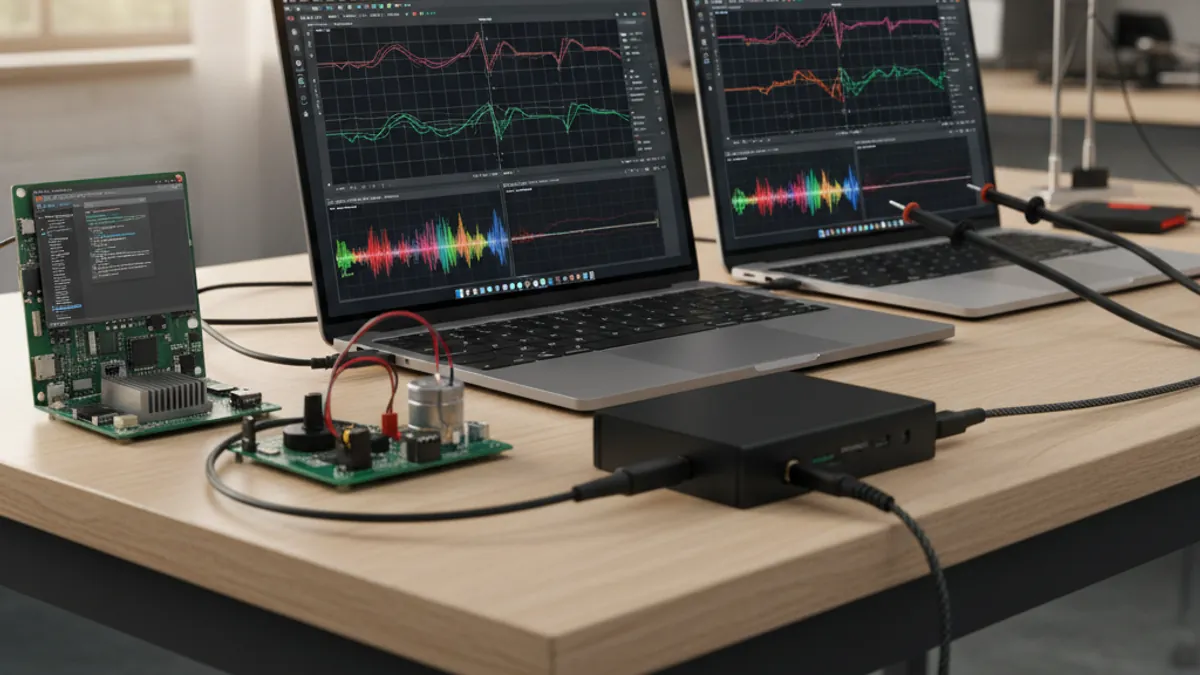
PicoScope 7.2.19 (28 April 2026) compiles natively for Arm64, running on Apple Silicon Macs, Snapdragon Windows laptops and Arm Linux with no Rosetta 2 or emulation layer. Here is what native Arm64 means for Indian T&M and embedded benches, plus the new Atan2 maths function for encoder and resolver angular position.
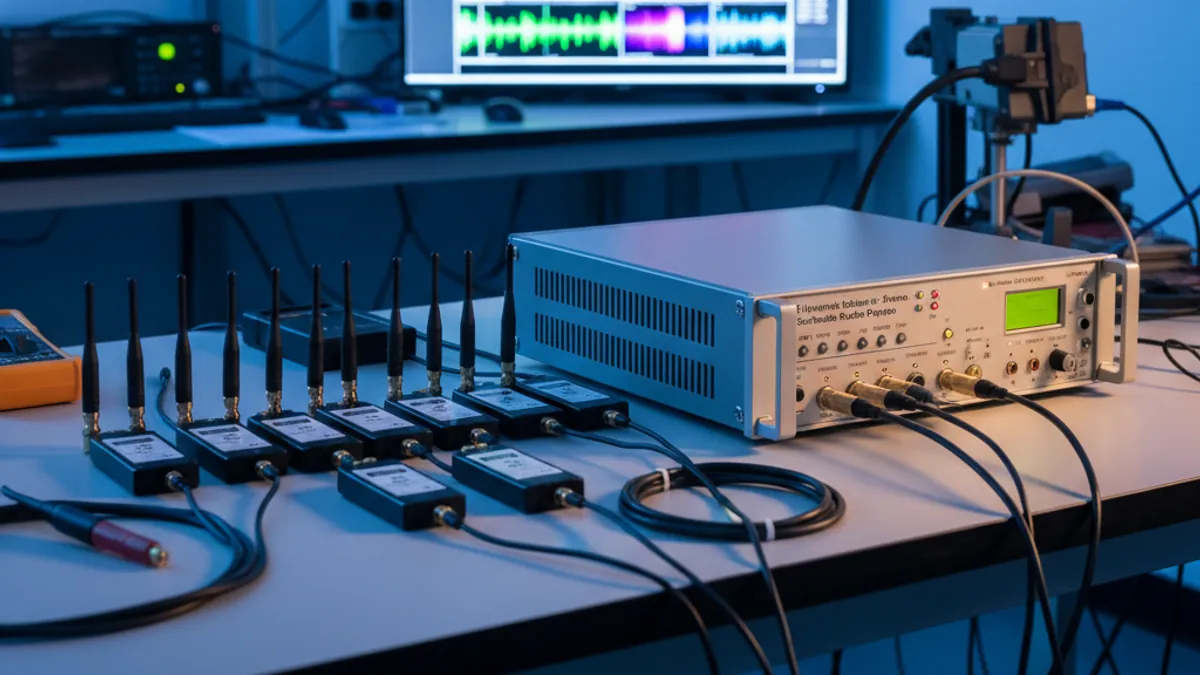
USRP SDR Selection Guide for India: B200mini, B205mini-i, B210, X310 and E320
Picking the right USRP software-defined radio for an Indian RF lab, telecom prototype, or embedded sensing node depends on channels, bandwidth, host link, and whether you need standalone operation. This guide compares the NI Ettus USRP B200mini, B205mini-i, B210, X310 and E320.
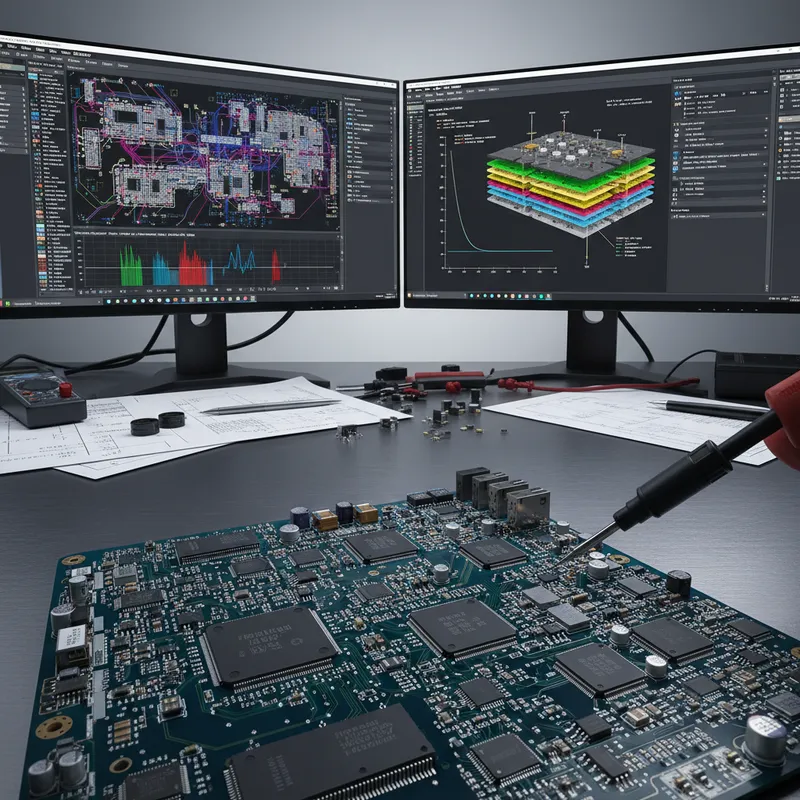
FADOS XI Frequency Scanning and VI Curve Tracing for PCB Diagnostics
A complete guide to VI curve tracing and the FADOS XI's 3D frequency scanning feature for PCB fault diagnosis, how to read VI curves, the equivalent circuit diagram, capacitor quality testing, and the dual-channel comparison workflow.
Questions about Test & Measurement?
Our application engineers help teams evaluate tools, plan validation, and scope pilots across India.