
Embedded Perspectives
Automotive Ethernet
45 articles tagged with Automotive Ethernet.
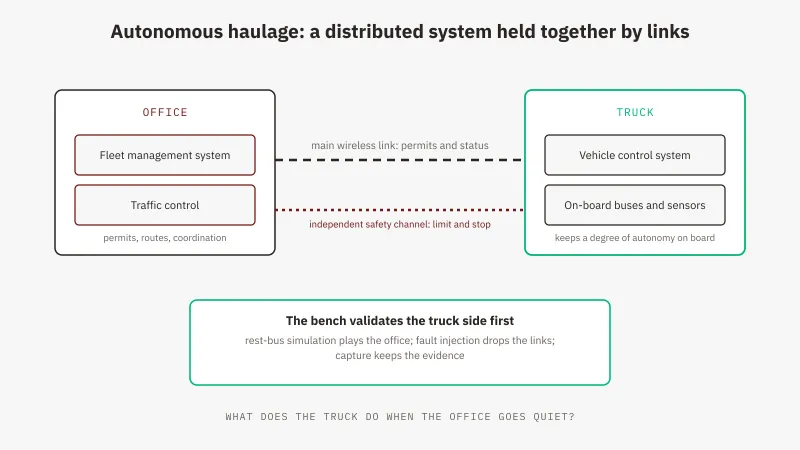
Autonomous Haulage Is a Network Problem Too
Autonomy coverage fixates on perception. The engineers who deployed an autonomous haulage system describe something else: office software, truck software, and a wireless link whose performance decides how much centralisation the design can afford.
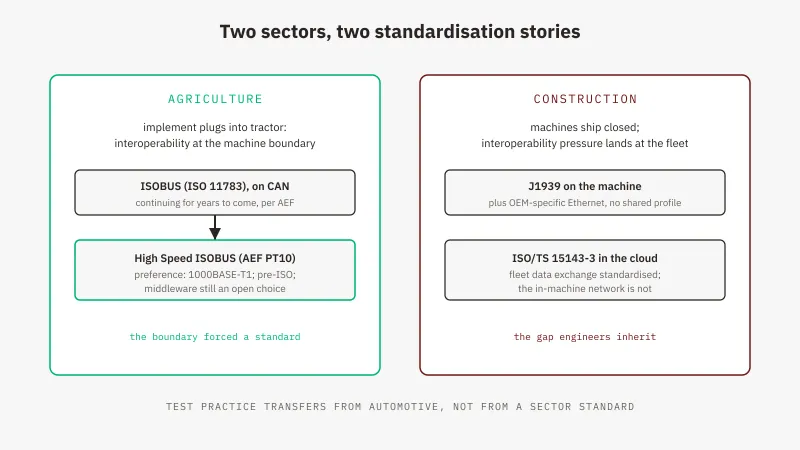
High Speed ISOBUS Prefers 1000BASE-T1. Now What?
Agriculture is converging on an Ethernet future, with one preferred physical layer, because an implement from one maker has to plug into a tractor from another. Construction never had that forcing function, and the standard it does not have is a working condition.
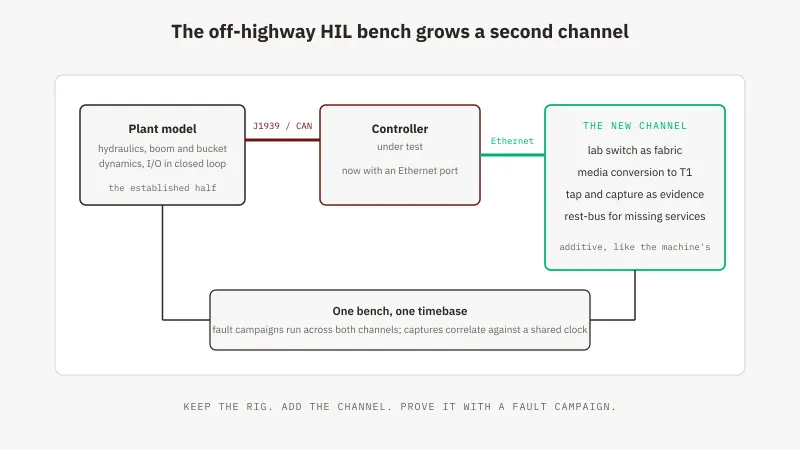
Add an Ethernet Channel to Your Off-Highway HIL Bench
Off-highway hardware-in-the-loop is established practice, built around hydraulics, implement dynamics and J1939. The machines have grown an Ethernet port. The bench upgrade is additive, and it is smaller than a rebuild.
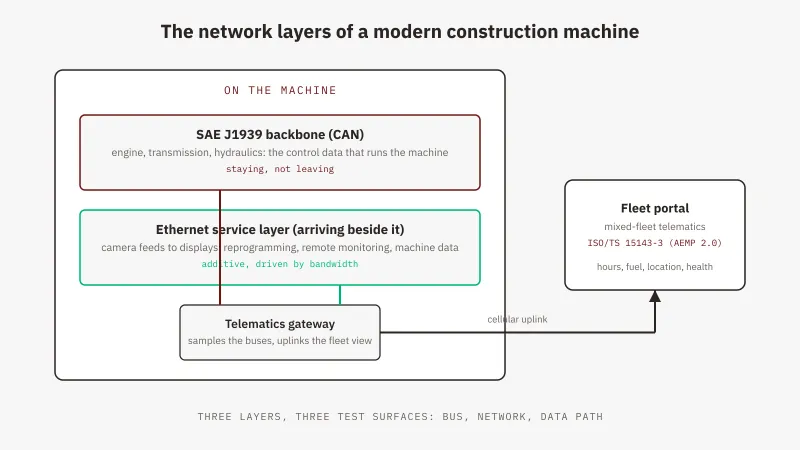
Vehicle Networks in Construction and Mining Equipment
India's machine builders are fighting the localisation battle in electronics, and electronics means a network: the J1939 backbone, the Ethernet arriving beside it, and the bench that has to see both.
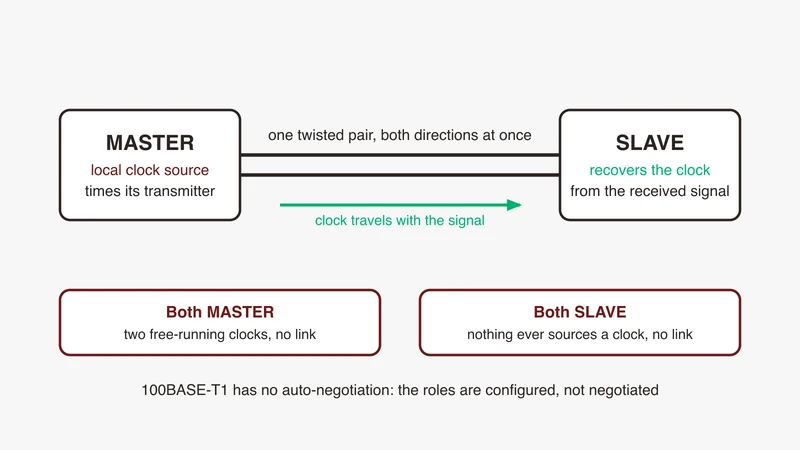
100BASE-T1 Link Won't Come Up: A Vendor-Neutral Checklist
A 100BASE-T1 link that will not come up is almost never a mystery, but the answers on the web are written per silicon vendor and do not transfer. This is the ordered bring-up checklist that holds regardless of which PHY, switch or SoC you have: physical layer first, then the PHY over MDIO, then the master and slave pairing, then the causes of a link that comes up and drops. The standards and tooling claims trace to IEEE 802.3 task force records, the Linux ethtool and kernel documentation or published test material. Written by the GSAS Micro Systems engineering team in India.
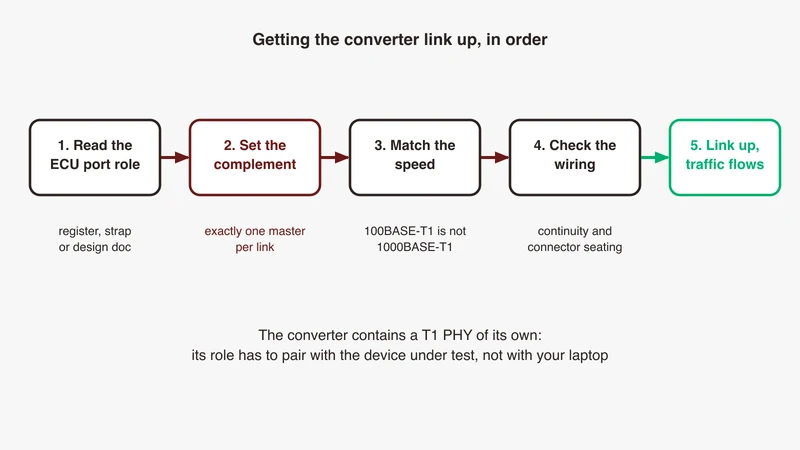
100BASE-T1 Media Converters: How to Choose One
Search for a 100BASE-T1 media converter and you get SKU pages that document their own DIP switches, plus a pile of copper-to-fibre converters that have nothing to do with single-pair automotive Ethernet. This is the selection guide neither publishes: what the box does at the PHY layer, when a converter is the wrong box, and the nine criteria that decide fitness, each written as a question to put to the supplier rather than a specification we invented. Standards claims trace to IEEE 802.3 task force records and the public OPEN Alliance specifications. Written by the GSAS Micro Systems engineering team in India.
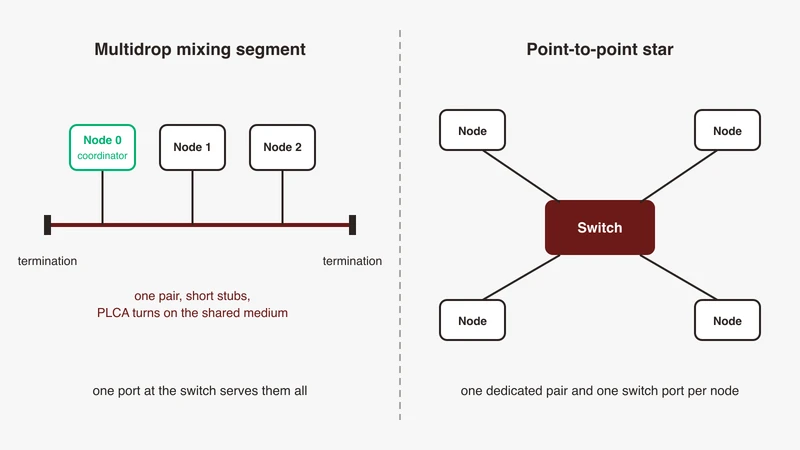
10BASE-T1S and PLCA: Multidrop Ethernet Explained
10BASE-T1S is the one member of the T1 single-pair Ethernet family that keeps a shared medium, and PLCA is the reconciliation sublayer that stops the nodes on it from colliding. This article covers what IEEE 802.3cg standardises, how the beacon and transmit opportunities schedule a cycle, the node count and segment length figures the OPEN Alliance interoperability test suite works to, and the failure modes that put a segment quietly back into contention while every link still looks up. Written by the GSAS Micro Systems engineering team in India for teams bringing up multidrop segments on the bench.
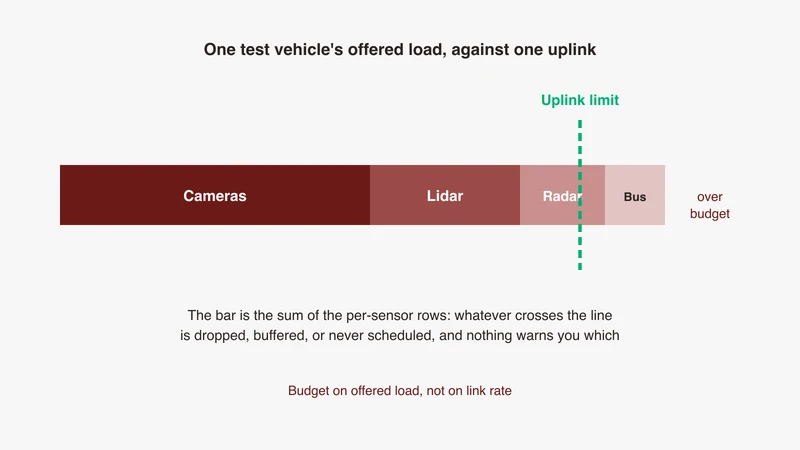
ADAS Sensor Data Logging: Bandwidth Budgets That Add Up
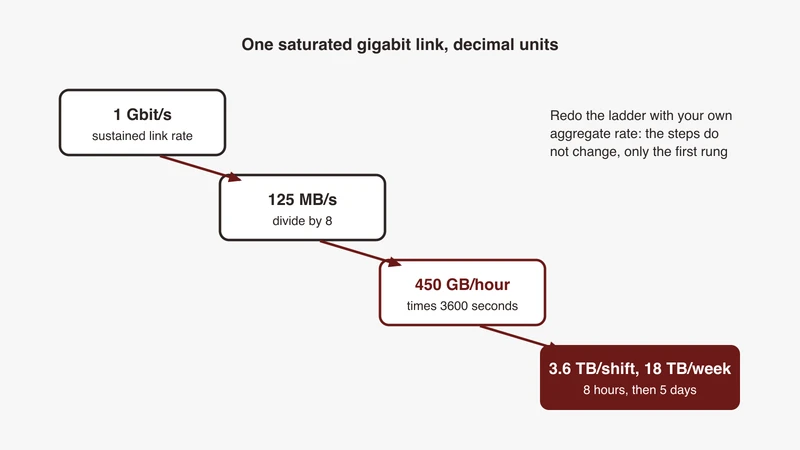
Every page that tells you an ADAS test vehicle produces terabytes a day states the headline and skips the arithmetic, so you cannot redo it for your own sensor set. This article publishes the arithmetic instead: one formula, every table row derived on the page, a worked eight-hour drive that chains those rows into a sustained write rate, a media count and an offload window, and the five places bandwidth budgets go wrong. Written by the GSAS Micro Systems engineering team in India.
Automotive Data Loggers: Capture Without Loss
Search for an automotive data logger and the results split into cheap OBD dongles at one end and enterprise ADAS recorders at the other, with nothing in between explaining the engineering that decides whether you lose frames. This is the loss budget end to end: mirror oversubscription upstream of the logger, encapsulation overhead on the capture path, sustained write rate against burst rate, rotation stalls, and storage arithmetic worked in full so you can redo it with your own numbers instead of trusting ours. Written by the GSAS Micro Systems engineering team in India.
Automotive Ethernet Connectors: H-MTD, MATEnet, MQS
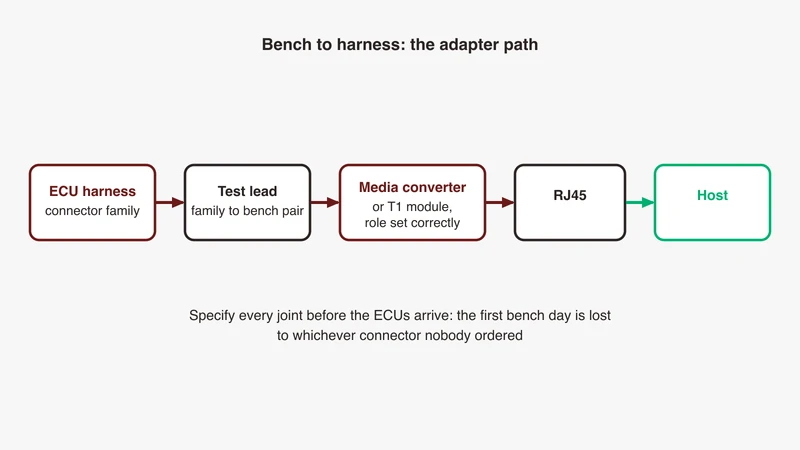
An ECU arrives on the bench with a connector nobody has a mate for, and the day is gone. Search the family names and you get connector product pages that describe their own part and stop there. This article puts the families side by side in one table using only what their public pages state, then makes the point those pages leave out: the IEEE link segment definition, not the connector, is what sets reach and loss limits, and shielding is a channel decision rather than a preference. Written by the GSAS Micro Systems engineering team in India.
Automotive Ethernet Conformance: TC8 and Testing Above It
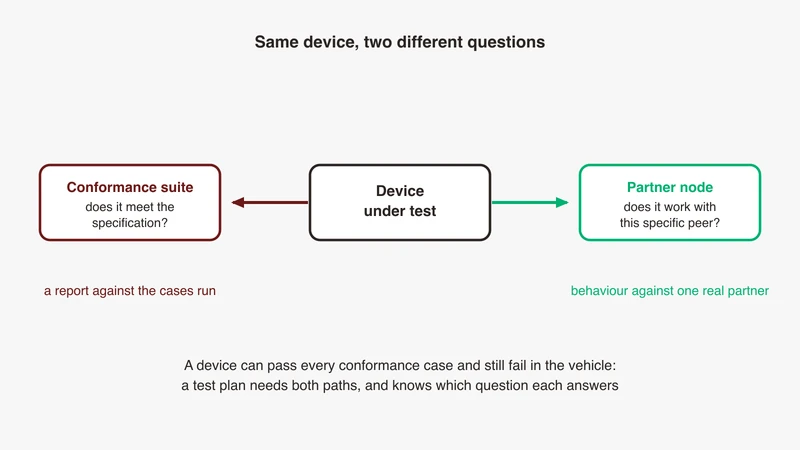
Summarising TC8 as a layer 1 to layer 4 suite is wrong in both directions. The public OPEN Alliance ECU test documents run from transmitter distortion up to a SOME/IP chapter with its own standardised test stub, and they contain exactly one time synchronisation test case. This is what those documents enumerate, chapter by chapter, what genuinely lives above their boundary, why a passing ECU can still fail against a partner node, and how much pre-compliance work a Tier-1 in India can honestly do in-house before a test house visit. Written by the GSAS Micro Systems engineering team in India.
How to Choose an Automotive Ethernet Switch for the Lab
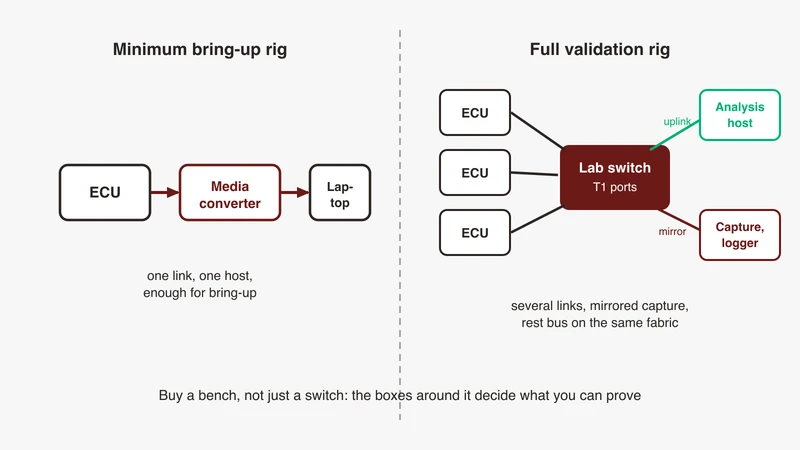
Search for an automotive Ethernet switch and you get silicon selection tables written for the engineer choosing a die for a zonal controller. The person searching from a validation lab wants a boxed switch that reproduces a vehicle network on a bench, and finds nothing addressed to them. This is that guide: how to separate the two products, how to count the ports you actually need, and an eight-row scoring matrix written as questions to put to a supplier rather than specifications we invented. Standards and documentation claims trace to IEEE 802.1 and 802.3, ASAM, AUTOSAR, the IETF and public Linux and Wireshark documentation. Written by the GSAS Micro Systems engineering team in India.
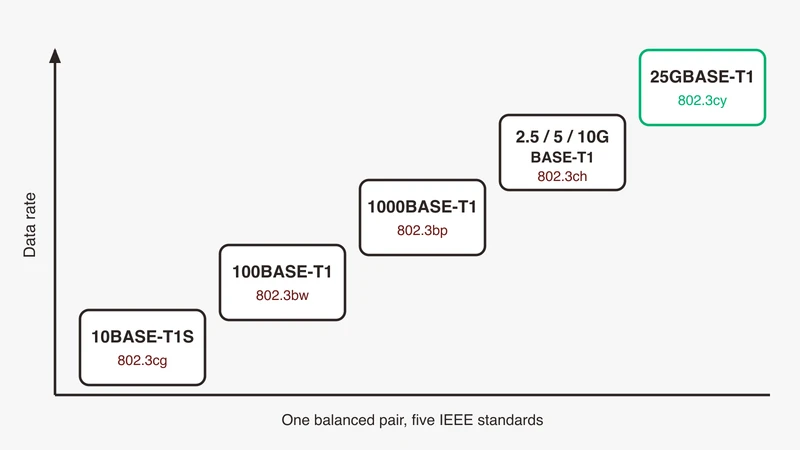
The T1 Family Explained: 10BASE-T1S to Multi-Gig 802.3ch
The T1 family is the set of single-pair Ethernet physical layers used in vehicles, and every member is documented separately inside a different datasheet. This guide puts all of them in one table with rate, symbol rate, line code, specified reach and cabling traced to public IEEE task force documents, then answers the two questions that keep coming back: why 100BASE-T1 has no auto-negotiation, and why one end has to be master. Written by the GSAS Micro Systems engineering team in India.
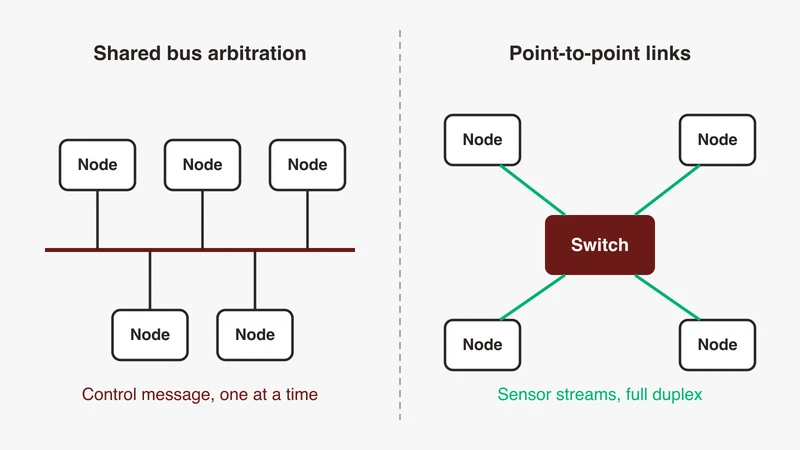
CAN vs Automotive Ethernet: When to Use Each
CAN and automotive Ethernet answer different questions, so the useful comparison is a decision table rather than a winner. This guide from GSAS Micro Systems sets CAN and CAN FD figures from CAN in Automation next to the IEEE 802.3bw objectives for 100BASE-T1, covers arbitration against switch queues, cost and harness consequences, failure modes on both sides, and what changes on an India bench team's setup when a project adds Ethernet next to the CAN it already runs.
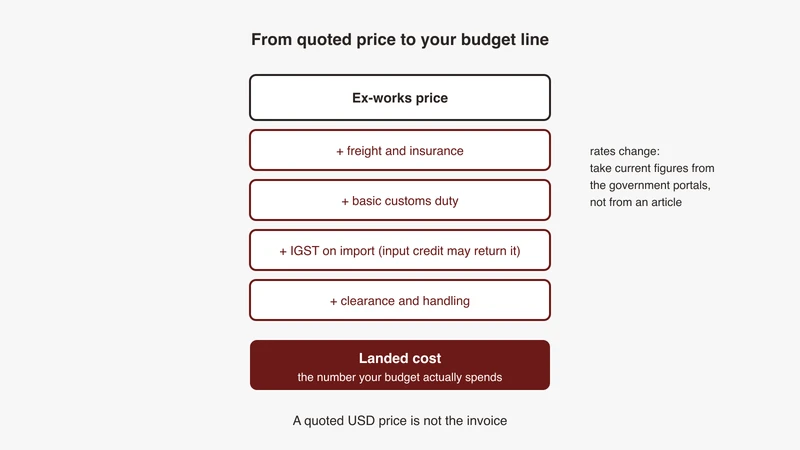
Buying Automotive Ethernet Test Gear in India
Search for a 100BASE-T1 tap or a T1 to RJ45 media converter from India and the results are fibre media converters and LAN cable testers, none of which are T1, and no forum thread that has been through the purchase. This is the missing page: the capability table for a first bench with a defer-or-borrow column, an honest account of what is stocked here versus imported to order, the parts that make up a landed cost as a structure rather than a number, and the compliance portals your teams will actually use. No prices, no duty rates and no lead-time bands, because all three change and none of them belong in an article. Written by the GSAS Micro Systems engineering team in India.
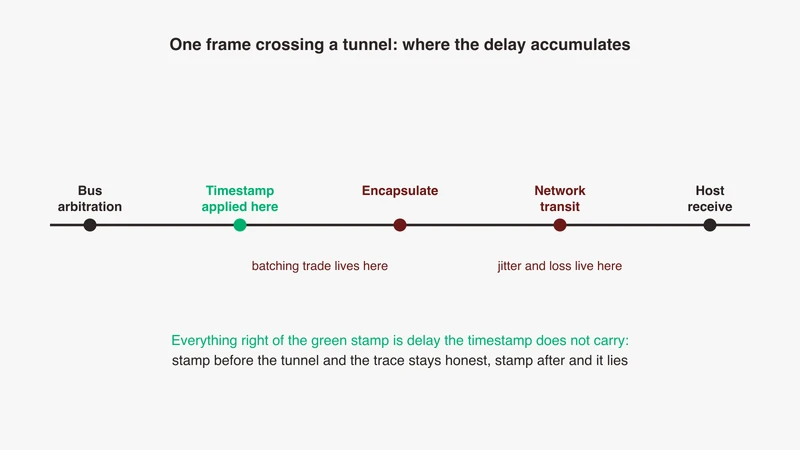
CAN-to-Ethernet Gateways and Tunnelling Legacy Buses
One word, two jobs. A CAN-to-Ethernet gateway either carries a frame across an IP network unchanged, for loggers and remote benches, or stops the frame and re-expresses its signals as service calls. The two have different failure modes, different timing costs and different questions to ask a supplier. This article separates the jobs, states what open documentation actually shows about encapsulation and configuration, and gives a checklist you can put to a vendor. Written by the GSAS Micro Systems engineering team in India.
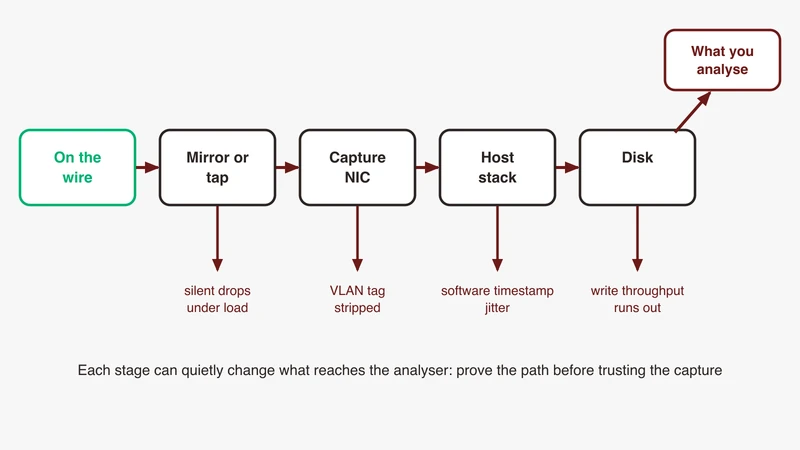
Capturing Automotive Ethernet: Tap vs Mirror vs Converter
Search for how to capture in-vehicle Ethernet and you get product pages that assume you already chose the method, plus an IT tap-versus-mirror debate that never touches a vehicle. This is the method: how to pick between a media converter, a mirror port, an active tap and a capture module, and the four ways a capture goes quietly wrong instead of obviously broken. Every claim traces to the Wireshark documentation and wiki, a public Wireshark Q and A thread, an adapter vendor's support article or a published whitepaper, written by the GSAS Micro Systems engineering team in India.
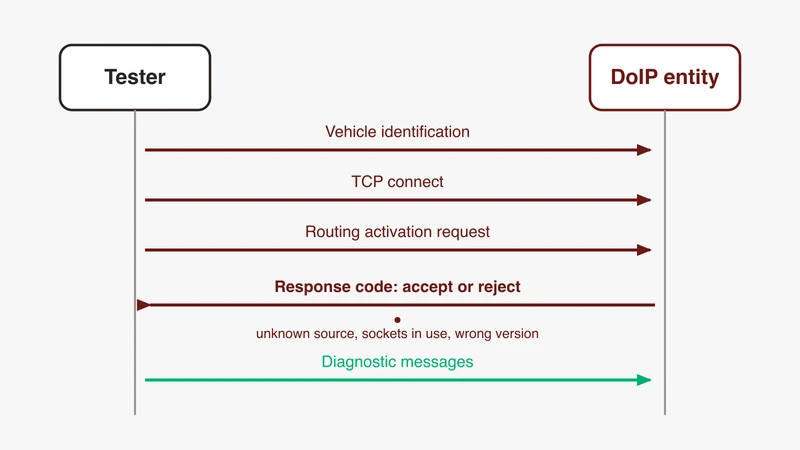
DoIP Routing Activation Failures: The Response Code Table
A DoIP routing activation denial is one byte, and that byte names the cause exactly. This article puts every published response code in one table, cross-checked across the AUTOSAR Classic Platform DoIP specification, the Wireshark dissector and two open-source client libraries, then gives the order a DoIP entity applies its checks so you can read a denial backwards to the configuration value that produced it. Written by the GSAS Micro Systems engineering team in India for diagnostics and validation benches in Bengaluru, Pune, Chennai and Hyderabad.
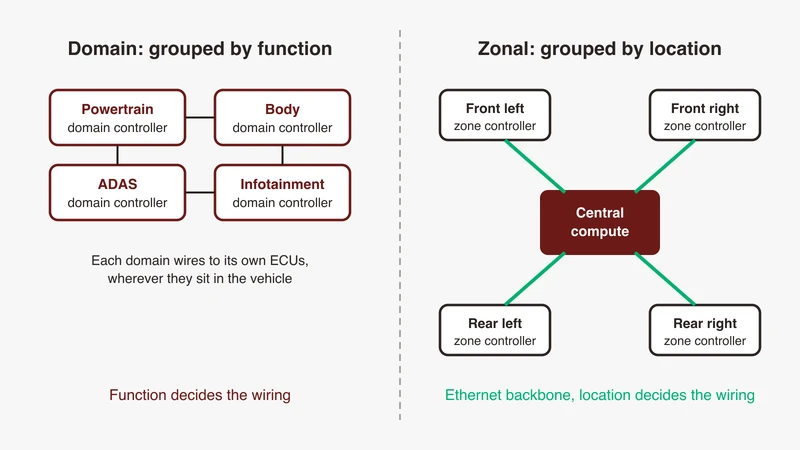
Domain vs Zonal E/E Architectures Explained
Domain architectures group ECUs by function, zonal architectures group them by where they sit in the vehicle. This guide is the engineer's read on the difference: what physically moves, what the in-vehicle network has to become, and what happens to diagnostics, rest bus simulation and time sync. It also refuses to repeat the harness mass and ECU-count figures that circulate without a public source, and says exactly which claims are citable and which are not. Written by the GSAS Micro Systems engineering team in India.
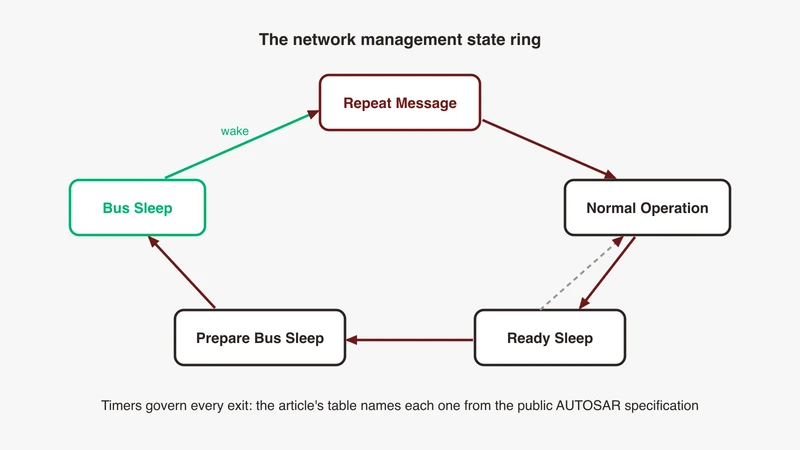
ECU Testing over Ethernet: Startup, Shutdown and Wake
A bench that powers the ECU, waits for it to settle and then starts capturing has already skipped three of the four phases where integration defects live. This is the lifecycle version of ECU testing over Ethernet: what a ping does not prove, the AUTOSAR network management state set and the timers that govern it read out of the public specifications, why one node holds a whole cluster awake, and a phase-by-phase table of stimulus, observable, pass criterion and capture method you can write test cases from this week. Written by the GSAS Micro Systems engineering team in India.
Fault Injection in HIL: Open Load, Shorts, Malformed Frames
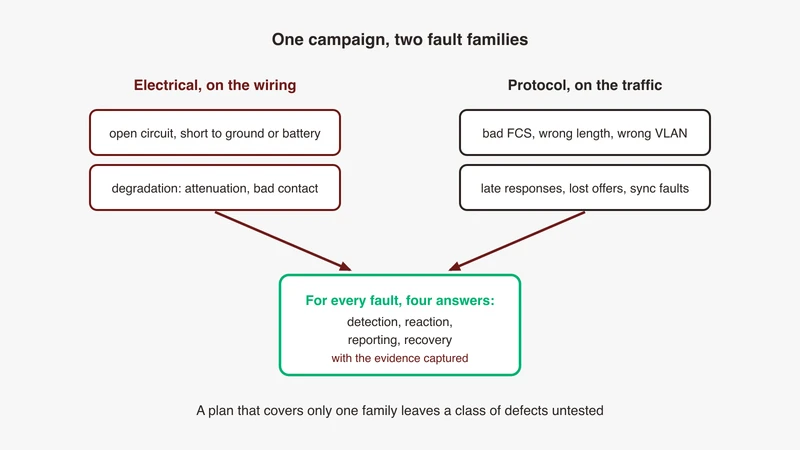
Fault injection material splits in two. Switching-hardware pages describe relay matrices and open-load wiring; software-testing posts describe malformed input. A vehicle network fails across both at once, because an intermittent short changes link quality and the stack above then behaves badly. This article puts electrical and protocol faults into one campaign, writes the observable and the expected reaction down per fault, and treats the fault insertion hardware itself as a signal-integrity risk you have to characterise before you trust a result. Written by the GSAS Micro Systems engineering team in India.
gPTP Troubleshooting: ptp4l, phc2sys and Sync Failures
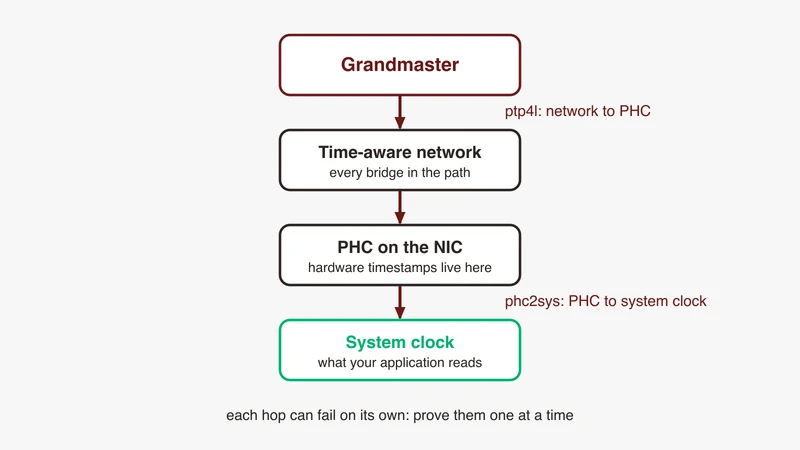
Most gPTP guides on the web are written for data centre PTP over UDP, and they leave out the three things that break an in-vehicle 802.1AS domain on Linux: layer 2 transport with peer delay, the transportSpecific field that phc2sys has to match, and the TAI to UTC offset that nothing sets for you. This is the automotive version, with the linuxptp config lines, the log lines that tell you where you are, and a symptom to cause table. Written by the GSAS Micro Systems engineering team in India.
Multi-Bus Capture: CAN, LIN, FlexRay, Ethernet
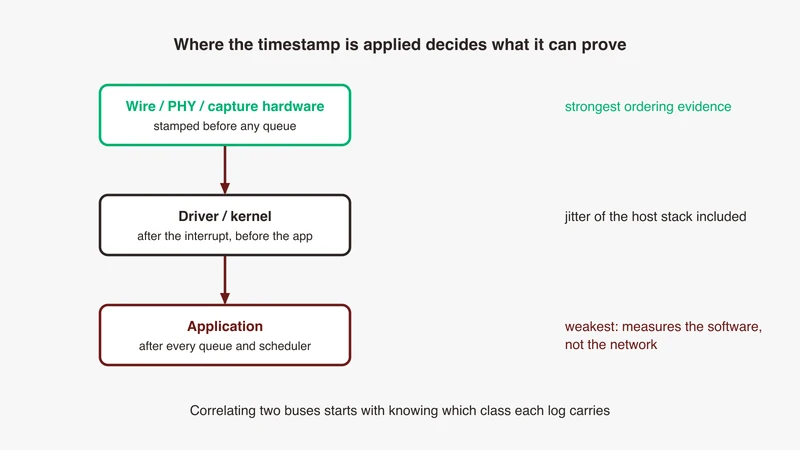
Two tools, two clocks, two logs that will not lie on top of each other, so the engineer eyeballs the order of events and guesses. Search for the fix and you get product pages asserting their own synchronisation, or forum answers that stop at use one tool for everything. This is the mechanism instead: the three classes of timestamp and what each one can prove, how a common time base is actually built across buses that do not share one, the gateway blame problem worked end to end, and a numbered correlation workflow you can repeat. Written by the GSAS Micro Systems engineering team in India.
Network Configuration as Code for Vehicle Networks
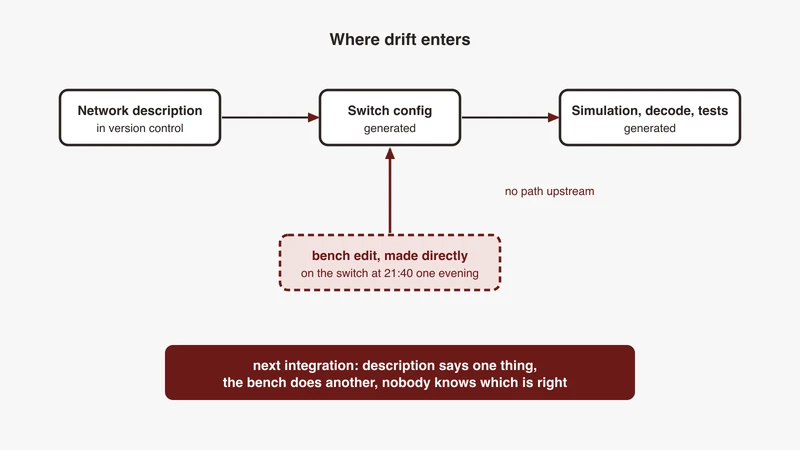
A vehicle network programme can end up holding the same network in five incompatible places: an AUTOSAR ARXML description, a FIBEX export, a switch configuration typed at a bench, a simulation project and a folder of test scripts. Nothing enforces agreement between them, so the bench quietly becomes the source of truth and integration week finds out. This article covers the format landscape as the standards bodies describe it, what a generated pipeline produces downstream, the validation gates worth adding, and an honest account of what configuration as code does not fix. Written by the GSAS Micro Systems engineering team in India.
Rest Bus Simulation for Ethernet-Based Vehicles
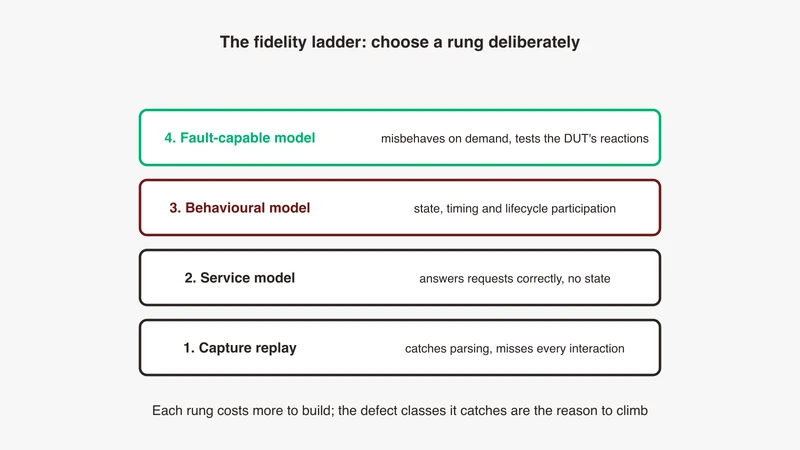
Rest bus simulation often arrives in an Indian engineering team as a line in a customer requirement document, defined for CAN and left undefined for Ethernet. The difference matters: on a service-oriented network you are simulating discovery, endpoints and multicast membership, not replaying cyclic frames, and a simulator that answers correctly and instantly can hide the timeout handling you were supposed to be testing. This article sets out the fidelity ladder, the inputs you need before you build one, and where an Ethernet rest bus stops representing the vehicle. Written by the GSAS Micro Systems engineering team in India.
Test Automation for SDV: ASAM XIL, Virtual ECUs, CI for HIL
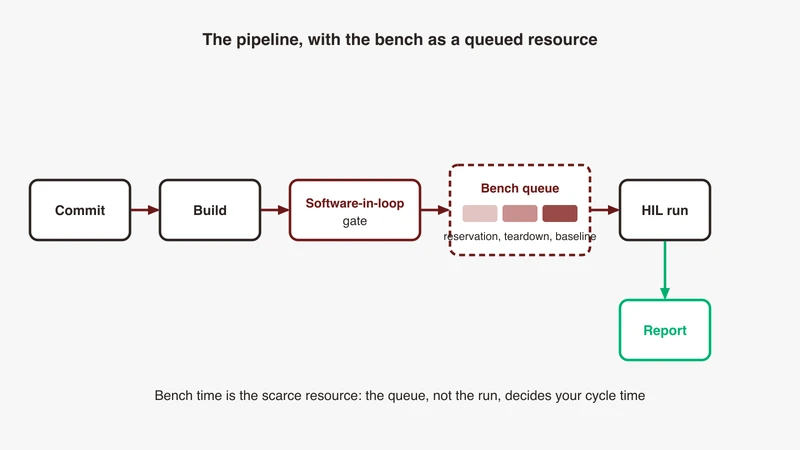
Every software-defined vehicle programme in India eventually asks the same question: why does a test case written for a laptop have to be rewritten for the virtual ECU and rewritten again for the bench? The two public anchors that answer it are the ASAM XIL API and the FMI packaged model format: FMI is a free standard, and ASAM publishes enough of XIL's structure openly that you can specify against it before anyone buys the document. This article walks the shift-left ladder honestly, including the four things that cannot move left, and treats the hardware-in-the-loop bench as a queued shared resource inside continuous integration rather than a desk someone books. Written by the GSAS Micro Systems engineering team in India.
SecOC vs MACsec vs TLS: Automotive Security Layers
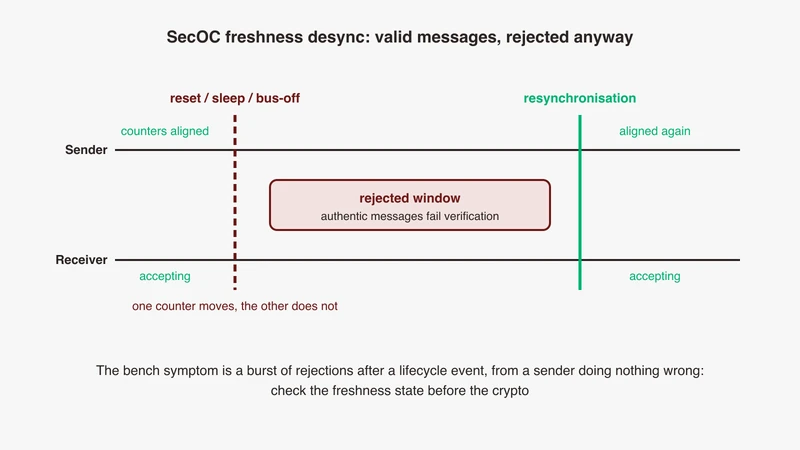
SecOC, MACsec and TLS get compared as if a programme picks one. They are three different scopes, and most vehicles carry more than one. This article separates them in a single table by scope, unit protected, key source and what a capture still shows, then covers the two things almost nobody writes down: what each layer does to your ability to debug, and why an ECU can reject a message whose authenticator is perfectly valid after a reset. Protocol claims trace to the public AUTOSAR SecOC protocol specification, IEEE 802.1, the Wireshark dissector sources and Linux networking documentation. Written by the GSAS Micro Systems engineering team in India.
SerDes Camera Links: GMSL, FPD-Link, ASA-ML and A-PHY
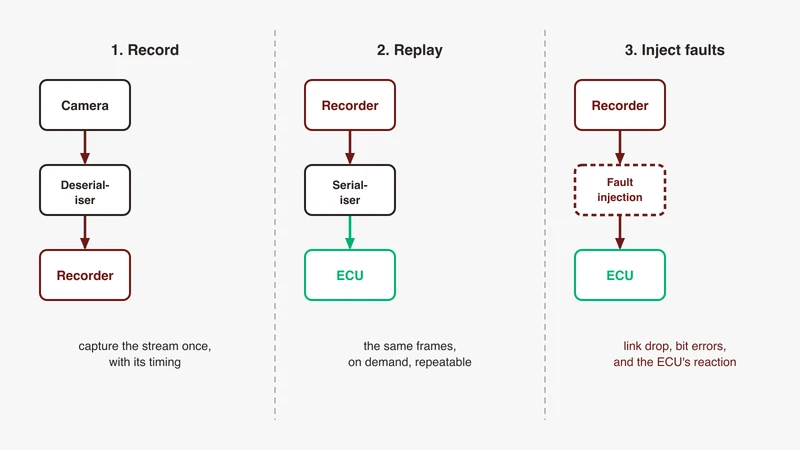
Four families carry automotive camera video, and only two of them have public documentation written for buyers. GMSL and FPD-Link are silicon-vendor interface families documented for board designers; ASA-ML and MIPI A-PHY are open specifications with published rate and reach figures and almost no practical buyer-facing writing. This page puts all four side by side with every rate class traced to the page it came from, then covers the part nobody writes: how you record, replay and inject a camera stream on a bench, and why none of it shows up in Wireshark. Written by the GSAS Micro Systems engineering team in India.
SOME/IP Service Not Available: Debugging Service Discovery
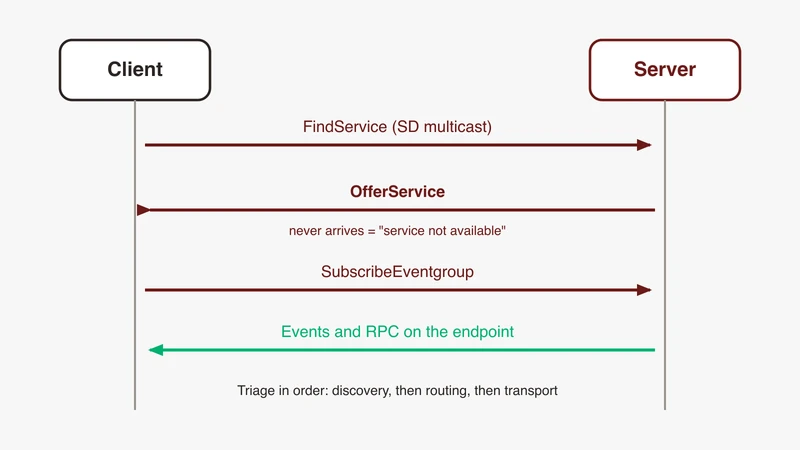
The same SOME/IP failure has been filed and refiled on the COVESA vsomeip tracker and each thread solves one instance in isolation, so there is no single writeup to read. This is that writeup: the split between discovery, routing and transport, the test that tells you which one you are in, and the configurations that produce an identical client message, including the one where the routing manager decides your service is internal and never offers it on the wire. Every option name is checked against the vsomeip repository and every protocol claim against the AUTOSAR SOME/IP-SD specification. Written by the GSAS Micro Systems engineering team in India.
TC10 Sleep and Wake-Up: How It Works and Why It Fails
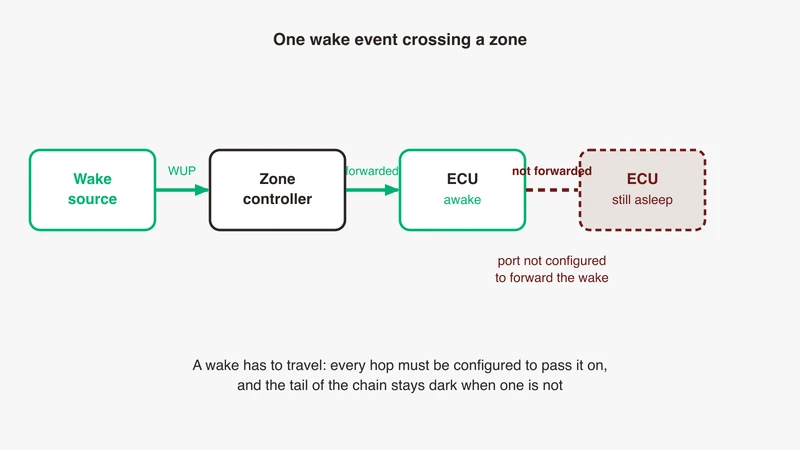
Search for TC10 and you get the specification PDFs plus forum threads where one engineer cannot get a PHY into sleep at all and another is asking whether a wake can even cross from standard Ethernet onto a single pair. This is the plain-language version: the sleep handshake state by state, every timer with the clause it comes from, how a wake travels across a zone, and the seven reasons it fails on a real vehicle. Every state name and number here was read out of the public OPEN Alliance sleep and wake-up specifications, written by the GSAS Micro Systems engineering team in India.
TECMP and ASAM CMP: Capture Encapsulation Explained
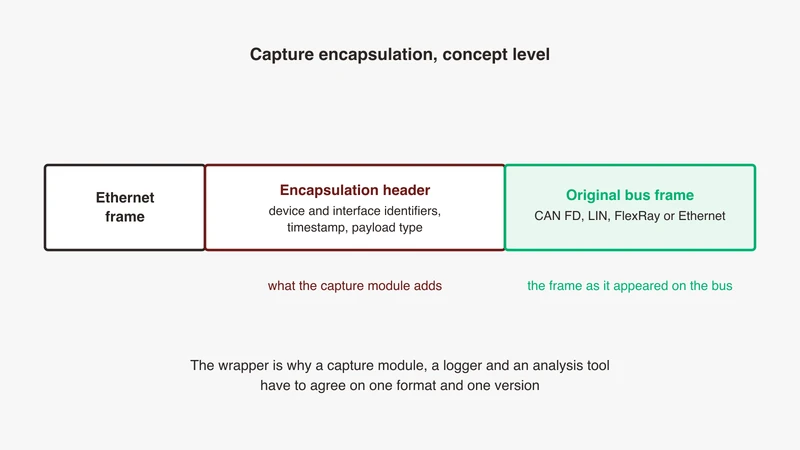
Search for either of these two capture encapsulation formats and you get a Wireshark display filter reference listing hundreds of fields, or a one-paragraph standards landing page. Neither explains why an encapsulation layer exists, what changes when a programme moves from the vendor-originated format to the standardised one, or how to prove the decode works before the capture hardware purchase order goes out. This is that page: the wrapper explained in buyer language, a comparison whose every cell traces to a public source, the Wireshark path that proves it, and five questions to put to a supplier. Written by the GSAS Micro Systems engineering team in India.
UDS 0x78 Response Pending and P2 Timeouts Explained
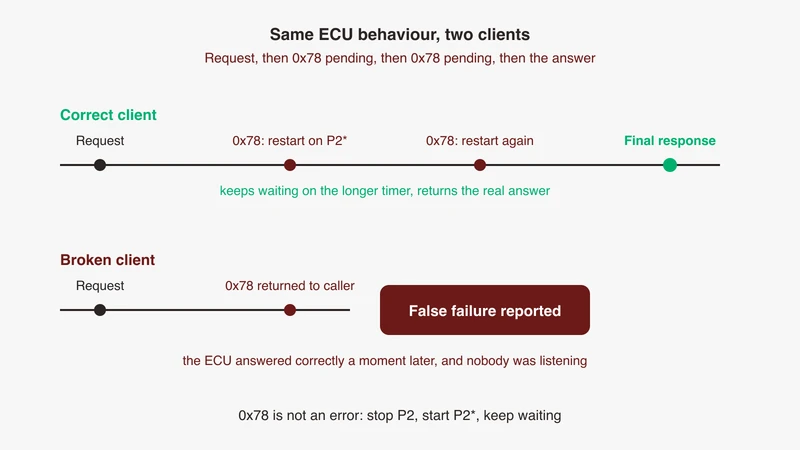
Most of what ranks for 0x78 is a library bug thread that fixes one client and stops. This is the protocol-level version: what the two timers are, what the client is obliged to do when a pending response arrives, and the four ways real clients get it wrong, each with the log line that identifies it. The timer values come from the ECU's own session control response and from public library and AUTOSAR sources, never from the paywalled standard. Written by the GSAS Micro Systems engineering team in India.
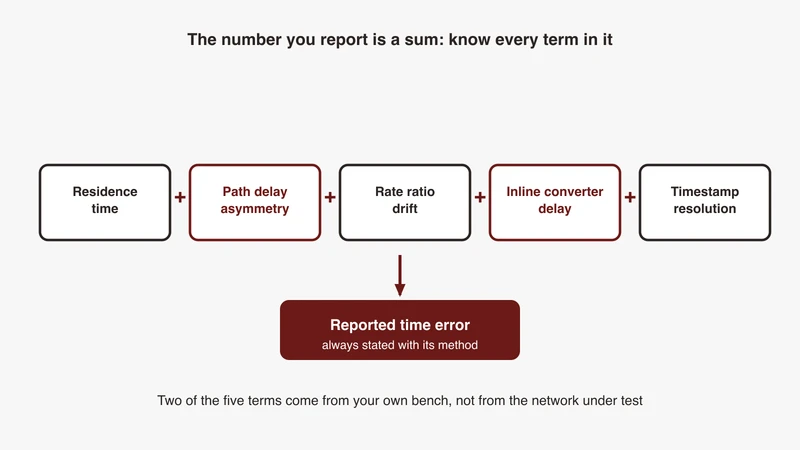
Validating Time Sync: How to Prove 802.1AS Actually Works
A test report that says gPTP locked proves nothing. Locked is a servo state; what an auditor wants is a bounded time error, measured against a reference, over a stated window, and repeated while the grandmaster disappears and the network is loaded. Avnu published a recovered clock quality methodology that defines exactly those terms and almost nobody translates it into a bench procedure. This article does: what the quantities are, how to measure them at the pin and in software, what the software number cannot see, and how to write the report. Written by the GSAS Micro Systems engineering team in India.
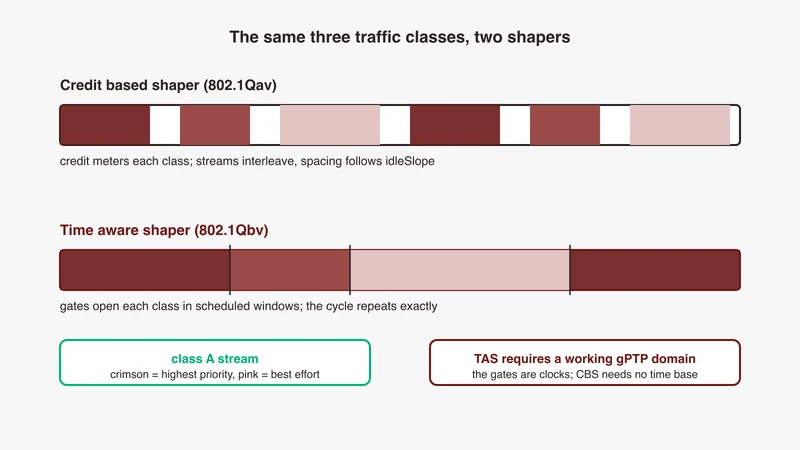
VLANs and QoS in Vehicles: 802.1Q Design Practice
Search for VLAN and QoS design and you get campus networking: trunk ports, voice VLANs and switch configuration guides for a building. None of it answers what a vehicle network architect is deciding, which is how many VLANs, mapped to what, and which shaper sits behind which priority. This article gives the automotive framing: VLAN per domain against VLAN per service class, the priority to traffic class mapping document you owe your programme, an explicit rule for choosing between the credit based and time aware shapers, and the ingress filtering failure that costs a bench a day. Written by the GSAS Micro Systems engineering team in India.
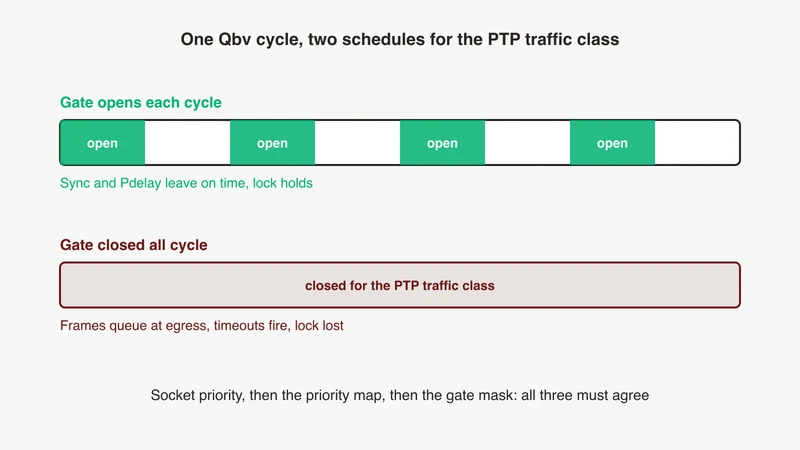
When Qbv Breaks PTP: TSN Scheduling and Time Sync Conflicts
A time aware schedule and a time sync domain fight over the same egress path, and the schedule wins. One mechanism behind ptp4l going quiet the moment a taprio qdisc is installed: socket priority, the priority to traffic class map and the gate mask are three separate mappings that have to agree, and nothing warns you when they do not. Triage order, three distinct fix paths, and what the public reports actually show. Written by the GSAS Micro Systems engineering team in India.
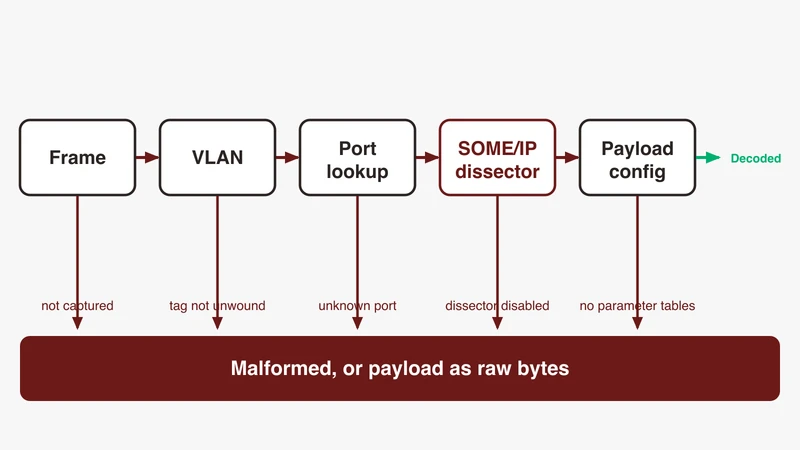
Wireshark Not Decoding SOME/IP? The Complete Fix List
SOME/IP shows up as Malformed DNS, or as plain UDP, and the capture looks broken. The Wireshark SOME/IP dissector ships with an empty port range and its heuristics off by default, so the frames arrive and nothing claims them. This is the ordered fix list, checked against the dissector source, the Wireshark user guide and the AUTOSAR specifications, written by the GSAS engineering team in India for benches in Bengaluru, Pune, Chennai and Hyderabad.
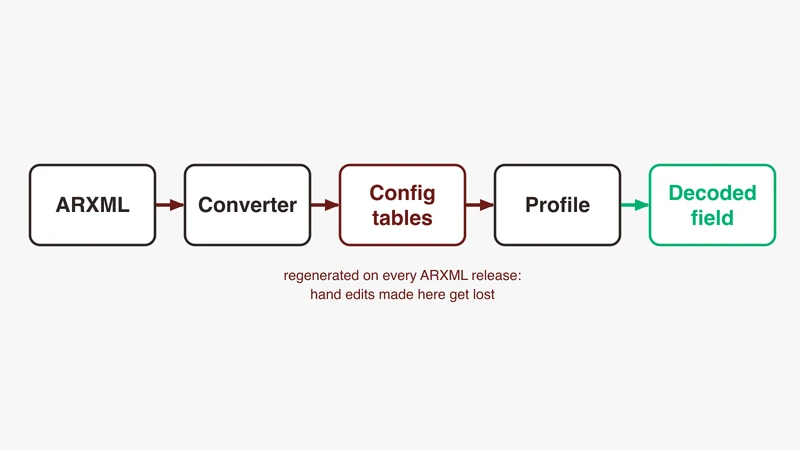
Decoding SOME/IP Payloads in Wireshark from ARXML
Wireshark reads SOME/IP headers off the wire, but payload fields only appear once you load parameter definitions into its configuration tables. This walkthrough covers what those thirteen tables hold, how the open FibexConverter project generates them, why the ARXML your project owns is not the input the tool takes, and how to verify a decode instead of trusting it. Written by the GSAS engineering team in India for bench and validation teams working on service oriented communication.
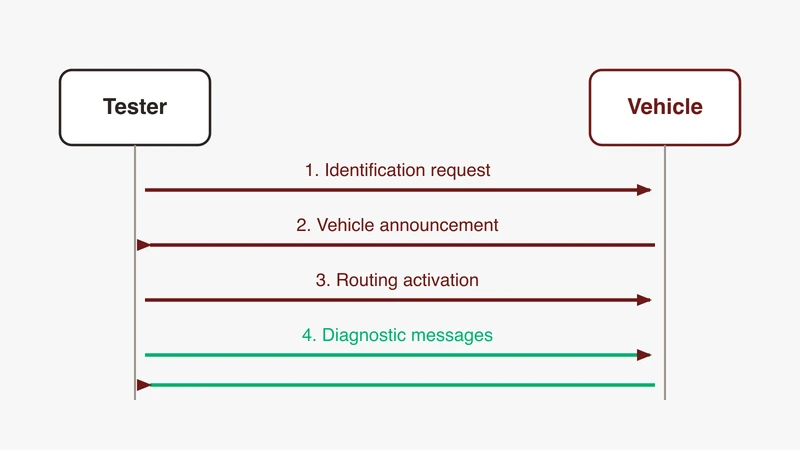
DoIP Explained: ISO 13400 Diagnostics Over IP, Step by Step
DoIP carries UDS diagnostics over automotive Ethernet, and a session is three exchanges in a fixed order: discovery, routing activation, then diagnostic messages. This walkthrough follows each phase on the wire, using open-source clients and the Wireshark dissector as public references. GSAS Engineering supports India-based diagnostics, HIL and validation teams on bench bring-up in IST hours.
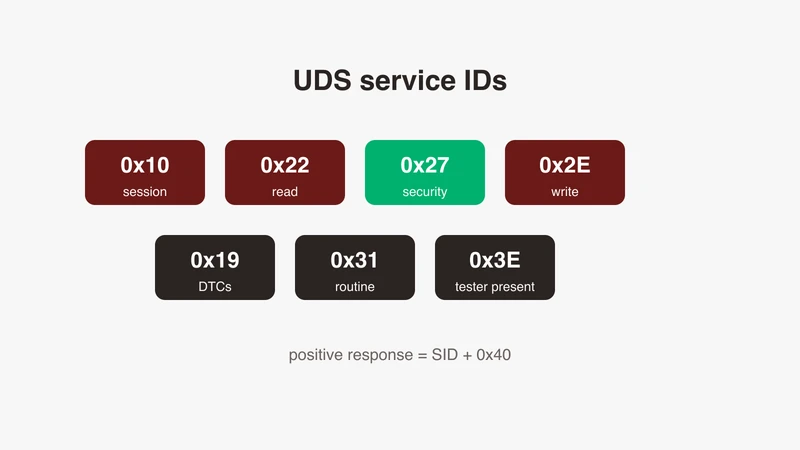
UDS services list: what every service ID does
One canonical table of UDS service IDs, every row checked against the public udsoncan reference documentation, with what the service does and the session it usually needs. Then byte level detail on the five you will actually type: 0x27, 0x22, 0x2E, 0x19 and 0x31. Written by the GSAS engineering team for engineers working with a diagnostic trace open.
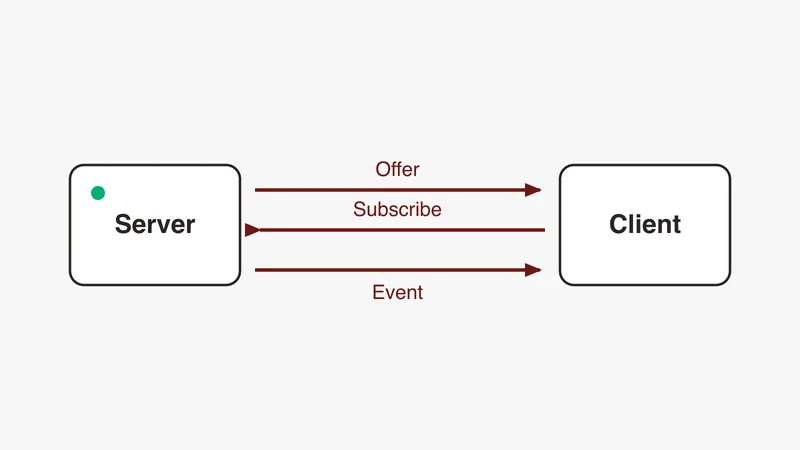
SOME/IP explained: message format, service discovery and how to decode it
A field guide to SOME/IP for engineers with a capture open: the 16 byte header read offset by offset from the AUTOSAR PRS, the service discovery exchange as it happens on the wire, and why Wireshark decodes nothing until you tell it which UDP port to look at. Written by the GSAS engineering team in India for teams bringing up service oriented communication on a bench.
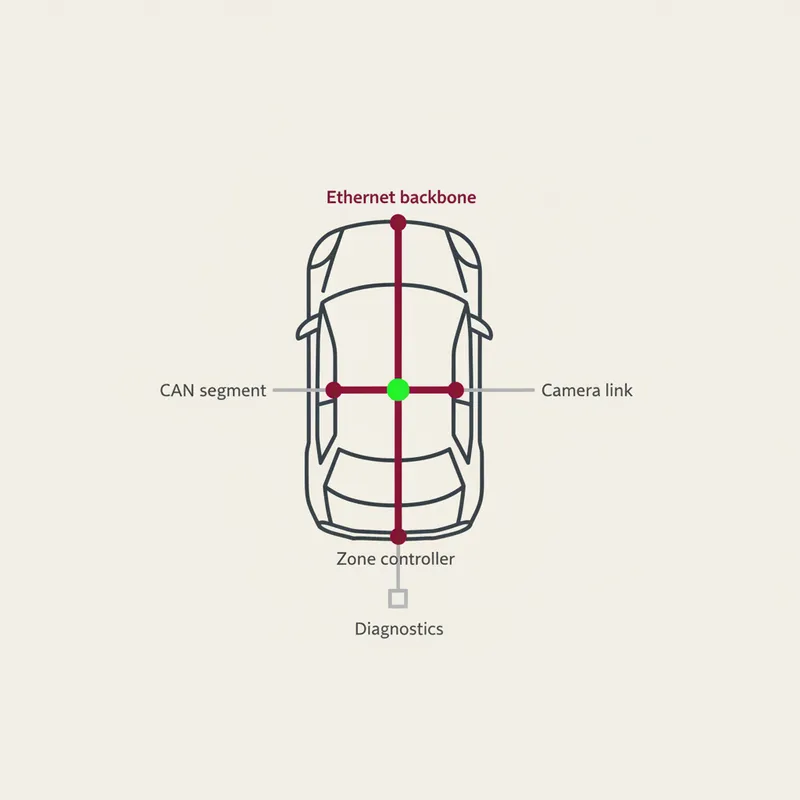
What Is Automotive Ethernet? A Complete Guide for Engineers in India
Automotive Ethernet is standard IEEE 802.3 Ethernet carried over a single twisted pair inside a vehicle. This guide from GSAS Micro Systems maps the T1 physical layer family, the protocol stack above it, the OPEN Alliance conformance vocabulary and the bench workflow, written for engineers in India who have been handed a T1 link and told to make it work.
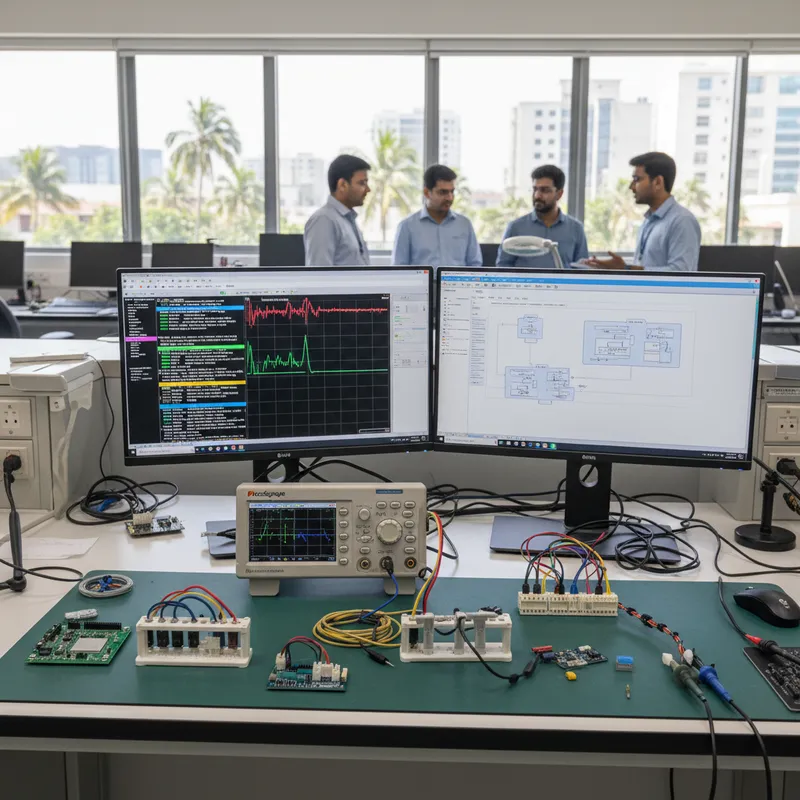
PicoScope Automotive Protocol Decode: CAN-FD, LIN, FlexRay, Automotive Ethernet (India)
A deep dive into PicoScope serial decode for Indian automotive Tier-1s, CAN-FD, LIN, FlexRay, Automotive Ethernet, SENT, PSI5, and J1939 with instrument recommendations from bench to flagship.
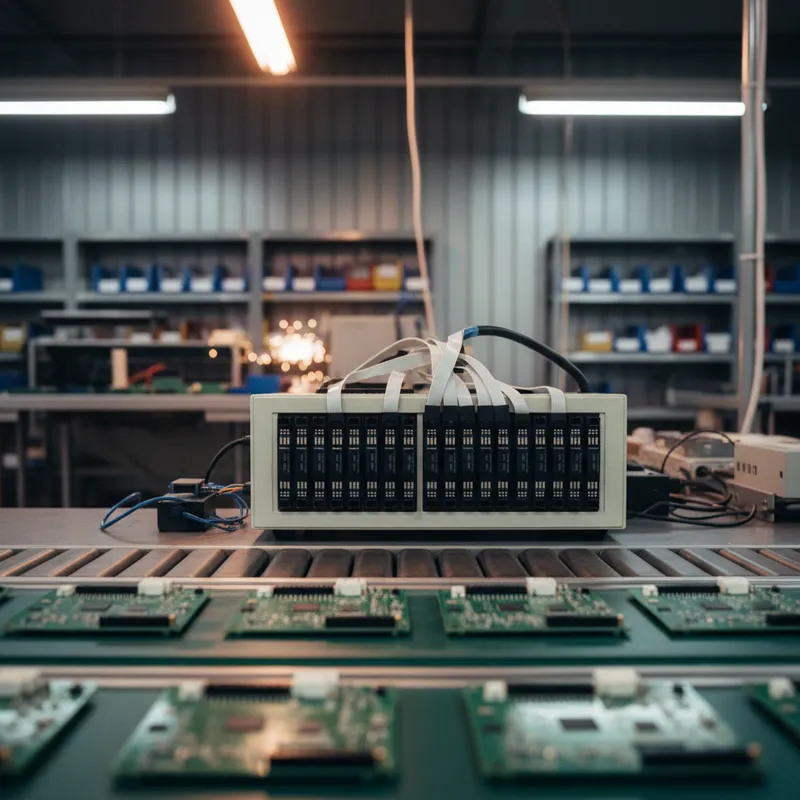
ProMik XDM-ETH: Automotive Ethernet Programming System for Next-Gen ECUs
The automotive industry's transition from CAN-based to Ethernet-based E/E architectures is not just a design engineering challenge
MSP2300NET: ProMik's Latest Multi Standard Programmer for Domain and Zone Controllers
ProMik's MSP2300NET features Xilinx Zynq UltraScale+ SoC, 24 configurable I/Os, USB3 at 300 MB/s, and handles flash files up to 20GB.
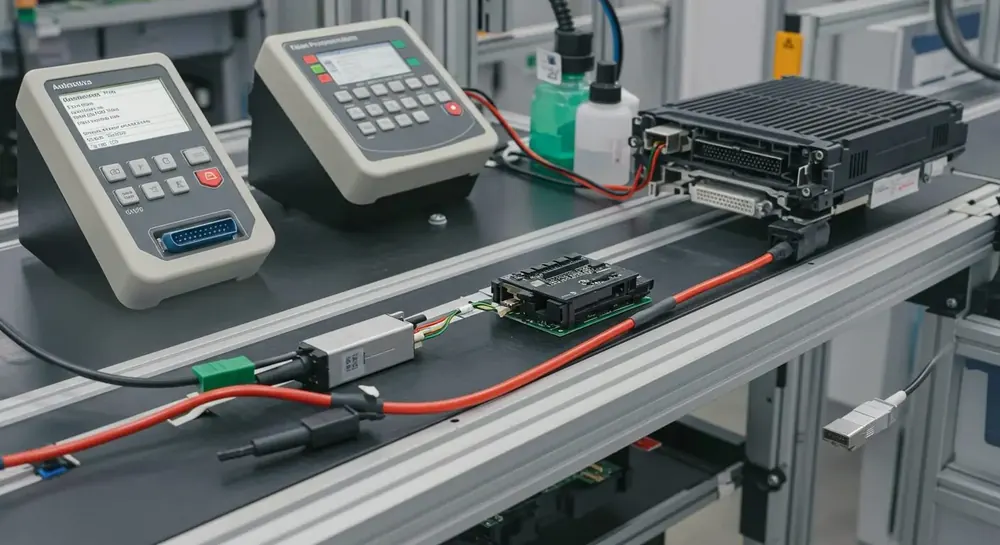
The Shift to Ethernet-Based Vehicle Communication: ProMik's Perspective
Vehicle communication is shifting from CAN-FD to Ethernet. ProMik's XDM-ETH device supports DoIP-based programming for modern vehicle architectures.
Questions about Automotive Ethernet?
Our application engineers help teams evaluate tools, plan validation, and scope pilots across India.