
Not every production line uses a standalone flash programming station. Many manufacturers embed programming operations directly into their existing test and automation software, LabVIEW sequences, TestStand test plans, or custom C# applications. ProMik’s pOnline_Pro is designed specifically for this use case: a DLL-based software package that brings ProMik’s flash programming algorithms into the customer’s own host environment.
A C#/C++ DLL Software Package
pOnline_Pro is delivered as a C#/C++ based DLL software package. This means it exposes programming functions as callable library routines rather than requiring a separate application. Production engineers integrate these functions directly into their existing automation frameworks, maintaining a single control flow from test sequencing through device programming.
The integration targets are practical and specific: LabVIEW, TestStand, and C# applications. These are the environments that dominate production test in automotive, industrial, and electronics manufacturing. pOnline_Pro provides smooth integration into all three, so engineering teams do not need to abandon their existing infrastructure to gain access to ProMik’s programming capabilities.
Optimized High-Speed Algorithms
Like ProMik’s other software platforms, pOnline_Pro uses optimized high-speed algorithms for all available flash devices. These are not generic programming routines. Each algorithm is tuned to the specific flash memory architecture of the target device, maximizing throughput while maintaining data integrity.
For production environments where cycle time directly affects output volume, this optimization matters. Shaving seconds off each programming cycle compounds across thousands of units per shift.
Margin Verify for Maximum Data Retention
pOnline_Pro includes margin verify capability, a verification technique that reads programmed data at tightened voltage margins rather than nominal levels. This ensures that programmed bits are not merely present but are stored with sufficient margin to guarantee long-term data retention.
Margin verify is particularly important for products with extended operational lifetimes or harsh operating environments, such as automotive ECUs that must function reliably for 15 years or more across wide temperature ranges.
Separate Security Functions
Security operations are handled through separate functions for security features, including JTAG lock and OTP (One-Time Programmable) programming. This architectural decision is deliberate. Security operations carry different risk profiles than standard programming, an accidental JTAG lock on a development unit can render it permanently inaccessible. By isolating these functions, pOnline_Pro ensures that security operations are invoked intentionally, with explicit parameters, rather than as side effects of a standard flash cycle.
Integrated HEX Viewer and Test GUI
For development and validation phases, pOnline_Pro includes an integrated HEX viewer that allows engineers to inspect flash contents directly within the tool environment. This eliminates the need for separate hex editor utilities when verifying programmed data or debugging flash content issues.
A Test GUI is also included. While pOnline_Pro is fundamentally a DLL package meant for programmatic integration, the Test GUI provides a graphical interface for manual operations during setup, validation, and troubleshooting. Engineers can verify that programming sequences work correctly before embedding them into automated test flows.
Where pOnline_Pro Fits in the Production Workflow
The typical deployment scenario: a production test station runs a LabVIEW or TestStand sequence that performs electrical tests, functional verification, and firmware programming on each unit. pOnline_Pro handles the programming step within that sequence. The test system calls pOnline_Pro functions to program the device, verify the data, apply security settings, and report results, all without leaving the host application’s control flow.
This integration model is particularly valuable for manufacturers who have invested heavily in their test infrastructure and need to add or upgrade programming capabilities without re-architecting their entire test system.
Available in India Through GSAS
GSAS Micro Systems provides pOnline_Pro and the full ProMik product line with local application engineering support. Teams in Bengaluru, Hyderabad, Chennai, Pune, Mumbai, and Delhi NCR can access technical consultations, integration support, and evaluation licenses directly through GSAS.
Also appears in:
Interested in ProMik tools?
Talk to our application engineers for personalized tool recommendations.
More from ProMik
View all →
Automotive ECU Programming and Traceability: Meeting IATF 16949 with ProMik
5 Apr · 7 min

Scaling Electronics Manufacturing in India: Programming Infrastructure for Growth
5 Apr · 7 min

FlashTask Pro: Production Programming Project Management with ProMik
5 Apr · 7 min
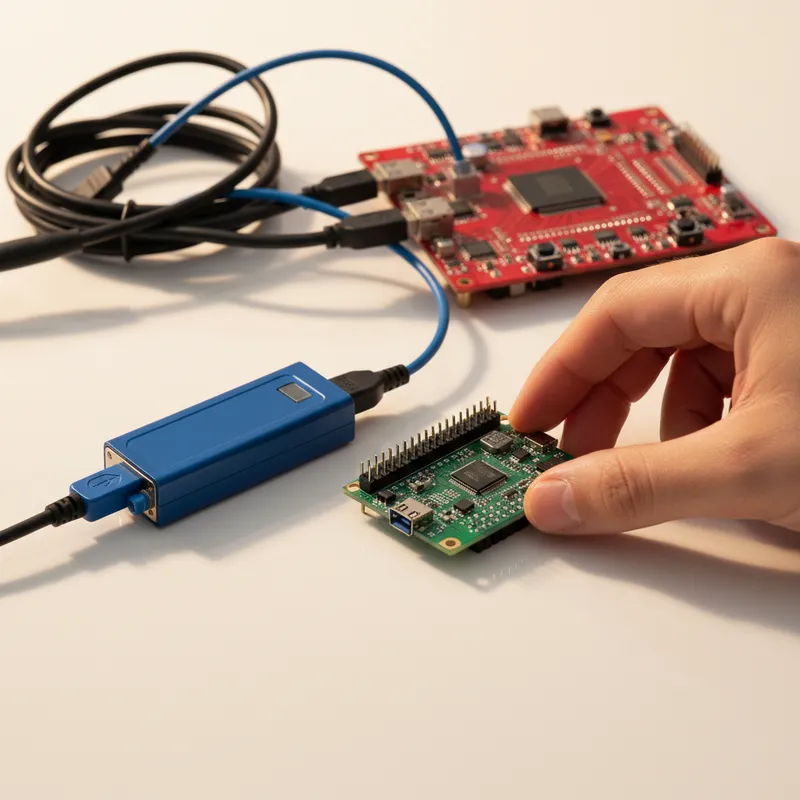
Gang Programmer vs Inline ISP: Choosing the Right Production Programming Approach
5 Apr · 7 min
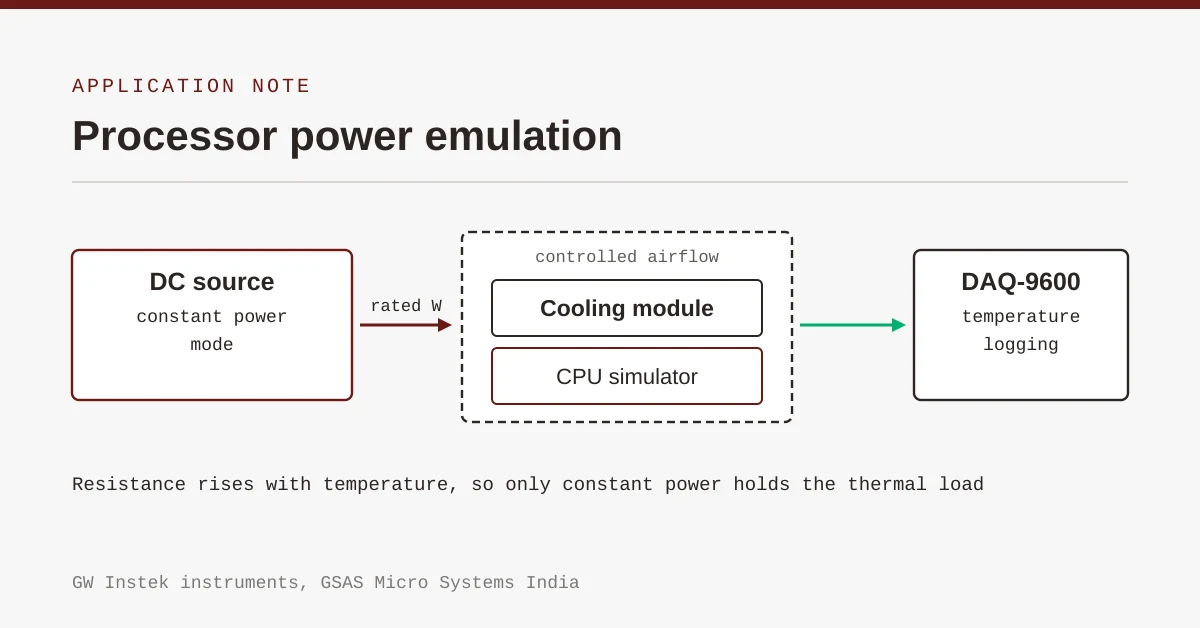
Emulating Processor Power for Thermal Testing: Why Constant Power
7 Oct · 7 min
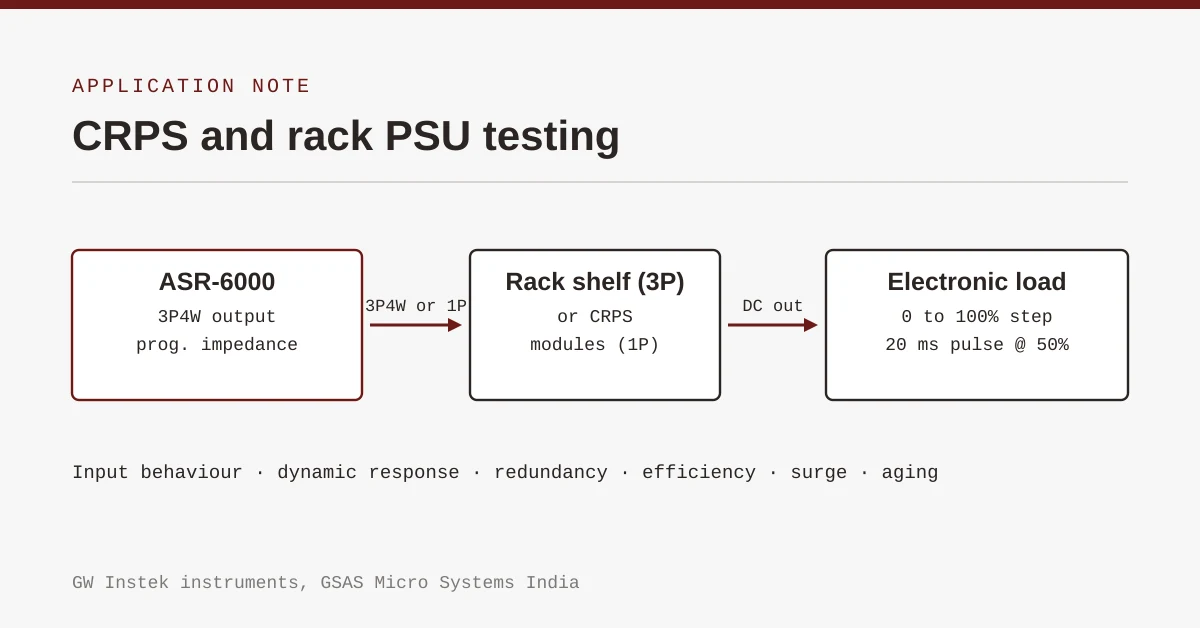
CRPS and Rack Power Supply Testing: The Six Tests That Matter
7 Oct · 7 min