India’s Electronics Manufacturing Growth
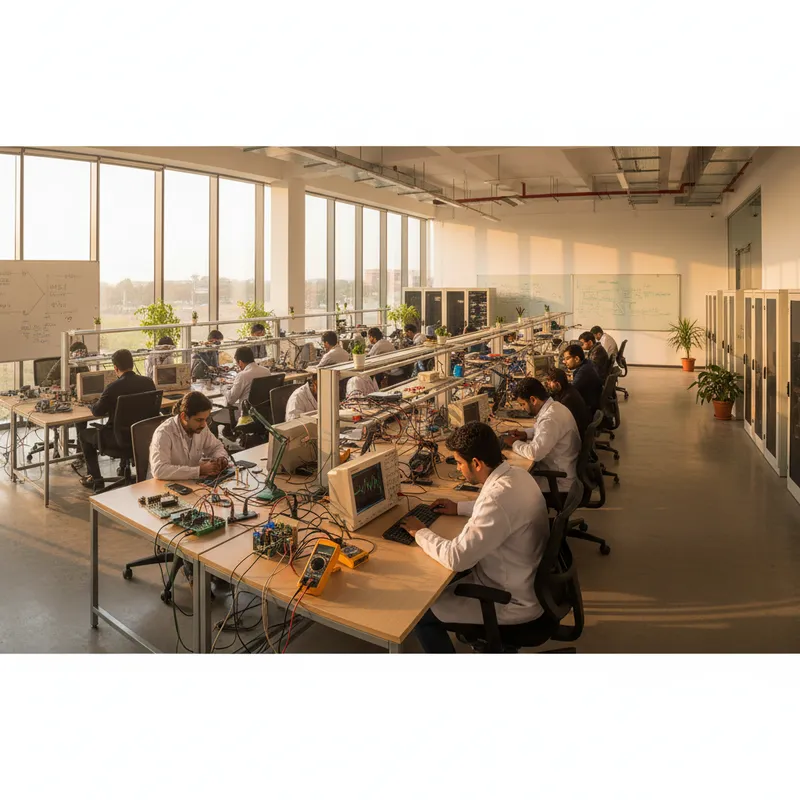
India’s electronics manufacturing sector is expanding rapidly, driven by government initiatives (PLI scheme, Make in India), growing domestic demand, and global supply chain diversification. Contract electronics manufacturers (EMS), automotive tier-1 suppliers, IoT device makers, and industrial electronics producers are scaling production to meet both domestic and export demand.
As production volumes grow, from hundreds to thousands to tens of thousands of units per month, manufacturing infrastructure must scale with them. One of the most commonly overlooked infrastructure elements is production IC programming. The firmware programming approach that works for 500 units per month may become a bottleneck at 5,000 units, and a crisis at 50,000.
The Scaling Challenge
Indian electronics manufacturers typically follow a growth trajectory where programming infrastructure must evolve at each stage:
Stage 1: Prototype and Small Batch (Under 500 units/month)
At this stage, engineers use development tools (JTAG debuggers, evaluation boards) to program firmware. A single engineer programs each device manually. This approach works but is labour-intensive and error-prone at scale. There is no formal traceability beyond the engineer’s notebook.
Stage 2: Low-Volume Production (500–2,000 units/month)
Manual programming with development tools becomes a time sink. Engineers spend hours each week on programming instead of development work. Traceability is inconsistent. Firmware version management relies on file naming conventions rather than formal systems.
This is the stage where a dedicated programming station, like the ProMik XTL-m or MSP2100Net, replaces development tools for production programming. FlashTask Pro provides formal firmware version management, programming recipes, and production traceability.
Stage 3: Mid-Volume Production (2,000–10,000 units/month)
Programming becomes a measurable throughput constraint. Offline programming stations cannot keep pace with SMT line output. Work-in-progress inventory accumulates. Operators are dedicated to programming instead of other tasks.
This is the transition point to inline programming. The XTL-s compact inline system or the XTL-m (for high-mix environments) brings programming into the production flow, eliminating the offline bottleneck.
Stage 4: High-Volume Production (10,000+ units/month)
Full inline automation with the XTL-i becomes the appropriate investment. Zero operator intervention, 24/7 three-shift operation, automated reject handling, and complete MES integration deliver the throughput and quality required at scale.
Stage 5: Multi-Product, Multi-Line
Large manufacturers operate multiple production lines across multiple products. Some lines run high-volume automotive ECUs; others handle lower-volume industrial products. NPI teams launch new products continuously. Rework stations handle field returns.
At this stage, the full ProMik ecosystem deploys: XTL-i on primary lines, XTL-s on secondary lines, XTL-m for NPI and rework, all sharing fixtures, project files, and the FlashTask Pro traceability infrastructure.
Investment Planning
For Indian manufacturers planning programming infrastructure investments, the key financial considerations are:
Capital Cost
Programming systems range from the MSP2100Net lab programmer to the XTL-i fully automated inline system. The investment should match current production requirements with headroom for near-term growth.
| System | Investment Level | Throughput Range |
|---|---|---|
| MSP2100Net | Entry | Lab and NPI |
| XDM-USB | Moderate | Development + medium volume |
| XTL-m | Moderate | NPI + low volume (400+/shift) |
| XTL-s | Higher | Compact inline (800+/shift) |
| XTL-i | Highest | Full inline (1,200+/shift) |
Fixture Costs
Each board design requires a custom programming fixture with spring-loaded probes (for ISP systems). Fixture costs are per-product, not per-system. Critically, ProMik fixtures are compatible across all XTL systems, a fixture built for the XTL-m works on the XTL-s and XTL-i without modification.
This fixture compatibility means the fixture investment made during NPI (on the XTL-m) carries forward to production (on the XTL-s or XTL-i). No duplicate fixture sets required.
Operating Cost
The primary operating cost savings from inline programming come from:
- Reduced operator labour (inline systems require less manual handling)
- Eliminated rework from programming errors (automatic verification catches defects)
- Reduced WIP inventory (boards do not queue at offline stations)
- Faster throughput (programming does not bottleneck the SMT line)
Scaling Without Re-Investment
ProMik’s modular architecture protects the initial investment. A manufacturer who starts with the XDM-USB and XTL-m during NPI can scale to XTL-s and XTL-i without:
- Re-creating programming projects (FlashTask Pro project files transfer unchanged)
- Re-building fixtures (fixtures are cross-compatible)
- Re-training operators (FlashTask Pro interface is consistent across systems)
- Re-integrating MES (pOnline Pro centralises management across all systems)
Practical Guidance for Indian Manufacturers
For EMS Providers in Bengaluru, Chennai, and Pune
Start with the XTL-m for multi-customer NPI work. As individual customers’ volumes grow, add XTL-s or XTL-i capacity for their specific products. The XTL-m remains the NPI and rework station.
For Automotive Tier-1 Suppliers in Pune and Chennai
If manufacturing ECUs for global OEMs, plan for inline programming with MES integration from the outset. IATF 16949 auditors expect production-grade traceability. The XDM-ETH + XTL-i combination provides automotive Ethernet programming, cybersecurity provisioning, and IATF-compliant traceability.
For IoT Device Makers in Bengaluru and Hyderabad
If current volumes are under 2,000 units/month, the XDM-USB + XTL-m covers development and production. Plan the transition to XTL-s when volumes cross 2,000 units/month. The same FlashTask projects scale without modification.
For Industrial Electronics in Pune and Delhi NCR
Motor controllers, inverter modules, sensor units, and PLCs typically have moderate volumes and high product variety. The XTL-m’s quick fixture changeover (under 2 minutes) suits high-mix environments. Add the XTL-s for products that reach volume thresholds.
Why Buy from GSAS
GSAS Micro Systems is the authorised ProMik engineering partner in India, providing programming infrastructure planning, system selection guidance, fixture sourcing, and production line integration. Engineering teams in Bengaluru, Hyderabad, Chennai, Pune, Mumbai, Delhi NCR, and Visakhapatnam work with manufacturers to plan programming infrastructure that matches their current production and scales with their growth.
Explore the ProMik product range or contact us for a programming infrastructure assessment and planning consultation.
Also appears in:
Interested in ProMik tools?
Talk to our application engineers for personalized tool recommendations.
More from ProMik
View all →
Automotive ECU Programming and Traceability: Meeting IATF 16949 with ProMik
5 Apr · 7 min
FlashTask Pro: Production Programming Project Management with ProMik
5 Apr · 7 min
Gang Programmer vs Inline ISP: Choosing the Right Production Programming Approach
5 Apr · 7 min

Production IC Programming: A Guide for Indian Electronics Manufacturers
5 Apr · 7 min
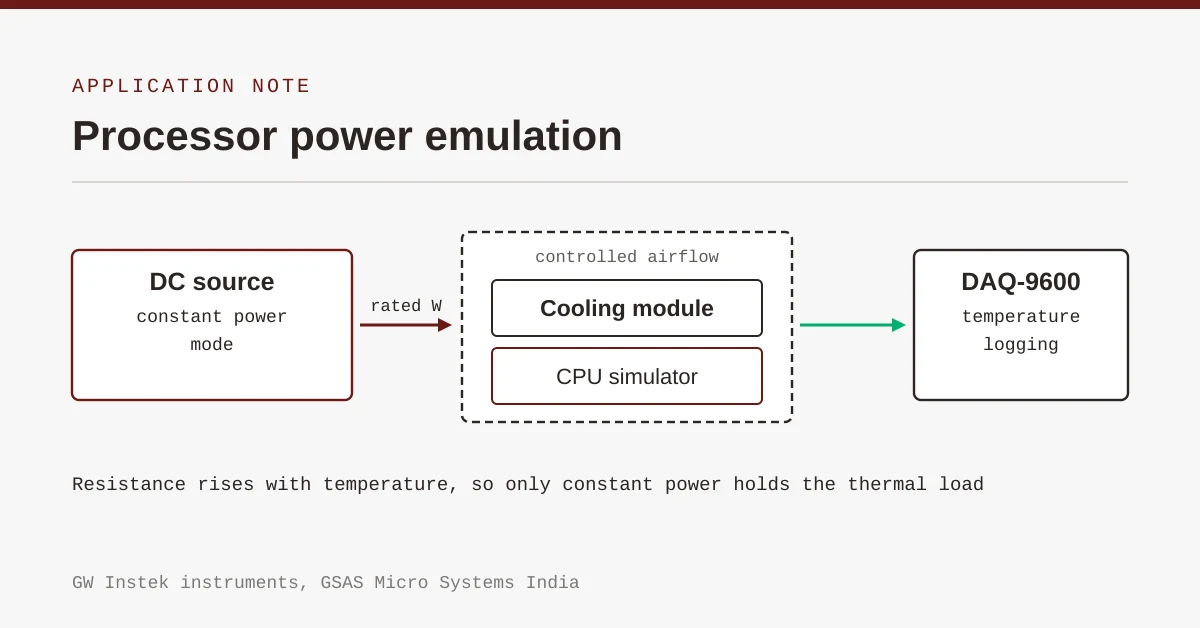
Emulating Processor Power for Thermal Testing: Why Constant Power
7 Oct · 7 min
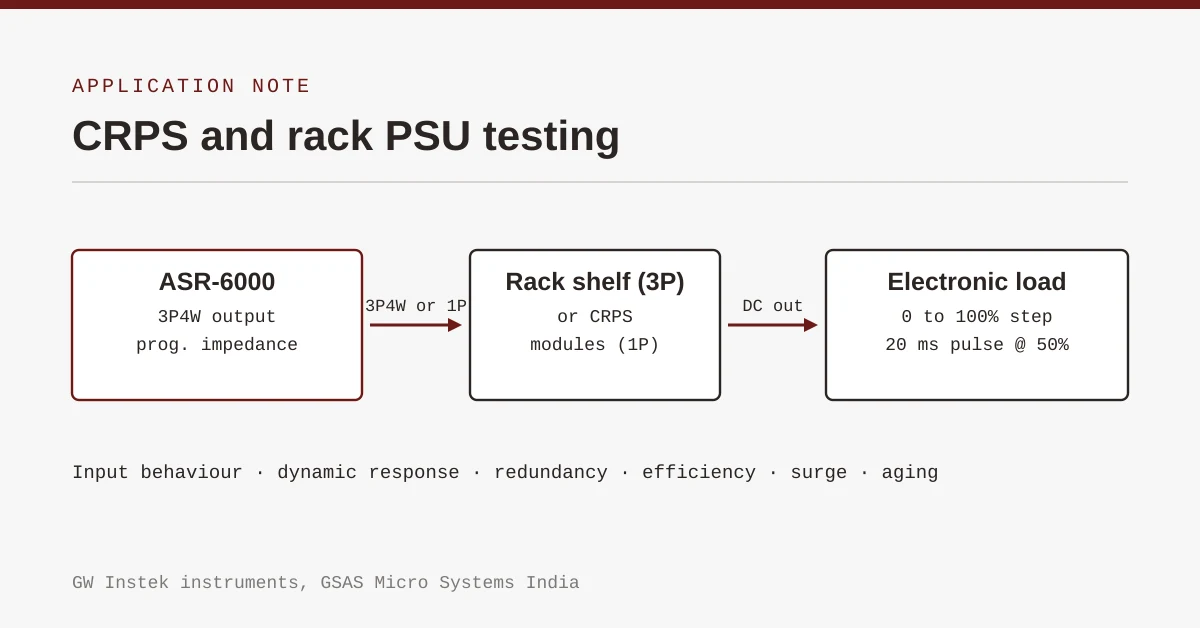
CRPS and Rack Power Supply Testing: The Six Tests That Matter
7 Oct · 7 min