
Cybersecurity in automotive production is no longer a future concern, it is a present-day engineering requirement. As vehicles become software-defined platforms with over-the-air update capabilities, every ECU that leaves a production line must be cryptographically provisioned, its firmware authenticated, and its debug interfaces locked. ProMik positions itself as the bridge between OEM, Tier-1, and semiconductor vendors for implementing production cybersecurity, providing the tooling and infrastructure to make this happen on the factory floor.
The Production Cybersecurity Challenge
The challenge is not theoretical. An ECU that ships without proper key provisioning can be reflashed with unauthorized firmware. A debug port left unlocked provides an attack vector. A secure boot chain that is configured incorrectly provides no security at all. These are production problems, they must be solved with production tooling, not with development-stage workarounds.
ProMik addresses this across four service areas: consulting, secure infrastructure, secure file handling, and on-chip security implementation.
HSM Firmware Programming and Key Injection
The Hardware Security Module (HSM) embedded in modern automotive microcontrollers is the root of trust for the entire ECU. ProMik provides full HSM key programming capabilities, covering the complete provisioning workflow:
- HSM firmware programming: loading the HSM firmware that governs cryptographic operations on the device
- Key programming: injecting cryptographic keys into the HSM’s secure storage
- Firmware update: updating HSM firmware in the field or during production line changes
ProMik supports custom HSM firmware implementations, including those developed with frameworks from vendors such as Elektrobit and Vector. This flexibility is important because OEMs and Tier-1 suppliers often develop proprietary HSM firmware tailored to their specific security architectures. ProMik’s tooling handles these custom implementations without requiring the customer to adapt their firmware to a specific programming tool’s constraints.
Key Generation and Provisioning Infrastructure
Production key management goes beyond the programming station. ProMik provides key generation and key provisioning capabilities along with encryption and decryption functions and connection to customer IT infrastructure.
The interface solution connects ProMik’s programming tools to the customer’s Key Management System (KMS), ensuring that keys are generated, distributed, and consumed according to the customer’s security policies. Cryptographic support includes PGP and AES: the standard algorithms used in automotive key management workflows.
This infrastructure layer is where ProMik’s role as a bridge is most evident. The OEM defines the security policy. The Tier-1 implements it in the ECU design. The semiconductor vendor provides the HSM hardware. ProMik connects all three at the production stage, ensuring that the security architecture defined in design is realized correctly in manufacturing.
On-Chip Security Implementation
At the device level, ProMik’s tools implement a comprehensive set of security operations:
- Debug interface lock: disabling JTAG/SWD access to prevent unauthorized debug connections after production
- Secure boot: configuring the boot chain so that only authenticated firmware executes on the device
- HSM activation and key injection: enabling the HSM and loading its operational keys
- Secure communication and encryption: configuring encrypted communication channels for in-field updates
- Memory protection (MPU, Flash): setting memory protection unit configurations and flash read/write protection
Each of these operations is performed during the production programming cycle. ProMik’s bootloader executes directly in MCU RAM, which means no flash and erase cycle is necessary for the security provisioning stage. This approach preserves flash endurance and keeps the security provisioning step fast.
ISO 21434 Compliant Production Realization
ISO 21434 defines cybersecurity engineering requirements for road vehicles across the entire lifecycle, including production. ProMik’s approach provides ISO 21434 compliant realization in production: the tooling and processes are designed to meet the standard’s requirements for secure manufacturing.
This is not a certification claim about the tools themselves. It is a statement about the production workflow: when ProMik’s tools are used according to their documented procedures, the resulting production process satisfies ISO 21434’s requirements for cybersecurity in manufacturing.
Reusable and Flexible Integration
ProMik’s cybersecurity solution is designed to be reusable and flexible: the same infrastructure and tooling can be applied across different ECU projects and different vehicle platforms. This is significant for Tier-1 suppliers who manufacture ECUs for multiple OEM customers, each with different security requirements. Rather than building a bespoke security provisioning solution for each project, the Tier-1 can use ProMik’s platform as a common foundation and configure it per-project through job files and security profiles.
ProMik states that this approach requires no development costs for the production application. The production cybersecurity workflow is configured, not custom-developed, using ProMik’s existing infrastructure.
Why This Matters for Indian Automotive Manufacturing
India’s automotive industry is entering an era where cybersecurity compliance is not optional. As Indian OEMs develop vehicles for global markets and as global OEMs manufacture in India, production lines must meet the same cybersecurity standards as plants in Germany, Japan, or the United States.
GSAS Micro Systems provides ProMik’s complete cybersecurity production tooling with local technical support across India. Automotive engineering teams in Bengaluru, Hyderabad, Chennai, Pune, Mumbai, and Delhi NCR can access consulting, tool evaluation, and integration support directly from GSAS, enabling Indian production lines to meet global cybersecurity requirements with local expertise.
Also appears in:
Interested in ProMik tools?
Talk to our application engineers for personalized tool recommendations.
More from ProMik
View all →
Automotive ECU Programming and Traceability: Meeting IATF 16949 with ProMik
5 Apr · 7 min

Scaling Electronics Manufacturing in India: Programming Infrastructure for Growth
5 Apr · 7 min

FlashTask Pro: Production Programming Project Management with ProMik
5 Apr · 7 min
Gang Programmer vs Inline ISP: Choosing the Right Production Programming Approach
5 Apr · 7 min
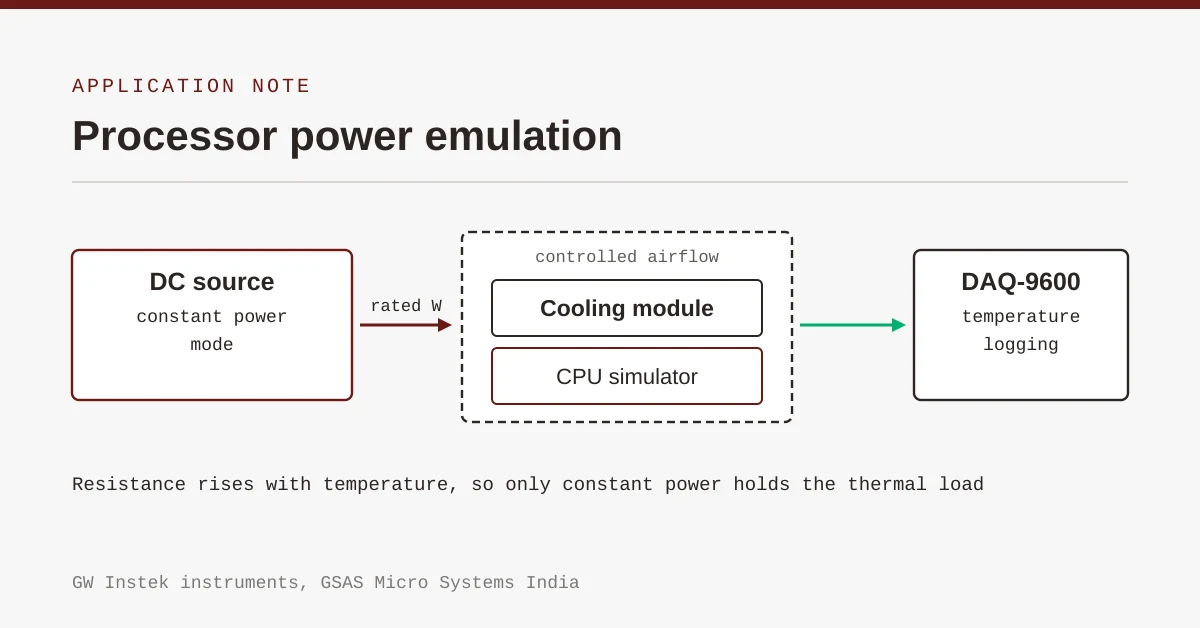
Emulating Processor Power for Thermal Testing: Why Constant Power
7 Oct · 7 min
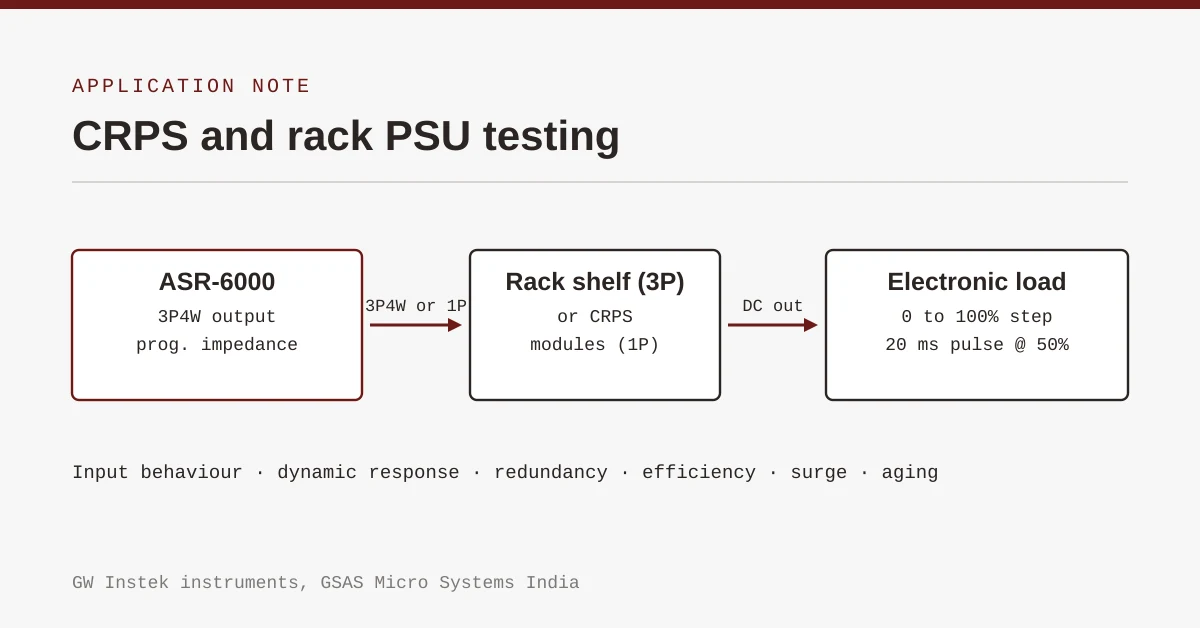
CRPS and Rack Power Supply Testing: The Six Tests That Matter
7 Oct · 7 min