
Embedded Perspectives
Keil MDK
12 articles tagged with Keil MDK.

Arm User-Based Licensing in CI/CD: armlm, Proxy Activation and What Breaks
A licensing failure in an Arm pipeline blocks the release branch and puts a firmware engineer on armlm output instead of driver code, up to seven days after the change that caused it. The reason: a UBL licence is a cached certificate valid for 7 days, not a checkout. Here is what that changes about pipeline design, and what to fix first.

Two Arm Keil MDK Webinars This Summer: DevOps and Edge AI for Indian Cortex-M Teams
Arm is running two free live Keil MDK webinars this summer: DevOps with Keil MDK on 23 June and edge AI with ModelNova Fusion Studio on 21 July. What Cortex-M teams in Bengaluru, Hyderabad, Pune, Chennai, Mumbai, and Delhi NCR should know, shared by GSAS, Arm's authorized partner in India for Arm Development Tools.

How Many Arm UBL Seats Do You Actually Need?: A Sizing Guide for Indian CI/CD Teams
How Arm User-Based Licensing actually sizes against your team: per developer identity, not per parallel CI job. A short guide for Indian engineering managers planning the UBL migration, talk to GSAS for the per-team sizing exercise.
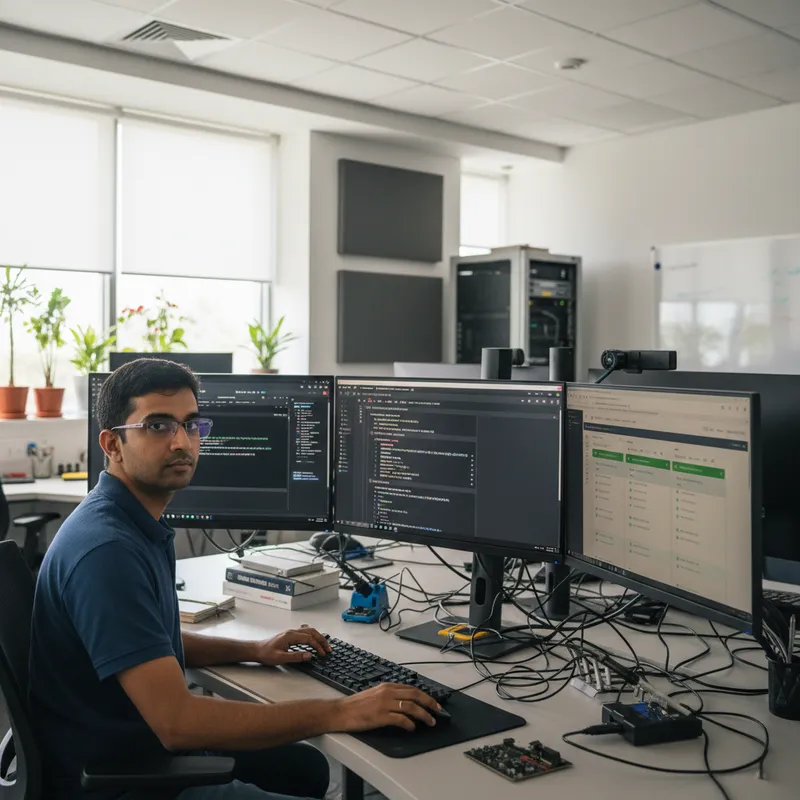
Cortex-M CI/CD with csolution.yml + cbuild + GitHub Actions: A Working Pipeline for Indian Firmware Teams
A concrete CI/CD pipeline pattern for Indian Cortex-M firmware teams using the modern Arm CMSIS-Toolbox CLI (csolution + cbuild + cpackget) on GitHub Actions runners, UBL-licensed builds, vcpkg tool deployment, parallel build matrix, and the firewall + caching gotchas that catch most teams.

FlexNet Node-Locked Is Ending: How Indian Arm Keil MDK Teams Should Migrate to UBL in 2026
Arm has announced end-of-life for FlexNet Node-Locked (FL-NL) licensing of Keil MDK and Arm Compiler 6. The framing GSAS gives Indian teams in Bengaluru, Hyderabad, Chennai, Pune, Mumbai, and Delhi NCR planning the move to User-Based Licensing.
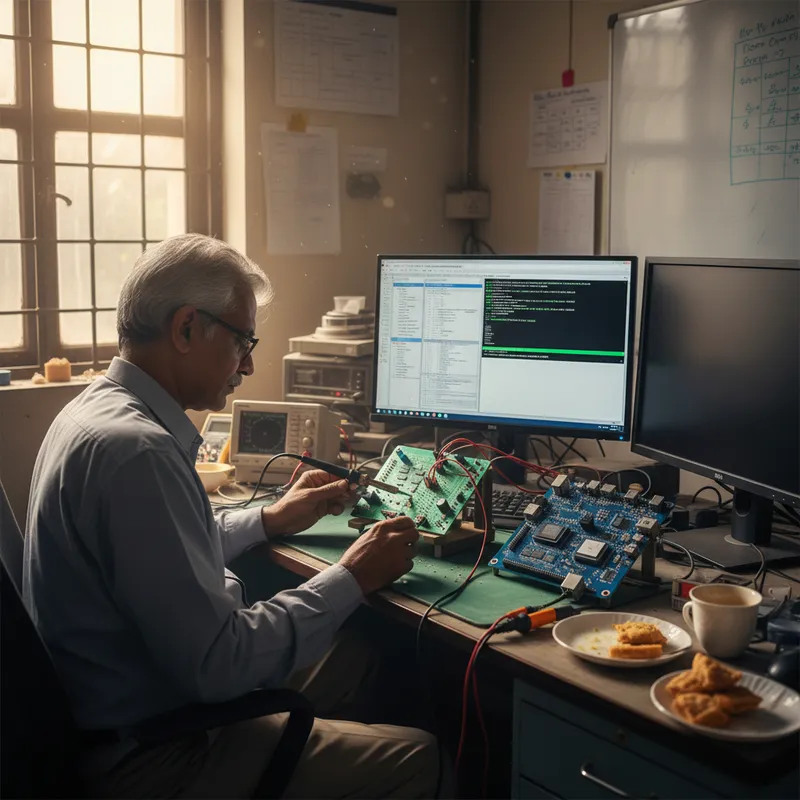
Keeping Legacy AC5 / PK51 / DK251 / PK166 Projects Alive Under MDK v6 Pro UBL
If your Indian engineering team still maintains old 8051 (PK51), C166 (DK251), or ARM7 (AC5) firmware while writing new Cortex-M product lines, MDK v6 Pro UBL has a backwards-compatibility path. The framing GSAS gives Indian teams in Bengaluru, Hyderabad, and Pune.
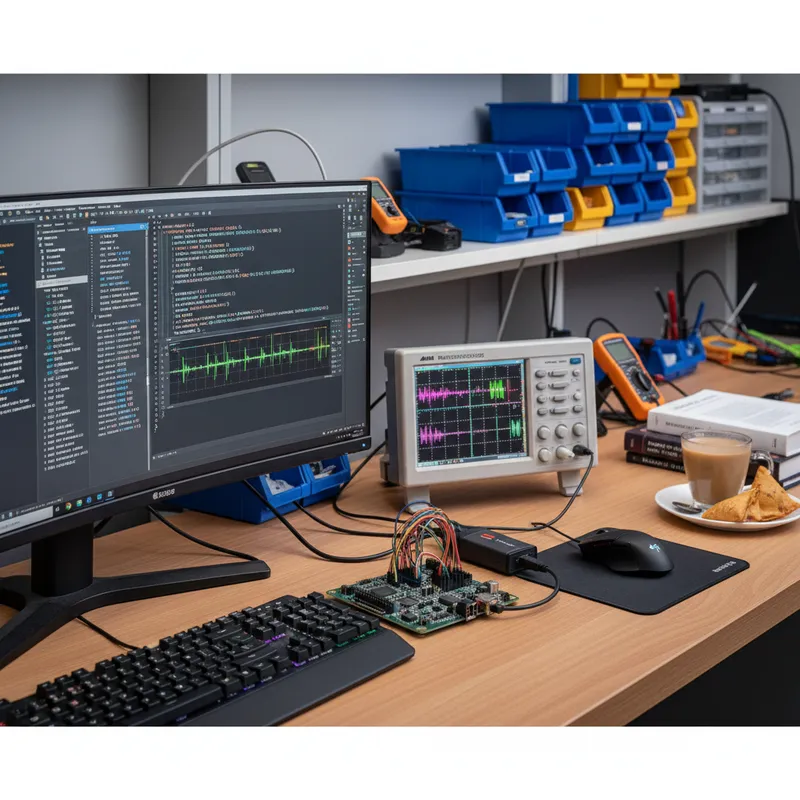
CMSIS v6: The Complete Guide for Indian Cortex-M Embedded Teams
A comprehensive CMSIS v6 reference for Indian Cortex-M embedded teams, CMSIS-Core, DSP, NN, RTOS2, Driver, Pack, SVD, Zone, and View, with the pack ecosystem, 10,000+ device support, and the commercial Keil MDK workflow.
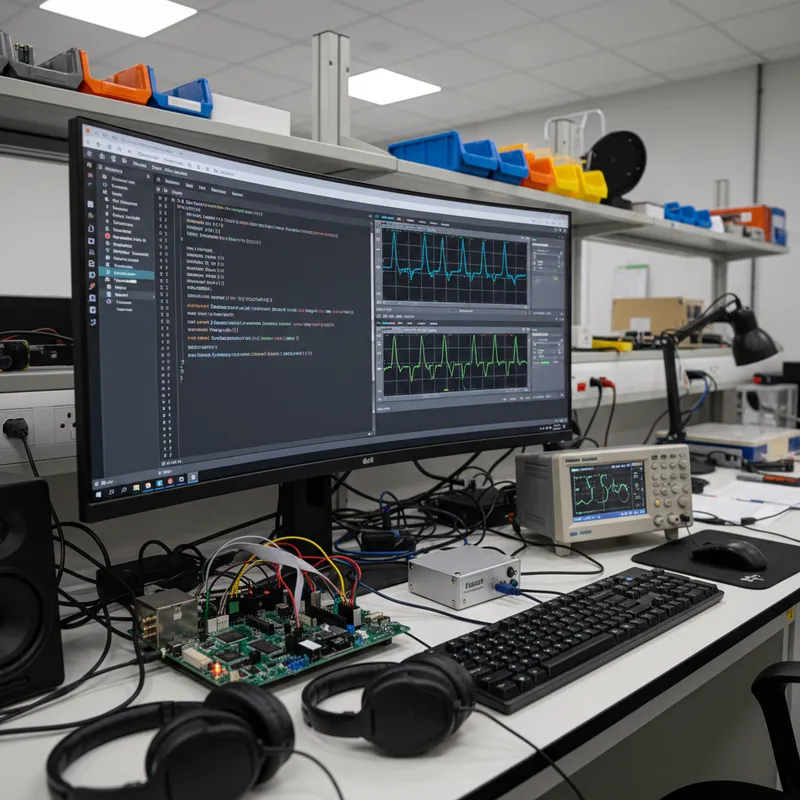
Keil Studio Cloud and Desktop: India Buyer's Guide for Arm Embedded Teams
The complete buyer's guide to Arm Keil Studio Cloud and Keil Studio Desktop for Indian Cortex-M teams, how it compares to µVision, Arm Compiler 6, ULINK probes, commercial MDK licensing, and the VS Code migration path.
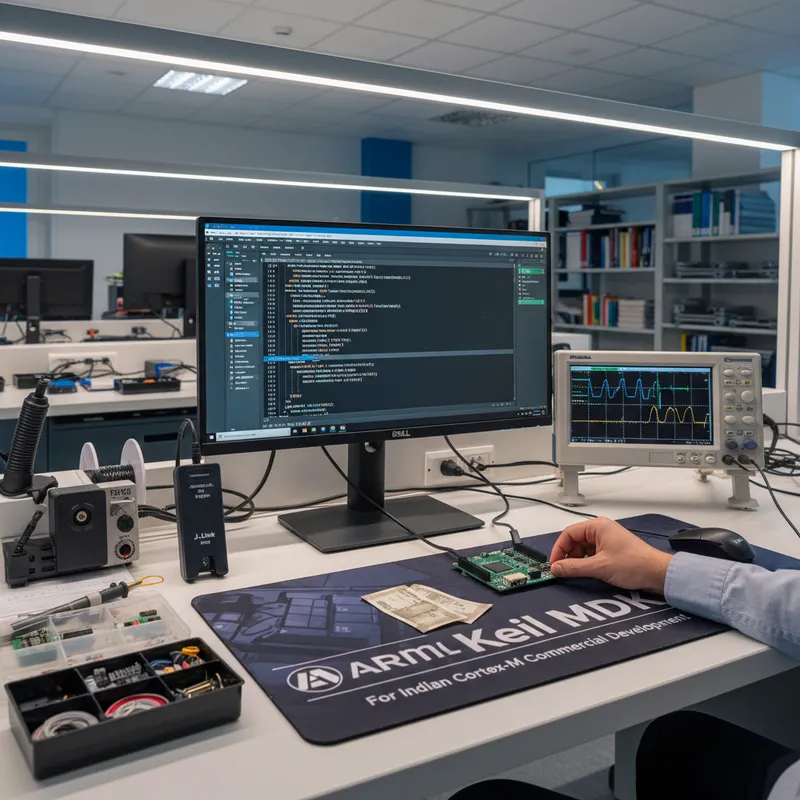
Arm Keil MDK-Professional for Indian Cortex-M Commercial Development
Why Indian Tier-1 automotive, medical, and industrial OEMs standardise on Arm Keil MDK-Professional for Cortex-M firmware, the commercial tiers, the tool stack, and the engineering case for single-vendor accountability.
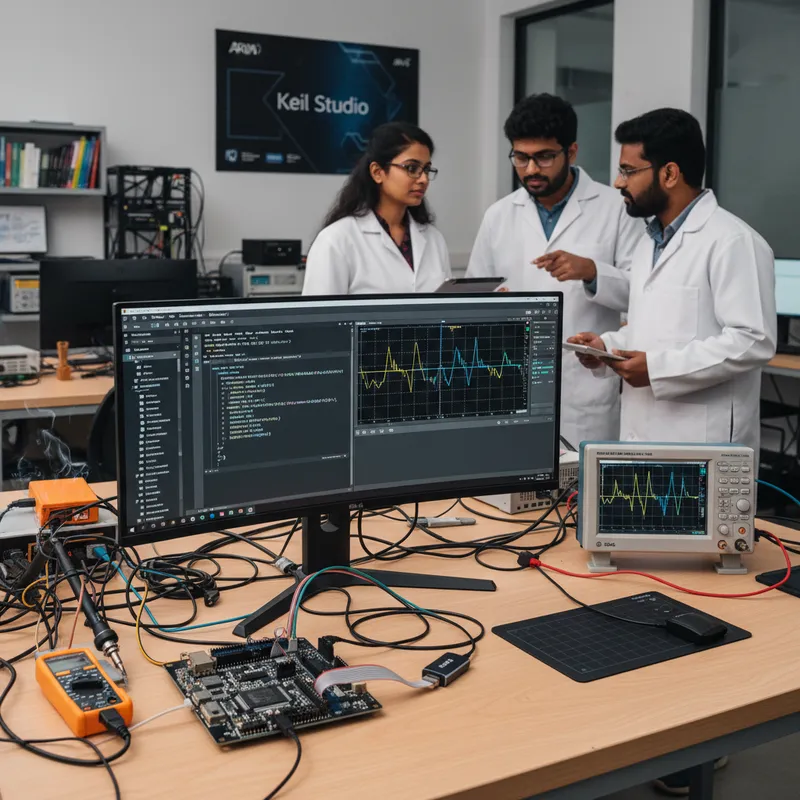
Arm Keil Studio: VS Code Workflow for Indian Embedded Teams Moving Off µVision
Arm Keil Studio is the VS Code-based successor to µVision. A practical guide for Indian embedded teams on Keil Studio Desktop, Keil Studio Cloud, and the migration path from µVision, without giving up Arm Compiler 6, CMSIS, or ULINK.
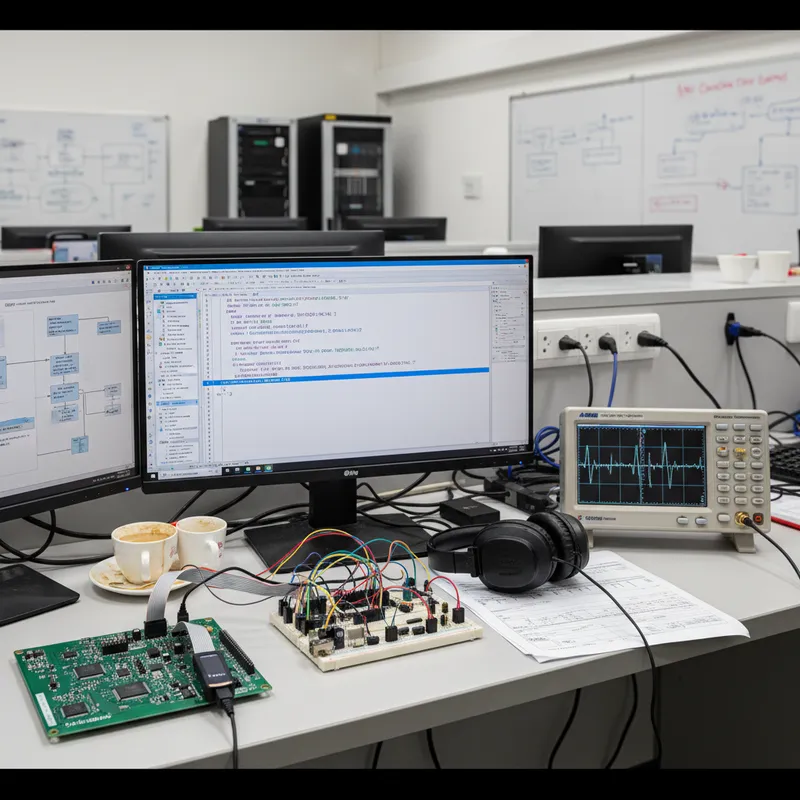
Arm MDK-Middleware and CMSIS for Indian Industrial IoT Product Stacks
A deep tour of the MDK-Middleware bundle and the CMSIS software layer that Indian industrial IoT teams consume as part of their MDK Essential or MDK Professional licence, file system, TCP/IP, USB, DSP, NN, and a single commercial support path.
Arm Keil MDK v6 Editions: What's in Community, Essential, and Professional
Arm Keil MDK v6 ships in three editions, Community (free, non-commercial), Essential (commercial entry), and Professional (full toolchain with FuSa and Arm Virtual Hardware). Here's the editions matrix and what differentiates each tier, anchored on Arm's published Keil MDK v6 page.
Questions about Keil MDK?
Our application engineers help teams evaluate tools, plan validation, and scope pilots across India.