
The Indian Telematics Landscape
India’s vehicle telematics market is at an inflection point. A combination of regulatory mandates, fleet operator demand for operational visibility, and the rapid expansion of EV fleets is driving adoption of connected vehicle technology across commercial and passenger segments.
The market has evolved significantly from the GPS trackers of a decade ago. First-generation telematics in India meant a simple GPS device transmitting latitude and longitude to a tracking server. Today’s requirements, real-time vehicle health monitoring, OBD-II diagnostics, CAN bus data logging, driver behaviour analysis, EV battery telemetry, and edge computing, demand a fundamentally different class of hardware and software.
Regulatory Drivers
AIS 140: Vehicle Location Tracking
The Automotive Industry Standard AIS 140, mandated by the Ministry of Road Transport and Highways, requires vehicle location tracking devices (VLTDs) on all public service vehicles, buses, taxis, and goods transport vehicles. The standard specifies GPS accuracy, cellular connectivity, emergency button functionality, and data transmission to the VAHAN server.
AIS 140 established the regulatory baseline for vehicle connectivity in India. However, its scope is limited to location tracking and emergency alerts, it does not cover vehicle diagnostics, CAN bus data, or advanced fleet analytics.
BS-VI OBD-II Compliance
India’s Bharat Stage VI emission norms, effective since April 2020, mandate OBD-II compliance for all new vehicles. This means every new vehicle sold in India has an OBD-II port with standardised diagnostic access, creating the hardware foundation for OBD-II based telematics across the national fleet.
As the BS-VI fleet grows and older BS-IV vehicles cycle out, the addressable market for OBD-II telematics expands. Diagnostic trouble codes, real-time engine parameters, and emission system health data become accessible across a progressively larger share of vehicles on Indian roads.
Technology Trends
From Black Boxes to Open Platforms
The Indian telematics market has historically been dominated by proprietary black-box devices that lock fleet operators into vendor-specific ecosystems. The hardware extracts a fixed set of parameters, the data goes to a proprietary cloud, and the fleet operator gets a predetermined dashboard with limited customisation or integration options.
A clear trend toward open-platform telematics hardware is emerging. Devices like the AutoPi TMU CM4, built on Linux with Docker, SocketCAN, Python, and REST APIs, give fleet operators and engineering teams programmatic control over what data is captured, how it is processed, and where it is sent. This flexibility is particularly valuable for Indian OEMs and tier-1 suppliers who need custom data pipelines for R&D, warranty analysis, and product validation.
Edge Computing
Cellular data costs in India, while declining, remain a factor for large fleet deployments transmitting high-frequency vehicle data. Edge computing, processing data on the vehicle before cellular transmission, reduces data transfer volumes, lowers connectivity costs, and enables real-time decision making at the vehicle level.
Practical edge applications include: data aggregation (reduce 100 Hz CAN signals to 1 Hz summaries), anomaly detection (transmit alerts only when thresholds are exceeded), conditional logging (capture full-resolution data only during specific events), and DBC signal decoding (transmit decoded engineering values instead of raw CAN frames).
EV-Specific Telematics
The electrification of Indian commercial fleets, delivery vans, ride-sharing vehicles, three-wheelers, and buses, is creating demand for EV-specific telematics capabilities that ICE-focused devices do not provide. Battery state-of-charge, state-of-health, cell voltage monitoring, charging session data, and thermal management telemetry are essential for EV fleet operations.
The AutoPi Mini provides EV telemetry including battery SoC, cell voltages, and charging patterns through the OBD-II port, making it one of the few telematics devices in the Indian market with native EV monitoring capability at no subscription cost.
CAN-FD for Next-Generation Vehicles
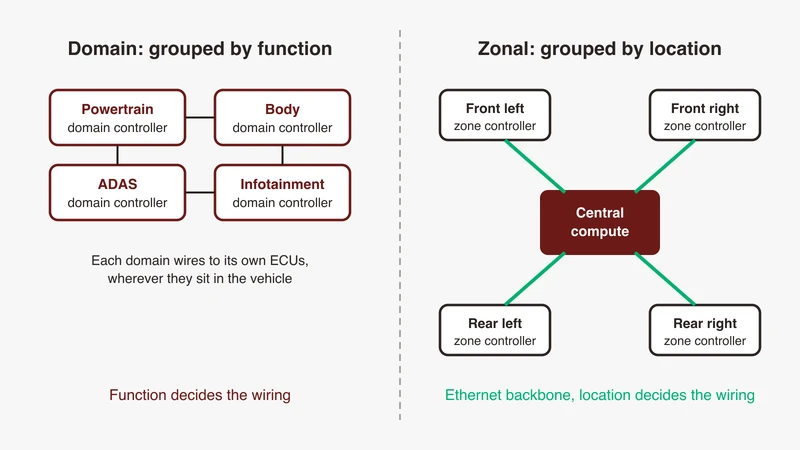
As Indian OEMs adopt modern E/E architectures for ADAS, domain controllers, and zonal computing, CAN-FD (5 Mbps) is replacing classic CAN (1 Mbps) on vehicle networks. Telematics and data logging tools must support CAN-FD to capture data from these next-generation buses. The AutoPi CAN-FD Pro with dual CAN-FD channels at 3,000+ frames/sec addresses this requirement for R&D data acquisition.
Adoption Patterns by Segment
Logistics and Trucking
The largest telematics adoption segment in India. Long-haul trucking fleets deploy telematics for real-time tracking, fuel monitoring, driver behaviour scoring, and compliance with AIS 140 mandates. The value proposition is clear: reduced fuel costs, fewer breakdowns, better asset utilisation, and improved safety.
Last-Mile Delivery
E-commerce growth in India has created massive last-mile delivery fleets, two-wheelers, three-wheelers, and electric vehicles, where route optimisation, delivery tracking, and driver accountability require telematics. These fleets often operate in dense urban environments in Bengaluru, Hyderabad, Chennai, Pune, Mumbai, and Delhi NCR where traffic conditions change hourly.
Automotive OEMs and R&D
OEMs and tier-1 suppliers use telematics for field data acquisition, capturing vehicle performance data on Indian roads for warranty analysis, product validation, durability testing, and customer usage pattern studies. This segment values raw CAN bus access and edge computing over fleet management features.
Public Transport
State transport corporations deploying GPS tracking for bus fleets under AIS 140 mandates. Metro feeder services and app-based bus aggregators are adding vehicle health monitoring and passenger information systems.
Why Buy from GSAS
GSAS Micro Systems is the authorised AutoPi engineering partner in India, providing local stock, INR invoicing, fleet deployment support, and integration assistance. Teams in Bengaluru, Hyderabad, Chennai, Pune, Mumbai, Delhi NCR, and Visakhapatnam serve fleet operators, OEMs, and R&D teams across the telematics spectrum.
Explore the AutoPi product range or contact us for technical consultation and evaluation units.
Also appears in:
Interested in AutoPi tools?
Talk to our application engineers for personalized tool recommendations.
More from AutoPi
View all →
Automotive IoT Gateways: Why Indian OEMs Are Moving to Open Platforms
5 Apr · 7 min

AutoPi CAN-FD Pro: High-Speed CAN-FD Data Logging for ADAS and EV Development
5 Apr · 7 min

Driver Behaviour Scoring for Fleet Safety: Using AutoPi Telematics in India
5 Apr · 7 min

Geofencing and Route Compliance for Indian Fleets: AutoPi Telematics
5 Apr · 6 min
Emulating Processor Power for Thermal Testing: Why Constant Power
7 Oct · 7 min
CRPS and Rack Power Supply Testing: The Six Tests That Matter
7 Oct · 7 min