
# Choosing the Right Siemens EDA Tier: Xpedition Standard or Enterprise
One of the most common questions Indian design teams ask when evaluating Siemens EDA tools is straightforward: which tier do we actually need? The answer depends on team size, board complexity, and the verification capabilities your projects demand. Siemens structures its PCB design portfolio across two primary tiers for new customers, Xpedition Standard and Xpedition Enterprise, each designed for a different team profile and project scope.
This article breaks down what each tier provides, when you should consider upgrading, and how the token-based add-on system lets you access advanced capabilities without committing to a higher tier.
The Two Tiers at a Glance
Before diving into details, here is the structural overview:
| Capability | Xpedition Standard | Xpedition Enterprise |
|---|---|---|
| Team size | 1-10 engineers | 10+ engineers |
| Design methodology | Constraint-driven design | Concurrent multi-user design |
| Routing | Interactive + sketch + full autorouting | Full autorouting + advanced topologies |
| Verification | HyperLynx DRC + token add-ons (SI/PI/rigid-flex) | Full SI/PI/EMI integrated |
| Library | PartQuest + enterprise library mgmt | Central library + PLM integration |
| Output | ODB++ + IPC-2581 | Full manufacturing data + PLM handoff |
The tiers are not separate products with incompatible ecosystems. They share a common data format, which means migrating between tiers does not require re-entering designs or rebuilding libraries. This is a deliberate architectural decision by Siemens, the upgrade path is a workflow expansion, not a platform migration.
Xpedition Standard: The Entry Platform for New Teams
Xpedition Standard is the entry point to the Siemens EDA PCB design ecosystem for individual engineers, startups, and small-to-mid teams. It combines constraint-driven design methodology, AI-infused UI, and a token-based add-on system that lets you activate advanced verification capabilities only when projects demand them.
Who It Serves
The typical Xpedition Standard user in India ranges from an individual PCB designer at a startup through design groups of up to ten engineers at mid-size product companies or design services firms. Designs span 2-layer IoT modules through 16-layer boards with DDR4/DDR5 interfaces, Gigabit Ethernet, USB 3.x, and controlled-impedance routing. Indian companies building telecom equipment, industrial automation systems, medical devices, consumer electronics, and automotive electronics frequently land in this tier.
Key Capabilities
Constraint-Driven Design: Define electrical constraints (impedance targets, length matching, spacing rules, differential pair parameters) once in a constraint manager, and the layout tool enforces them throughout routing. The designer cannot create a violation without an explicit override. This is a fundamental methodology shift from rule-checking after the fact to rule-enforcement during design. Sketch Routing: Siemens’ sketch routing technology lets the designer draw approximate route paths, and the tool converts them into DRC-clean traces that respect all constraints. This is faster than manual interactive routing for complex buses and significantly more controllable than full autorouting. Full Autorouting: Xpedition Standard includes the full autorouter for high pin-count designs where manual routing is impractical. The autorouter respects all defined constraints, making it effective for buses, memory interfaces, and high-density connector fan-outs. Token-Based Add-Ons: This is where the Siemens licensing model becomes particularly flexible. Rather than requiring you to purchase a full SI or PI analysis license, Xpedition Standard supports token-based access to advanced capabilities:
- Signal Integrity (SI) analysis: pre-layout and post-layout simulation
- Power Integrity (PI) analysis: PDN impedance and decoupling optimisation
- Rigid-flex design: stackup and bend area definition for flex circuits
- ECAD-MCAD co-design: 3D mechanical clearance checking and collaboration
- Advanced DFM: fabrication and assembly rule checking beyond basic DRC
Tokens are consumed when you use these features, meaning a team that occasionally needs SI analysis for one DDR interface per quarter does not carry the cost of a permanent SI license. For Indian teams where project complexity varies, some boards need full SI/PI analysis while others are straightforward, the token model aligns cost with actual usage.
When Standard Makes Sense
If your team has two or more designers who sometimes work on the same project, if your boards regularly exceed 6 layers, if you need controlled-impedance routing with automated enforcement, or if you periodically need SI or PI analysis, Xpedition Standard is the appropriate tier. The constraint-driven methodology pays for itself in reduced routing iterations, and the token add-ons provide access to verification capabilities without the commitment of dedicated licenses.
Xpedition Enterprise: The Large-Team Platform
Xpedition Enterprise is designed for organisations where PCB design is a department-level function with multiple engineers working concurrently on the same board, formal library management, and integration with enterprise PLM systems.
Who It Serves
The typical Xpedition Enterprise deployment in India is at a large product company, a defence/aerospace prime contractor, or a multinational’s India design centre. These teams have ten or more PCB designers, manage libraries of thousands of components with formal release and revision control, and design boards with 20 or more layers for applications like defence radar, high-performance computing, or advanced telecom infrastructure.
Key Capabilities
Concurrent Design: Multiple engineers can work on different sections of the same board simultaneously. One designer routes the power section while another handles the high-speed memory interface, with real-time synchronisation and conflict resolution. For large, complex boards, a 30-layer defence radar module, for example, concurrent design significantly reduces layout time compared to sequential single-engineer layout. PLM Integration: Integrates with Siemens Teamcenter and other PLM systems. BOM, design revisions, release management, and engineering change orders flow between EDA and PLM without manual data transfer. Advanced Packaging: System-in-package (SiP), package-on-package (PoP), and advanced IC packaging capabilities beyond standard PCB design. Enterprise Library Management: Centralised library with role-based access control, formal approval workflows, and synchronisation across distributed teams. Full Integrated Verification: All SI, PI, EMI, and thermal analysis capabilities included without token metering.
When Enterprise Is Required
If your organisation has ten or more designers, if regulatory requirements demand PLM-integrated traceability, if you design boards with concurrent multi-engineer layout, or if every board requires full SI/PI analysis, Xpedition Enterprise is the appropriate tier. The concurrent design capability alone justifies the tier for teams working on large boards with tight schedules.
The Upgrade Path: Same Data, Zero Migration
A critical aspect of the Siemens EDA tiering is data format continuity. A design created in Xpedition Standard can be opened in Xpedition Enterprise without translation, conversion, or data loss. Libraries built in one tier are compatible with the other.
This means the upgrade decision is about capabilities and workflow, not about data migration. When an Indian design team outgrows Xpedition Standard, perhaps they have moved from 8-layer product boards to 20-layer defence radar modules, or they need concurrent multi-engineer layout on a single board, they can move to Xpedition Enterprise and bring all their existing designs, constraints, and libraries with them.
Practical Decision Framework for Indian Teams
Most Indian PCB design teams fall into one of two profiles:
Profile 1, The Growing Product Team (Common in Indian startups and mid-size companies): One to ten engineers, designs ranging from 2-layer IoT modules to 16-layer boards with DDR4/5 memory and high-speed SerDes. Periodic need for SI/PI analysis on critical designs. Choose Xpedition Standard with token add-ons. Profile 2, The Design Department (Common in Indian primes and MNC design centres): Ten or more engineers, concurrent work on complex boards, PLM integration required, full verification on every design. 16-layer to 30+ layer boards for defence, telecom infrastructure, or high-performance computing. Choose Xpedition Enterprise.
The boundary between profiles is not rigid. The decision factors are board complexity and verification needs, not just team size.
When to Upgrade: Complexity Triggers
Upgrade from Standard to Enterprise when your design complexity triggers the need for capabilities Standard does not provide:
- Concurrent multi-engineer layout on a single board → Enterprise
- PLM integration required (Teamcenter, formal revision control) → Enterprise
- Full always-on SI/PI/EMI verification on every design (not token-metered) → Enterprise
- Board layer count regularly exceeding 16 layers → Enterprise
- Advanced packaging (SiP, PoP, IC packaging workflows) → Enterprise
- Centralised library with role-based access across distributed teams → Enterprise
For everything else, SI/PI analysis on selected designs, rigid-flex, ECAD-MCAD co-design, Standard’s token add-on system provides the capability at a cost that aligns with actual usage.
Getting the Right Recommendation
GSAS Micro Systems works with Indian design teams across both tiers and can provide a tier recommendation based on your specific requirements.
Contact GSAS for a tier evaluation and evaluation licenses at the appropriate tier. Reach us through gsasindia.com or visit any of our offices in Bengaluru, Hyderabad, Chennai, Coimbatore, Pune, and Delhi NCR.
Also appears in:
Interested in Siemens EDA tools?
Talk to our application engineers for personalized tool recommendations.
More from Siemens EDA
View all →
India's EDA Moment: Why Design Tool Demand Is Growing, and the Engineering Careers It Creates
21 Sept · 9 min
AI and Complexity Are Redrawing EDA: Siemens on the Trillion-Transistor Era
13 Sept · 6 min
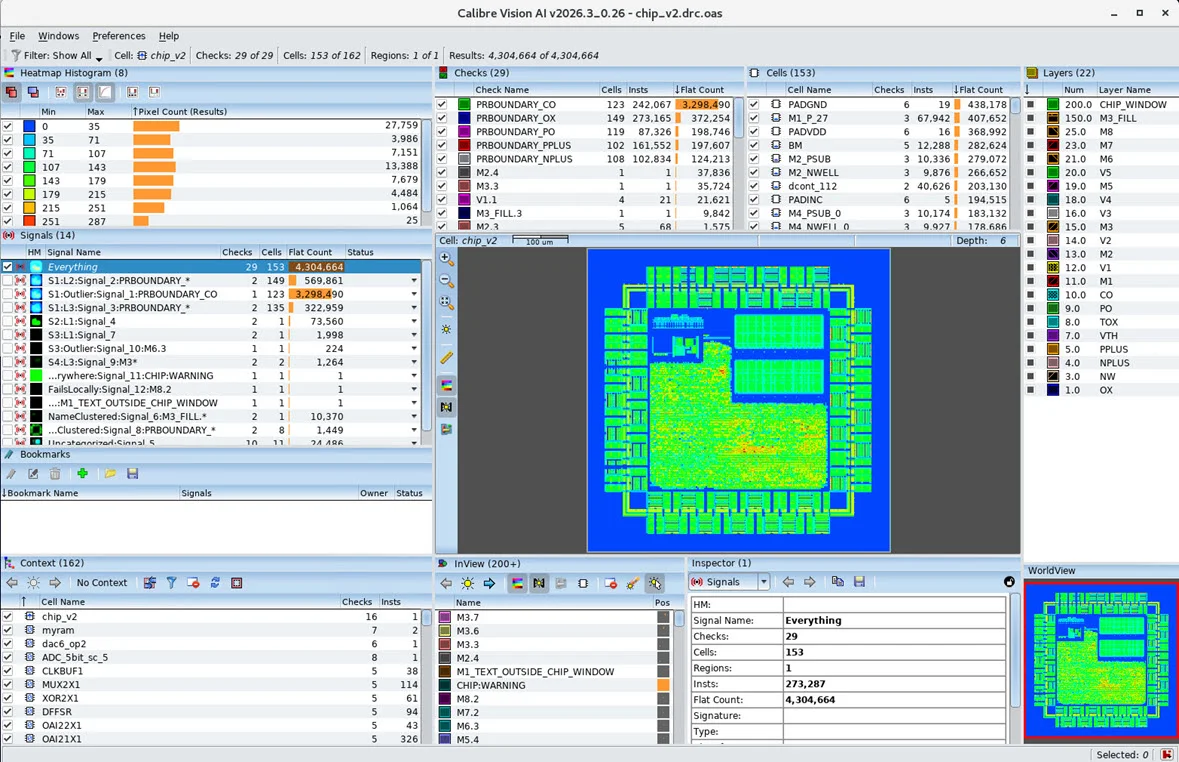
Calibre Vision AI: Bringing Order to DRC Debug at Advanced Nodes
24 Aug · 4 min
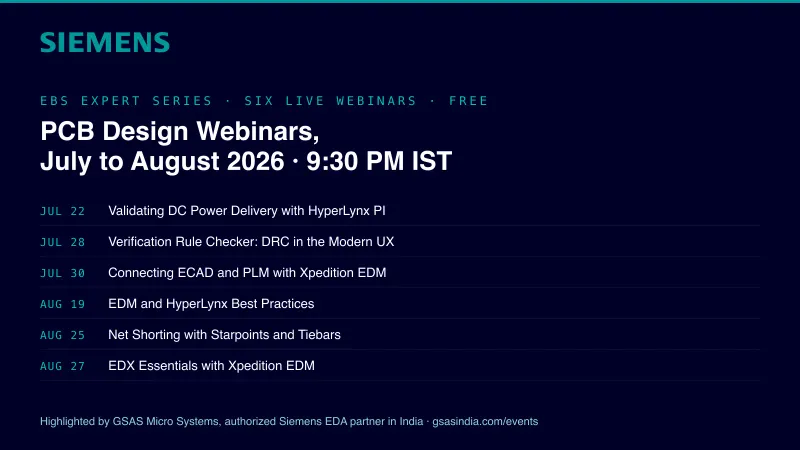
Siemens EDA EBS Expert Series: 6 Free PCB Design Webinars (Jul-Aug 2026)
20 Jul · 8 min
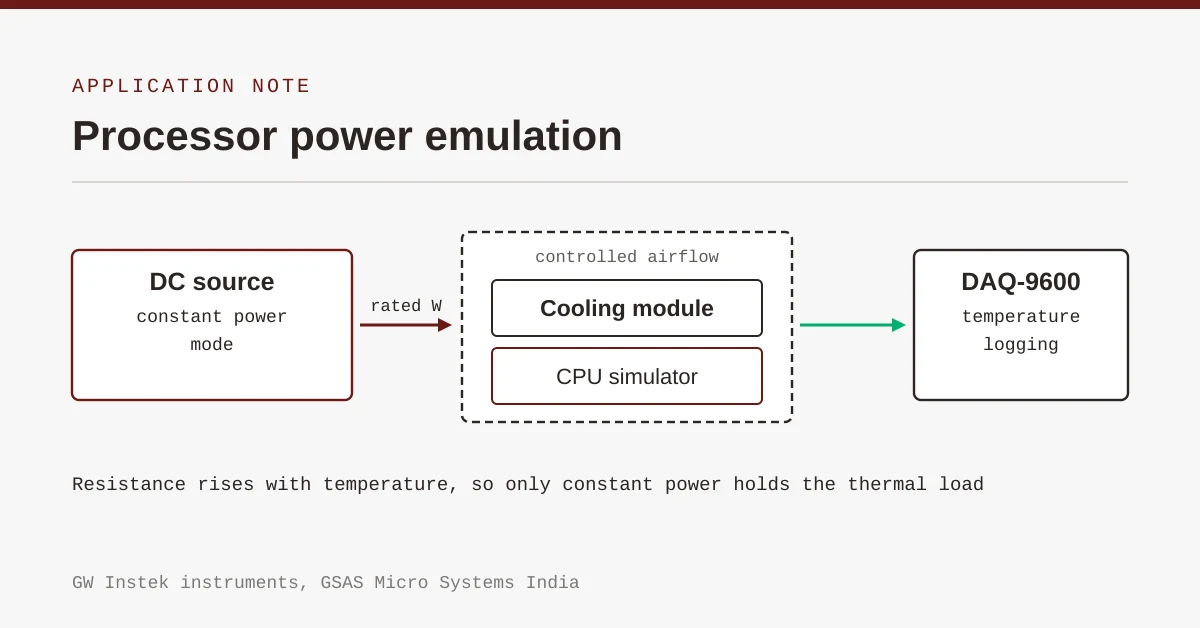
Emulating Processor Power for Thermal Testing: Why Constant Power
7 Oct · 7 min
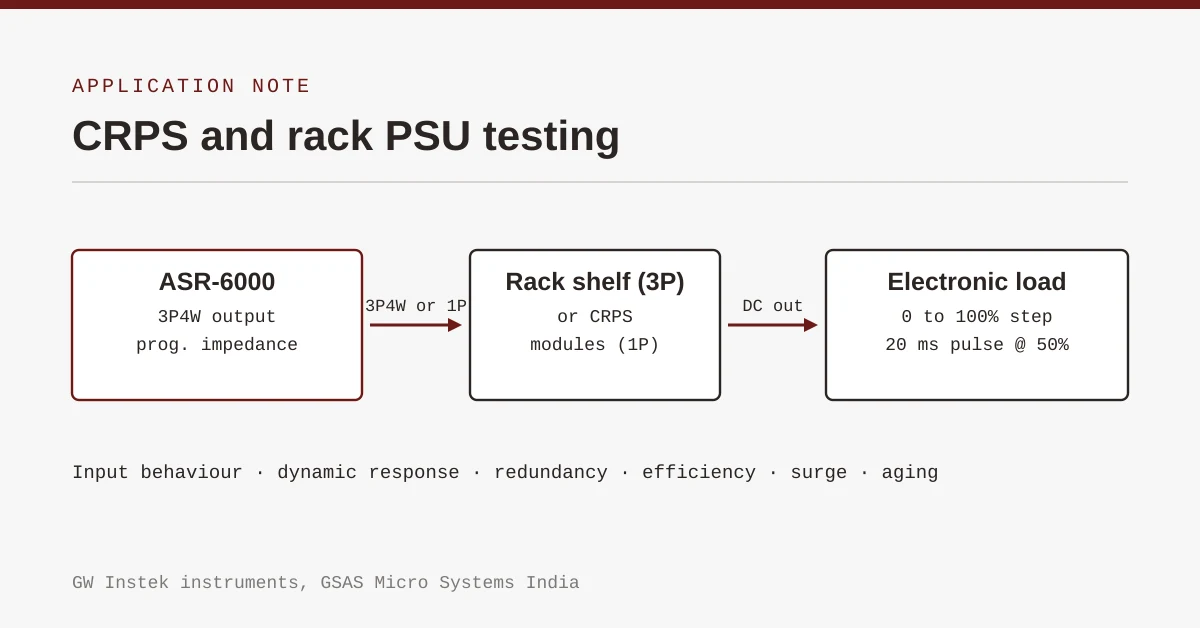
CRPS and Rack Power Supply Testing: The Six Tests That Matter
7 Oct · 7 min