Why CAN Bus Data Logging Matters
Every modern vehicle is a network of electronic control units (ECUs) communicating over the Controller Area Network (CAN) bus. Engine management, transmission control, ABS, airbag systems, ADAS sensors, battery management, climate control, and instrument clusters all exchange data as CAN frames at speeds up to 1 Mbps (classic CAN) or 5 Mbps (CAN-FD).
For automotive engineers, whether developing new ECUs, validating vehicle behaviour, performing durability testing, or investigating field failures, the ability to capture, decode, and analyse CAN bus data is fundamental. The CAN bus data logger is the instrument that makes this possible.
Types of CAN Bus Data Loggers
Dedicated Desktop CAN Interfaces
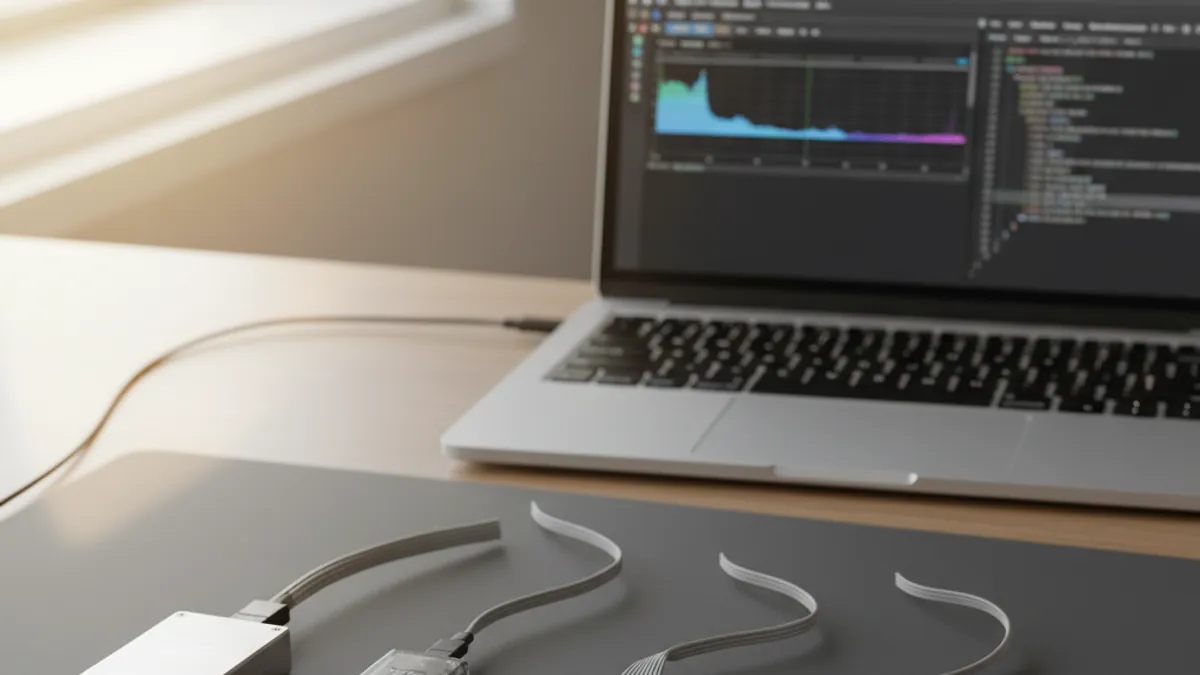
Purpose-built CAN interface devices (USB or Ethernet-connected) that connect to a CAN bus and stream frames to a PC running analysis software. These are the traditional choice for bench-level ECU development and hardware-in-the-loop (HIL) testing. They provide high-resolution timestamping, hardware filtering, and tight integration with analysis tools like Vector CANalyzer or PEAK PCAN-View.
Strengths: high bus-level accuracy, hardware timestamping, integration with professional CAN tools. Limitations: require a connected PC, not suitable for unattended field logging, no cellular connectivity.
Standalone CAN Loggers
Battery-powered or vehicle-powered devices with internal storage (SD card or flash) that record CAN frames without a connected PC. The engineer installs the logger in the vehicle, drives the test route, retrieves the logger, and downloads the data. Some include GPS for location-correlated logging.
Strengths: unattended operation, no PC required during recording. Limitations: no real-time visibility during recording, manual data retrieval, limited processing capability.
Open-Platform Telematics Gateways
Linux-based devices with CAN interfaces, cellular connectivity, GPS, and on-device processing capability. The AutoPi TMU CM4 and AutoPi CAN-FD Pro fall into this category. They combine CAN data logging with real-time cellular upload, edge computing, and cloud-based fleet management.
Strengths: cellular connectivity for real-time data access, edge computing for on-device filtering, cloud platform for fleet-scale management, programmable via Docker/Python. Limitations: lower bus-level timing accuracy than dedicated CAN interfaces (sufficient for application-level logging, not for physical-layer bus analysis).
Selecting for Indian Automotive R&D
For Indian automotive OEMs and tier-1 suppliers, the selection depends on the specific use case:
ECU Development and HIL Testing
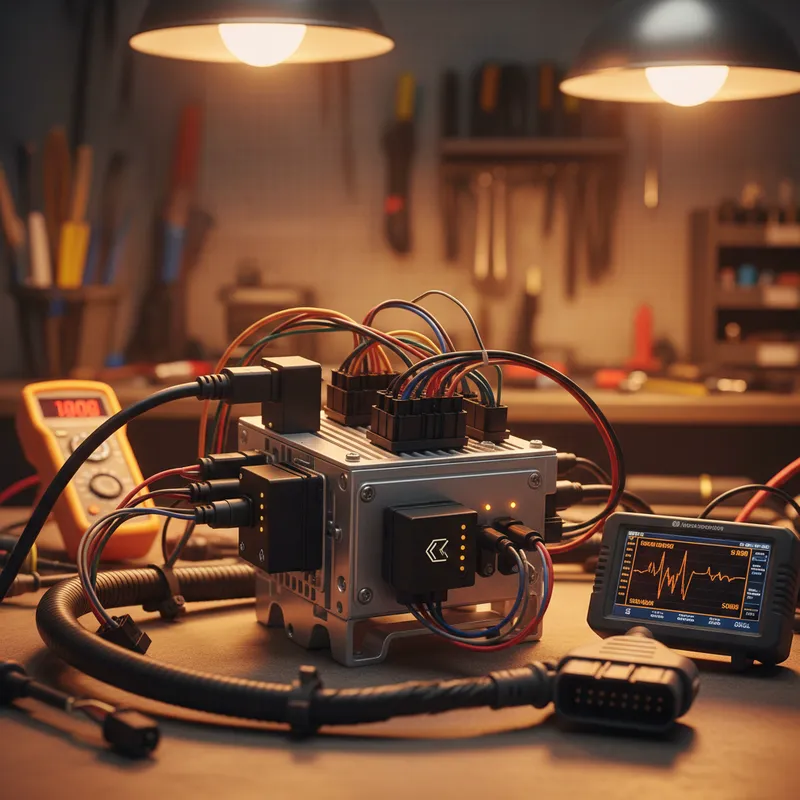
At the bench, where the engineer is actively developing and debugging ECU firmware, a dedicated CAN interface connected to a development PC is the right tool. Hardware timestamping, bus-off detection, error frame capture, and integration with simulation environments require the precision of a purpose-built interface.
Vehicle-Level Validation and Durability Testing
For on-road testing, durability runs across Indian road conditions, climate testing, highway fuel economy measurements, the requirements shift. The logging device must operate unattended for hours or days, survive vibration and temperature extremes, and ideally transmit data in real time so engineers can monitor tests remotely.
The AutoPi CAN-FD Pro provides dual CAN-FD channels capturing 3,000+ frames per second with 4 GB RAM and 32 GB storage for extended logging sessions. 4G LTE cellular enables real-time data streaming from test vehicles driving between Bengaluru and Chennai, across Pune-Mumbai expressway routes, or through Delhi NCR traffic conditions.
Fleet Data Acquisition
When the goal is to collect operational data from tens or hundreds of vehicles in the field, warranty analysis, product improvement, usage pattern studies, fleet management capability becomes essential. AutoPi Cloud provides device management, OTA updates, and data aggregation across a fleet of logging devices.
The AutoPi Mini serves this use case for standard OBD-II data collection, while the TMU CM4 and CAN-FD Pro handle advanced CAN logging requirements.
DBC Files and Signal Decoding
Raw CAN frames are hexadecimal data, useful for bus-level analysis but not for application-level understanding. DBC (Database CAN) files map raw frame IDs and byte positions to named signals with engineering units, scaling factors, and value descriptions.
Both the TMU CM4 and CAN-FD Pro support DBC file import for on-device signal decoding. This means the device can log decoded engineering values (engine speed in RPM, battery voltage in volts) instead of raw hex data, reducing storage requirements and post-processing effort.
For Indian OEM vehicles that use proprietary CAN communication matrices, the engineering team supplies the DBC file and the AutoPi device decodes signals natively. For standard OBD-II parameters, the AutoPi platform includes built-in PID definitions that require no additional configuration.
Edge Processing for Intelligent Logging
One of the practical advantages of an open-platform logger is conditional logging, recording high-resolution data only when specific conditions are met:
- Event-triggered capture: log CAN data at full resolution only during hard braking, high lateral acceleration, or DTC events; log at reduced resolution during normal driving
- Signal-threshold logging: capture data when a specific CAN signal exceeds a threshold (e.g., coolant temperature above 100 degrees Celsius)
- Geofenced logging: enable high-resolution capture on specific road segments (test tracks, problem road sections) and reduce resolution elsewhere
- Time-windowed logging: capture data for a configurable window before and after a trigger event
These edge processing patterns, implemented as Docker containers on the TMU CM4 or CAN-FD Pro, dramatically reduce storage consumption and data transfer costs for extended field testing campaigns.
Why Buy from GSAS
GSAS Micro Systems provides AutoPi CAN bus data logging hardware with local stock, INR invoicing, DBC file configuration support, and edge computing deployment assistance. Automotive engineering teams in Bengaluru, Hyderabad, Chennai, Pune, Mumbai, Delhi NCR, and Visakhapatnam can request evaluation units for R&D data acquisition projects.
Explore the AutoPi CAN-FD Pro for CAN-FD logging or the TMU CM4 for versatile telematics. Contact us for technical consultation.
Also appears in:
Interested in AutoPi tools?
Talk to our application engineers for personalized tool recommendations.
More from AutoPi
View all →
Automotive IoT Gateways: Why Indian OEMs Are Moving to Open Platforms
5 Apr · 7 min
AutoPi CAN-FD Pro: High-Speed CAN-FD Data Logging for ADAS and EV Development
5 Apr · 7 min
Driver Behaviour Scoring for Fleet Safety: Using AutoPi Telematics in India
5 Apr · 7 min
Geofencing and Route Compliance for Indian Fleets: AutoPi Telematics
5 Apr · 6 min
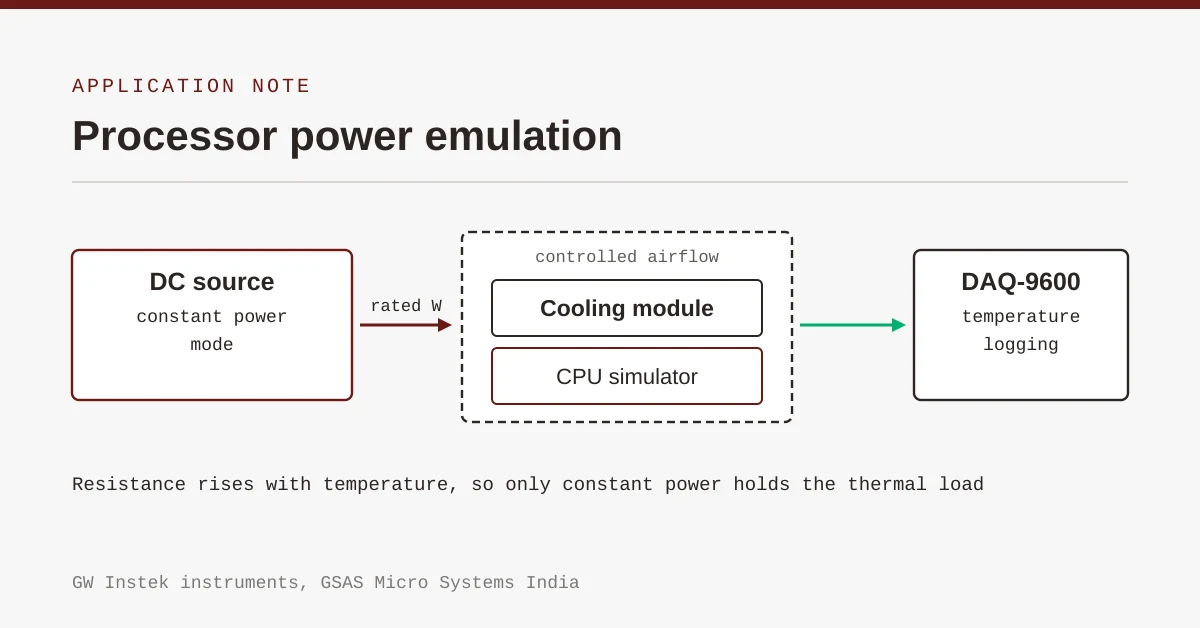
Emulating Processor Power for Thermal Testing: Why Constant Power
7 Oct · 7 min
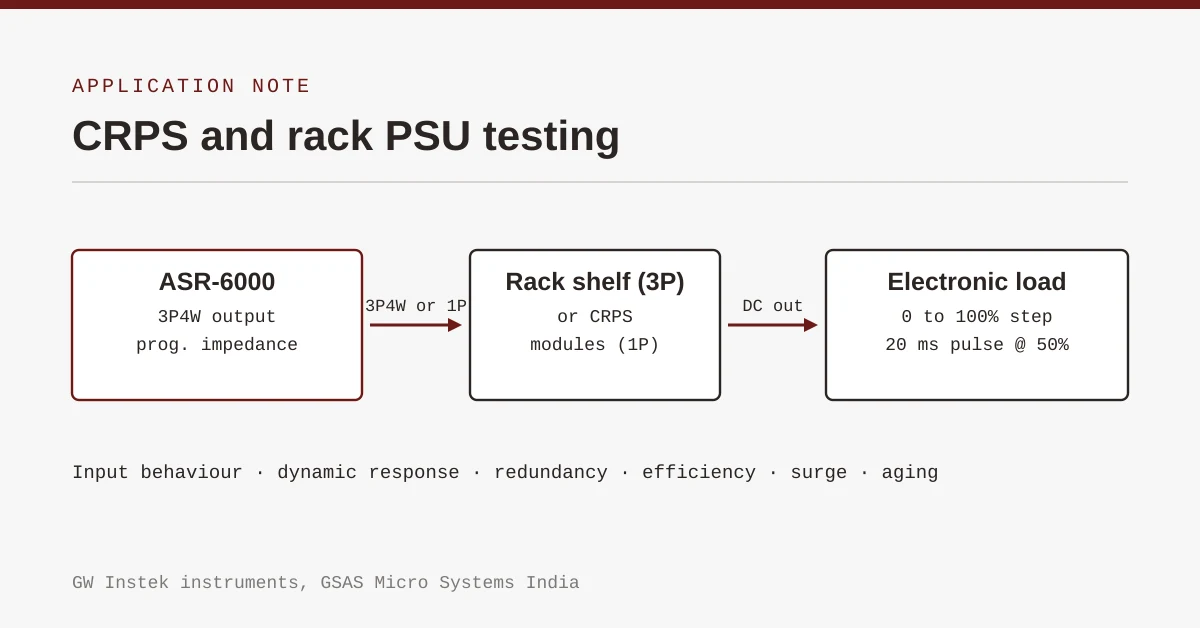
CRPS and Rack Power Supply Testing: The Six Tests That Matter
7 Oct · 7 min