When Indian engineering teams evaluate structural FEA solvers, the comparison typically comes down to MSC Nastran (Cadence) and Ansys Mechanical. Both are mature, widely deployed solvers with decades of development history and large installed bases in India. However, they differ in architecture, strengths, licensing philosophy, and ecosystem integration in ways that matter for specific engineering applications.
This comparison is based on the technical capabilities of each solver. Both are capable tools, the right choice depends on your engineering workflow, industry requirements, and simulation strategy.
Solver Architecture
MSC Nastran uses a solution sequence architecture (SOL 101, SOL 103, SOL 200, SOL 400, SOL 700, etc.), where each solution sequence is optimised for a specific class of structural problem. Users select the solution sequence that matches their analysis type and Nastran configures the solver accordingly. This modular approach means the solver is tuned for each problem type.
Ansys Mechanical uses a unified solver framework where analysis types are configured through the Workbench interface. Static, modal, harmonic, transient, buckling, and topology optimisation are all accessible through the same solver with different analysis settings. The user experience is more graphical and workflow-driven.
Where MSC Nastran Has the Technical Edge
Aeroelasticity. MSC Nastran’s aeroelastic solution sequences (SOL 144, SOL 145, SOL 146) are the industry standard for flutter analysis, static aeroelastic trim, and dynamic aeroelastic response. This capability is a core part of Nastran’s architecture, not a separately developed add-on. For aerospace programmes requiring flutter clearance certification, Nastran is the established solver. Ansys offers aeroelastic capability, but it has a smaller installed base in aerospace certification workflows.
Aerospace certification heritage. MSC Nastran’s six-decade track record in aerospace structural certification gives it institutional trust with certification authorities. The solver’s validated solution procedures and the established practice of referencing Nastran solutions in certification documentation make it the default choice for airworthiness substantiation.
SOL 200 optimisation. Nastran’s integrated topology, topometry, and topography optimisation (SOL 200) runs within the solver environment with direct access to structural response quantities. The coupling between analysis and optimisation is tight, optimisation drives multiple structural disciplines (static, dynamic, buckling) simultaneously.
MSC One token ecosystem. Nastran is part of the MSC One token pool that includes Adams, Marc, Actran, Digimat, and Simufact. Teams can flow tokens between structural FEA, multibody dynamics, acoustics, materials modelling, and manufacturing simulation within a single license allocation. This multi-solver ecosystem is a differentiator for organisations that need more than structural FEA alone.
Where Ansys Mechanical Has the Technical Edge
Multiphysics integration. Ansys has a broader multiphysics portfolio, coupling structural mechanics with CFD (Fluent/CFX), electromagnetics (Maxwell/HFSS), and electronics thermal analysis within the Workbench environment. For teams whose workflows span multiple physics domains, Ansys provides tighter integration within a single vendor ecosystem.
Pre/post-processing. Ansys Workbench provides a polished, integrated pre/post-processing environment. MSC Nastran’s native pre/post-processor is Patran, which has a steeper learning curve. Many Nastran users also use third-party pre-processors (HyperMesh, ANSA, SimLab) for mesh generation, which adds capability but also adds toolchain complexity.
Explicit dynamics breadth. Ansys LS-DYNA (through the Ansys acquisition of LSTC) is the most widely used explicit dynamics solver globally. While MSC Nastran SOL 700 provides explicit dynamics capability, LS-DYNA has a larger community, broader material model library, and deeper market penetration in automotive crash simulation.
Licensing Comparison
MSC Nastran is available per-solver or through MSC One tokens. The token model is attractive for teams using multiple MSC solvers, tokens flex between Nastran, Adams, Marc, Actran, and others based on project demand.
Ansys Mechanical is typically licensed through Ansys bundles or individual solver licenses, with Ansys Gateway and Ansys HPC packs for cluster deployment.
Both vendors offer academic and research licensing at reduced pricing.
The India Decision
For Indian engineering teams, the choice depends on the primary application:
Choose MSC Nastran when your core workflow involves aerospace structural certification, aeroelasticity and flutter, vehicle dynamics (with Adams), NVH with acoustic simulation (with Actran), or when you need the MSC One multi-solver ecosystem.
Choose Ansys when your workflow is heavily multiphysics (structural + CFD + EM), when you need deep explicit dynamics capability (LS-DYNA), or when the integrated Workbench environment aligns with your team’s workflow preferences.
Both solvers are available in India with local support. GSAS provides MSC Nastran and the wider Cadence simulation portfolio with INR invoicing, training workshops, and application engineering from offices in Bengaluru, Hyderabad, Chennai, Pune, Mumbai, Delhi NCR, and Visakhapatnam.
Also appears in:
Interested in Cadence tools?
Talk to our application engineers for personalized tool recommendations.
More from Cadence
View all →
MSC Software Is Now Part of Cadence: What the Hexagon Acquisition Means for Indian Simulation Teams
28 May · 6 min

Adams Multibody Dynamics: The Standard for Vehicle Dynamics Simulation in India
5 Apr · 6 min

MSC Nastran: Six Decades of Structural FEA and Why It Still Matters in India
4 Apr · 6 min
Actran Acoustic Simulation: Solving the EV NVH Challenge in India
3 Apr · 6 min
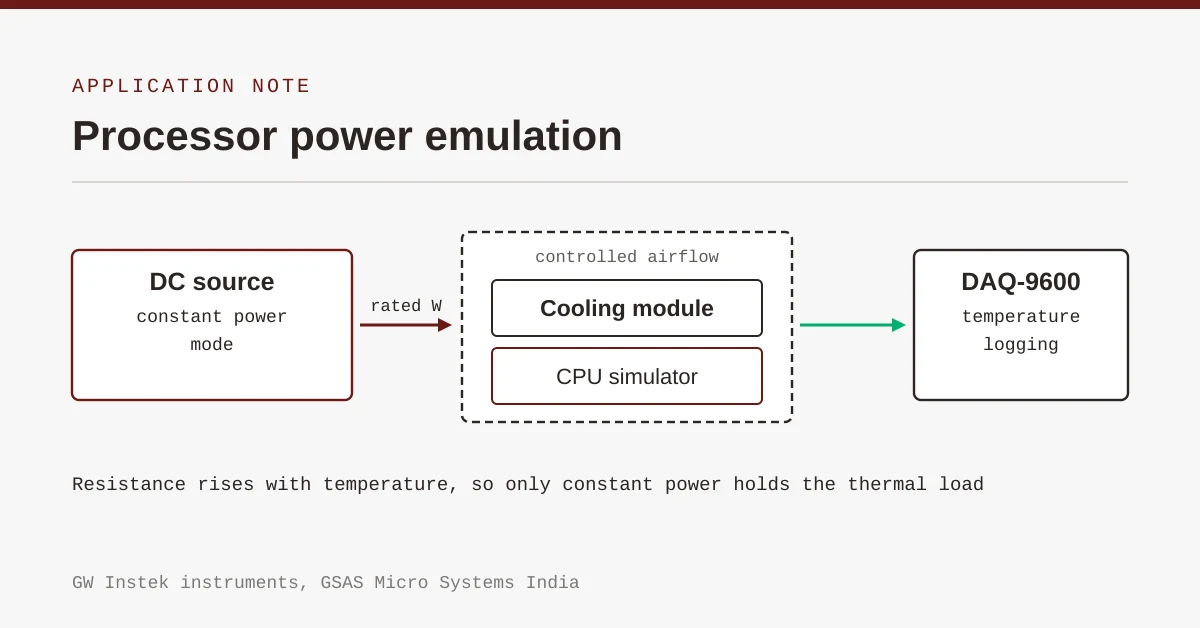
Emulating Processor Power for Thermal Testing: Why Constant Power
7 Oct · 7 min
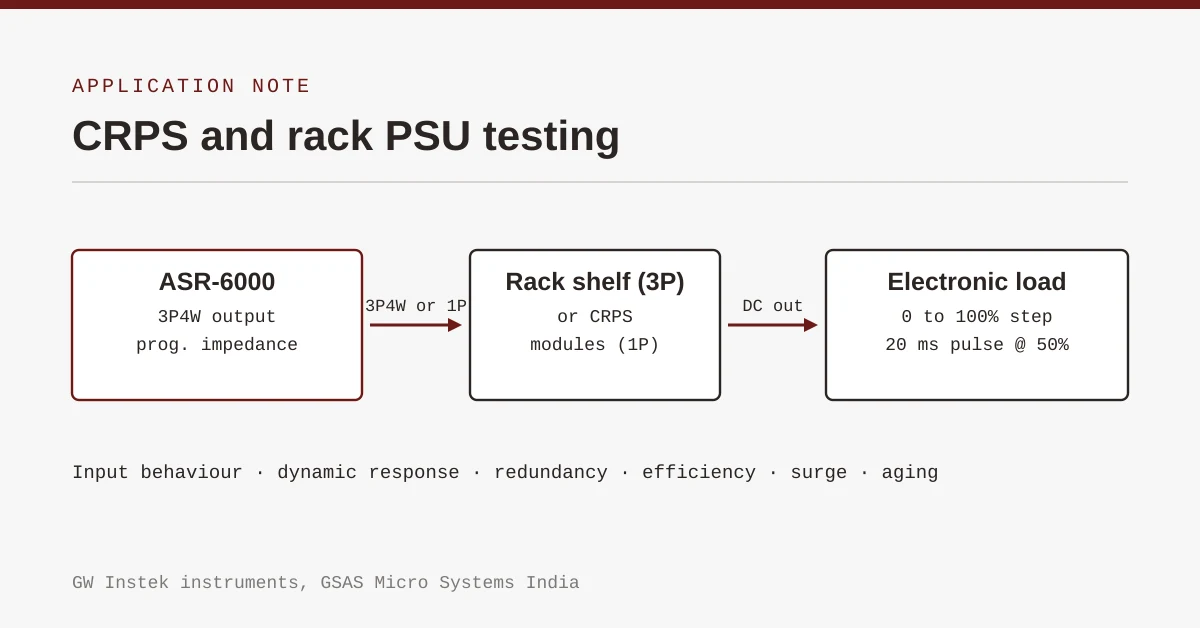
CRPS and Rack Power Supply Testing: The Six Tests That Matter
7 Oct · 7 min