Sensepeek PCBite Probe Maintenance: Replacing Needles, Cleaning, and Preserving Accuracy
The Sensepeek PCBite system is mechanically simple, stainless steel base plate, aluminum holders, articulating arms, and spring-loaded needle probes. There are no electronics in the probes themselves (except the passive attenuation network in the SQ200, SQ500, and SQG models), no firmware to update, and no batteries to replace. But like any precision measurement tool, the system benefits from periodic maintenance.
The most common maintenance task is needle replacement, followed by base plate cleaning and probe body care.
This guide covers the practical maintenance routine that keeps PCBite probes delivering accurate, repeatable measurements.
Needle Replacement: When and How
The 0.5 mm spring-loaded test needle is the only consumable component in the PCBite system. Every SQ-series probe, SQ10, SQ200, and SQ500, uses the same exchangeable needle design. Sensepeek includes replacement needles with every kit, and additional needle packs are available separately.
When to Replace
Replace the needle when you observe any of these conditions:
- Bent tip: The needle visibly deviates from straight when viewed under magnification. A bent needle cannot land cleanly on a fine-pitch pad and will produce inconsistent contact.
- Reduced spring tension: The needle no longer springs back to full extension when released. Weak spring tension means the probe cannot maintain consistent contact pressure, leading to intermittent connections.
- Corroded or oxidized tip: A discolored or rough needle tip increases contact resistance and introduces noise into measurements. This is more common in humid lab environments.
- Measurement inconsistency: If the same probe on the same pad produces different readings across sessions and the signal source is verified stable, the needle is likely worn.
As a general guideline, inspect needles visually every few weeks in active use. Teams doing daily probing on hard-alloy lead-free solder boards will wear needles faster than teams probing tin-lead assemblies.
How to Replace
Needle replacement is a tool-free operation that takes under ten seconds:
- Remove the old needle. Grip the exposed needle shaft where it exits the probe body and pull straight out. The needle releases from the internal spring mechanism with moderate force.
- Insert the new needle. Take a replacement needle from the pack, align it with the probe body opening, and push it straight in until it seats against the internal spring. You will feel the spring compress slightly as the needle locks in position.
- Verify. Press the needle tip gently against a hard surface (the base plate works).
It should compress smoothly and spring back to full extension. If it sticks or wobbles, remove and reseat the needle.
No calibration is needed after needle replacement. The passive attenuation network in the SQ200 and SQ500 is in the probe body, not the needle. Swapping the needle does not affect the probe’s electrical characteristics.
Needle Compatibility
All SQ-series probes use the same 0.5 mm needle. A single replacement needle pack services your entire SQ probe inventory. The SQG-series high-frequency probes (SQG15, SQG30, SQG60) also use exchangeable fine-pitch spring-tipped test needles with the same replacement procedure.
Base Plate Cleaning
The stainless steel base plate accumulates fingerprints, flux residue from boards, and fine dust over time. A dirty surface weakens the magnetic grip of the probe arms and PCB holders.
Routine cleaning: Wipe the base plate with the included microfiber cloth after each session. This removes fingerprints and light dust.
Deep cleaning: For flux residue or stubborn contamination, wipe the plate with isopropyl alcohol (IPA, 90% or higher) on a lint-free cloth. Avoid abrasive cleaners or scouring pads, especially on the mirror-polished side, where scratches degrade reflective inspection quality.
Storage: When not in use, store the base plate with a microfiber cloth on the surface to prevent dust accumulation and scratches. If your lab environment is humid, occasional wipe-downs prevent surface oxidation, though the stainless steel is corrosion-resistant under normal conditions.
Probe Body Care
The SQ-series insulated probe bodies are durable and do not require regular maintenance. However, two practices extend their life:
Keep probe tips capped when stored. If your probes came with tip protectors, use them during storage and transport. An exposed spring-loaded needle can bend if the probe is dropped or stored in a drawer with other tools.
Avoid excessive cable stress. The probe cable exits the body at a fixed point. Repeatedly bending the cable sharply at this junction can damage the internal conductor over time. Route cables with gentle bends using the color-coded cable holders rather than letting them drape across the bench edge.
Articulating Arm Maintenance
The articulating arms use mechanical joints with friction hold. Over extended use, the joints may loosen slightly, reducing the arm’s ability to hold its position against the probe’s spring pressure. If an arm consistently drifts after positioning, check that the joint screws (if accessible) are snug. In most cases, the magnetic base force is the primary positioning mechanism, and the articulating joint only needs to maintain the angle.
Maintaining Measurement Accuracy
Beyond physical maintenance, two practices preserve measurement accuracy:
Verify probe compensation periodically. Connect your SQ200 or SQ500 to your oscilloscope’s probe compensation output (the square-wave calibration signal present on most scopes). The square wave should display flat tops with no overshoot or rounding. If the waveform is distorted, adjust the oscilloscope’s probe compensation setting. This verifies the scope-probe system, not just the probe.
Keep ground connections short and clean. A corroded ground clip or a ground spring with built-up flux residue adds resistance and noise to measurements. Wipe ground contacts with IPA periodically and replace ground accessories if they show visible corrosion.
For teams in Bengaluru, Hyderabad, Chennai, Pune, and Mumbai maintaining PCBite systems across multiple lab benches, GSAS stocks replacement needles and accessories for immediate delivery.
Why Buy from GSAS
GSAS is an authorized engineering partner in India, providing PCBite kits, individual probes, replacement needles, and all accessories with INR invoicing and local inventory. Our engineers in Bengaluru, Hyderabad, Chennai, Pune, Mumbai, and Delhi NCR support ongoing maintenance needs and can supply replacement parts without international shipping delays. Contact GSAS for pricing on replacement needle packs and probe accessories.
Also appears in:
Interested in Sensepeek tools?
Talk to our application engineers for personalized tool recommendations.
More from Sensepeek
View all →
Shrinking Boards, Growing Problems: Why Hands-Free Probing Is Essential as Component Density Rises
7 Apr · 4 min

Getting Started with Sensepeek PCBite: Unboxing to First Measurement
7 Apr · 5 min
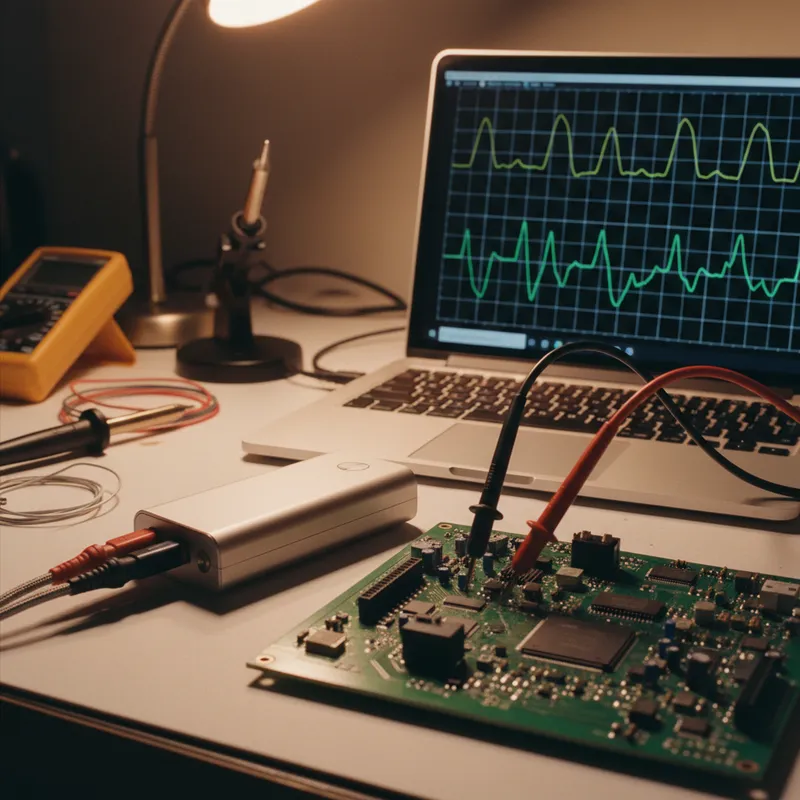
High-Speed Interface Validation with Sensepeek SQG Probes: USB, HDMI, and SATA
7 Apr · 5 min
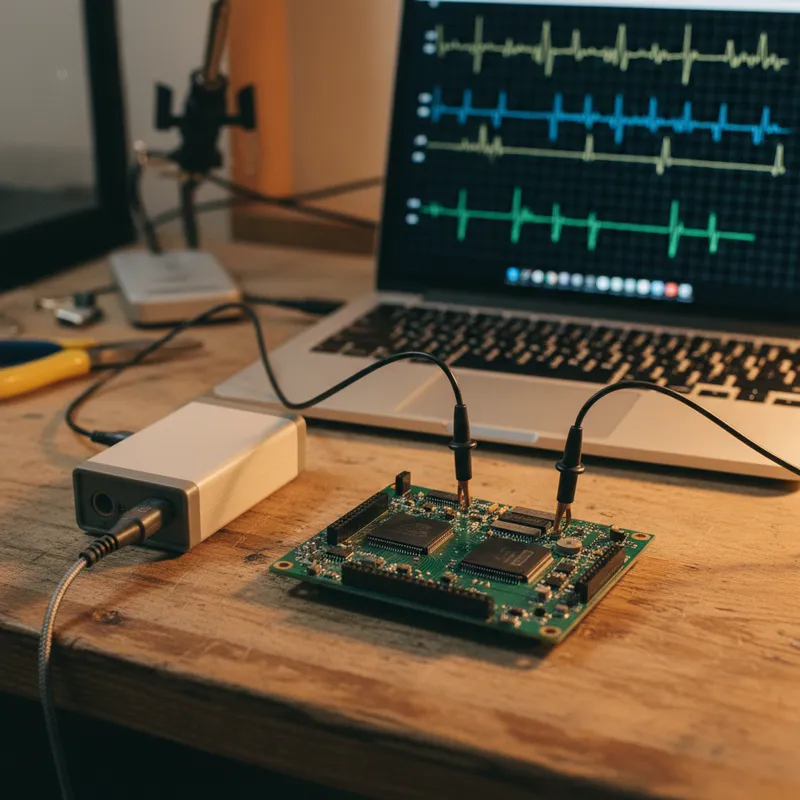
6 Simultaneous Probe Points: Multi-Point Measurement with Sensepeek PCBite
7 Apr · 4 min
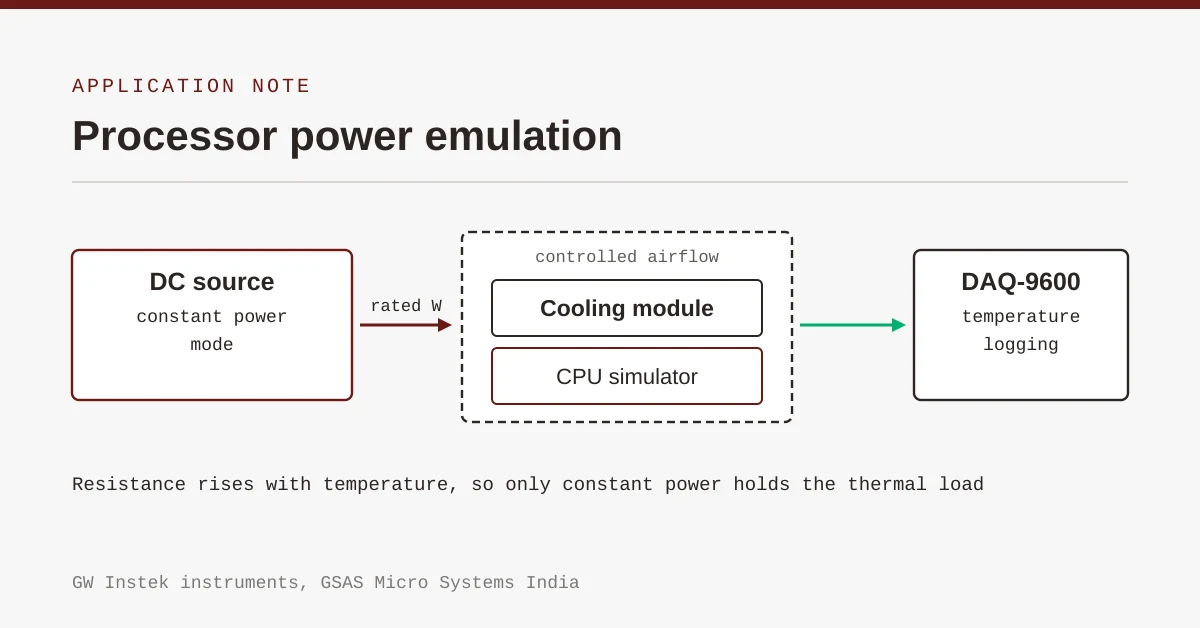
Emulating Processor Power for Thermal Testing: Why Constant Power
7 Oct · 7 min
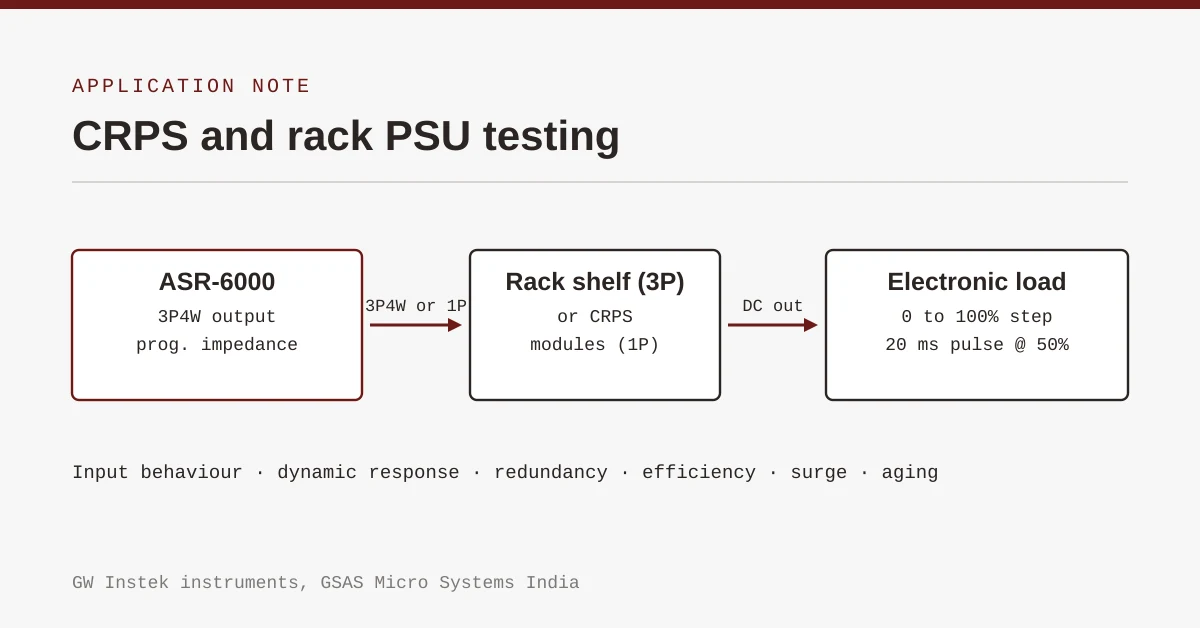
CRPS and Rack Power Supply Testing: The Six Tests That Matter
7 Oct · 7 min