
Embedded Perspectives
EV & Energy
19 articles tagged with EV & Energy.
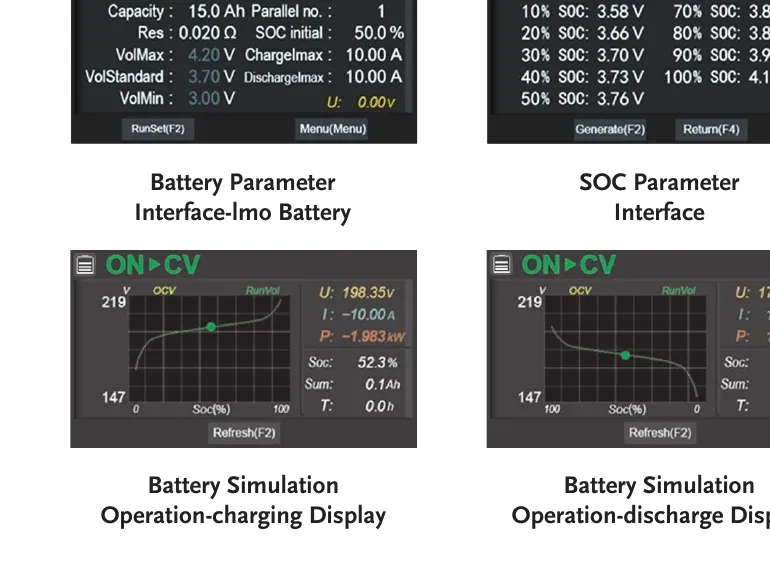
Battery Simulator vs Battery Emulator: Hardware for BMS and Pack Testing
The bench instrument whose terminals behave like a battery pack, why a plain DC supply leaves BMS code paths unexercised, and the capability list to specify against. Worked through the GW Instek RBS Series battery simulation function.
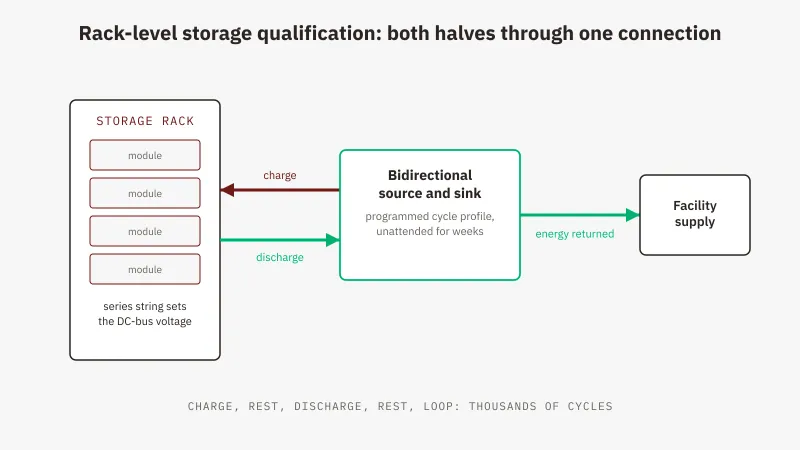
BESS Test Benches: Rack-Level Charge and Discharge Qualification
The bench that qualifies a storage rack: which voltage classes rack buses land in, the current envelope at top of charge, parallel growth in the class you buy first, and cycling that runs unattended for weeks.
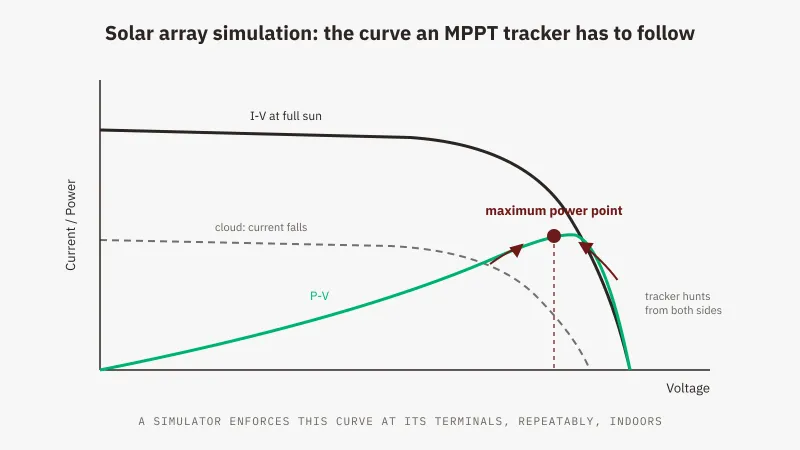
Solar Array Simulation for PV Inverter MPPT Testing
What a solar array simulator does that a bench supply cannot, how static and dynamic MPPT testing differ, and why the presence of a solar array simulation function depends on the model number rather than on the product family. From the GSAS engineering team in India.
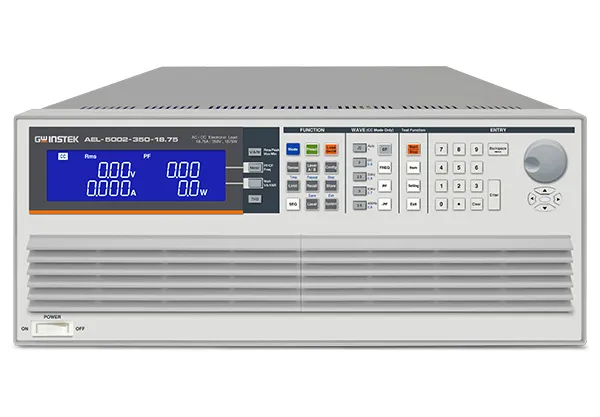
Testing High-Power UPS, Solar Inverters and Power Electronics: Inside the GW Instek AEL-5000 AC/DC Electronic Load
India's UPS, solar-inverter and power-electronics makers need load testing that behaves like the real world: non-linear, high-power and scalable. Here is how the GW Instek AEL-5000 AC/DC electronic load covers it, from 1.875 kW on the bench to 540 kW in a three-phase array.
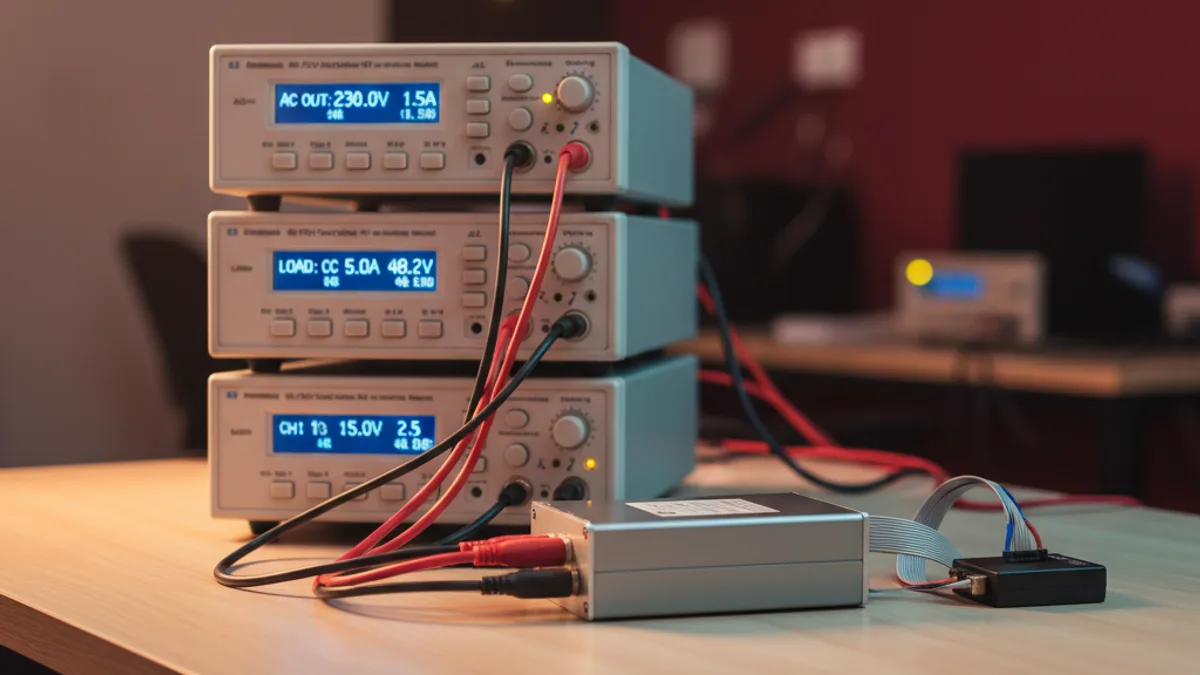
Automated EV Charger Test Bench in India: GW Instek AC Source, DC Load and Battery Emulator
A walkthrough of an automated test bench that validates a CAN-controlled EV scooter charger across the full Indian grid envelope. GW Instek's APS-7200 AC source, PEL-3111AH DC load and GPP-7250 battery emulator combine with a Total Phase Komodo CAN Duo BMS emulator for unattended, repeatable charger validation, designed, integrated and scripted in India by GSAS.
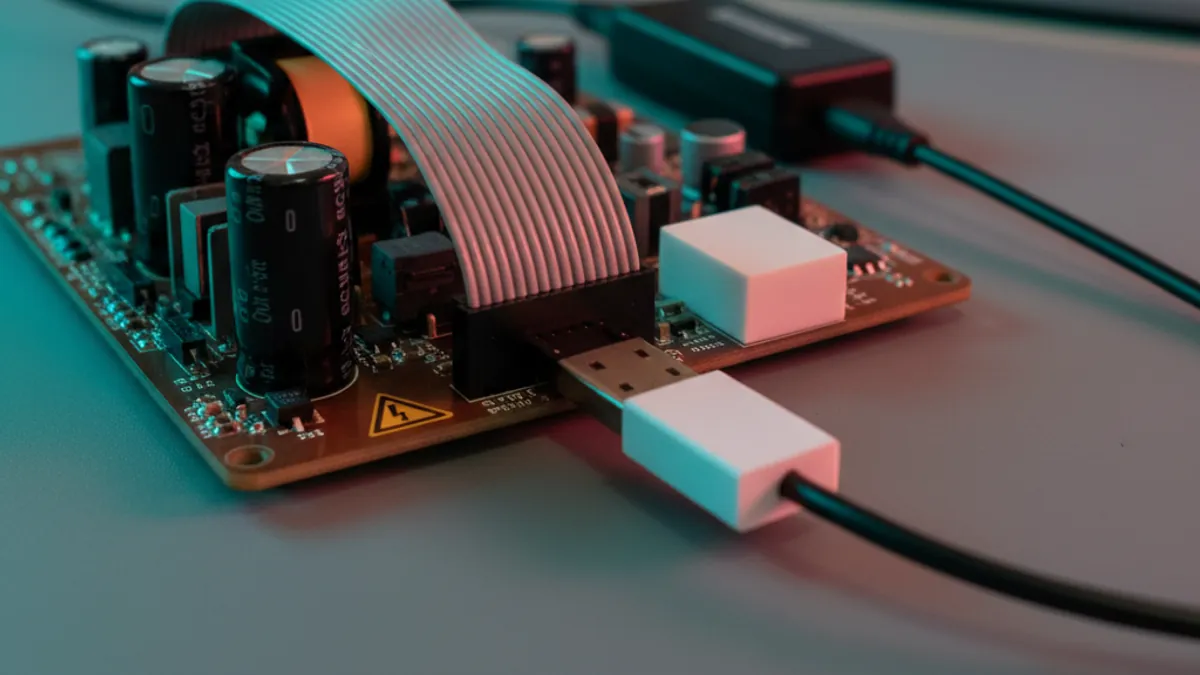
SWD & JTAG Debug-Port Isolation Explained: Protecting Your Probe, PC & Engineers (SEGGER J-Link, Flasher & J-Trace Isolators)
Plugging a USB-grounded debug probe into a motor drive, inverter, or high-voltage battery board can destroy the probe, fry your laptop's USB controller, or expose an engineer to a hazardous potential. Here is how SWD/JTAG debug-port isolation actually works, why SEGGER ships separate target-side and host-side isolators, and how Indian power-electronics, EV, and industrial teams should specify them, with verified specs only.
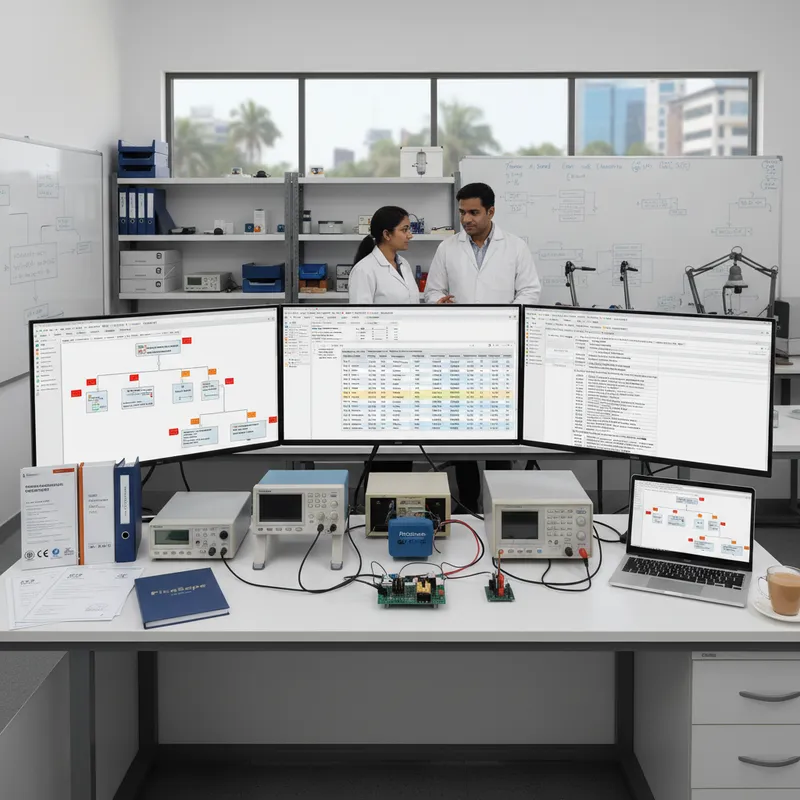
PicoScope EMC Pre-Compliance in India: Partial Discharge, Mains Harmonics, Conducted Emissions
How Indian EV, solar, and medical device teams use PicoScope with HFCT probes and LISNs for partial discharge, IEC 61000-3-2 harmonics, and conducted emissions pre-screening.
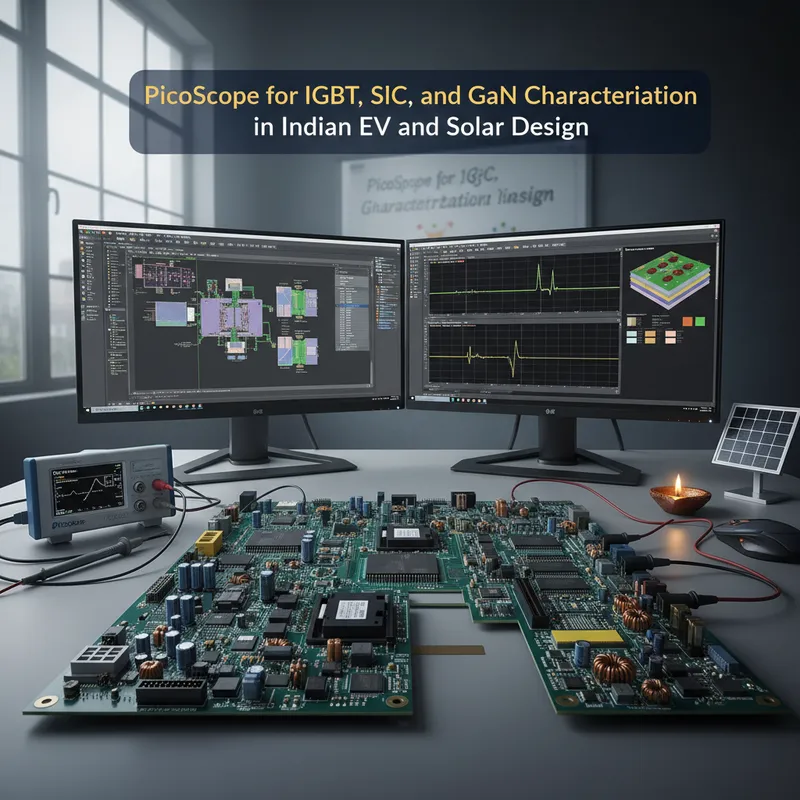
PicoScope for IGBT, SiC, and GaN Characterization in Indian EV and Solar Design
How Indian EV inverter and solar teams use PicoScope 6000E FlexRes with differential probes for IGBT, SiC, and GaN double-pulse tests and dynamic characterization.
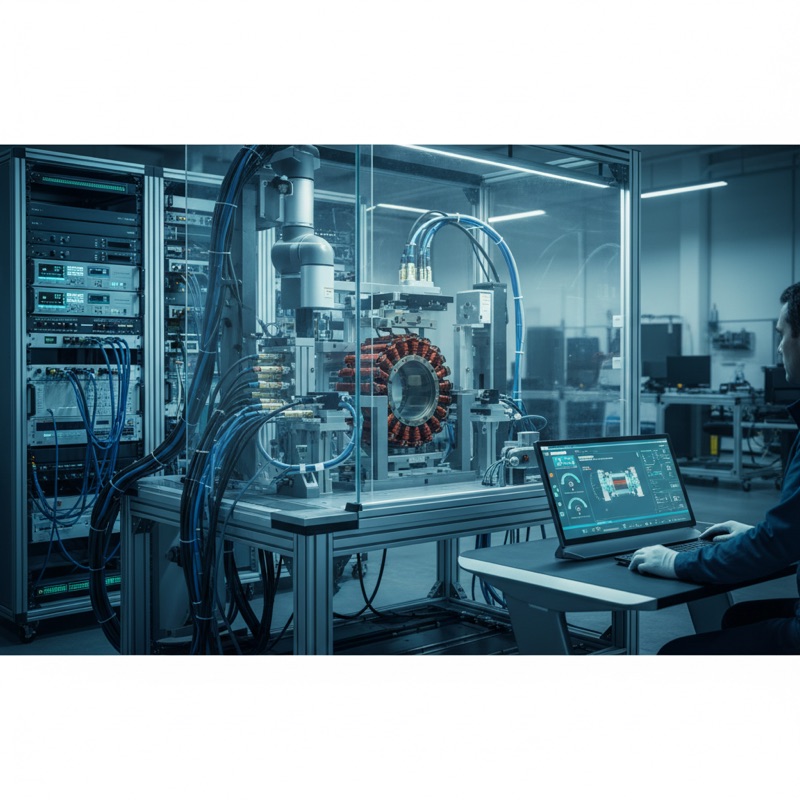
Motor Stator Testing in EV Manufacturing: Microtest MT-6910 Series
A motor stator is the stationary assembly that generates the rotating magnetic field, the part that makes the motor work.
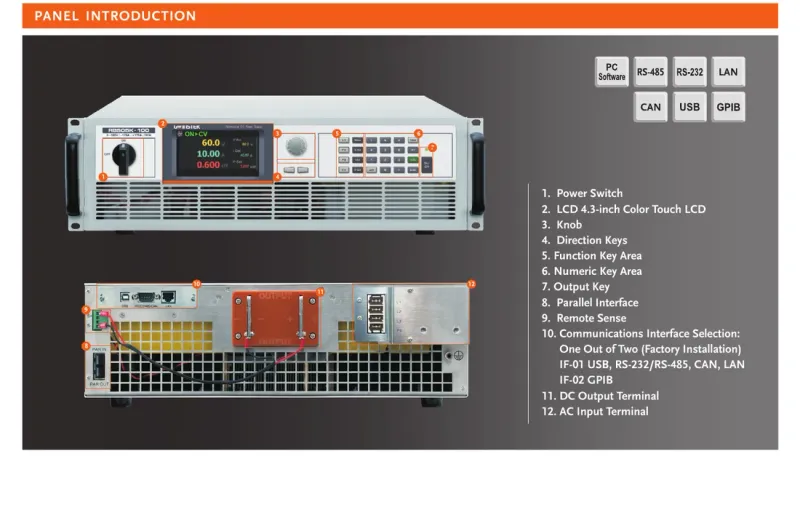
Regenerative Bidirectional DC Power Supply: How It Works and Where It Pays
What a regenerative bidirectional DC power supply actually does, where the energy it absorbs physically goes, and the workloads in which the architecture pays for itself. The GW Instek RBS Series runs through the second half as the worked example, including battery simulation and the conditions attached to its transient-response figure.
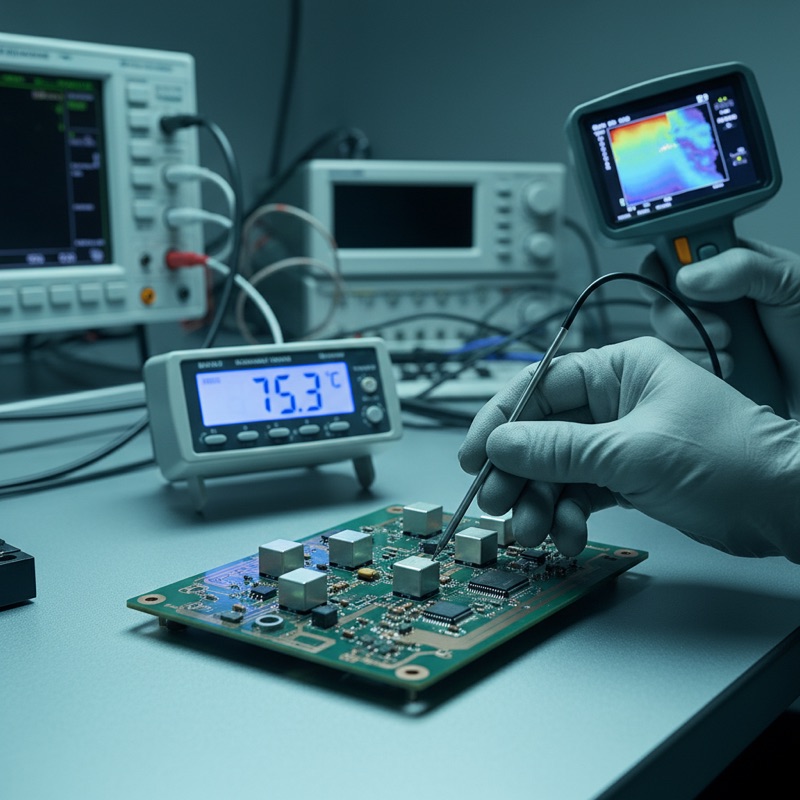
Temperature Rise Current (Irms) Testing for EV Power Inductors
Irms, the current that causes a specified temperature rise in an inductor, sets the thermal operating limit distinct from magnetic saturation. For EV power electronics, both limits matter.
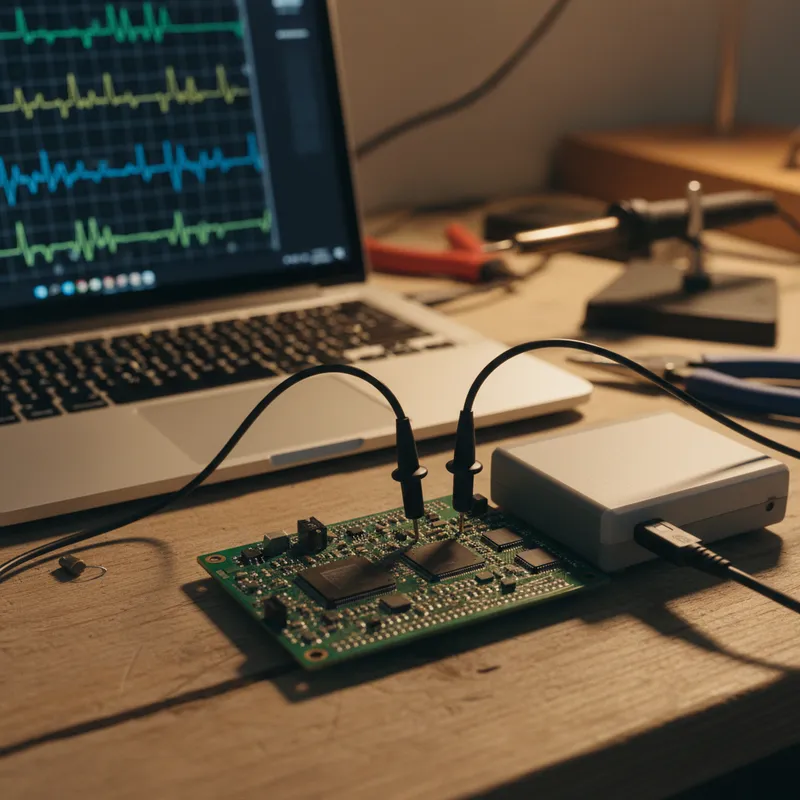
PicoScope for Power Electronics: Inverter, Motor Drive, and Power Supply Analysis
How to use PicoScope oscilloscopes for power electronics measurement, switching waveform analysis, power loss calculation, motor drive characterization, and DC-DC converter validation.

The Regenerative Testing Trend: Why Power Labs Are Moving to Energy Recovery
Why high-power test labs are shifting from dissipative loads to regenerative platforms, what regenerative testing actually does, when the economics turn favourable, and what the limits are.
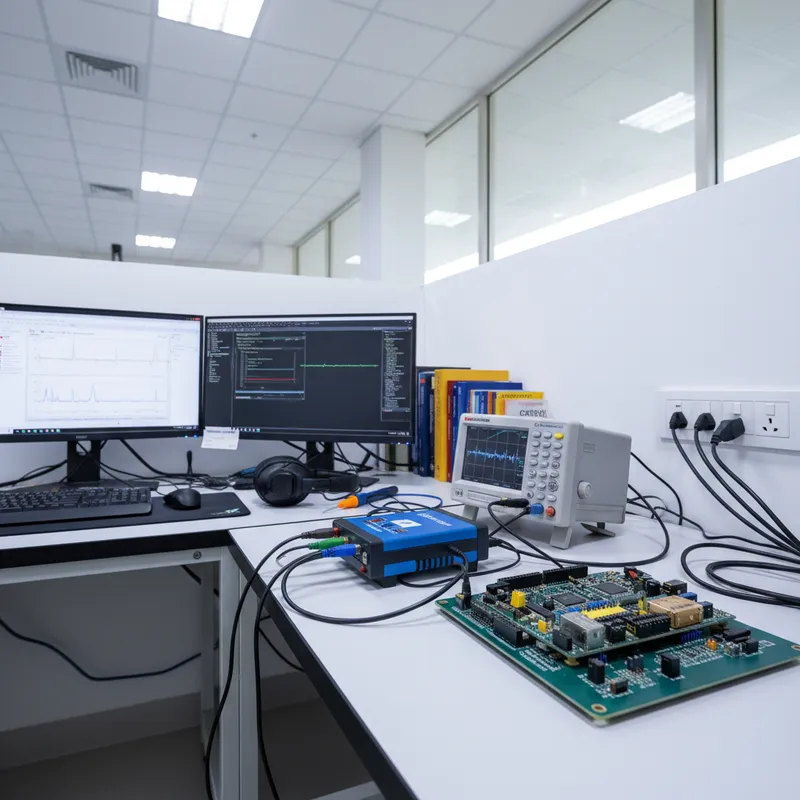
Battery Life Prediction for Embedded Devices: Measurement-Based Validation with Joulescope
Why spreadsheet-based battery life estimates fail and how measurement-based validation with the Joulescope JS220 produces reliable predictions. Methodology for statistical confidence and product validation reports.
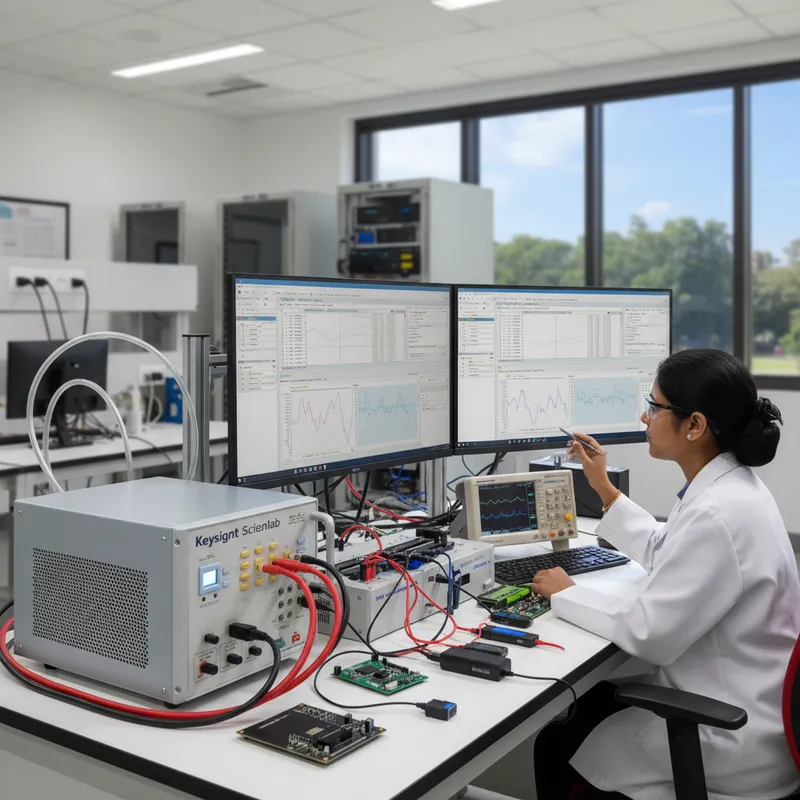
Regenerative DC Power Testing for EV Battery Validation in India
Why Indian EV programmes are moving battery, BMS, and DC-DC converter validation onto regenerative bidirectional platforms, and what GW Instek's RBS Series brings to that workload.
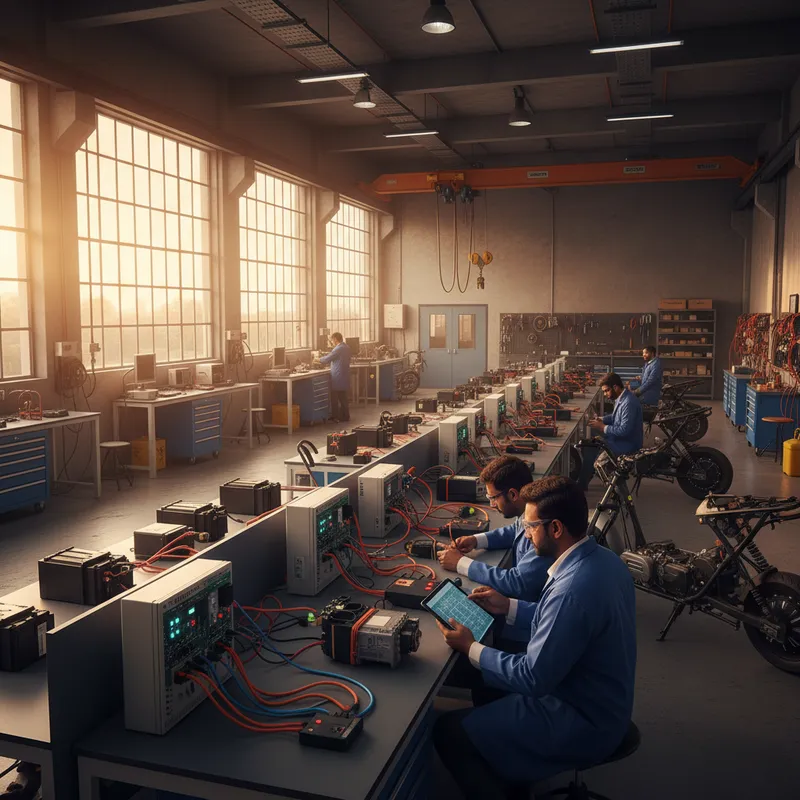
Unit Testing for India's Two-Wheeler EV Industry: ISO 26262 ASIL for Motor Controller and Inverter Firmware
India's two-wheeler electric vehicle market is entering a new phase.
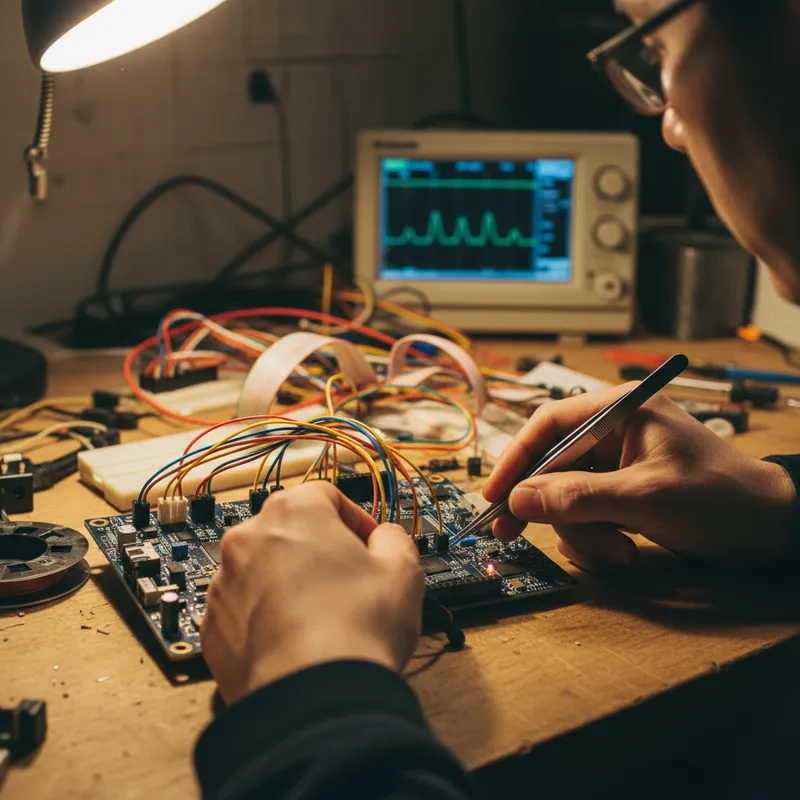
EV Development in India Demands Simulation-First Engineering: Here Is What That Means
India's EV transition is accelerating across two-wheelers, passenger vehicles, and commercial vehicles. Simulation-first engineering, spanning NVH, battery safety, vehicle dynamics, and thermal management, is the only way to meet compressed timelines.
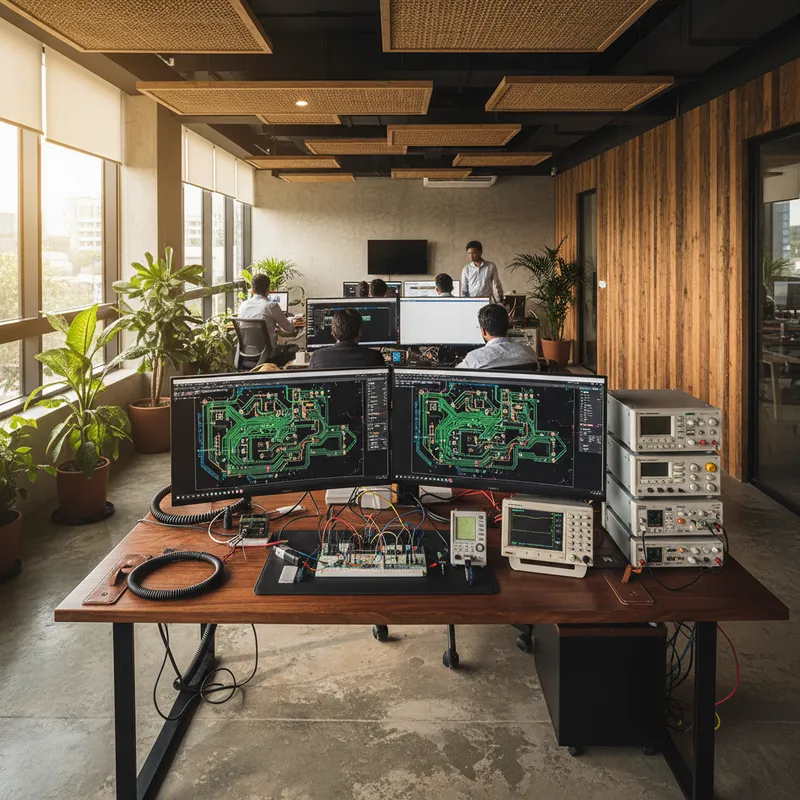
Power Electronics PCB Design: HyperLynx for EV and Solar Inverter Development in India
India is in the midst of a power electronics revolution. EV motor controllers, onboard chargers, solar string inverters, battery management systems, and…
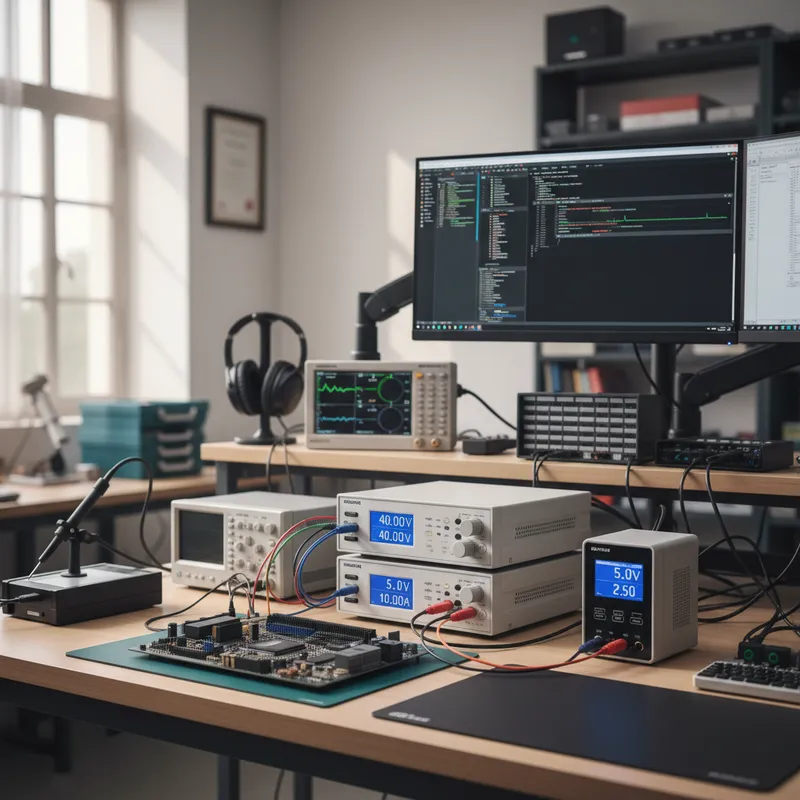
How to Choose a Regenerative Bidirectional DC Power Supply
A criteria-first buying guide for regenerative bidirectional DC power supplies: fix the voltage class before the power class, check simulation functions against the model number, and settle the interface at order time. From the GSAS engineering team in India.
Questions about EV & Energy?
Our application engineers help teams evaluate tools, plan validation, and scope pilots across India.